

Call us now
08045813058
ventilator circuit with double water trap
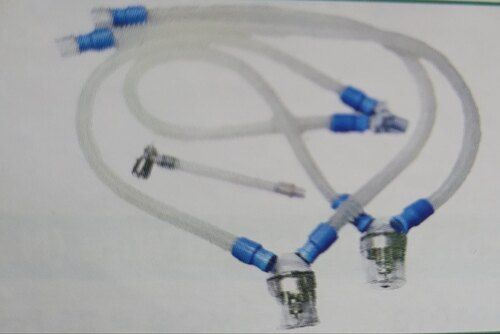
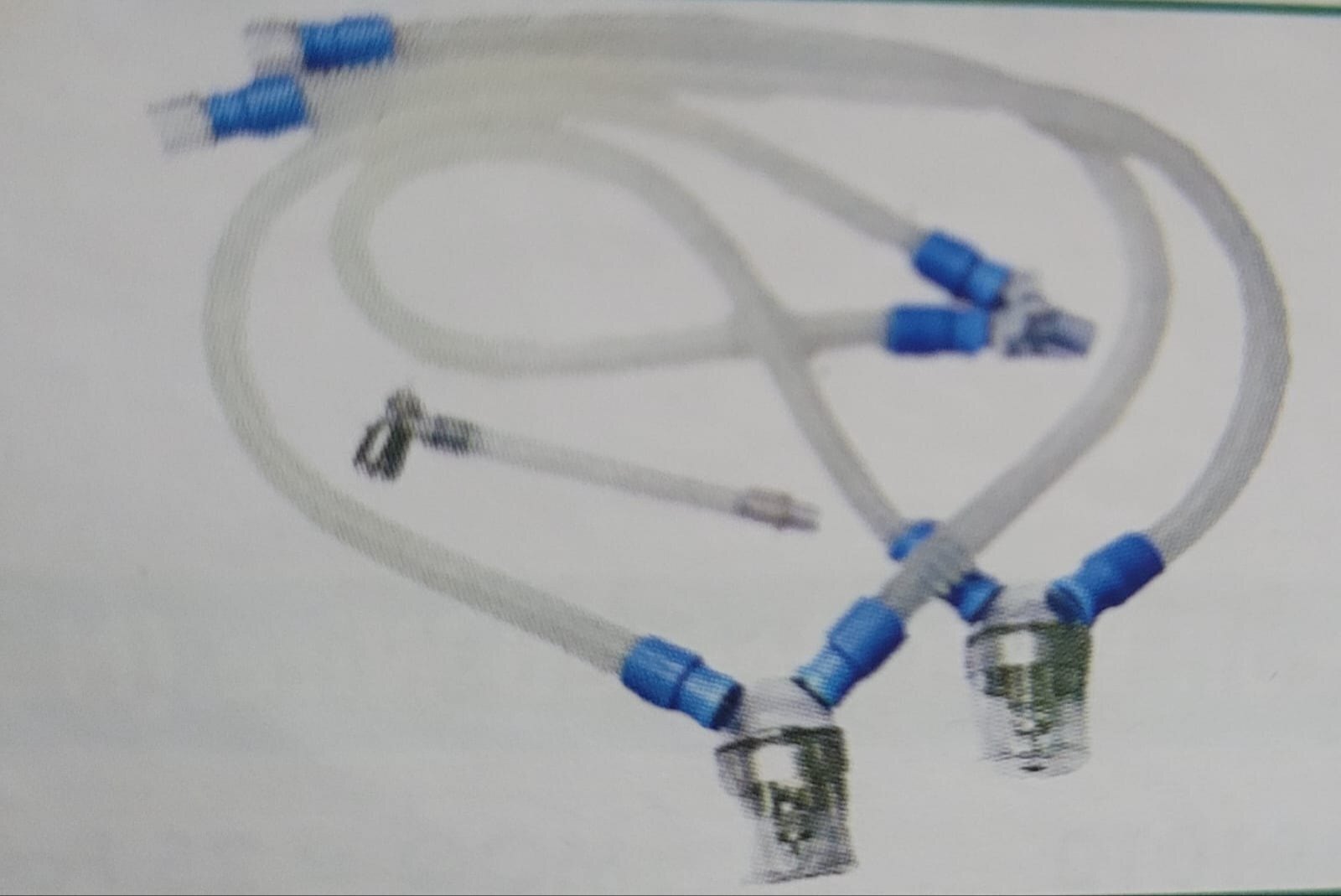
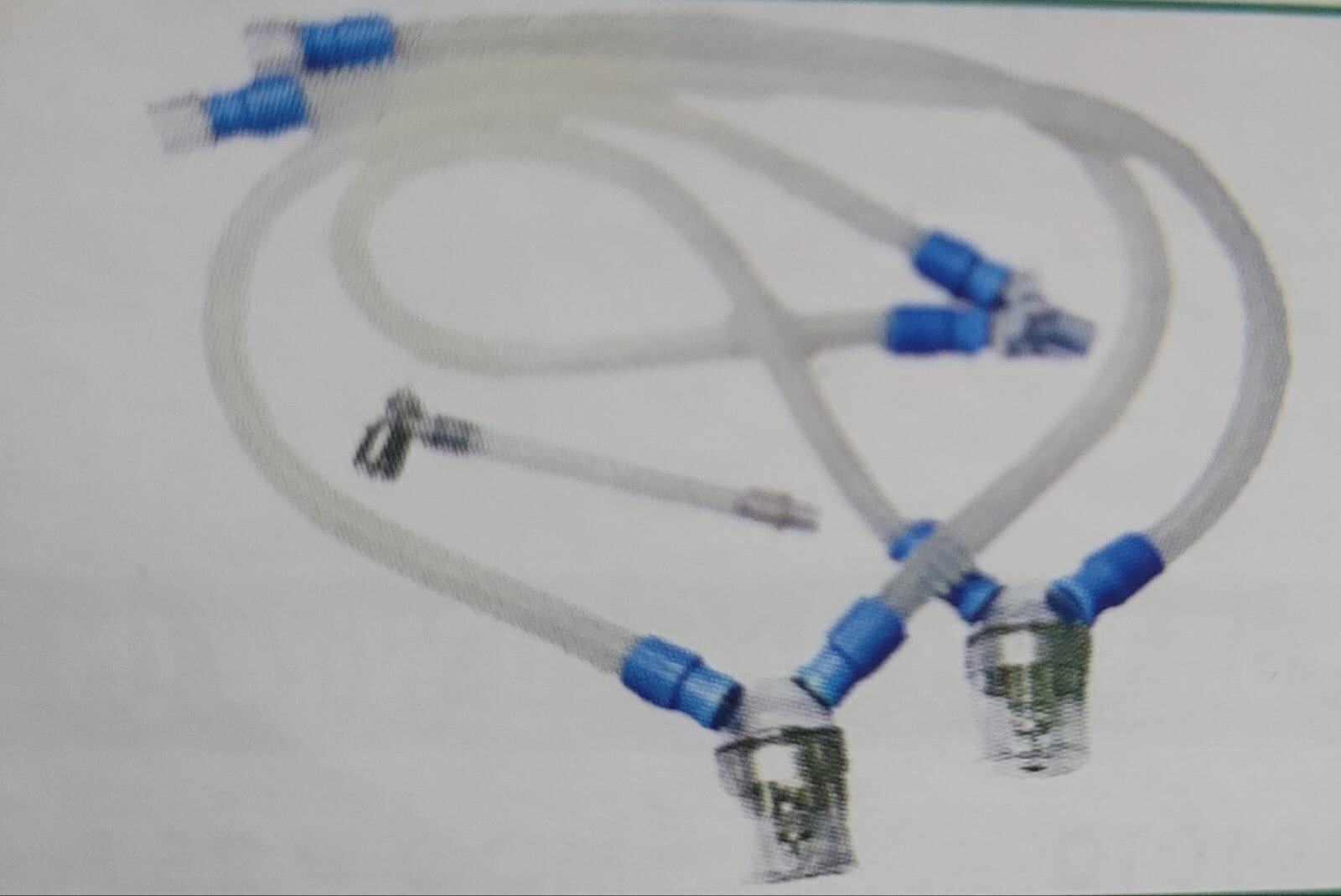
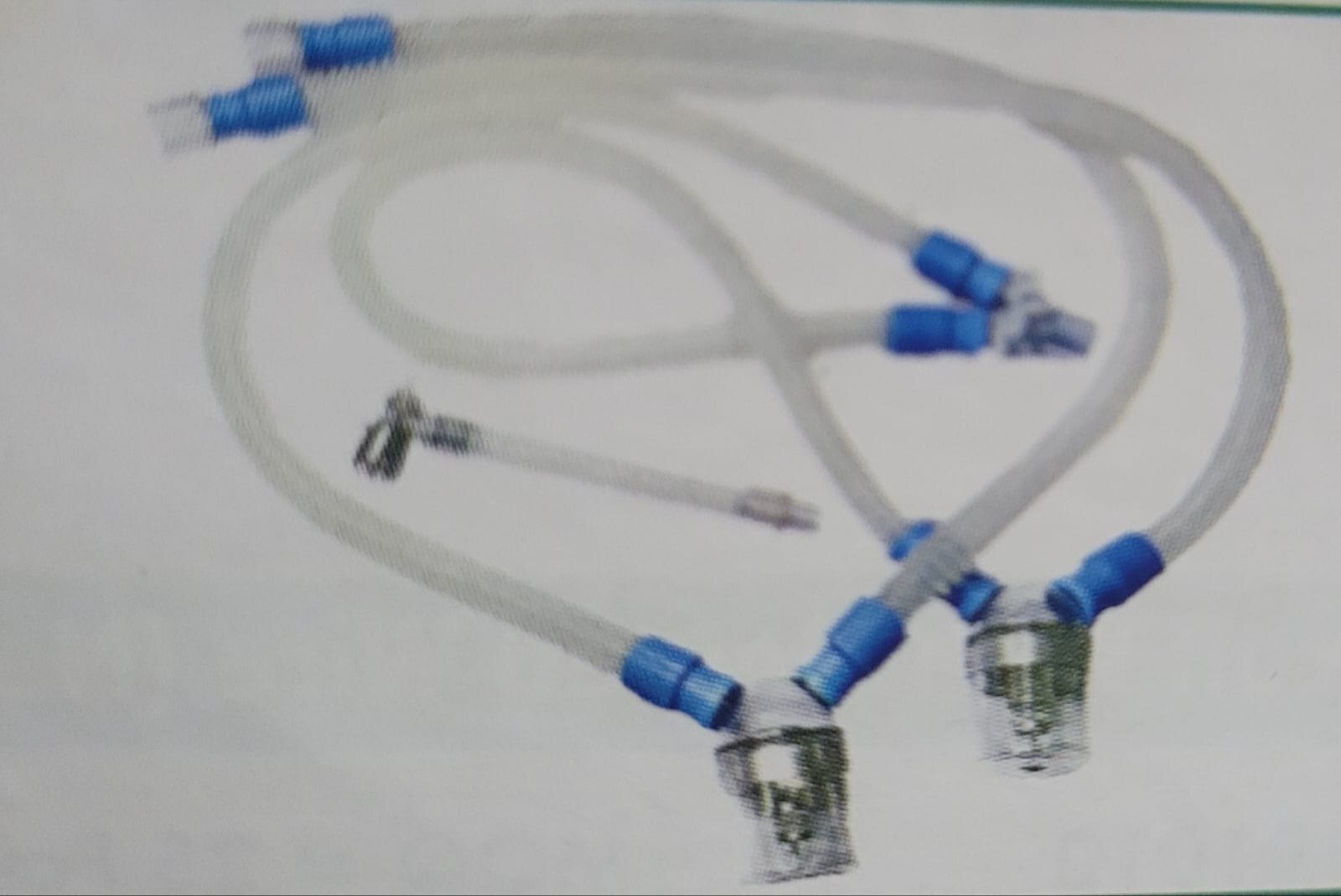
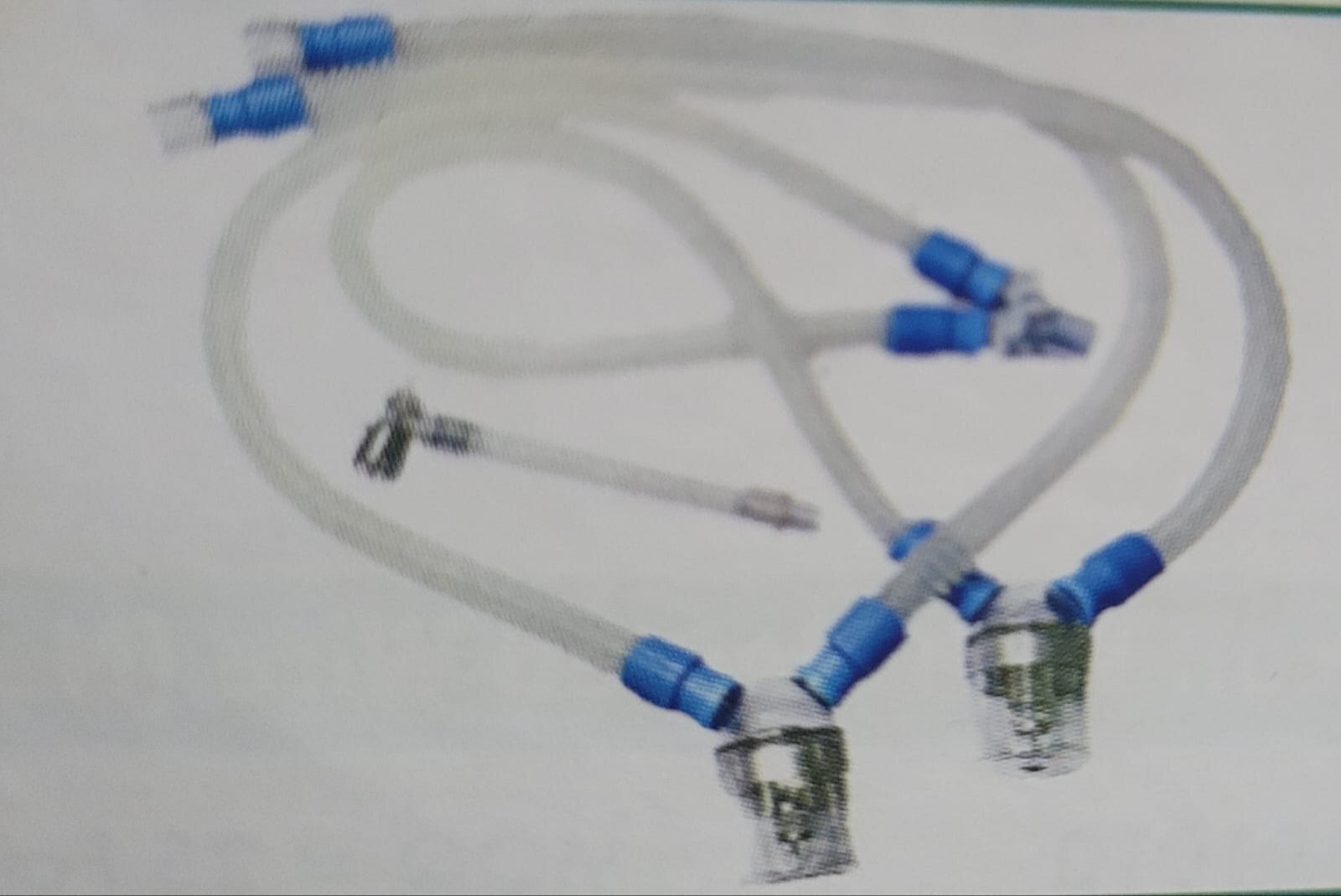
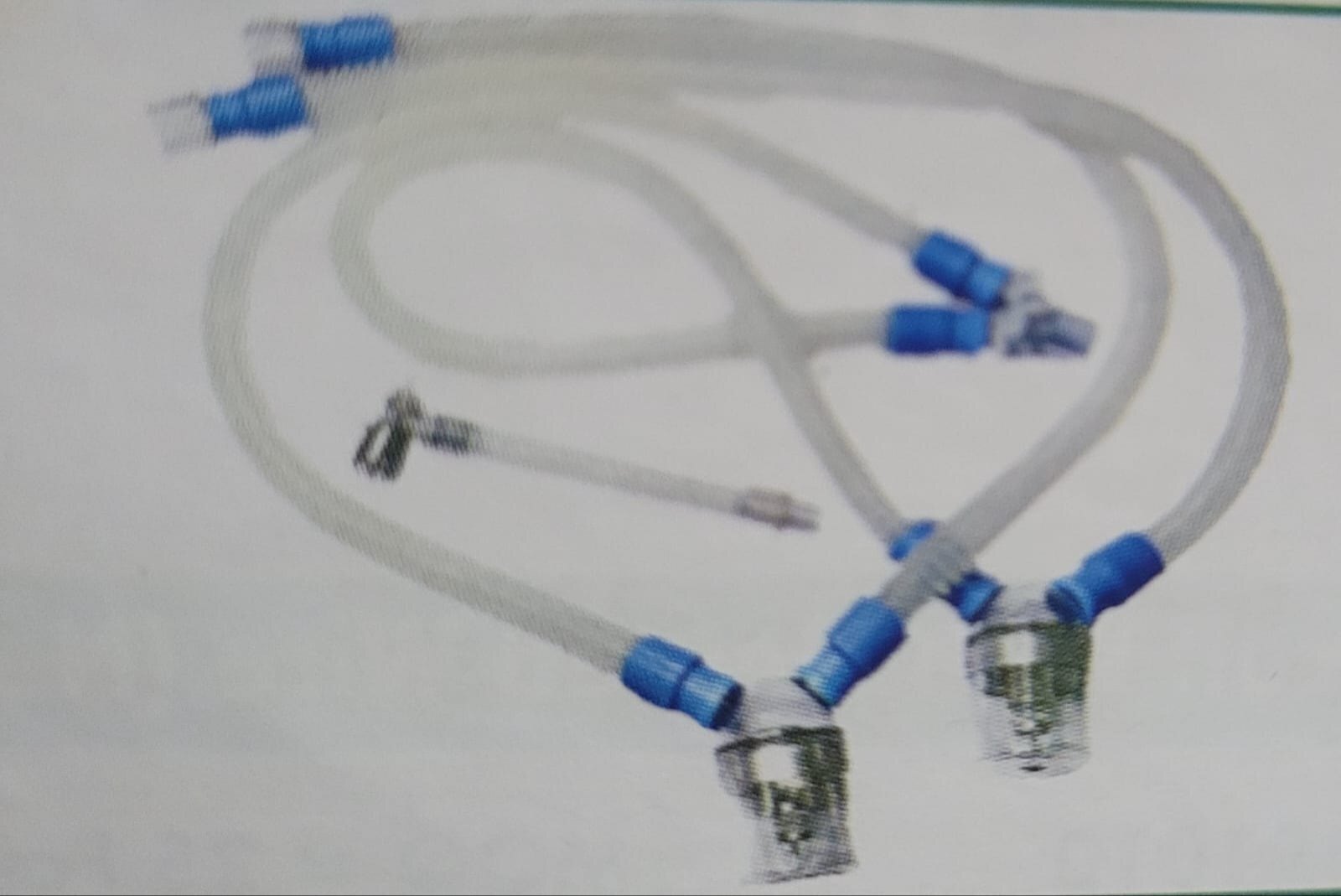

ventilator circuit with double water trap Specification
- Weight
- Approx. 220 g
- Storage Instructions
- Store in a cool, dry place away from direct sunlight
- Usage & Applications
- ICU Ventilators, Anesthesia Machines, Critical Care Equipment
- Size
- Standard Adult
- Set Contains
- 1 Ventilator Circuit with 2 Water Traps, 1 Wye Connector, 2 Patient End Connectors
- Shelf Life
- 5 Years
- Sterile
- Yes
- Disposable Type
- Single Use
- Material
- Non-toxic Medical PVC
- Style
- Flexible and Lightweight
- Disposable
- Yes
- Recyclable
- No
- Sterilized
- Yes
- Waterproof
- Yes
- Shape
- Corrugated/Double-Limb
- Length
- 1.6 m
- Width
- 22 mm (standard tubing diameter)
- Color
- Transparent
- Grade
- Medical Grade
- Patient End Connection
- 22F/15M universal connectors (ISO compliant)
- Latex Free
- Yes
- Kink Resistant
- Yes, corrugated design
- Machine End Connection
- 22M universal connector
- Packaging
- Individually packed and EO sterile sealed
- Water Traps
- Double water trap integrated for effective condensation management
- Compliance
- Conforms to ISO 5367 ventilation circuit standards
- Temperature Resistance
- Withstands standard ventilation gas temperatures
- Humidity Resistance
- Designed for both dry and humidified ventilation
- Bacterial Filter Compatible
- Yes, inline bacterial/viral filter can be attached
- Intended Patient Category
- Adult
About ventilator circuit with double water trap
A breathing circuit is those parts of a breathing apparatus (or breathing system), which direct the flow of supplied breathing gas to, and sometimes from, the user. The breathing circuit may be open, closed, or semi-closed, depending on whether breathing gas is recycled. A closed or semi-closed circuit will include components which remove carbon dioxide from the exhaled gas and add oxygen before it is delivered for inhalation, so that the mixture remains stable and suitable for supporting life. Terminology may vary slightly between fields of application. In diving and industrial rebreathers, the closed or semi-closed breathing circuit may also be called the loop, or breathing loop. In medical equipment the closed or semi-closed circuit may be called the circle system.
A medical breathing system or medical breathing circuit is a medical device used to deliver oxygen, remove carbon dioxide, and deliver inhalational anaesthetic agents to a patient. Originally developed for use in anaesthesiology, many variants of breathing system are in clinical use, but most comprise a source of fresh gas flow, a length of breathing tubing to direct the gas, an adjustable pressure limiting valve to control pressure within the system and direct waste away, and a reservoir bag to allow assisted ventilation.[1]
Efficient Condensation Management
Double integrated water traps enhance condensation collection, reducing risk of bacterial growth and ensuring uninterrupted airflow. This design maintains system integrity even during prolonged ventilation, making it ideal for ICU and anesthesia applications where moisture accumulation is common.
Universal ISO-Compliant Connections
Featuring universal 22F/15M patient end and 22M machine end connectors, this circuit is compatible with a wide range of ventilation and anesthesia equipment. It ensures a secure, leak-free connection that meets ISO 5367 standards, promoting safety across clinical environments.
Superior Safety and Sterility
These circuits are manufactured from latex-free, non-toxic medical PVC and individually EO sterilized, eliminating cross-contamination. The corrugated, kink-resistant tubing withstands both dry and humidified ventilation, ensuring reliable performance in high-demand critical care settings.
FAQ's of ventilator circuit with double water trap:
Q: How does the double water trap design benefit ventilator circuit use?
A: The double water trap efficiently collects and manages condensation within the circuit, reducing the risk of water entering the patient's airway and minimizing microbial growth. This feature ensures safe, uninterrupted ventilation, especially during extended use in humidified conditions.Q: What steps should be followed to attach this ventilator circuit to equipment?
A: Connect the 22M universal machine end connector to the ventilator or anesthesia machine, and the 22F/15M patient end connector to the patient's interface. Ensure all connections are secure and, if required, integrate an inline bacterial/viral filter for added protection.Q: When is this disposable ventilator circuit recommended for use?
A: It is intended for single-patient use in adult critical care, ICU, and anesthesia settings where sterile, reliable, and safe ventilation support is essential. The set is EO sterile sealed and should be used immediately after opening.Q: Where should the ventilator circuit with double water trap be stored?
A: Store the individually sterile-packed circuit in a cool, dry place, away from direct sunlight. Proper storage helps maintain sterility and extends the five-year shelf life before use.Q: What makes this ventilator circuit suitable for medical applications?
A: Manufactured from medical-grade, latex-free PVC, the circuit is waterproof, kink-resistant, and compatible with standard bacterial/viral filters. Its design ensures compatibility with most ICU ventilators and anesthesia machines, conforming to ISO 5367 standards for safety and performance.Q: How is the risk of cross-contamination minimized with this circuit?
A: Each ventilator circuit is single-use, individually packed, and EO sterilized to eliminate the risk of cross-contamination between patients. This design aligns with best practices in infection control within critical care environments. Get Latest Price
Tell us about your requirement

Price:
Quantity
Select Unit
- 50
- 100
- 200
- 250
- 500
- 1000+
Additional detail
Mobile number
Email


Mark Enterprises
GST : 09CGDPG2368E1ZJ
GST : 09CGDPG2368E1ZJ
56/A, Gali No-3, Jai Bharat Enclave, Sahibabad, Lajpat Nagar,Ghaziabad - 201005, Uttar Pradesh, India
Phone :08045813058

 Send Inquiry
- Breathing Circuit and Accessories
- Airway Management
- Intubation Devices And Accessories
- Tracheostomy Tube
- Endotracheal Tube
- Anaesthesia Face Mask
- CPAP And BIPAP Mask And Accessories
- HMES And HMFS Breathing Filter
- Oxygen And Nebulization Therapy Products
- Neonatal Care Products
- Gel Positioner
- Medical Grade CSSD Products
- Catheter Kit
- Suction Tube
- Besmed NICU Care Products
- Surgical Gown
- Nasal Cannula
- Urology Products
- Infusion Pump
- Prone Head Positioner With Mirror
- Cautery Pencil
- Pulse Oximeter
- Nebulizer Machine
- Foley Catheter
- Oxygen Flow Meter
- Strile Spiral Extension Line
- Yankauer Suction Set
- CPAP System
- AIRWAY TUBE
- AMBU BEG
 Send Inquiry
 Send SMS
Mark Enterprises
All Rights Reserved.(Terms of Use)
Developed and Managed by Infocom Network Private Limited.
Developed and Managed by Infocom Network Private Limited.

