

Call us now
08045813058
OPTHOLMOSCOPE INSTRUMENT
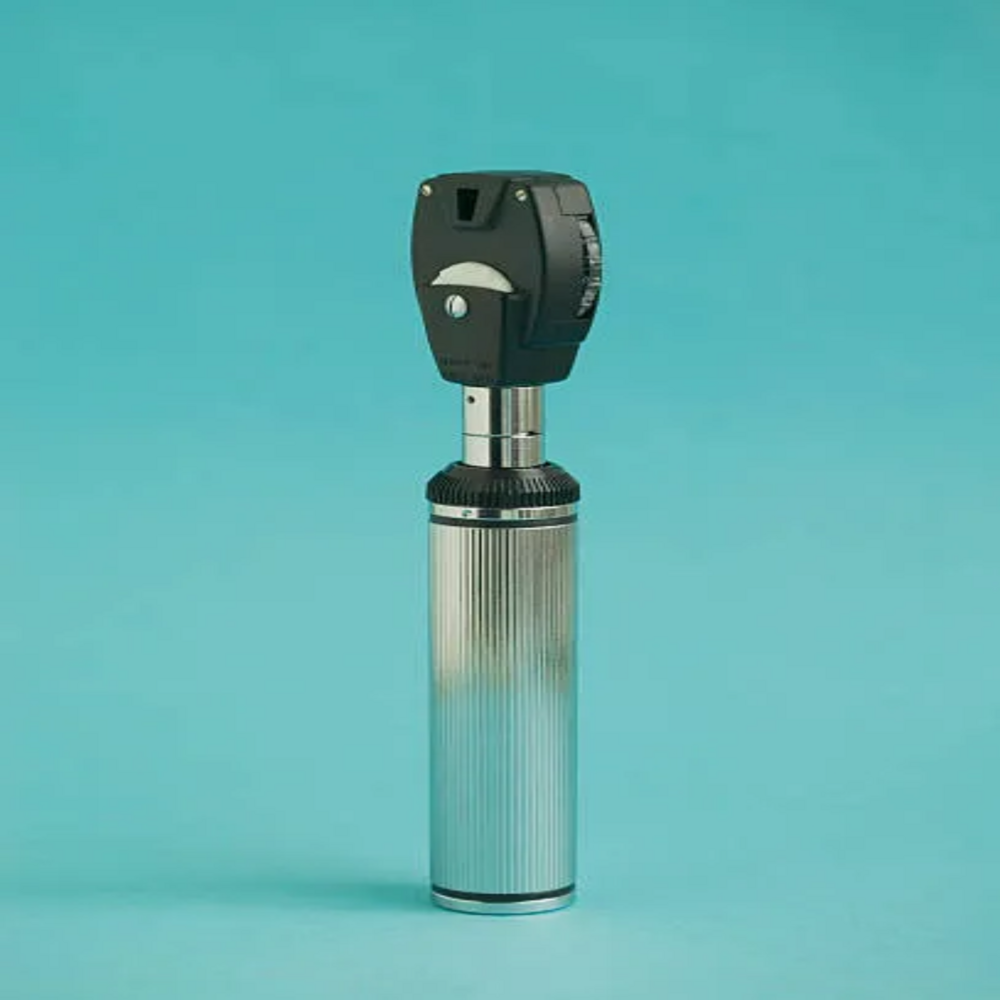
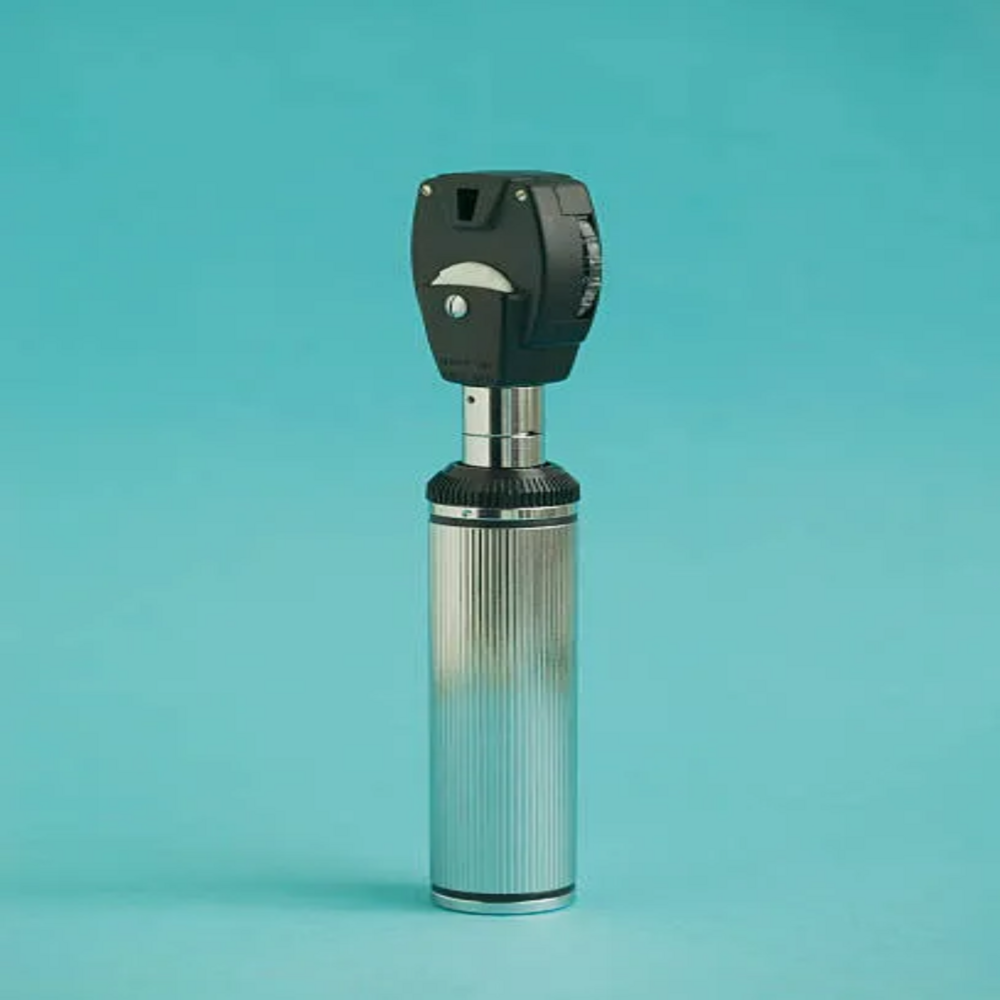
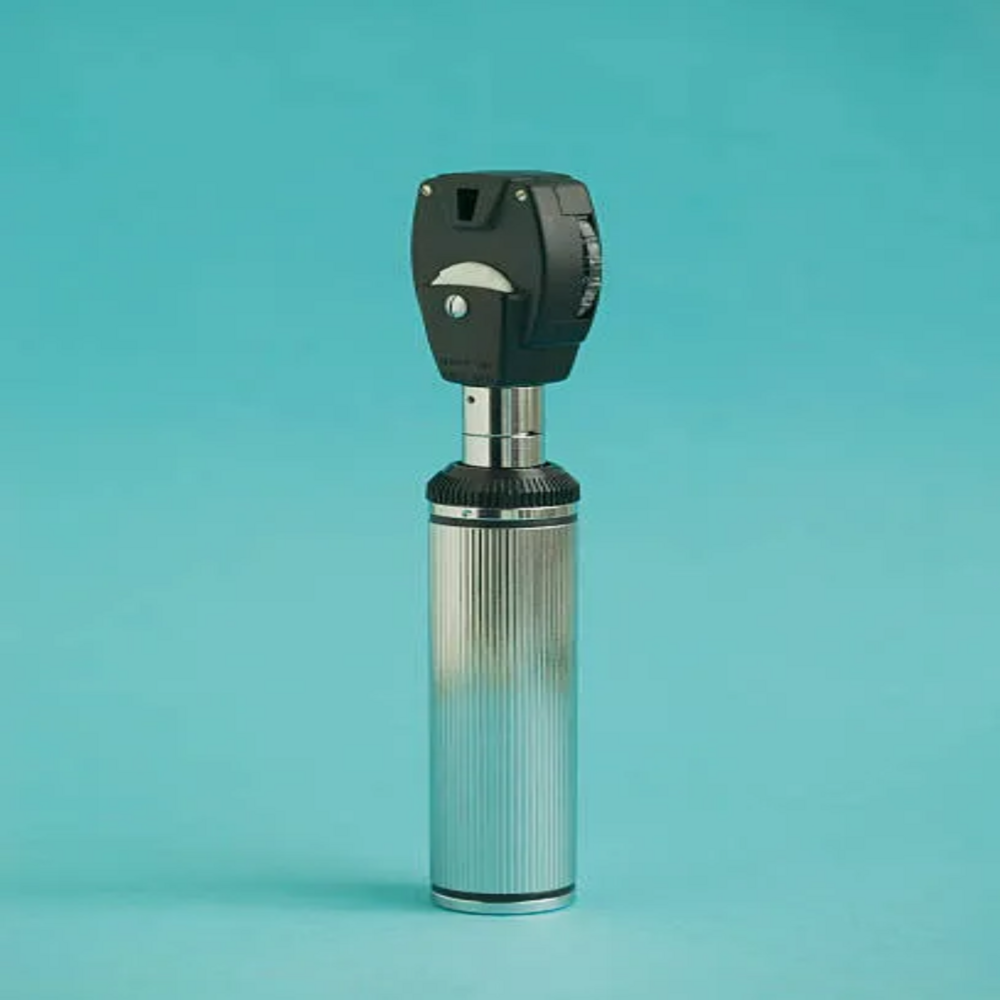

OPTHOLMOSCOPE INSTRUMENT Specification
- Display Type
- Optical viewfinder
- Shelf Life
- 10 years (instrument) excluding bulbs and batteries
- Storage Instructions
- Store in a dry, dust-free environment
- Instruments Type
- Eye diagnostic instrument
- Usage Type
- Clinical/Diagnostic
- Measurement Range
- Suitable for both fundus and anterior eye examination
- Function
- Visualizes retina and optic nerve
- Features
- Adjustable focus, multiple aperture settings, robust build
- Accuracy
- High (designed for professional use)
- Equipment Type
- Ophthalmoscope Instrument
- Material
- Durable plastic and metal combination
- Condition
- New
- Technology
- Halogen bulb illumination
- Portable
- Yes
- Wall Mounted
- No
- Magnification Power
- 6x
- Real-Time Operation
- Yes
- Noise Level
- Silent/No noise
- Operating Type
- Handheld
- Use
- Eye examination
- Power Source
- 2x AA batteries
- Power Consumption
- Low (based on bulb and battery operation)
- Voltage
- 3V
- Dimension (L*W*H)
- 175mm x 50mm x 30mm
- Weight
- Approx. 200g
- Color
- Black body, chrome finish
- Aperture Settings
- Small, medium, large spot; fixation pinhole; red-free filter
- Lens Wheel Diopter Range
- +20D to -20D
- Bulb Replacement
- User-replaceable
- Intended Users
- Ophthalmologists, medical practitioners, optometrists
- Handle Type
- Knurled, anti-slip
- Accessories
- Spare bulb, instruction manual
- Manufacturer Warranty
- 1 year against manufacturing defects
- Relative Humidity
- Up to 90% non-condensing
- Light Source
- Halogen or LED (model dependent)
- Operating Temperature
- 0°C to 45°C
- Battery Life
- Approximately 30 hours continuous use
- Focus Adjustment
- Yes, provided
- Case Included
- Protective storage case
About OPTHOLMOSCOPE INSTRUMENT
Ophthalmoscope descriptionAn ophthalmoscope is an instrument used to inspect the interior of the eye, allowing healthcare professionals to examine the retina, optic nerve, vasculature, and vitreous humor. The device consists of a strong light source and a small mirror or prism that directs the light into the eye. The reflected light passes through a small hole in the ophthalmoscope, providing a non-stereoscopic, magnified image of the eyes internal structures.
Key Components- Strong light source
- Small mirror or prism to direct light into the eye
- Small hole for reflected light to pass through
- Magnifying lenses (up to 15 times magnification)
- Direct Ophthalmoscope: A handheld instrument, similar to a small flashlight, with several lenses that provide magnification up to 15 times. It is commonly used during routine physical examinations.
- Indirect Ophthalmoscope: An instrument with a light attached to a headband and a small handheld lens. It provides a wider view of the eyes interior and is particularly useful for examining the fundus of the eye, even if the lens is clouded by cataracts.
- Position the patient in a darkened room.
- Hold the ophthalmoscope directly at the level of the patients eye.
- Turn on the ophthalmoscope and set the light to the correct aperture.
- Examine the patients right eye by holding the ophthalmoscope in your right hand and using your right eye to look through the instrument.
The ophthalmoscope is a valuable tool for:
- Screening for various ocular diseases, such as diabetic retinopathy.
- Assessing retinal vascular disease and choroidal vessel abnormalities.
- Investigating fixation and eccentric fixation.
- Diagnosing ocular oscillations and other eye movement disorders.
Overall, the ophthalmoscope is an essential instrument for healthcare professionals to examine the interior of the eye and diagnose various eye conditions.
Versatile and Reliable Eye Examination Tool
Engineered for clinical and diagnostic use, this ophthalmoscope adapts to varying examination needs with adjustable focus, a comprehensive aperture range, and real-time optical performance. Its robust structure combines quality metals and plastics, maintaining portability and comfort during extended use in hospitals or clinics.
Professional-Grade Features for Accurate Diagnostics
Benefit from a precise lens wheel offering +20D to -20D diopters, a high 6x magnification, and halogen/LED illumination for optimal visualization. The ophthalmoscope ensures high diagnostic accuracy, serving both fundus and anterior eye assessments while maintaining silent operation and a lengthy battery life.
Ease of Use and Maintenance
The handheld design, knurled anti-slip handle, user-replaceable bulb, and included protective case make daily operation and upkeep simple. Replacing bulbs and batteries is straightforward, and accessories like a spare bulb and instruction manual add practical value for busy clinics or mobile practitioners.
FAQ's of OPTHOLMOSCOPE INSTRUMENT:
Q: How do I select the appropriate aperture setting on this ophthalmoscope?
A: Turn the aperture selector knob to choose from small, medium, or large spot, fixation pinhole, or red-free filter options. Select the aperture based on your specific examination needs and patient's eye condition.Q: What is the process to replace the light bulb in the ophthalmoscope?
A: To replace the bulb, unscrew the head from the handle, gently remove the old bulb, and insert the user-replaceable spare bulb provided. Refer to the instruction manual for detailed guidance.Q: When should the batteries be changed for optimal performance?
A: Change the 2x AA batteries once the light output dims, or after approximately 30 hours of continuous use. Always use fresh batteries to ensure consistent illumination during examinations.Q: Where is the best environment to store the ophthalmoscope?
A: Store the device in the included protective case in a dry, dust-free environment, away from direct sunlight and extreme temperatures to prolong its lifespan and preserve functionality.Q: What are the main benefits for ophthalmologists using this instrument?
A: This ophthalmoscope offers high magnification, adjustable focus, multiple aperture settings, user-friendly maintenance, and portability-making it ideal for comprehensive eye exams and accurate diagnostics in various clinical settings.Q: How is the focus adjustment operated during an examination?
A: The focus is adjusted by rotating the lens wheel, allowing you to fine-tune the clarity according to the patient's refractive error or examination requirements, covering a diopter range from +20D to -20D.Q: What should I do if the instrument is not functioning properly within the warranty period?
A: Contact your supplier or authorized service center in India for assistance. The device is covered by a one-year warranty against manufacturing defects, ensuring you receive prompt support and service if needed. Get Latest Price
Tell us about your requirement

Price:
Quantity
Select Unit
- 50
- 100
- 200
- 250
- 500
- 1000+
Additional detail
Mobile number
Email

More Products in Intubation Devices And Accessories Category
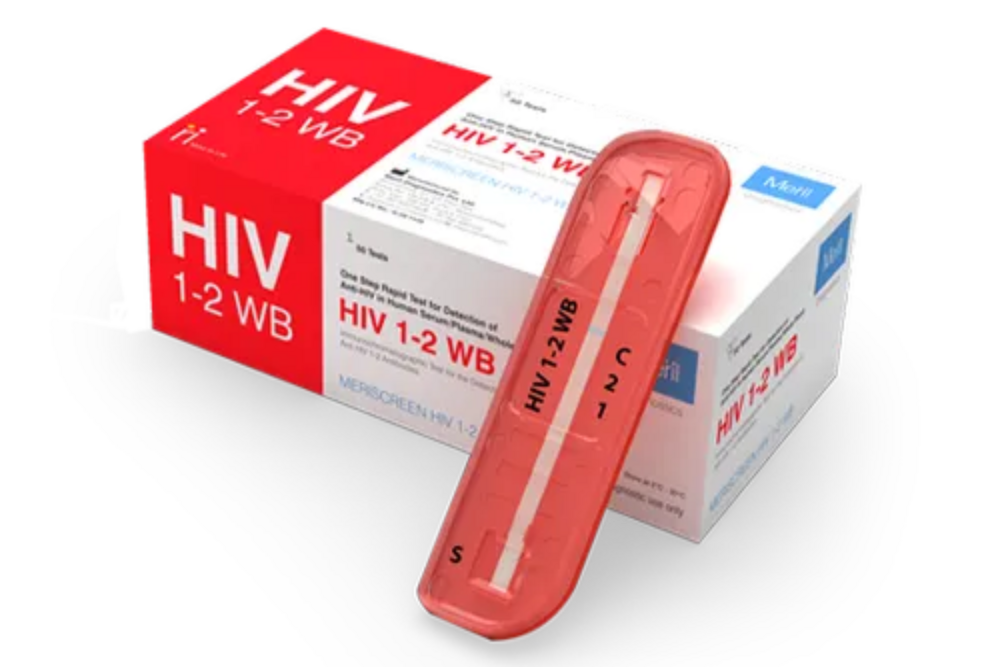
MERIL HIV RAPID TEST CRAD
Price 1950 INR / Piece
Minimum Order Quantity : 10 Pieces
Condition : New
Color : White Cassette
Material : Other, Plastic Cassette, Test Strip
Use : Detection of HIV 1/2 Antibodies
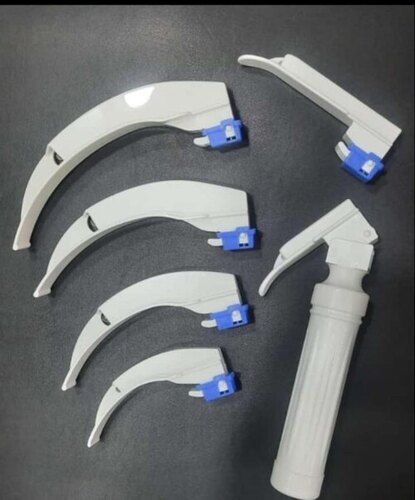
Conventional Straight Blade With Curved Tip MRI COMPATIBLE LARENGOSCOP
Price 3750 INR / Piece
Minimum Order Quantity : 10 Pieces
Condition : New
Color : Silver/Metallic
Material : Other, Nonmagnetic Stainless Steel (MRI Compatible)
Use : Endotracheal Intubation/Medical Examination

JMITRA HIV HBSAG HCV COMBI PACK RAPID TEST CARDS
Price 14000 INR / Piece
Minimum Order Quantity : 10 Pieces
Condition : New
Color : White (card), Multicolored labeling
Material : Other, Plastic, Highquality Membrane and Reagents
Use : Qualitative detection of HIV, HBsAg & HCV in human serum/plasma/whole blood
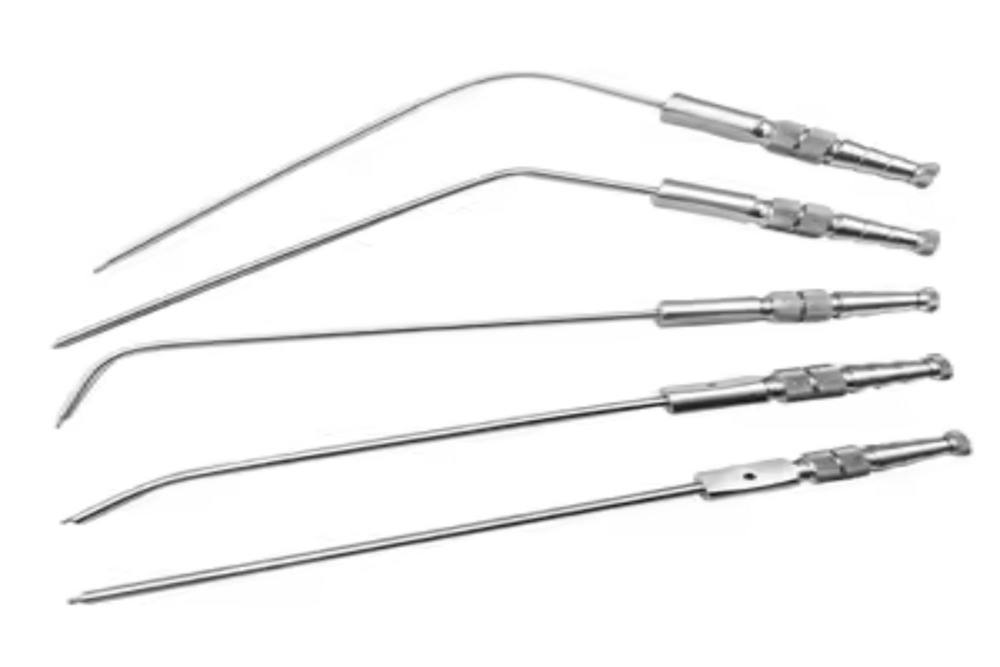
Reusable Suction Tube for Nose
Price 1550 INR / Piece
Minimum Order Quantity : 10 Pieces
Condition : New
Color : Silver
Material : Other, Highquality medical grade stainless steel
Use : Hospital, Clinic, Personal Care

Mark Enterprises
GST : 09CGDPG2368E1ZJ
GST : 09CGDPG2368E1ZJ
56/A, Gali No-3, Jai Bharat Enclave, Sahibabad, Lajpat Nagar,Ghaziabad - 201005, Uttar Pradesh, India
Phone :08045813058

 Send Inquiry
- Breathing Circuit and Accessories
- Airway Management
- Intubation Devices And Accessories
- Tracheostomy Tube
- Endotracheal Tube
- Anaesthesia Face Mask
- CPAP And BIPAP Mask And Accessories
- HMES And HMFS Breathing Filter
- Oxygen And Nebulization Therapy Products
- Neonatal Care Products
- Gel Positioner
- Medical Grade CSSD Products
- Catheter Kit
- Suction Tube
- Besmed NICU Care Products
- Surgical Gown
- Nasal Cannula
- Urology Products
- Infusion Pump
- Prone Head Positioner With Mirror
- Cautery Pencil
- Pulse Oximeter
- Nebulizer Machine
- Foley Catheter
- Oxygen Flow Meter
- Strile Spiral Extension Line
- Yankauer Suction Set
- CPAP System
- AIRWAY TUBE
- AMBU BEG
 Send Inquiry
 Send SMS
Mark Enterprises
All Rights Reserved.(Terms of Use)
Developed and Managed by Infocom Network Private Limited.
Developed and Managed by Infocom Network Private Limited.

