

Call us now
08045813058
Curved Medical Fiber Optic Laryngoscope
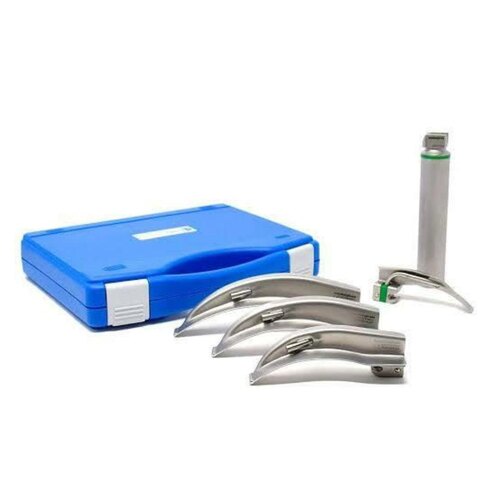
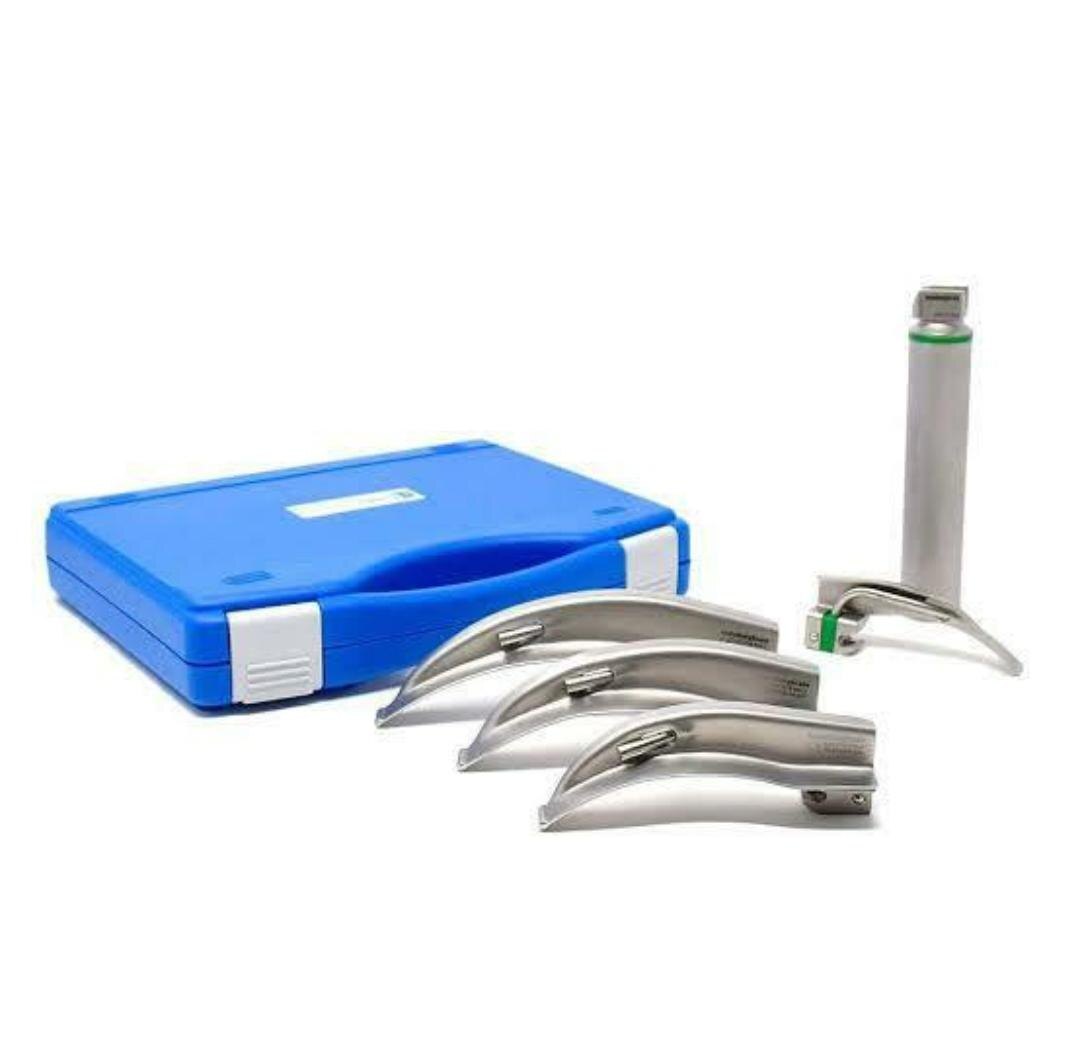
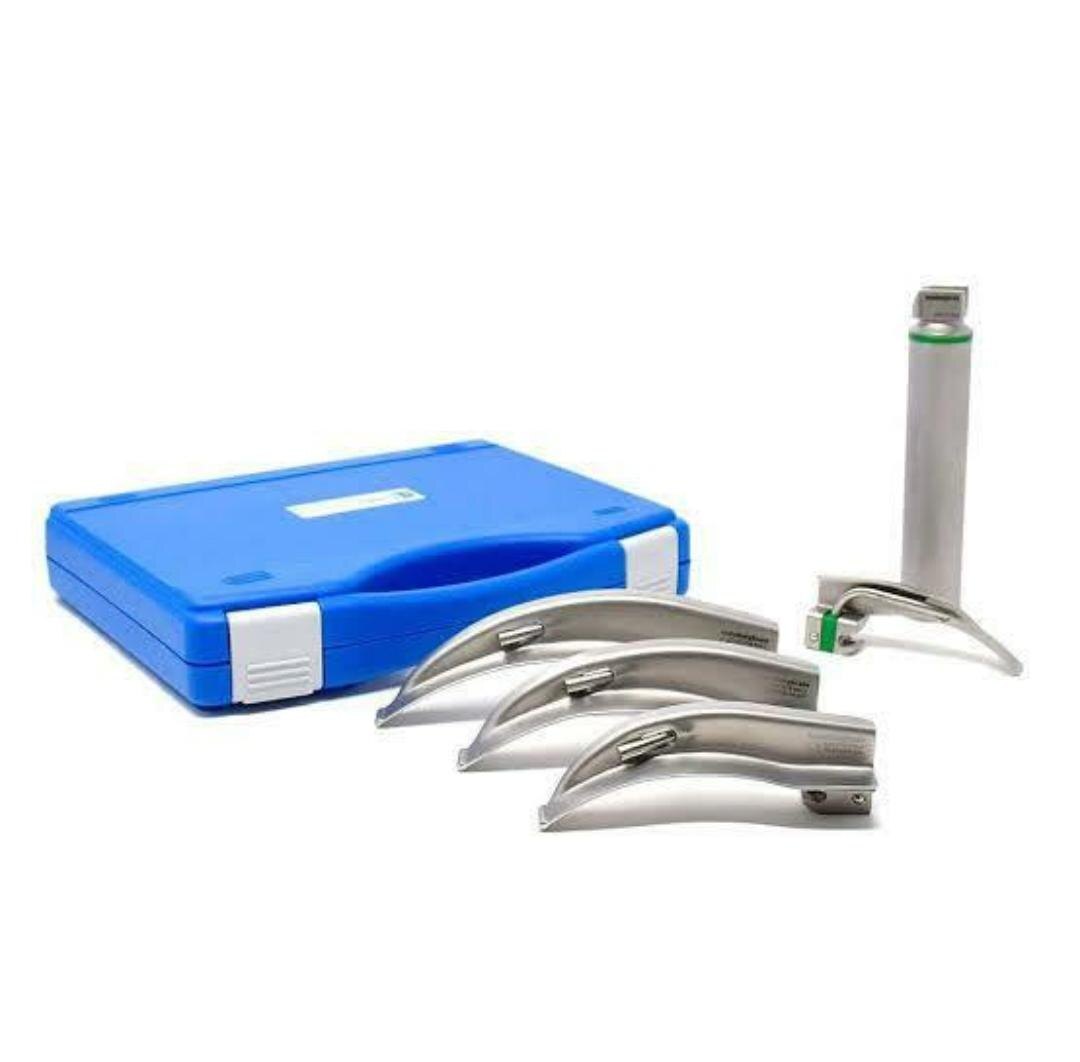

Curved Medical Fiber Optic Laryngoscope Specification
- Usage Type
- Reusable (Blade and Handle) / Single Use (Optional)
- Accuracy
- High visual clarity and illumination
- Function
- Visualization of larynx and vocal cords during intubation
- Features
- Detachable blade, strong illumination, ergonomic handle, corrosion resistant
- Shelf Life
- 5 Years (approx.)
- Storage Instructions
- Keep dry and store in a clean environment
- Instruments Type
- Surgical / Medical Device
- Equipment Type
- Curved Medical Fiber Optic Laryngoscope
- Material
- Stainless Steel and Plastic
- Condition
- New
- Technology
- Fiber Optic Illumination
- Portable
- Yes
- Wall Mounted
- No
- Real-Time Operation
- Yes
- Noise Level
- Silent
- Operating Type
- Manual
- Use
- Endotracheal Intubation, Airway Management
- Power Source
- Battery Operated
- Power Consumption
- Low
- Voltage
- Standard Battery Voltage (2.5V / 3.5V)
- Dimension (L*W*H)
- Blade length ~120-150 mm (Varies by size)
- Weight
- Lightweight (Approx. 200-400 g)
- Color
- Silver and Green (Handle) / Transparent Blade
- Sterilization Method
- Autoclave, ETO, or chemical disinfection
- Light Source
- Fiber optic, removable bulb or integrated LED
- Compliance
- ISO 7376, CE Marked
- Compatible Batteries
- AA or C cell (varies by handle size)
- Handle Type
- Knurled, slip-resistant, battery compartment inside
- Intended User
- Anesthesiologists, Medical Professionals
- Blade Type
- Curved Macintosh type
- Blade Sizes Available
- 0, 1, 2, 3, 4 (Neonatal to Adult)
- Autoclavable
- Yes (Blade)
About Curved Medical Fiber Optic Laryngoscope
Types of LaryngoscopyThere are several ways your doctor may do this procedure:
Indirect laryngoscopy.This is the simplest form. Your doctor uses a small mirror and a light to look into your throat. The mirror is on a long handle, like the kind a dentist often uses, and itis placed against the roof of yourmouth.
The doctor shines a light into yourmouthto see the image in the mirror. It can be done in a doctoris office in just 5 to 10 minutes.
Youill sit in a chair while the exam is done. Your doctor might spray something into your throat to make it numb. Having something stuck in your throat might make you gag, however.
SUGGESTEDContinuedDirect fiber-optic laryngoscopy.Many doctors now do this kind, sometimes called flexible laryngoscopy. They usea small telescope at the end of a cable, which goes up your nose and down into your throat.
It takes less than 10 minutes. Youill get a numbingmedicationfor your nose. Sometimes adecongestantis used to open your nasal passages as well. Gagging is a common reaction with this procedure as well.
ContinuedDirect laryngoscopy.This is the most involved type. Your doctor uses a laryngoscope to push down yourtongueand lift up the epiglottis. Thatis the flap of cartilage that covers your windpipe. It opens during breathing and closes during swallowing.
Your doctor can do this to remove small growths or samples of tissue for testing. They can also use this procedure to insert a tube into the windpipe to help someone breathe during an emergency or in surgery.
Direct laryngoscopy can take up to 45 minutes. Youill be given whatis called general anesthesia, so that you will not be awake during the procedure. Your doctor can take out any growths in your throat or take a sample of something that might need to be checked more closely.
Precision and Adaptability in Airway Management
With blade sizes ranging from neonatal to adult, this laryngoscope provides versatile airway visualization for all patient groups. The curved Macintosh blade ensures effective exposure of the vocal cords, while the fiber optic illumination enhances visibility even in challenging situations. The device's ergonomic, slip-resistant handle allows for a secure grip during critical procedures.
Robust Construction with Enhanced Safety
Manufactured from corrosion-resistant stainless steel and durable plastic, this laryngoscope is both reliable and autoclavable, ensuring sterility between uses. It offers strong, uniform illumination via fiber optic or LED sources, improving procedural accuracy and patient safety. The device adheres to stringent international standards, with CE Marking and ISO 7376 compliance, guaranteeing clinical reliability.
Efficient Usage and Flexible Sterilization Options
Designed for repeated clinical use, the blade and handle are reusable and easy to clean. Choose sterilization via autoclave, ETO, or chemical disinfection based on local protocols. Battery-powered operation, with low energy consumption, ensures readiness for rapid deployment. The device's lightweight build and portable design make it suitable for hospitals, clinics, and emergency scenarios.
FAQ's of Curved Medical Fiber Optic Laryngoscope:
Q: How should the Curved Medical Fiber Optic Laryngoscope be sterilized after use?
A: The blade of the laryngoscope can be sterilized using an autoclave, ETO (ethylene oxide), or chemical disinfection. Always follow your healthcare facility's recommended protocols to maintain device hygiene and performance.Q: What are the available blade sizes, and how do I select the right one for my patient?
A: Blade sizes 0 to 4 are provided, covering neonatal to adult patients. Select the size based on the patient's age, anatomy, and intended clinical application to ensure optimal visualization and intubation success.Q: When should I use the integrated LED versus a removable bulb for illumination?
A: Use the integrated LED for maintenance-free operation and consistent illumination. The removable bulb option is beneficial when flexibility or replacement during long procedures is desired. Both options deliver bright, focused light for superior visualization.Q: Where can this laryngoscope be used?
A: This laryngoscope is designed for use in hospitals, clinics, ambulances, and emergency settings. Its portable, battery-operated design enables reliable airway management in a variety of clinical environments.Q: What is the process for replacing the batteries, and what type should I use?
A: Open the slip-resistant, knurled handle to access the battery compartment. Depending on the handle size, insert AA or C cell batteries as specified. Ensure the batteries are inserted according to the marked polarity for optimal performance.Q: What benefits does the fiber optic illumination provide during intubation?
A: Fiber optic illumination ensures strong, shadow-free light transmission to the blade tip, greatly enhancing visibility of the larynx and vocal cords. This improves accuracy and safety during endotracheal intubation.Q: How can I ensure the equipment remains in good condition between uses?
A: To prolong the device's shelf life and maintain performance, keep the laryngoscope dry and store it in a clean environment. Regularly inspect all parts for wear or damage, and always sterilize after each use. Get Latest Price
Tell us about your requirement

Price:
Quantity
Select Unit
- 50
- 100
- 200
- 250
- 500
- 1000+
Additional detail
Mobile number
Email

More Products in Intubation Devices And Accessories Category
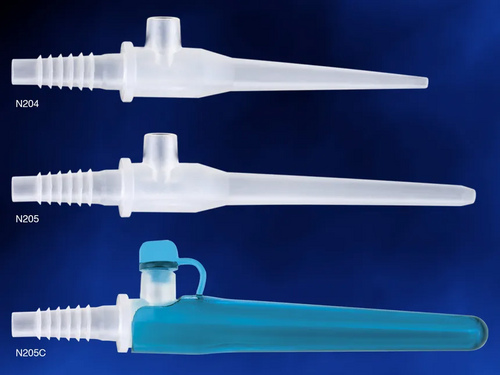
LITTLE SUKER
Price 1950 INR / Piece
Minimum Order Quantity : 10 Pieces
Material : Other, Plastic and Metal
Condition : New
Use : Medical Suction Application
Dimension (L*W*H) : 36 x 27 x 21 cm
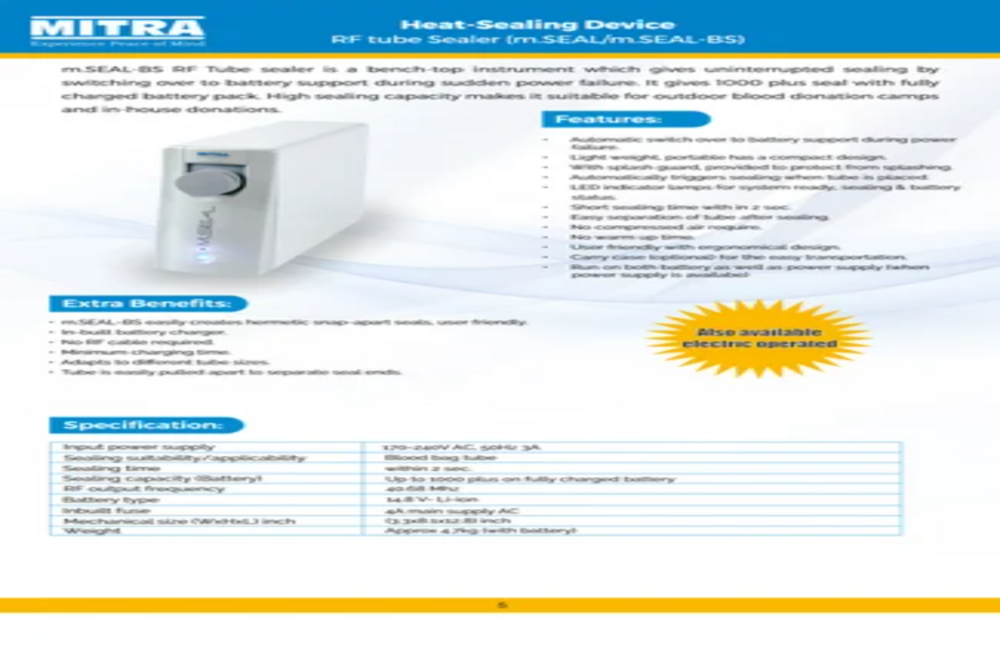
MITRA BLOOD BAG TUBE SEALER
Price 100000 INR / Piece
Minimum Order Quantity : 10 Pieces
Material : Other, ABS Plastic, Stainless Steel (electrodes)
Condition : New
Use : Blood bag tube sealing in blood banks and hospitals
Dimension (L*W*H) : 220 x 153 x 160 mm
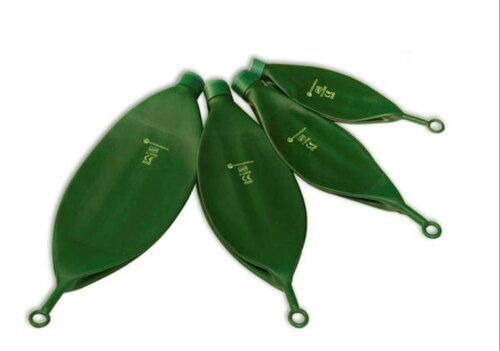
Green Alterna Reservoir Bages
Price 2850 INR / Piece
Minimum Order Quantity : 10 Pieces
Material : Other, Ecofriendly Polymer
Condition : New
Use : Medical, Laboratory, Industrial
Dimension (L*W*H) : Standard: 2L capacity size
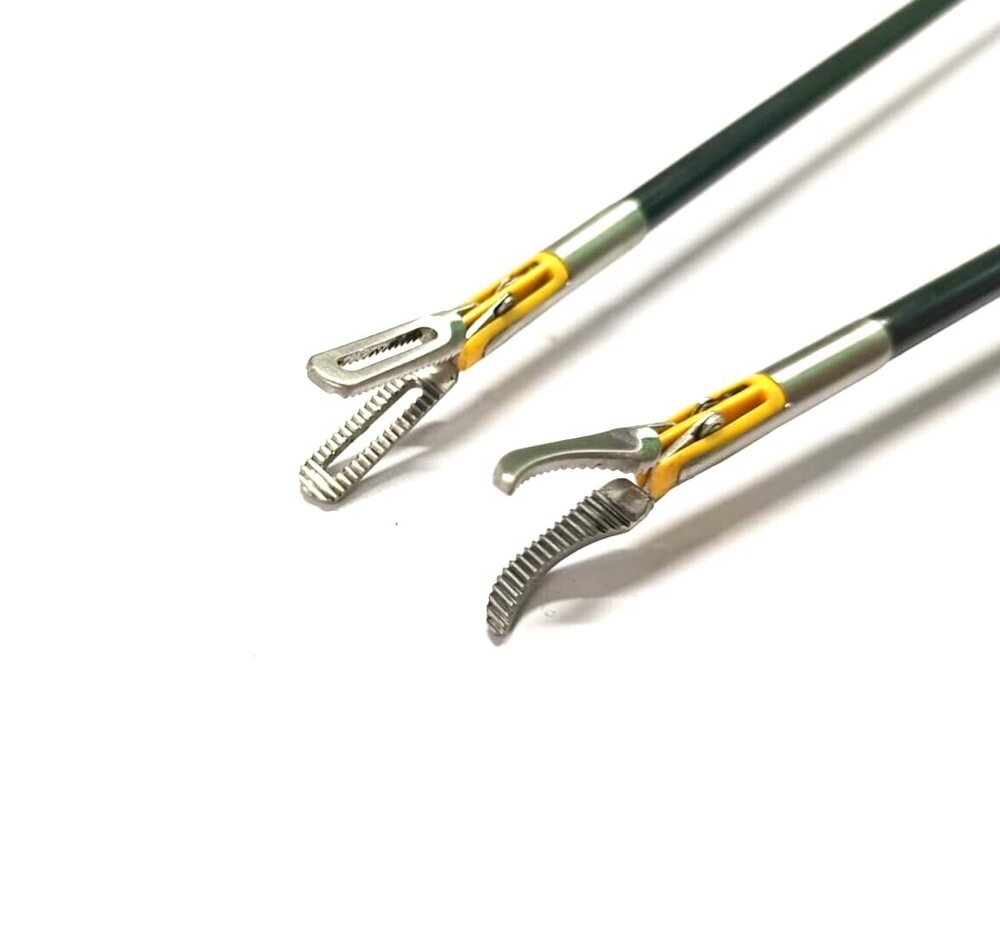
MARRYLAND FENESTRATED TIP
Price 1650 INR / Piece
Minimum Order Quantity : 10 Pieces
Material : Other, Stainless Steel
Condition : New
Use : Surgical procedures, especially for tissue retraction or manipulation
Dimension (L*W*H) : Custom/Standard sizes available

Mark Enterprises
GST : 09CGDPG2368E1ZJ
GST : 09CGDPG2368E1ZJ
56/A, Gali No-3, Jai Bharat Enclave, Sahibabad, Lajpat Nagar,Ghaziabad - 201005, Uttar Pradesh, India
Phone :08045813058

 Send Inquiry
- Breathing Circuit and Accessories
- Airway Management
- Intubation Devices And Accessories
- Tracheostomy Tube
- Endotracheal Tube
- Anaesthesia Face Mask
- CPAP And BIPAP Mask And Accessories
- HMES And HMFS Breathing Filter
- Oxygen And Nebulization Therapy Products
- Neonatal Care Products
- Gel Positioner
- Medical Grade CSSD Products
- Catheter Kit
- Suction Tube
- Besmed NICU Care Products
- Surgical Gown
- Nasal Cannula
- Urology Products
- Infusion Pump
- Prone Head Positioner With Mirror
- Cautery Pencil
- Pulse Oximeter
- Nebulizer Machine
- Foley Catheter
- Oxygen Flow Meter
- Strile Spiral Extension Line
- Yankauer Suction Set
- CPAP System
- AIRWAY TUBE
- AMBU BEG
 Send Inquiry
 Send SMS
 Call Me Free
Mark Enterprises
All Rights Reserved.(Terms of Use)
Developed and Managed by Infocom Network Private Limited.
Developed and Managed by Infocom Network Private Limited.

