

Call us now
08045813058
LORANGEAL MIRROR
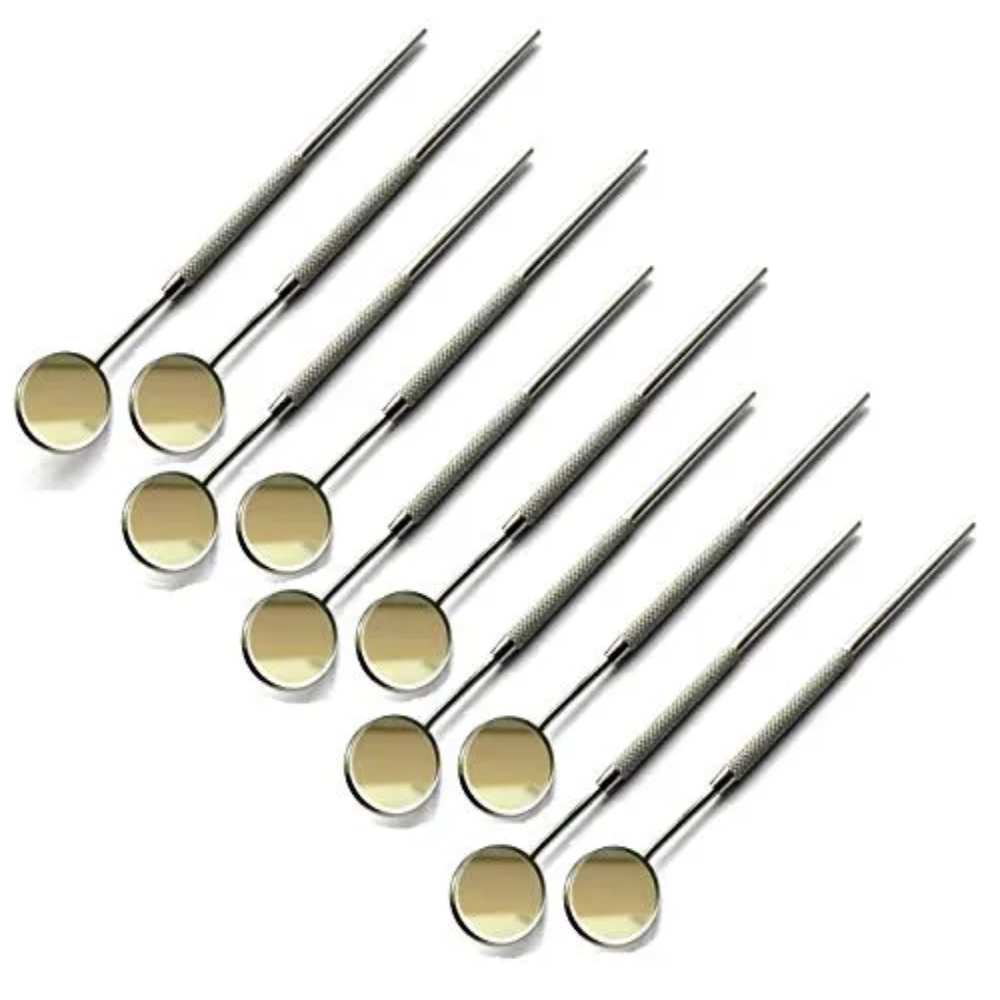
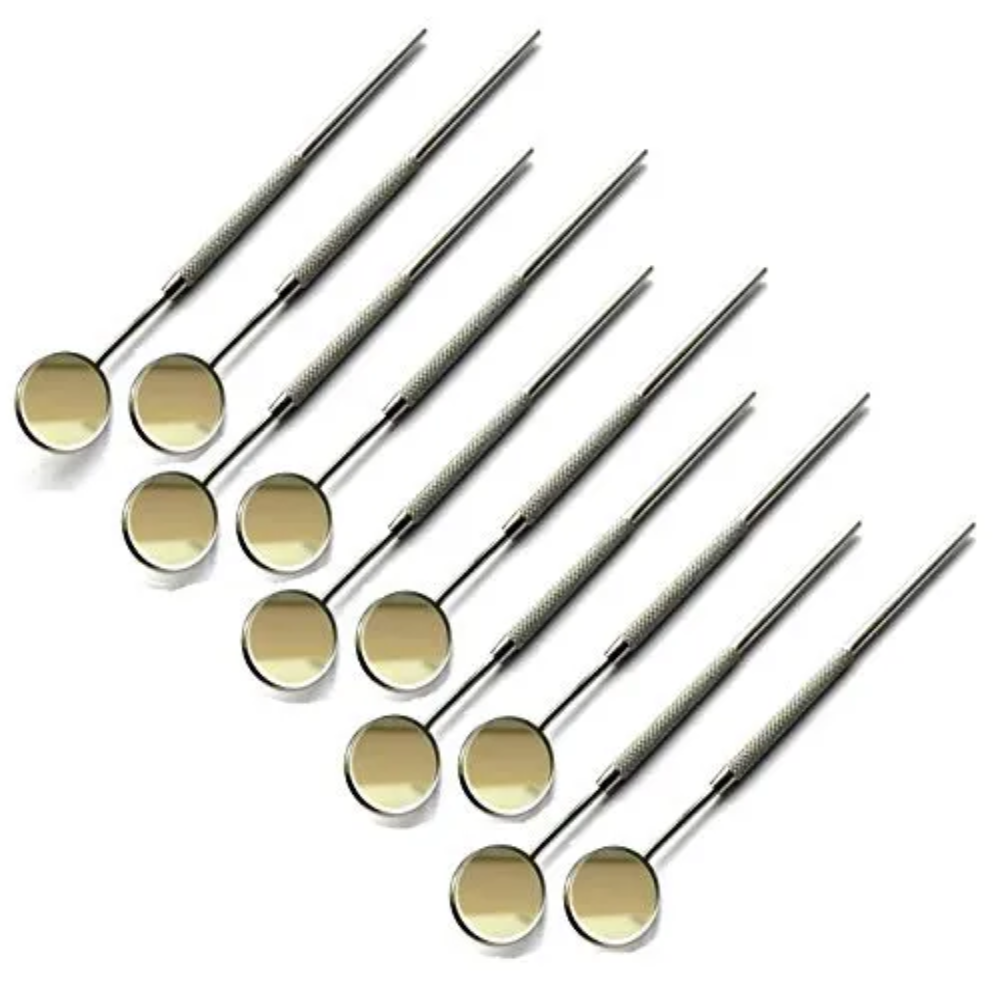
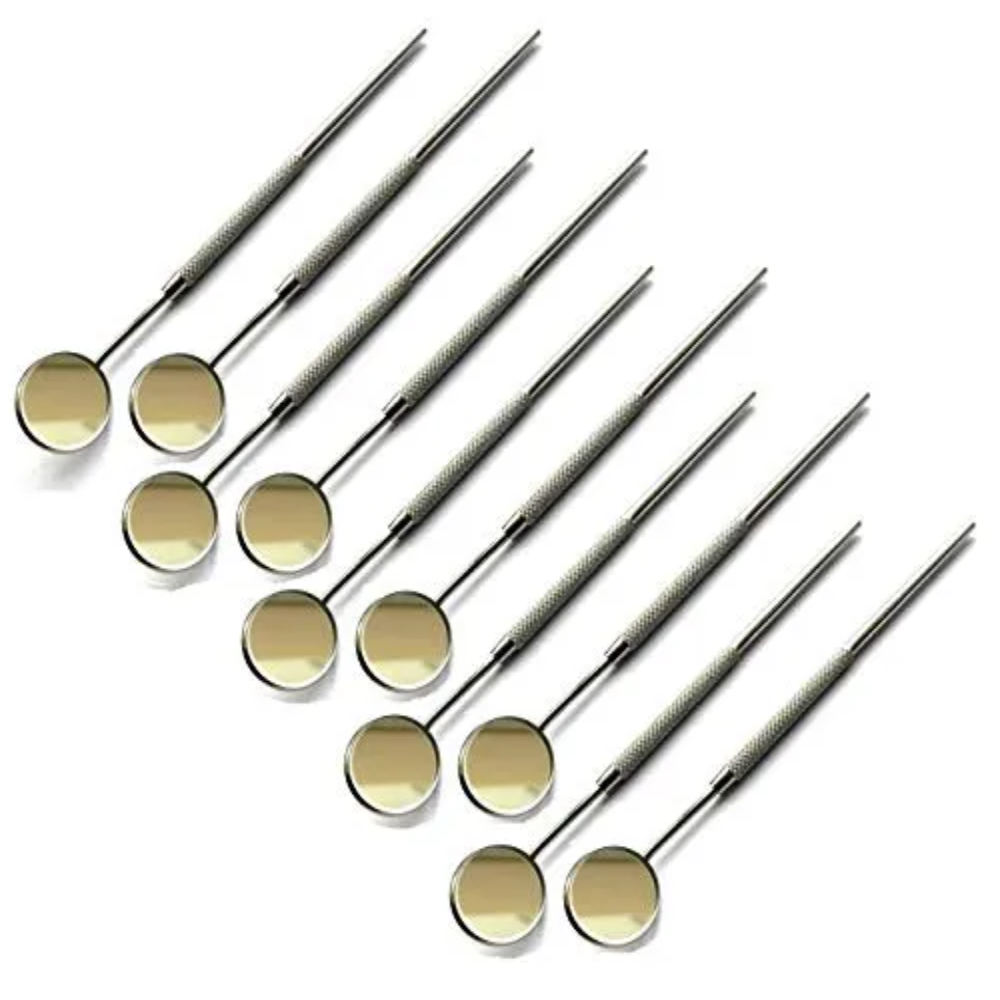

LORANGEAL MIRROR Specification
- Accuracy
- Direct Visual Reflection
- Shelf Life
- Long (if properly maintained)
- Usage Type
- Hospital/Clinic
- Features
- Corrosion Resistant, Smooth Finish, Lightweight, Reusable, Sterilizable
- Instruments Type
- ENT Diagnostic Instrument
- Function
- Visualization of vocal cords and laryngeal structures
- Storage Instructions
- Store in a dry, clean environment
- Equipment Type
- Laryngeal Mirror
- Material
- Stainless Steel with Glass Mirror
- Condition
- New
- Technology
- Manual (Non-electronic)
- Portable
- Yes
- Wall Mounted
- No
- Magnification Power
- 1x (Non-magnifying)
- Real-Time Operation
- Yes
- Noise Level
- Silent
- Operating Type
- Handheld
- Use
- Clinical Examination of Larynx & Throat
- Dimension (L*W*H)
- Varies (Commonly 5-7mm Mirror Diameter; Handle Length ~14-16cm)
- Weight
- Approx. 20-40 grams
- Color
- Metallic Silver with Reflective Mirror
- Grip Design
- Ergonomic
- Mirror Shape
- Round
- Handle Type
- Knurled, Non-slip
- Cleaning Method
- Can be disinfected and sterilized
- Application
- Otolaryngology, General Examination
- Sterilization Method
- Autoclavable
- Usage
- Examination, Minor Procedures
- Mirror Surface
- Flat Glass Mirror
- Handle Material
- Stainless Steel
- Manufacturer Recommendation
- For ENT professionals
- Packaging Type
- Individually Packed or set
About LORANGEAL MIRROR
Lorangeal Mirror InstrumentBased on the provided search results, there is no direct match for "LORANGEAL MIRROR INSTRUMENT. However, I found relevant information on a similar term, "Long Range Reconnaissance Imager (LORRI), which is a telescopic panchromatic camera integrated with the New Horizons spacecraft.
Heres a summary of LORRIs characteristics:
- Reflecting telescope of Ritchey-Chrtien design with a main mirror diameter of 208 mm (8.2 inches) across
- Narrow field of view, less than a third of a degree
- Captures images with a CCD (charge-coupled device) at a resolution of 1024 1024 pixels, with various exposure settings
- Used to image Jupiter, its moons, Pluto, and its moons, as well as Arrokoth (formerly known as Ultima Thule)
LORRI is not a general-purpose mirror instrument, but rather a specialized instrument designed for long-range reconnaissance and imaging in space exploration.
If you meant to ask about a different instrument or concept, please provide more context or clarify your query. Ill do my best to assist you.
Ergonomic Design for Precision
The laryngeal mirror boasts a knurled, non-slip handle crafted from stainless steel, ensuring an ergonomic grip for better control during ENT examinations. Its lightweight construction and smooth finish provide comfort and accuracy, enabling professionals to conduct procedures with confidence and minimal fatigue.
Superior Visualization and Cleanliness
Featuring a flat, round glass mirror with a metallic silver reflective surface, this instrument allows ENT specialists to visualize vocal cords and laryngeal structures directly. It is autoclavable, corrosion-resistant, and easy to disinfect, making it safe for repeated clinical use and ensuring long-term durability.
FAQ's of LORANGEAL MIRROR:
Q: How should the laryngeal mirror be sterilized before use in clinical settings?
A: The mirror is autoclavable and can be sterilized using standard autoclaving procedures. It may also be disinfected with appropriate solutions, ensuring both glass and stainless steel components are fully clean and ready for examination.Q: What is the benefit of the flat, round mirror design in otolaryngology?
A: A flat, round glass mirror provides clear, accurate reflection without magnification, ideal for visualizing laryngeal structures and vocal cords during ENT examinations and minor procedures.Q: When is it recommended to use the laryngeal mirror in hospital or clinic environments?
A: This instrument is recommended for ENT professionals performing general examinations, visualization during minor procedures, and diagnostic assessment of the larynx and throat in hospitals and clinics.Q: Where should the laryngeal mirror be stored for optimal shelf life and performance?
A: Store the mirror in a dry, clean environment to prevent corrosion and damage. Proper storage extends its shelf life and keeps the reflective mirror surface and handle in prime condition.Q: What process should be followed for cleaning and maintenance of the laryngeal mirror?
A: After each use, disinfect the mirror using suitable ENT instrument cleaning agents, followed by sterilization through autoclaving. Ensure both handle and mirror are completely dry before storage to maintain longevity.Q: How does the ergonomic handle design enhance user experience during examinations?
A: The knurled, non-slip, ergonomic stainless steel handle offers superior grip and control, reducing hand strain and enhancing precision during laryngeal examinations.Q: What are the advantages of using this non-electronic, handheld device for real-time ENT examination?
A: Its manual, non-electronic technology enables silent operation with direct visual feedback, making it portable, lightweight, and suitable for real-time throat and larynx assessment without additional equipment. Get Latest Price
Tell us about your requirement

Price:
Quantity
Select Unit
- 50
- 100
- 200
- 250
- 500
- 1000+
Additional detail
Mobile number
Email

More Products in Intubation Devices And Accessories Category
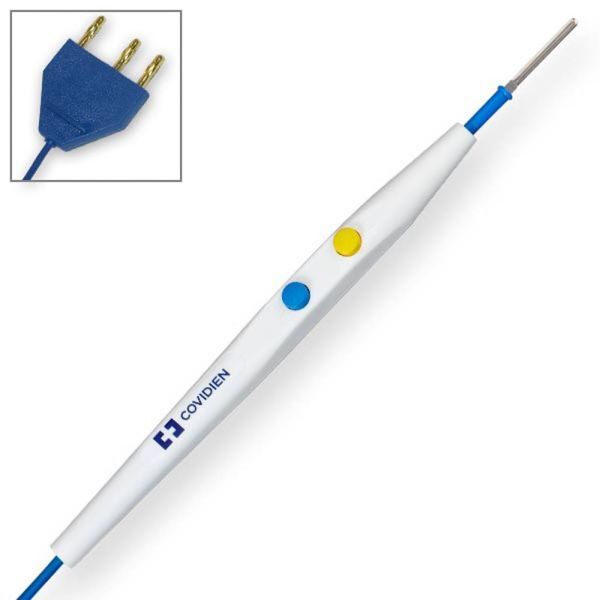
E2516 COVIDIEN VALLEYLAB BUTTON SWITCH PENCIL
Price 1750 INR / Piece
Minimum Order Quantity : 10 Pieces
Usage Type : Disposable
Color : Blue and yellow
Features : Ergonomic design, button switch activation, singleuse, compatible with most electrosurgical units
Weight : Approx. 20 grams
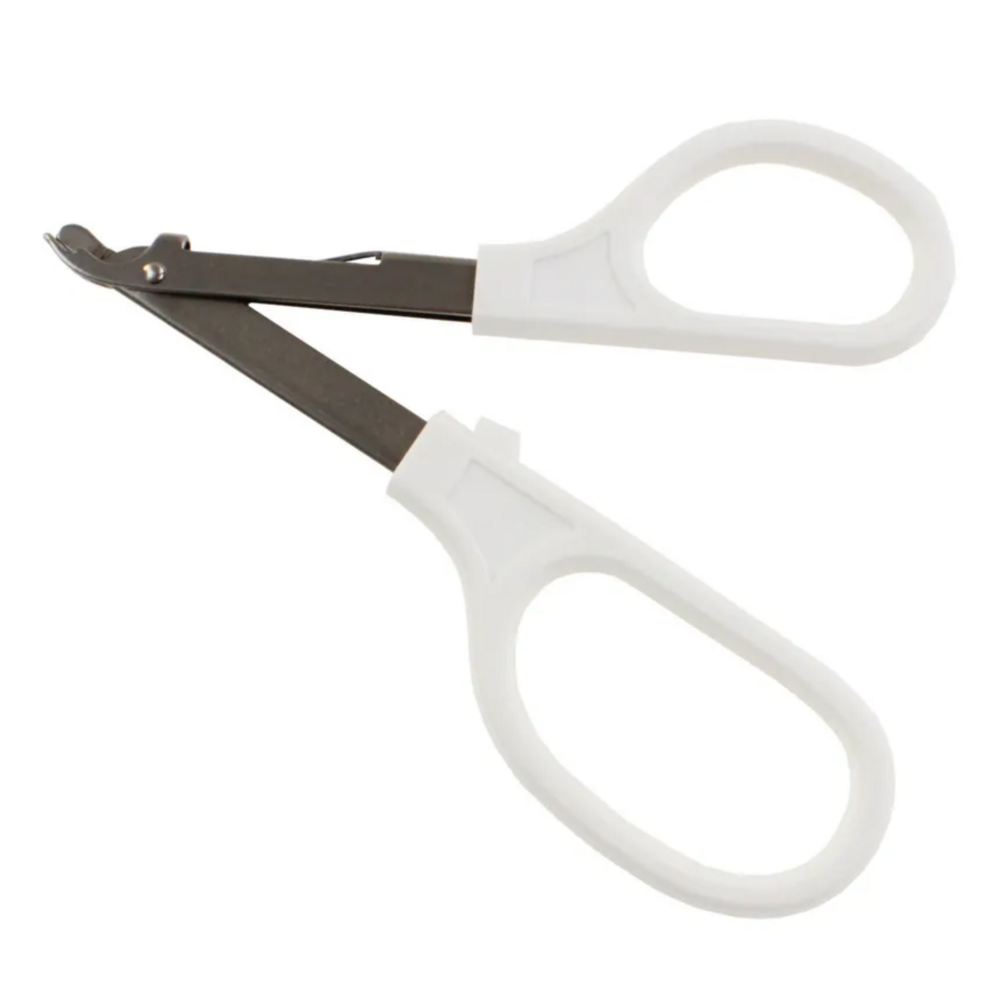
DISPOSABLE SKIN STAPLER REMOVER
Price 1650 INR / Piece
Minimum Order Quantity : 10 Pieces
Usage Type : Singleuse, Disposable
Color : White
Features : Ergonomic design, lightweight, disposable, precise removal mechanism, sterile
Weight : Approx. 20 grams
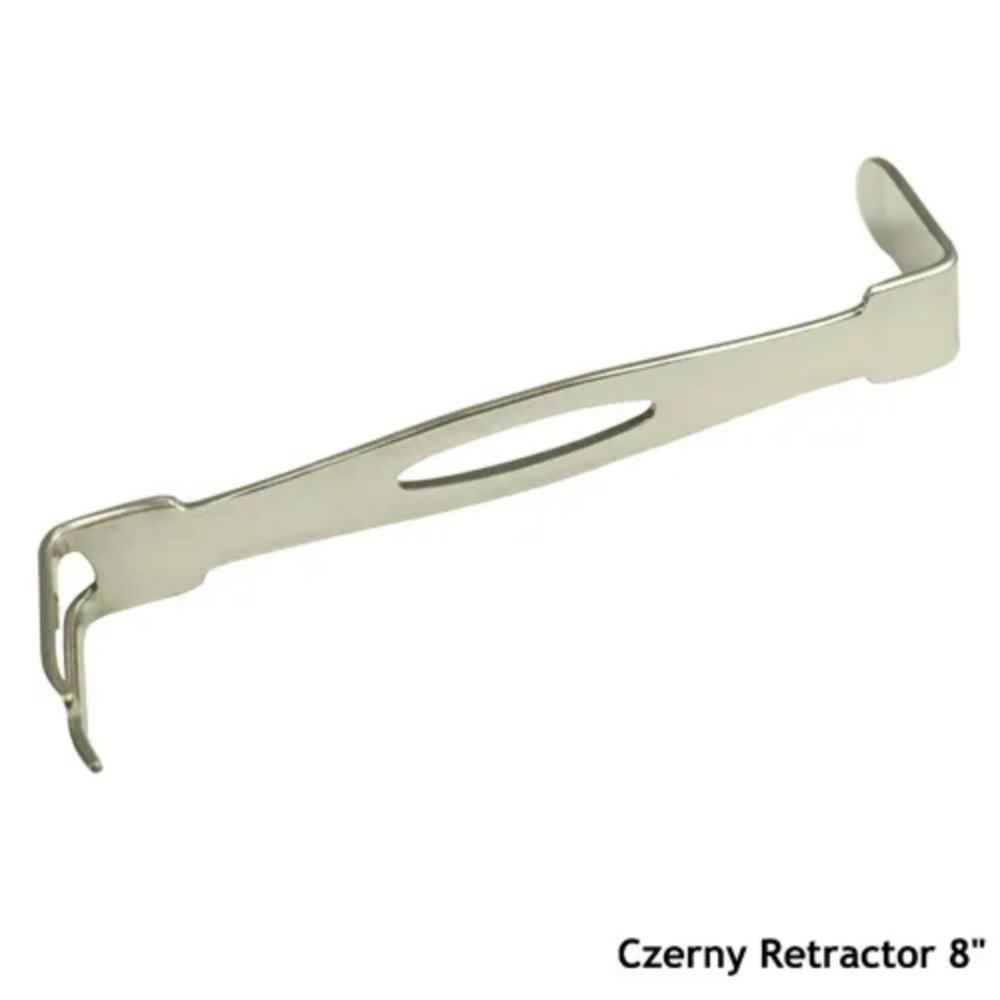
CZERMEY RETRACTOR
Price 2300 INR / Piece
Minimum Order Quantity : 10 Pieces
Usage Type : Medical/Surgical
Color : Silver
Features : Ergonomic design, rustresistant, autoclavable
Weight : Approx. 180 grams
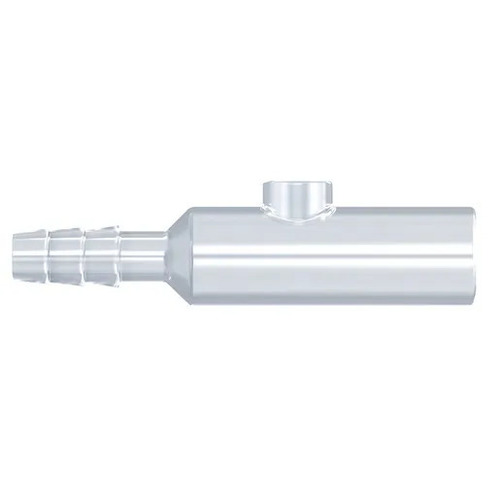
NEOTECH MECONIUM ASPIRATOR
Price 1980 INR / Piece
Minimum Order Quantity : 10 Pieces
Usage Type : Single Use, Disposable
Color : Transparent/Blue (as image shows)
Features : Latexfree, Single use, Universal fit with ET tubes, Serrated thumb port for controlled suction
Weight : Lightweight, less than 20 grams

Mark Enterprises
GST : 09CGDPG2368E1ZJ
GST : 09CGDPG2368E1ZJ
56/A, Gali No-3, Jai Bharat Enclave, Sahibabad, Lajpat Nagar,Ghaziabad - 201005, Uttar Pradesh, India
Phone :08045813058

 Send Inquiry
- Breathing Circuit and Accessories
- Airway Management
- Intubation Devices And Accessories
- Tracheostomy Tube
- Endotracheal Tube
- Anaesthesia Face Mask
- CPAP And BIPAP Mask And Accessories
- HMES And HMFS Breathing Filter
- Oxygen And Nebulization Therapy Products
- Neonatal Care Products
- Gel Positioner
- Medical Grade CSSD Products
- Catheter Kit
- Suction Tube
- Besmed NICU Care Products
- Surgical Gown
- Nasal Cannula
- Urology Products
- Infusion Pump
- Prone Head Positioner With Mirror
- Cautery Pencil
- Pulse Oximeter
- Nebulizer Machine
- Foley Catheter
- Oxygen Flow Meter
- Strile Spiral Extension Line
- Yankauer Suction Set
- CPAP System
- AIRWAY TUBE
- AMBU BEG
 Send Inquiry
 Send SMS
Mark Enterprises
All Rights Reserved.(Terms of Use)
Developed and Managed by Infocom Network Private Limited.
Developed and Managed by Infocom Network Private Limited.

