

Call us now
08045813058
TONGUE TIE
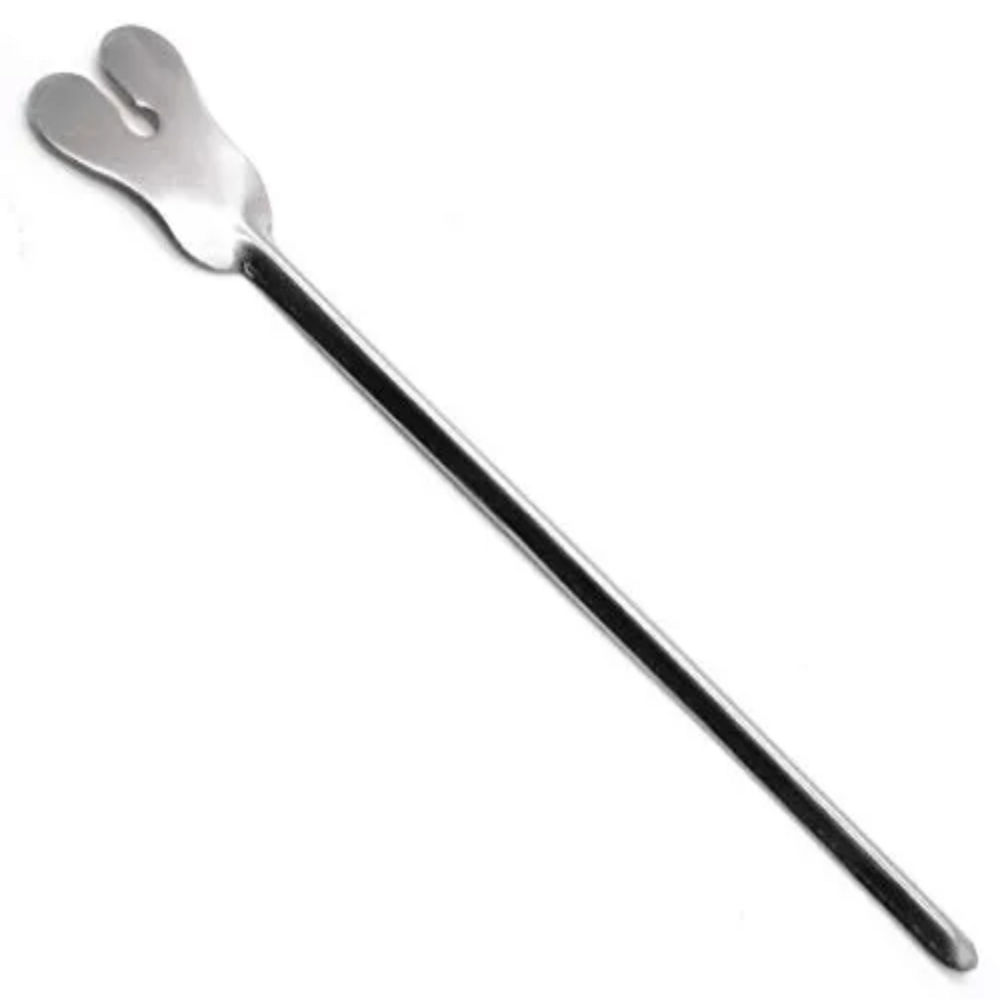
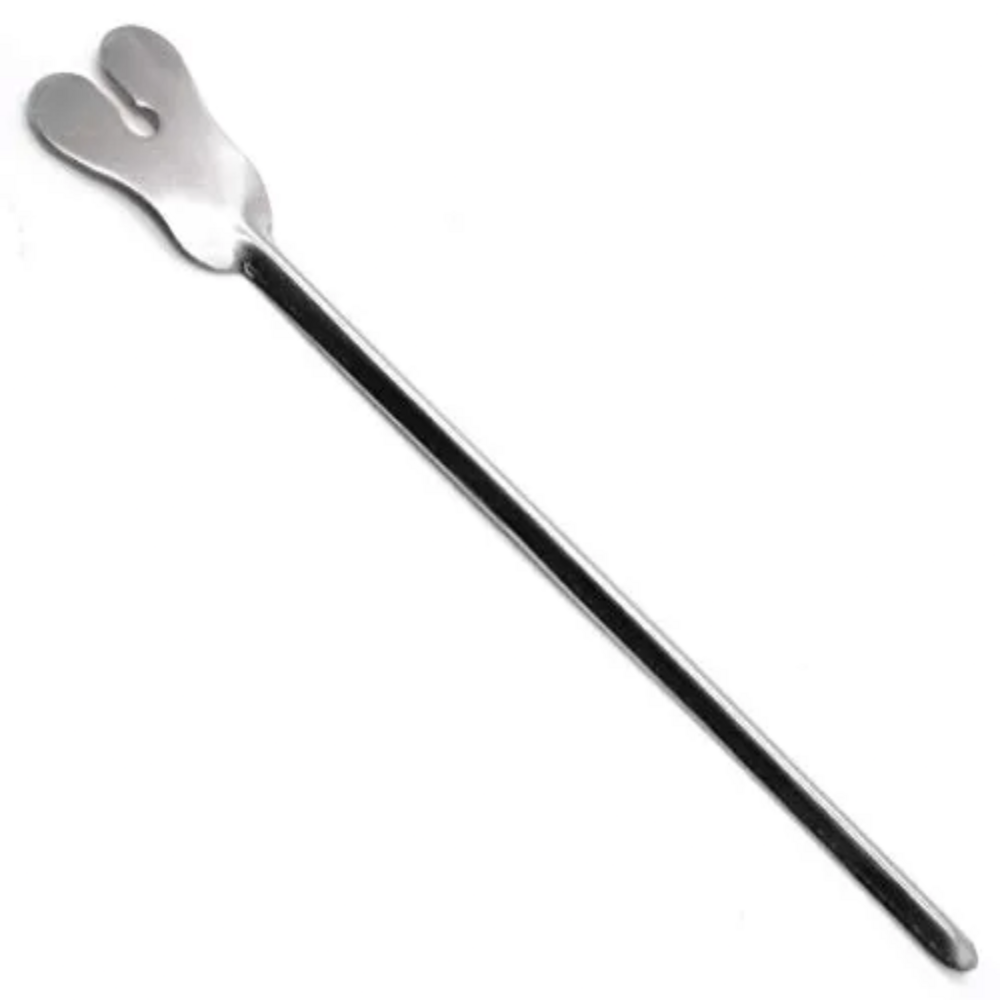
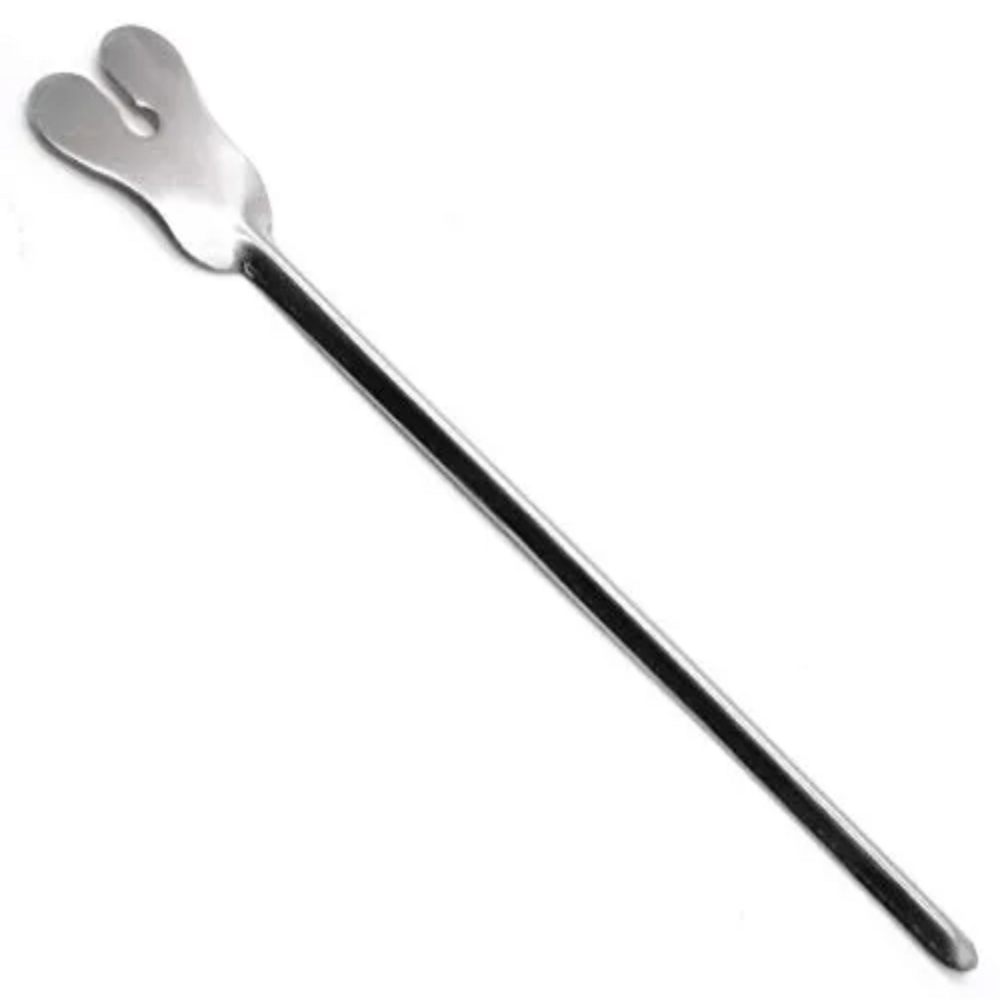

TONGUE TIE Specification
- Storage Instructions
- Store in a clean, dry place
- Measurement Range
- Standard for the procedure
- Usage Type
- Reusable
- Accuracy
- Precisely designed for surgical precision
- Instruments Type
- Surgical instrument
- Function
- To aid in the release of lingual frenulum
- Shelf Life
- Long (with proper care)
- Features
- Corrosion-resistant, durable, easy to sterilize
- Equipment Type
- Tongue Tie
- Material
- Stainless Steel
- Condition
- New
- Technology
- Manual
- Portable
- Yes
- Wall Mounted
- No
- Real-Time Operation
- Yes
- Noise Level
- Silent
- Operating Type
- Manual
- Use
- Surgical procedure for releasing tongue-tie in infants and children
- Dimension (L*W*H)
- Standard surgical instrument size
- Weight
- Lightweight
- Color
- Polished silver
- Application Area
- Oral / Dental Surgery
- Design
- Ergonomic, easy to handle
- Compliance Standard
- Meets standard surgical instrument regulations
- Sterilization Method
- Autoclavable
- Packaging
- Individually packed for hygiene
- Brand Compatibility
- Universal
- Length
- Approx. 45 inches
- Edge Type
- Blunt end for safety
About TONGUE TIE
Tongue Tie Instrumentation
Tongue tie instruments are designed to aid in the diagnosis and treatment of ankyloglossia, a condition where a band of tissue (lingual frenulum) connects the tip of the tongue to the floor of the mouth, restricting tongue movement. The following instruments are commonly used:
- Grooved Directors: These instruments have a groove or channel that guides the tongue tie and helps to release it. They are used to gently move the tongue tie and assess its severity.
- Gum Scissors: These scissors are specifically designed for cutting the tongue tie. They have a curved or angled blade to facilitate precise incisions.
- Ribbon Scissors: Similar to gum scissors, ribbon scissors are used to cut the tongue tie. They have a thin, flexible blade that allows for precise control.
- Probe Tip: Some instruments have a probe tip, which is used to gently push or move the tongue tie, rather than cutting it. This is particularly useful for assessing the severity of the tongue tie or for use in conjunction with other treatment methods.
- Kotlow Rulers: These rulers are used to measure the length of the tongue tie and determine the severity of the condition. They are based on the guidelines of pediatrician Lawrence Kotlow and are used to determine whether intervention is necessary.
Safe and Reliable Surgical Precision
Engineered with a blunt end for safety and ergonomic handling, this tongue tie instrument prioritizes patient welfare while enabling surgeons to perform frenulum release procedures with accuracy. Its silent manual operation, universal brand compatibility, and compliance with regulatory standards make it dependable for dental and oral surgeries on infants and children.
Built to Last and Easy to Maintain
Crafted from polished stainless steel, the instrument resists corrosion and withstands repeated sterilization. Its reusable design and durable build ensure it remains a staple in surgical kits, provided it's stored in a clean, dry environment between uses. Individual packaging further enhances hygiene and shelf life.
Convenience and Portability for Professionals
Lightweight yet robust, the tongue tie instrument is easy to transport and handle, making it ideal for mobile clinics and hospital settings alike. Its standard dimension fits surgeon preferences while offering effortless maintenance for continued, consistent performance.
FAQ's of TONGUE TIE:
Q: How is the tongue tie surgical instrument sterilized for reuse?
A: The instrument is autoclavable, meaning it can be sterilized using an autoclave to ensure safe and hygienic reuse for multiple surgical procedures.Q: What is the primary application of the tongue tie equipment?
A: This manual surgical instrument is designed specifically for releasing the lingual frenulum (tongue-tie) in infants and children during oral or dental surgery.Q: When should the tongue tie instrument be used in a surgical setting?
A: It is used during procedures where a patient, particularly an infant or child, requires the release of a tongue-tie to improve oral function and prevent speech or feeding issues.Q: Where can this tongue tie device be operated and stored?
A: The instrument is suitable for use in dental hospitals, clinics, and surgical centers. After use, it should be stored in a clean, dry place to maintain its hygiene and longevity.Q: What are the steps involved in using this tongue tie instrument?
A: Surgeons use the instrument to lift and provide precise access to the lingual frenulum, then proceed with its release, utilizing its ergonomic design and blunt end for controlled, safe operation.Q: What benefits does this tongue tie tool provide to dental professionals?
A: It offers surgical precision, ease of handling, safety, silent manual operation, universal compatibility, and durability, making it a reliable choice for professionals seeking efficient results. Get Latest Price
Tell us about your requirement

Price:
Quantity
Select Unit
- 50
- 100
- 200
- 250
- 500
- 1000+
Additional detail
Mobile number
Email

More Products in Intubation Devices And Accessories Category
Clip Stapes Piston
Price 1450 INR / Piece
Minimum Order Quantity : 10 Pieces
Use : Stapedectomy, Otology Surgery
Color : Silver
Condition : New
Material : Other, Titanium

TRUSHIELD NXT DERSING
Price 1455 INR / Piece
Minimum Order Quantity : 10 Pieces
Use : Surface dressing and protection
Color : Milky white liquid
Condition : New
Material : Other, Waterbased polymer blend
Baxter Beveled Bobbin
Price 1950 INR / Piece
Minimum Order Quantity : 10 Pieces
Use : For Textile Machines
Color : Brown
Condition : New
Material : Other, Bakelite
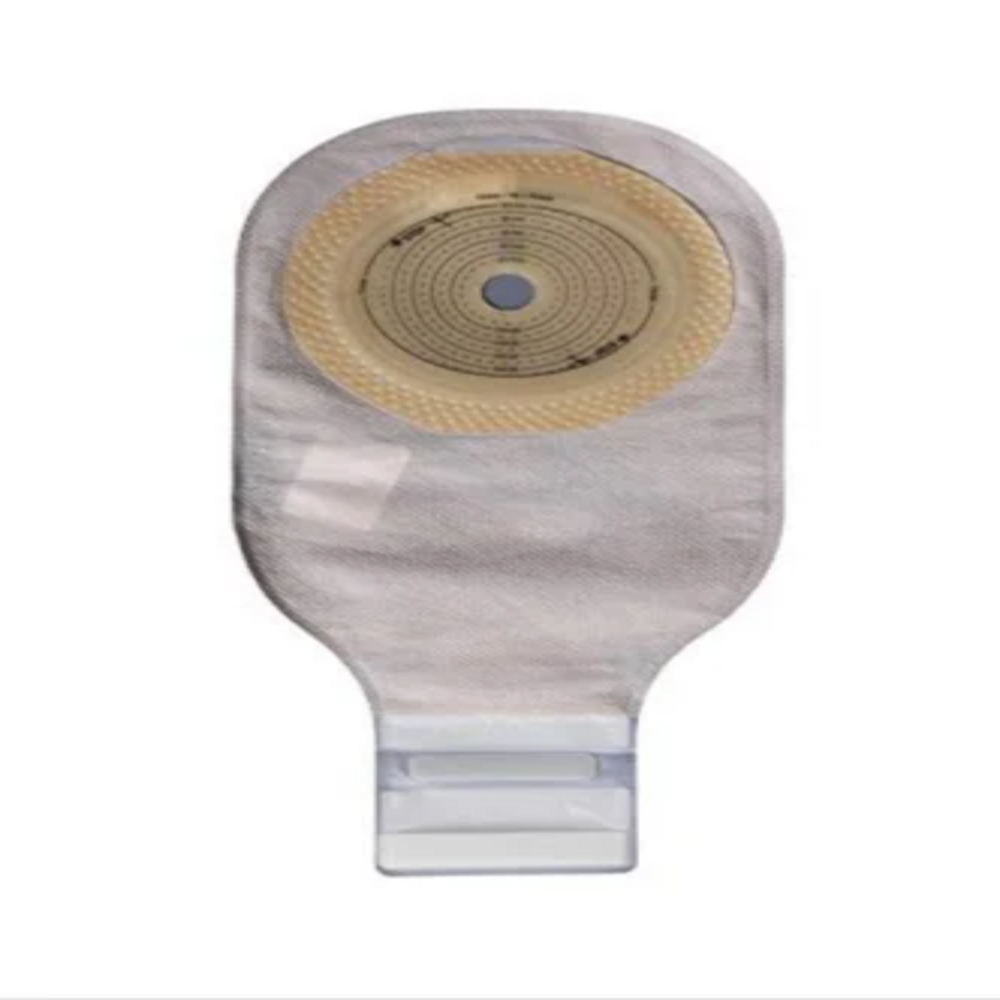
Moderma Flex Drainablepouch Transparent Pack 28400
Price 1550 INR / Piece
Minimum Order Quantity : 10 Pieces
Use : Postsurgical/colostomy, ileostomy, urostomy care
Color : Transparent
Condition : New
Material : Other, Soft, flexible plastic (film) with hydrocolloid adhesive

Mark Enterprises
GST : 09CGDPG2368E1ZJ
GST : 09CGDPG2368E1ZJ
56/A, Gali No-3, Jai Bharat Enclave, Sahibabad, Lajpat Nagar,Ghaziabad - 201005, Uttar Pradesh, India
Phone :08045813058

 Send Inquiry
- Breathing Circuit and Accessories
- Airway Management
- Intubation Devices And Accessories
- Tracheostomy Tube
- Endotracheal Tube
- Anaesthesia Face Mask
- CPAP And BIPAP Mask And Accessories
- HMES And HMFS Breathing Filter
- Oxygen And Nebulization Therapy Products
- Neonatal Care Products
- Gel Positioner
- Medical Grade CSSD Products
- Catheter Kit
- Suction Tube
- Besmed NICU Care Products
- Surgical Gown
- Nasal Cannula
- Urology Products
- Infusion Pump
- Prone Head Positioner With Mirror
- Cautery Pencil
- Pulse Oximeter
- Nebulizer Machine
- Foley Catheter
- Oxygen Flow Meter
- Strile Spiral Extension Line
- Yankauer Suction Set
- CPAP System
- AIRWAY TUBE
- AMBU BEG
 Send Inquiry
 Send SMS
 Call Me Free
Mark Enterprises
All Rights Reserved.(Terms of Use)
Developed and Managed by Infocom Network Private Limited.
Developed and Managed by Infocom Network Private Limited.

