

Call us now
08045813058
Internal Bi-Valve Splints
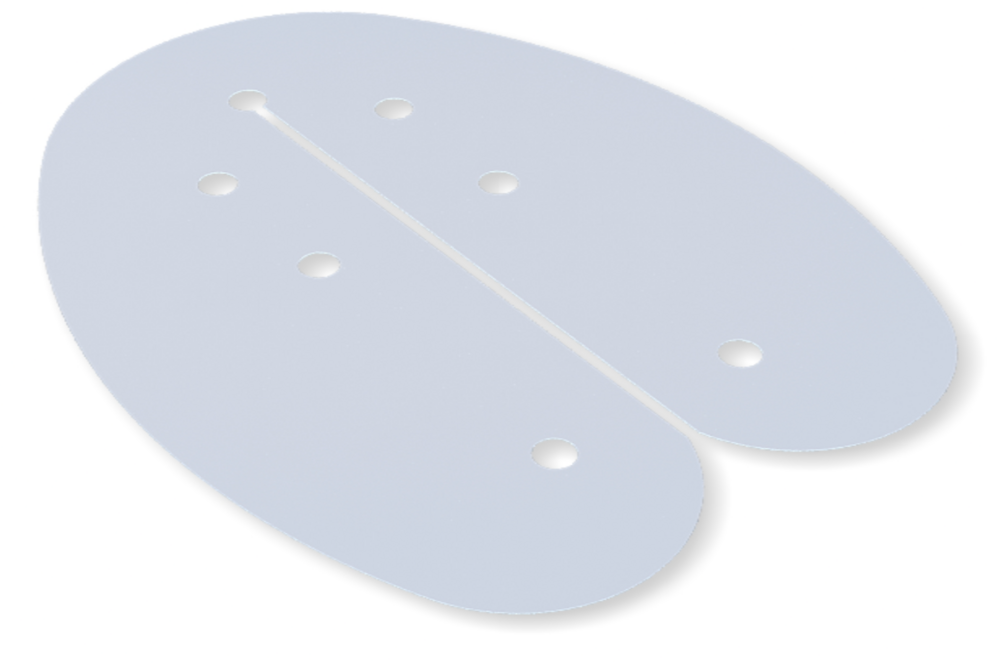
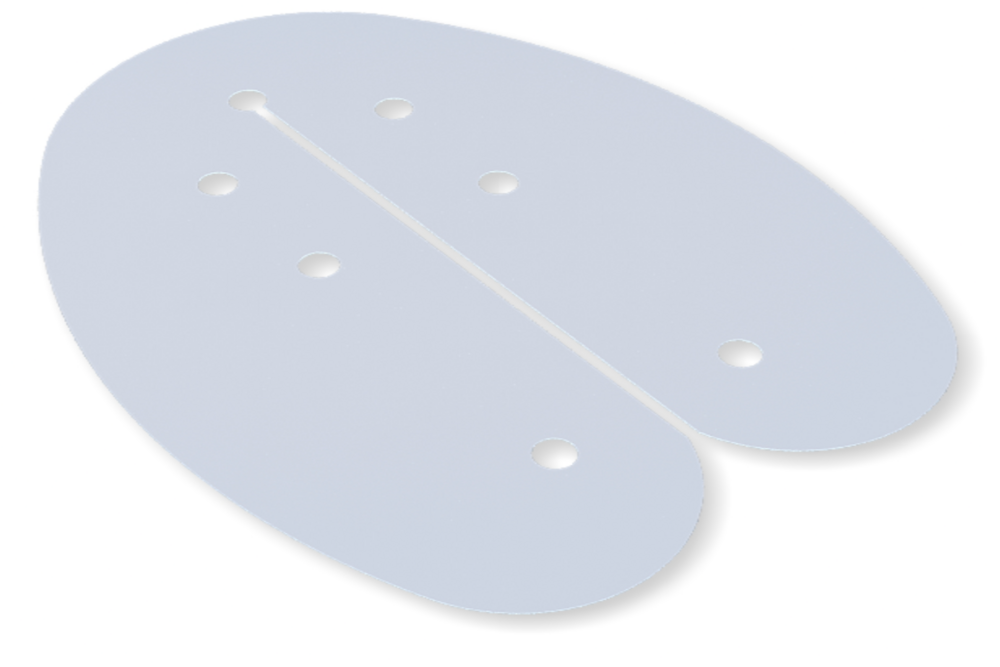
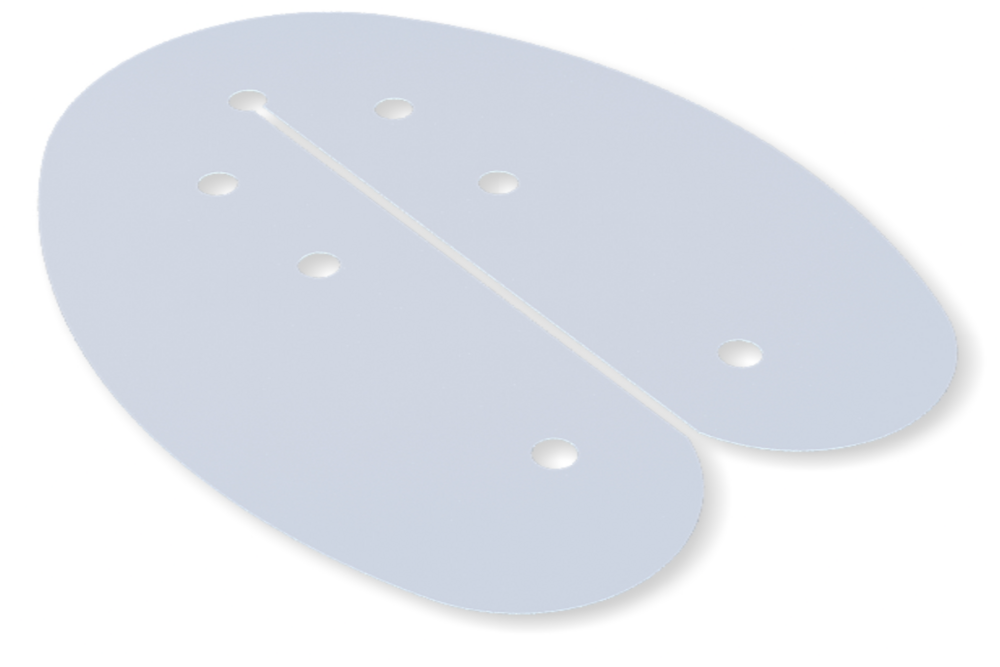
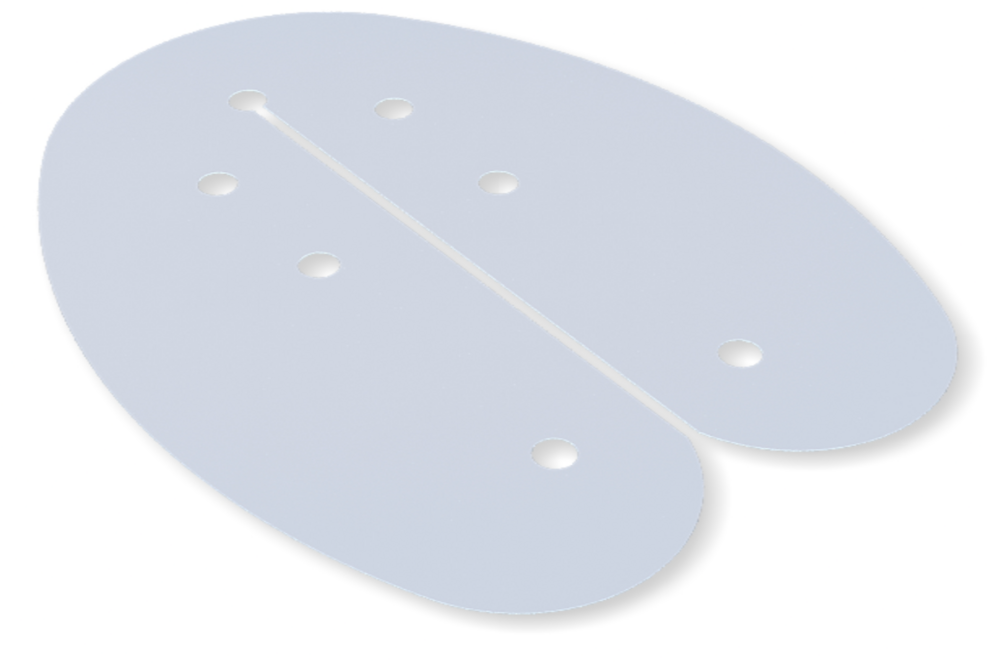

Internal Bi-Valve Splints Specification
- Accuracy
- Patient-specific
- Instruments Type
- Orthopaedic splint
- Function
- Stabilization and immobilization of fractured bones
- Measurement Range
- For limbs and extremities
- Usage Type
- Single-use, disposable
- Features
- Bivalve design, radiotranslucent, easy application and removal
- Storage Instructions
- Store in a cool, dry place
- Frequency
- Single event
- Shelf Life
- 3-5 years (unopened)
- Equipment Type
- Internal Bi-Valve Splints
- Material
- Medical-grade plastic or polymer
- Condition
- New and sterile
- Technology
- Manual orthopaedic support
- Portable
- Yes
- Wall Mounted
- No
- Real-Time Operation
- Yes
- Noise Level
- Silent operation
- Operating Type
- Manual
- Use
- Orthopaedic immobilization and support
- Power Source
- None required
- Dimension (L*W*H)
- Varies by size (commonly 20-40 cm length)
- Weight
- Lightweight (approx. 100-250 g)
- Color
- Transparent/White
- Resistant to Fluids
- Water and fluid-resistant surface
- Temperature Tolerance
- Stable under normal hospital conditions
- Compatibility
- Suitable for upper and lower limb fractures
- Radiolucency
- Allows X-ray imaging without removal
- Sterilization Method
- EO sterilized
- Edge Finish
- Smooth, rounded edges for patient comfort
- Latex Content
- Latex-free
- Fastening Mechanism
- Secured with medical straps or bandages
About Internal Bi-Valve Splints
- The Bi Valve Nasal Splint is designed to provide septal support and reduce or prevent adhesions between the septum and lateral nasal wall following surgery
- Provides septal support easy insertion and removal
- Punched suture holes
Radiolucent Design for Effortless Imaging
The splint's radiolucent properties make it ideal for seamless X-ray imaging without the necessity to remove or disturb the affected limb. Healthcare professionals can assess bone alignment and healing progress while maintaining full immobilization, streamlining the treatment process.
Comfort and Safety Prioritized
Edge finishing with smooth, rounded contours enhances patient comfort during immobilization, reducing the risk of skin irritation or pressure sores. The splint is latex-free and individually EO sterilized, making it suitable for sensitive patients and maintaining strict infection control standards.
Practicality for Orthopaedic Applications
Designed for ease of use in clinical and emergency settings, the bi-valve splint is lightweight, portable, water-resistant, and compatible with medical straps or bandages. Its disposable use and stable performance under normal conditions make it a valuable tool for efficient orthopedic fracture management.
FAQ's of Internal Bi-Valve Splints:
Q: How do Internal Bi-Valve Splints with radiolucency support X-ray imaging?
A: These splints are designed using radiolucent material, allowing X-rays to pass through without removing the splint. This feature enables clinicians to monitor bone healing and adjustment in real time, without disrupting immobilization.Q: What types of fractures are these splints suitable for?
A: Internal Bi-Valve Splints are ideal for stabilizing fractures of the upper and lower limbs, catering specifically to orthopedic immobilization needs in both adult and pediatric patients.Q: When should these splints be used in the patient care process?
A: These splints are used post-injury or post-surgery during the immobilization phase, particularly when regular imaging or monitoring is essential. They are appropriate for use during initial emergency management and throughout follow-up care.Q: Where are Internal Bi-Valve Splints typically utilized?
A: They are commonly used in hospitals, trauma centers, emergency medical services, and orthopedic departments throughout India. Their portability and ease of use also make them suitable for pre-hospital or on-field application.Q: What is the recommended process for applying the splint?
A: To apply, position the splint around the injured limb, ensuring a comfortable fit with the smooth, rounded edges. Secure the splint with medical straps or bandages as needed and ensure it remains stable. The splints are intended for single-use, disposable application.Q: What are the benefits of the bi-valve design?
A: The bi-valve design allows for easy application and removal, even in cases of swelling or adjustments. It also ensures effective immobilization while enabling repeated clinical inspection and imaging without affecting patient comfort.Q: How should Internal Bi-Valve Splints be stored and handled?
A: Keep the splints in their original sterile packaging until use, storing them in a cool, dry environment. As single-use products, unused splints maintain a shelf life of 3-5 years, ensuring readiness when needed. Get Latest Price
Tell us about your requirement

Price:
Quantity
Select Unit
- 50
- 100
- 200
- 250
- 500
- 1000+
Additional detail
Mobile number
Email

More Products in Intubation Devices And Accessories Category
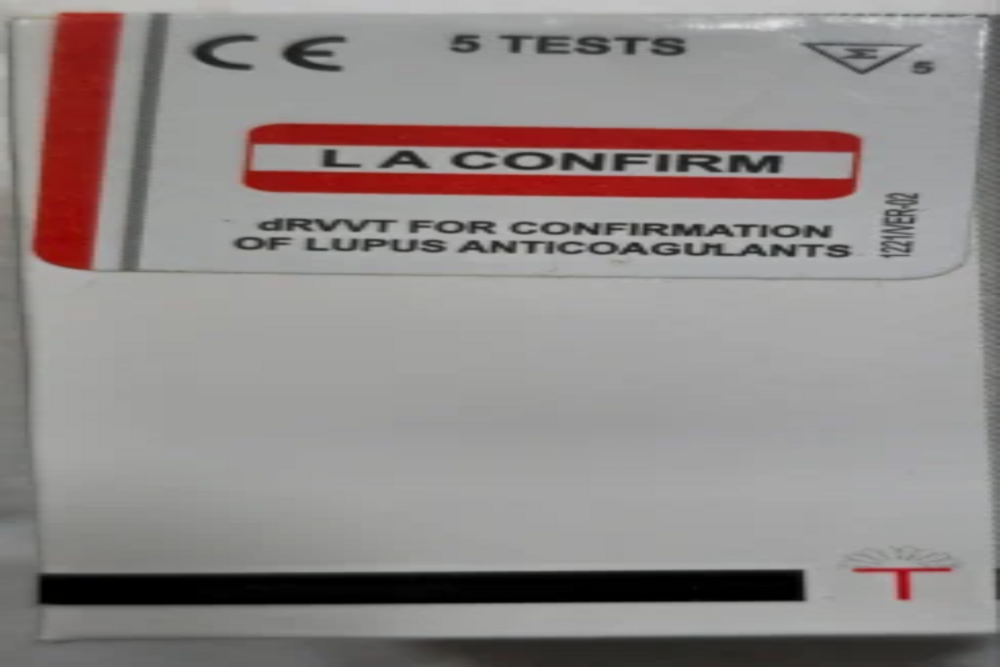
TULIP LA CONFIRM REAGENT
Price 2000 INR / Piece
Minimum Order Quantity : 10 Pieces
Color : Clear/Colorless liquid, labeled vials
Condition : New
Usage Type : Clinical laboratory / diagnostic use
Features : Simple, rapid, and sensitive test; easy visual interpretation; high specificity
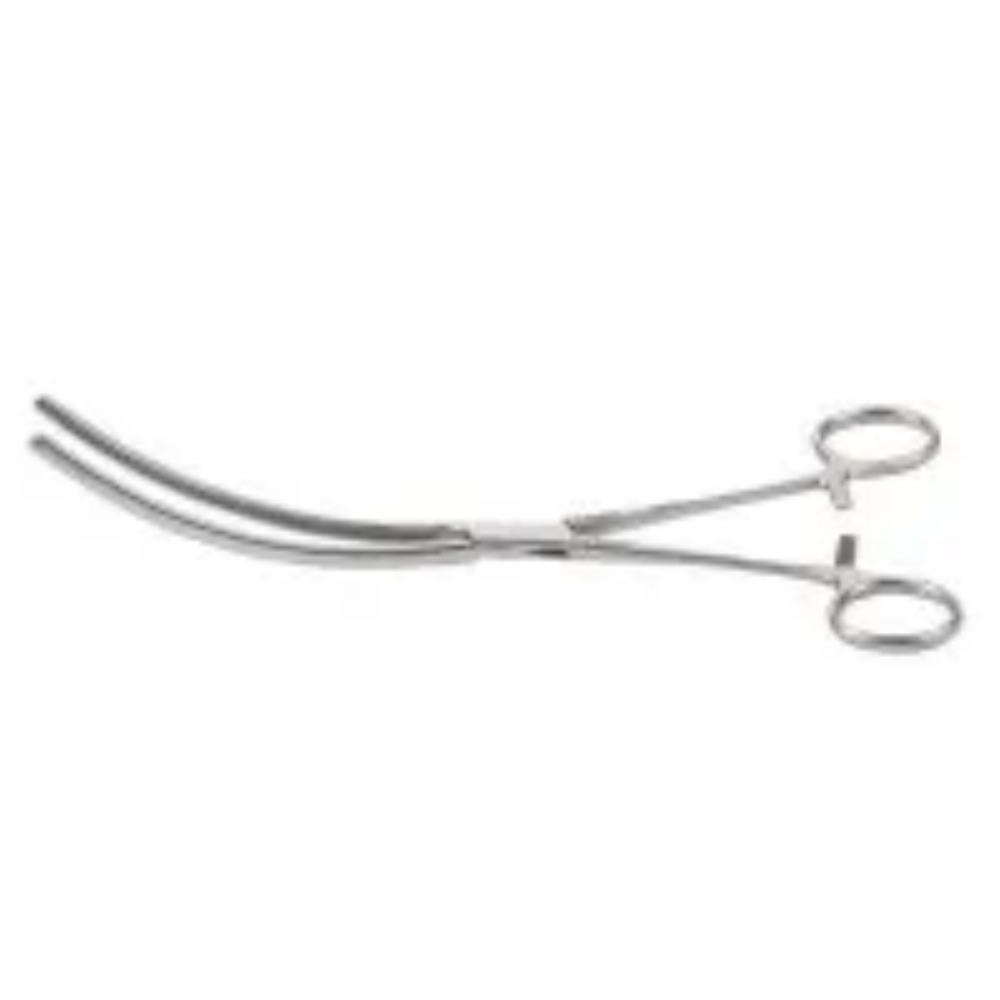
DOYEN BROAD LAGAMENT CLAMP
Price 1950 INR / Piece
Minimum Order Quantity : 10 Pieces
Color : Silver
Condition : New
Usage Type : Reusable
Features : Corrosion Resistant, Fine Serration, Curved Jaws, High Precision Locking Mechanism

Microlaryngeal Tube PVC Cuff
Price 775 INR / Piece
Minimum Order Quantity : 10 Pieces
Color : Transparent (with Colorcoded Markings)
Condition : New
Usage Type : Single Use / Disposable
Features : Soft, Flexible, Radioopaque Line, High Volume Low Pressure Cuff, Murphy Eye, Depth Markings, Universal Connector
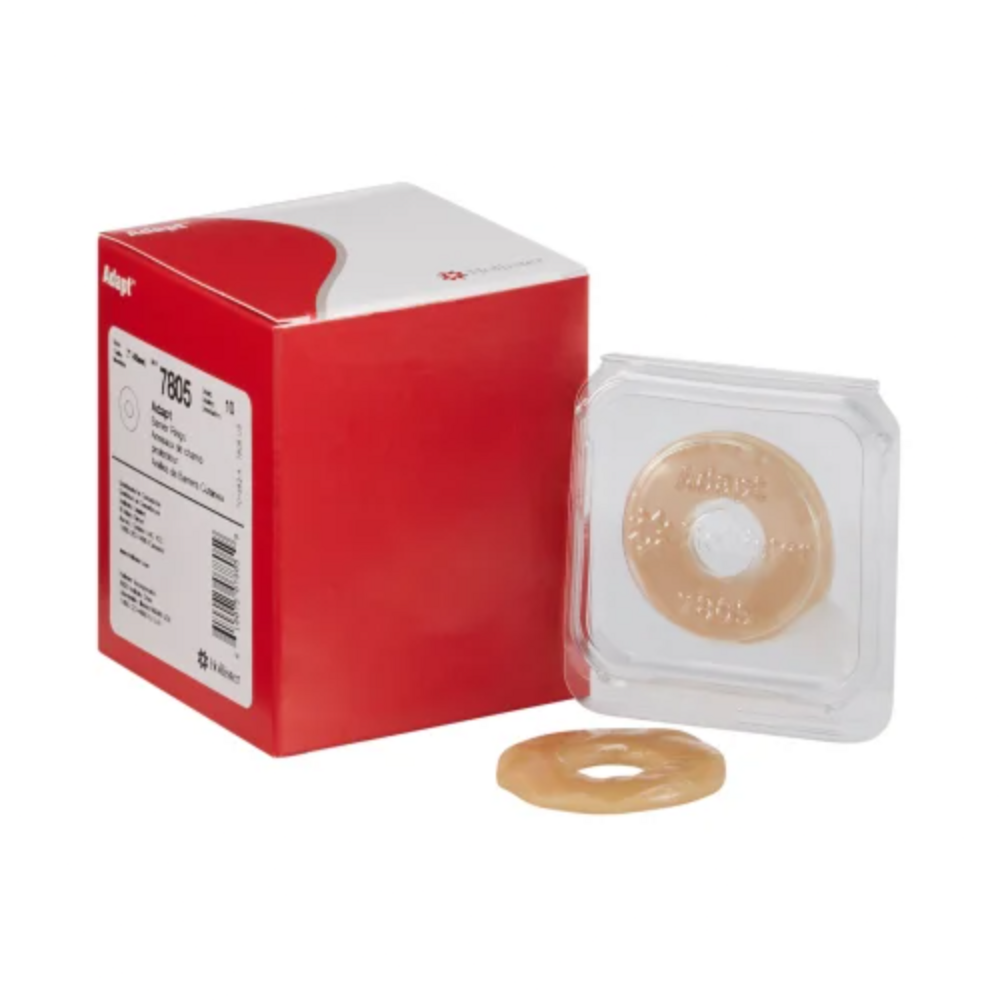
ADAPT OSTOMY BARRIER RING
Price 1450 INR / Piece
Minimum Order Quantity : 10 Pieces
Color : Beige/Translucent
Condition : New
Usage Type : Single Use
Features : Flexible, Moldable, AlcoholFree, StingFree, Leaves no residue

Mark Enterprises
GST : 09CGDPG2368E1ZJ
GST : 09CGDPG2368E1ZJ
56/A, Gali No-3, Jai Bharat Enclave, Sahibabad, Lajpat Nagar,Ghaziabad - 201005, Uttar Pradesh, India
Phone :08045813058

 Send Inquiry
- Breathing Circuit and Accessories
- Airway Management
- Intubation Devices And Accessories
- Tracheostomy Tube
- Endotracheal Tube
- Anaesthesia Face Mask
- CPAP And BIPAP Mask And Accessories
- HMES And HMFS Breathing Filter
- Oxygen And Nebulization Therapy Products
- Neonatal Care Products
- Gel Positioner
- Medical Grade CSSD Products
- Catheter Kit
- Suction Tube
- Besmed NICU Care Products
- Surgical Gown
- Nasal Cannula
- Urology Products
- Infusion Pump
- Prone Head Positioner With Mirror
- Cautery Pencil
- Pulse Oximeter
- Nebulizer Machine
- Foley Catheter
- Oxygen Flow Meter
- Strile Spiral Extension Line
- Yankauer Suction Set
- CPAP System
- AIRWAY TUBE
- AMBU BEG
 Send Inquiry
 Send SMS
 Call Me Free
Mark Enterprises
All Rights Reserved.(Terms of Use)
Developed and Managed by Infocom Network Private Limited.
Developed and Managed by Infocom Network Private Limited.

