

Call us now
08045813058
CLOSE SUCTION FOR TRECHEOTOMY TUBE
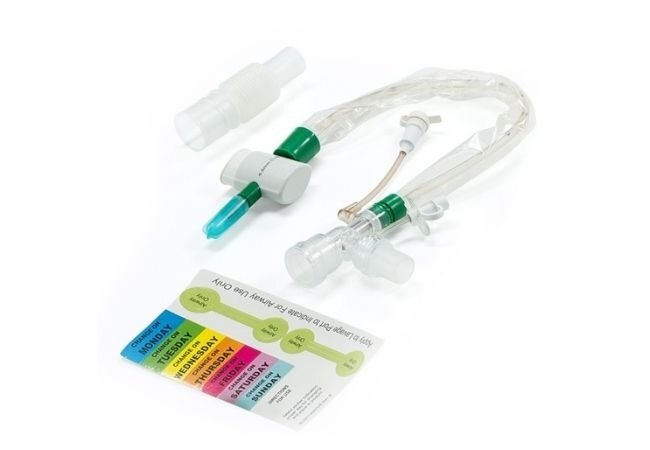
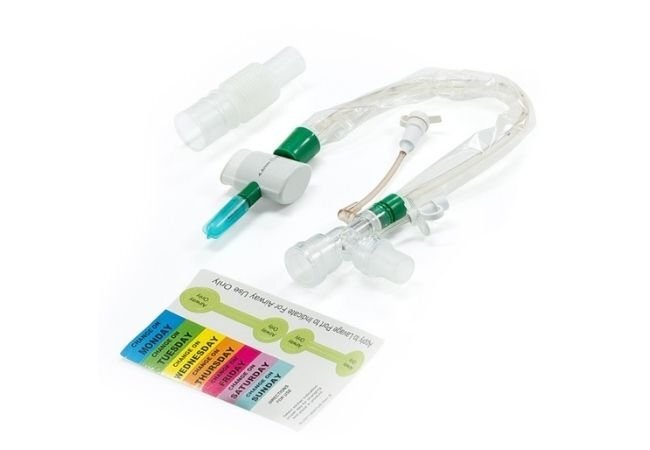
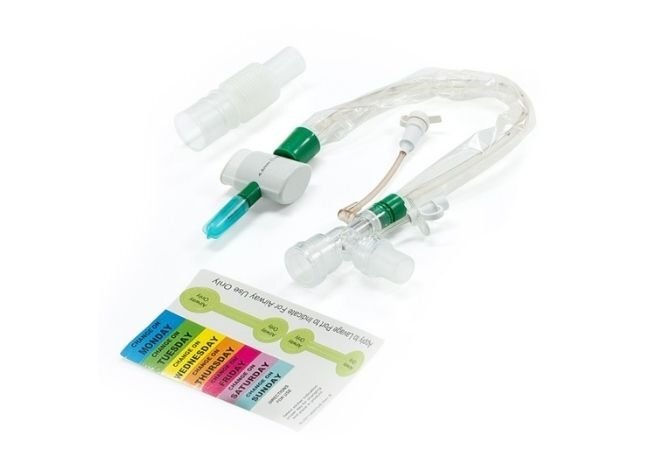
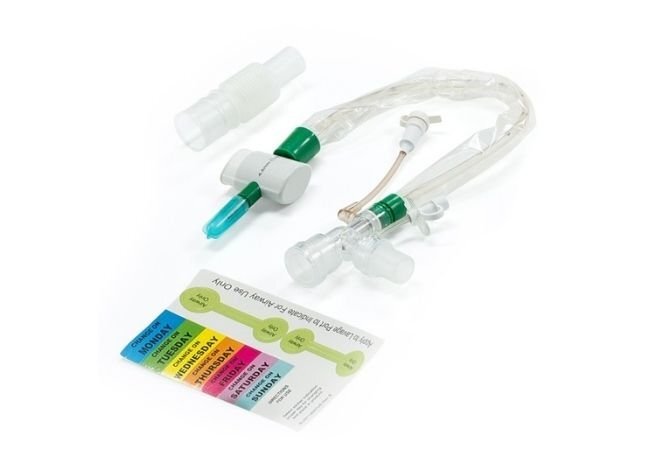

CLOSE SUCTION FOR TRECHEOTOMY TUBE Specification
- Instruments Type
- ICU/Respiratory care consumables
- Features
- Integrated suction control valve, lockable suction tip, minimizes infection risk, reduces exposure to secretions
- Function
- Provides continuous suction while maintaining a closed circuit
- Usage Type
- Single use / Disposable
- Storage Instructions
- Store in a cool, dry place, away from direct sunlight
- Shelf Life
- 3-5 years
- Equipment Type
- Close Suction for Tracheotomy Tube
- Material
- Medical grade PVC, Polycarbonate
- Condition
- New
- Technology
- Closed Suction System
- Portable
- Yes
- Wall Mounted
- No
- Real-Time Operation
- Yes
- Noise Level
- Low
- Operating Type
- Manual
- Use
- Tracheotomy Suction Cleaning
- Power Source
- Manual
- Dimension (L*W*H)
- Standard tube lengths: 30-60 cm (customizable)
- Weight
- Lightweight (approx. 50-100 g)
- Color
- Transparent with colored connectors
- Compliance
- CE and ISO 13485 certified
- Catheter Size Range
- 6 Fr to 16 Fr available
- Suction Tip Type
- Soft, atraumatic, rounded tip
- Protective Sleeve
- Soft, clear protective sleeve for infection prevention
- Sterility
- Ethylene Oxide (EO) Sterilized
- Connector
- Universal rotating connector fits standard tracheotomy tubes
- Suction Control
- Integrated thumb control valve
- Recommended Patients
- Adults, pediatric, and neonatal
- Packaging Type
- Individually steri-packed
About CLOSE SUCTION FOR TRECHEOTOMY TUBE
Tracheostomy Tube SuctionClose suction for a tracheostomy tube involves using a catheter that is enclosed within an outer sheath, allowing the same catheter to be used multiple times without the need to disconnect the patient from the ventilator. This method is preferred for several reasons:
- Safety: It reduces the risk of airway collapse that can occur when a patient is disconnected from the ventilator during suctioning.
- Efficiency: It minimizes the disruption to the patients breathing and oxygen supply.
- Sterility: The catheter remains within a sheath, reducing the risk of contamination.
- Patient Comfort: It is generally less invasive and can be performed without the need to remove the patient from the ventilator.
The procedure typically involves the following steps:
- Preparation: Ensure all equipment is ready and functioning, including the suction machine and catheter.
- Education: Explain the procedure to the patient if they are awake and cooperative.
- Suctioning: Insert the catheter to the appropriate depth and apply suction as you withdraw it, ensuring the suction duration is brief (usually less than 10 seconds) to avoid mucosal damage and prolonged hypoxia.
- Post-Suctioning: Monitor the patients vital signs, including heart rate and oxygen saturation levels, to ensure they remain stable.
This method is particularly recommended during the current health guidelines, especially for patients with conditions like COVID-19, to minimize the risk of aerosolization and transmission of infectious particles.
Advanced Closed Suction Technology for Critical Care
Designed for intensive care environments, this closed suction set minimizes infection risks and caregiver exposure to respiratory secretions. Its integrated lockable suction tip, clear protective sleeve, and real-time manual operation allow clinicians to maintain patient ventilation without circuit disconnection. The universal rotating connector ensures compatibility, and the product provides consistent, safe suction during airway management.
Ergonomic and Safe for All Patient Groups
With catheter sizes ranging from 6 Fr to 16 Fr, this system is suitable for use in adults, children, and neonates. The soft, atraumatic suction tip and transparent protective sleeve enhance patient safety, while lightweight construction and standardized dimensions ensure portable, user-friendly applications. Each set is individually sterilized and ready for disposable, single-use scenarios.
FAQ's of CLOSE SUCTION FOR TRECHEOTOMY TUBE:
Q: How should the Close Suction for Tracheotomy Tube be used for airway cleaning?
A: To perform tracheotomy suction, connect the universal rotating connector to the tracheotomy tube, activate suction using the integrated thumb control valve, and gently advance the catheter with the soft, atraumatic tip. Suction can be precisely regulated to clear secretions while maintaining a closed ventilation circuit.Q: What patient populations can use this closed suction system?
A: This system caters to a wide range of patients, including adults, pediatric, and neonatal cases, thanks to its availability in various catheter sizes (6 Fr to 16 Fr) and safety features suitable for delicate airways.Q: When should this device be selected over traditional open suction methods?
A: Closed suction systems are recommended when infection control and maintaining a closed-circuit airway are priorities, especially in ICUs and critical care. They reduce cross-contamination and loss of ventilation during suctioning.Q: Where can this closed suction device be used?
A: Intended primarily for hospitals-especially ICUs and respiratory care areas-this product is designed for use by healthcare professionals, suppliers, traders, and wholesalers across India.Q: What are the sterilization and safety features included in this system?
A: Each device is sterilized using ethylene oxide (EO), features a soft, clear protective sleeve to minimize infection, includes a lockable suction tip, and is made from biocompatible, medical-grade PVC and polycarbonate.Q: How does the design benefit both patient and caregiver?
A: The closed design lowers infection risk, the atraumatic tip protects airway mucosa, and the rotating universal connector enables easy maneuverability. The clear sleeve reduces secretion exposure, ensuring both patient safety and caregiver convenience. Get Latest Price
Tell us about your requirement

Price:
Quantity
Select Unit
- 50
- 100
- 200
- 250
- 500
- 1000+
Additional detail
Mobile number
Email

More Products in Intubation Devices And Accessories Category
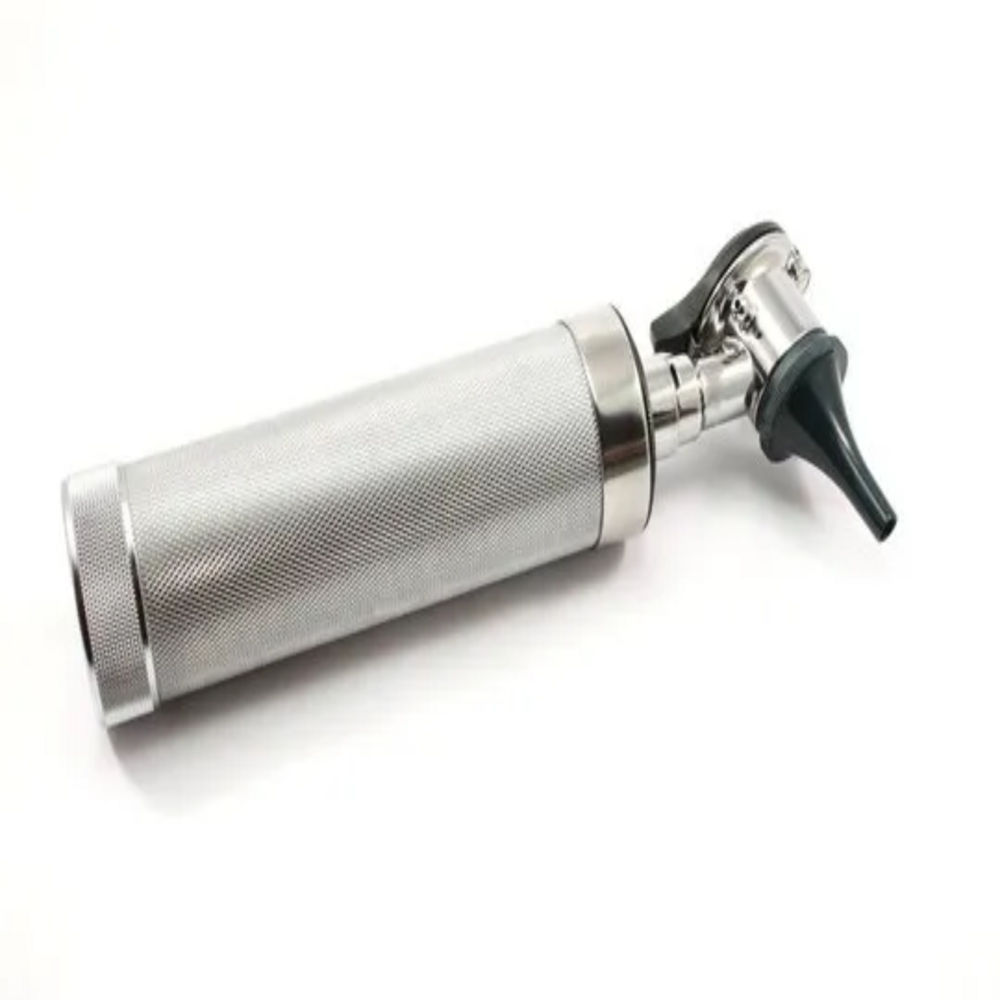
OTOSCOPE INATRUMENT
Price 1200 INR / Piece
Minimum Order Quantity : 10 Pieces
Features : Bright LED Illumination, Replaceable Specula, Durable Construction
Material : Other, Stainless Steel, Brass
Function : Inspection of ear canal and eardrum
Dimension (L*W*H) : 150mm x 30mm x 20mm
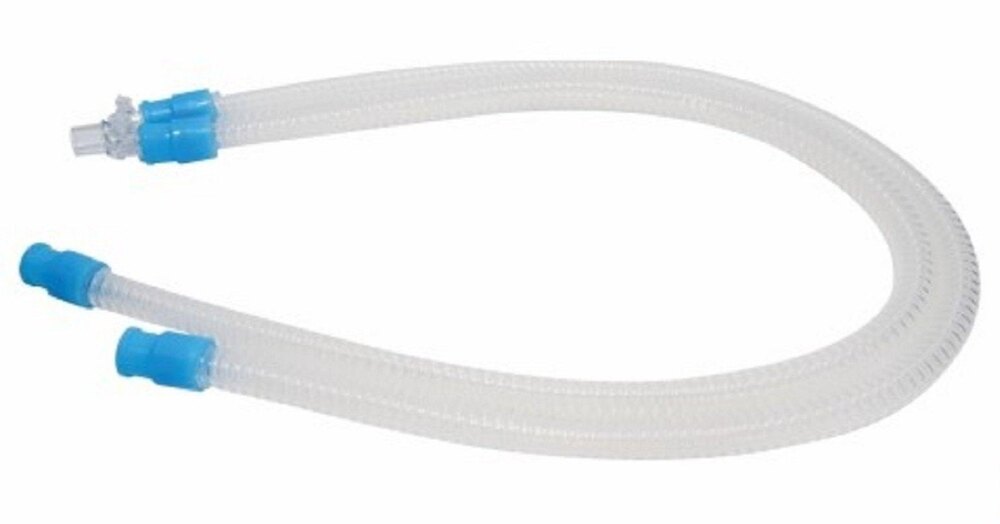
Reusable Silicon Ventilator Circuit PLAIN
Price 1450 INR / Piece
Minimum Order Quantity : 10 Pieces
Features : Flexible, Reusable, NonKinking, Atraumatic Construction
Material : Other, Medical Grade Silicone
Function : Safe Gas Delivery for Mechanical Ventilation
Dimension (L*W*H) : Standard Adult Size, Customizable
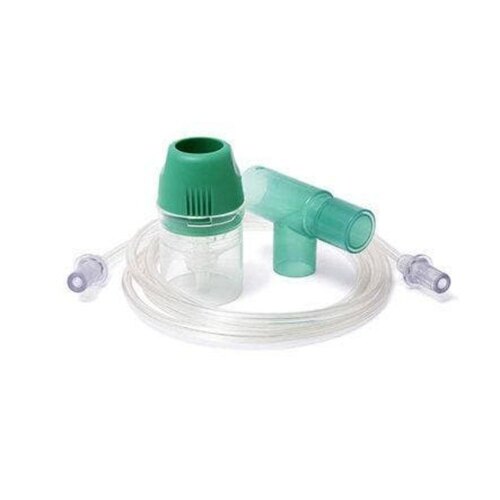
Plastic Disposable INTERSURGICAL T NEBULIZER KIT / T PICE , For Hospital, Model Name/Number: 2605
Price 12000.0 INR / Piece
Minimum Order Quantity : 10 Pieces
Features : Disposable, hygienic, nontoxic, easy to use
Material : Plastic
Function : Aerosol Medication Delivery
Dimension (L*W*H) : Standard Adult Size
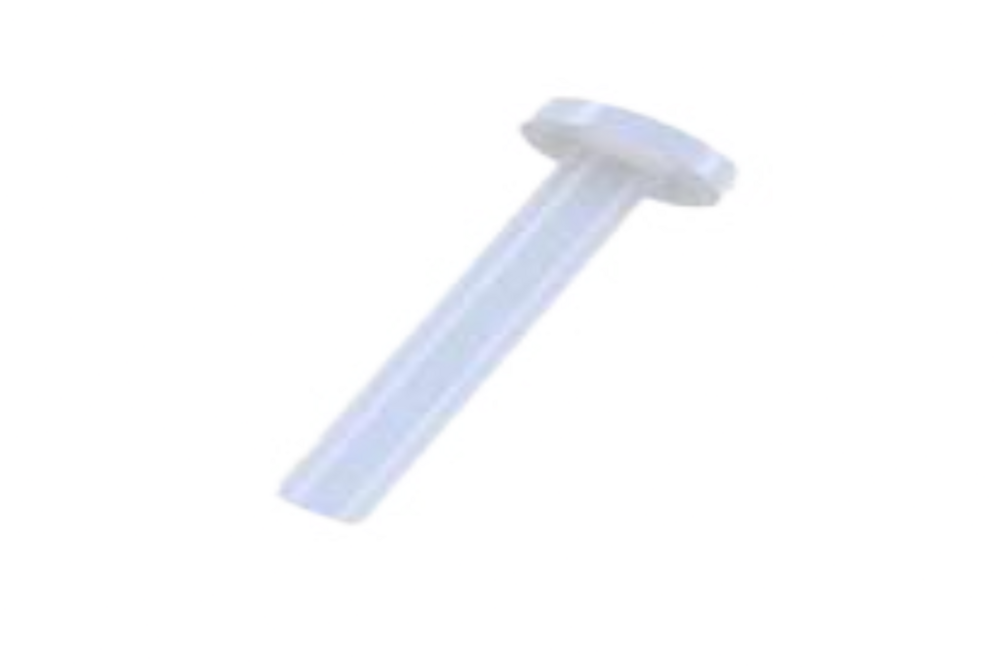
Fluoroplastic Total Prosthesis ( TORP
Price 1250 INR / Piece
Minimum Order Quantity : 10 Pieces
Features : Biocompatible, nonreactive, lightweight, customizable length, high mechanical stability
Material : Other, Medical grade fluoroplastic (Polytetrafluoroethylene, PTFE)
Function : Restores hearing by replacing damaged ossicles
Dimension (L*W*H) : Varies; commonly 2.54.5 mm (length) x 0.4 mm (diameter)

Mark Enterprises
GST : 09CGDPG2368E1ZJ
GST : 09CGDPG2368E1ZJ
56/A, Gali No-3, Jai Bharat Enclave, Sahibabad, Lajpat Nagar,Ghaziabad - 201005, Uttar Pradesh, India
Phone :08045813058

 Send Inquiry
- Breathing Circuit and Accessories
- Airway Management
- Intubation Devices And Accessories
- Tracheostomy Tube
- Endotracheal Tube
- Anaesthesia Face Mask
- CPAP And BIPAP Mask And Accessories
- HMES And HMFS Breathing Filter
- Oxygen And Nebulization Therapy Products
- Neonatal Care Products
- Gel Positioner
- Medical Grade CSSD Products
- Catheter Kit
- Suction Tube
- Besmed NICU Care Products
- Surgical Gown
- Nasal Cannula
- Urology Products
- Infusion Pump
- Prone Head Positioner With Mirror
- Cautery Pencil
- Pulse Oximeter
- Nebulizer Machine
- Foley Catheter
- Oxygen Flow Meter
- Strile Spiral Extension Line
- Yankauer Suction Set
- CPAP System
- AIRWAY TUBE
- AMBU BEG
 Send Inquiry
 Send SMS
 Call Me Free
Mark Enterprises
All Rights Reserved.(Terms of Use)
Developed and Managed by Infocom Network Private Limited.
Developed and Managed by Infocom Network Private Limited.

