

Call us now
08045813058
Stapes Prosthesis Crimping Forcep
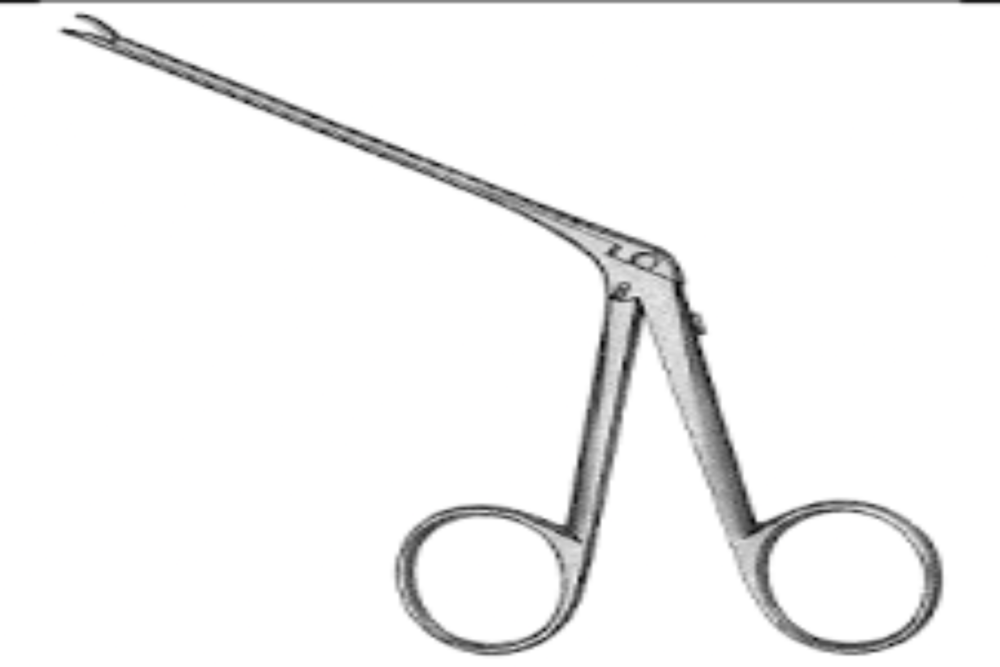
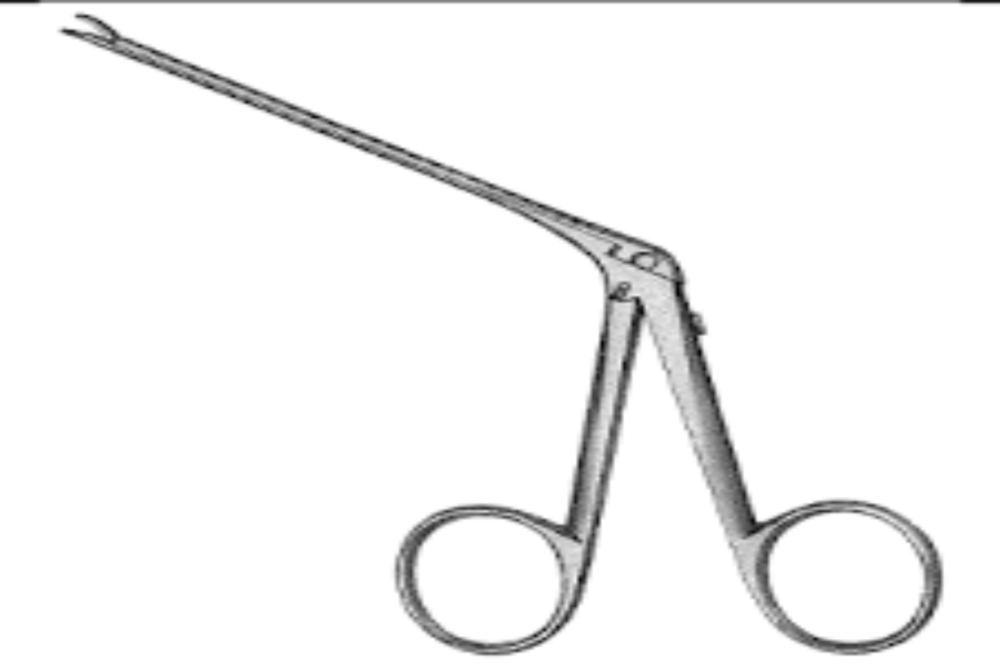
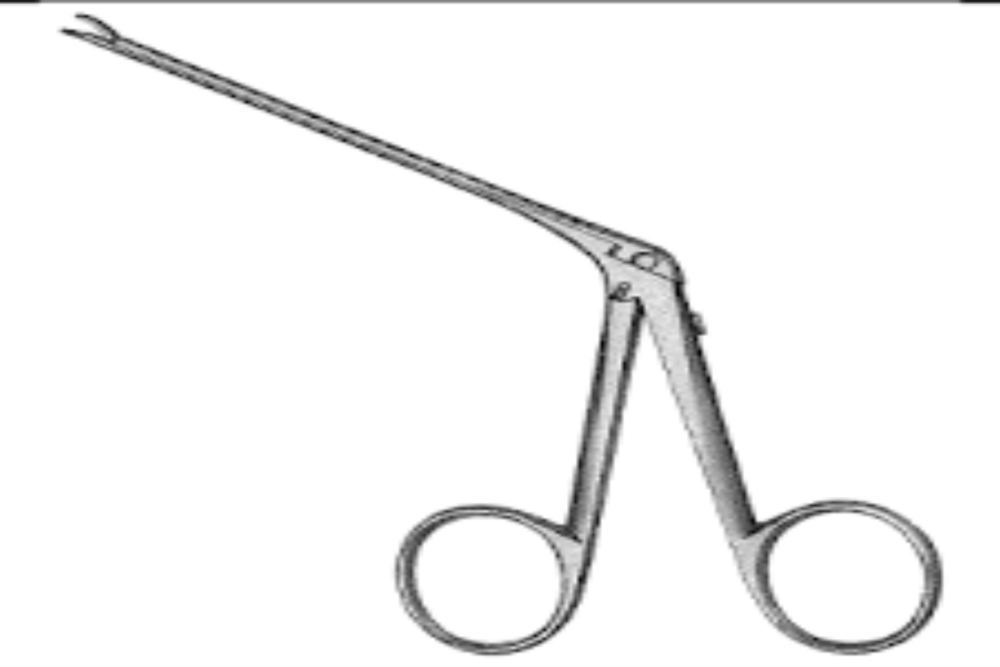
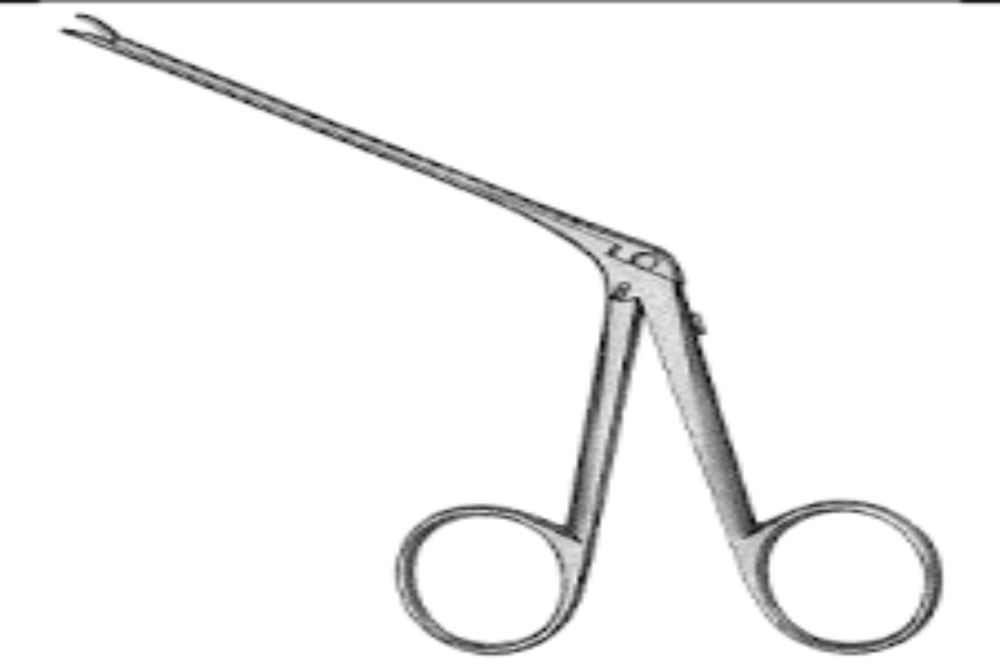

Stapes Prosthesis Crimping Forcep Specification
- Usage Type
- Reusable
- Features
- High precision, smooth grip, rust-resistant, ergonomic design
- Function
- Crimping stapes prosthesis during middle ear surgery
- Storage Instructions
- Store in a dry, clean environment
- Instruments Type
- Surgical Forceps
- Shelf Life
- 5+ Years with Proper Care
- Accuracy
- High
- Equipment Type
- Stapes Prosthesis Crimping Forcep
- Material
- Stainless Steel
- Condition
- New
- Technology
- Manual
- Portable
- Yes
- Wall Mounted
- No
- Real-Time Operation
- Yes
- Noise Level
- Silent
- Operating Type
- Manual
- Use
- Otolaryngology, ENT Surgery
- Dimension (L*W*H)
- Approx. 11.5 cm Length
- Weight
- Approx. 25 g
- Color
- Silver
- Tip Type
- Fine, serrated tip for secure grasping
- Corrosion Resistant
- Yes, medical grade
- Packing Type
- Individually packed in sterile pouch
- Biocompatibility
- Yes, surgical grade
- Autoclavable
- Yes, up to 134°C
- Finish
- Matte for anti-glare use
- Handle Design
- Spring action for controlled crimping
- Application
- Middle ear microsurgery, stapes surgery
- Latex-Free
- Yes
About Stapes Prosthesis Crimping Forcep
Stapes Prosthesis Crimping ForcepDifferent types of forceps are used to crimp stapes prostheses during stapes surgery. The choice of forceps can affect the outcome of the surgery. Here are some details:
-
MacGee Forceps: These are commonly used to fix crimp prostheses to the long process of the incus (LPI). They are used to bend the loop of the crimp prosthesis, which is designed to imitate the physiological incudostapedial joint (ISJ).
-
Alligator Forceps: Similar to MacGee forceps, alligator forceps are used to crimp the prosthesis onto the LPI. They provide a firm attachment of the prosthesis to the incus.
-
Crimp Forceps: Specifically designed for crimping, these forceps are used to bend the static loop of the crimp prosthesis around the LPI. The goal is to create a stable but mobile connection that mimics the natural joint.
-
90 Hook: This tool is used to push clips over the LPI when using a CliP Piston prosthesis. Unlike crimp prostheses, the CliP Piston is pushed onto the LPI without the need for bending a loop.
The choice of forceps and the technique used can influence the surgical time and the hearing outcome. Proper crimping is crucial for achieving optimal sound transmission and hearing improvement in patients undergoing stapes surgery for otosclerosis.
Engineered for Precision and Comfort
Designed with a high-precision fine serrated tip, the Stapes Prosthesis Crimping Forcep enables surgeons to securely grasp and manipulate prostheses during delicate stapes surgeries. Its spring-action handle ensures a smooth, controlled crimping operation, boosting both accuracy and surgical outcomes. The ergonomic design enhances comfort, allowing for extended use without fatigue.
Safe, Durable, and Easy to Maintain
Manufactured from medical-grade stainless steel, this crimping forcep is highly resistant to corrosion and rust, ensuring longevity. The instrument is completely autoclave-safe up to 134C and free from latex, reducing allergy risks. Biocompatible and reusable, it offers a shelf life over five years when stored in a dry, clean environment.
Sterile and Suitable for Real-Time ENT Surgery
Each forcep is individually packaged in a sterile pouch, ensuring immediate readiness for surgical procedures. With its silent operation and manual, real-time control, it supports the needs of otolaryngology (ENT) professionals in both clinical and hospital settings across India.
FAQ's of Stapes Prosthesis Crimping Forcep:
Q: How is the Stapes Prosthesis Crimping Forcep used during middle ear surgery?
A: This forcep is utilized to securely crimp the stapes prosthesis in place during middle ear microsurgery. Its fine, serrated tip enables precise grasping, and the spring-action handle allows controlled application of force for accurate placement.Q: What are the sterilization instructions for this crimping forcep?
A: The forcep can be sterilized using standard autoclave procedures at temperatures up to 134C. Ensure the instrument is cleaned and dried before autoclaving, then store it in a sterilized, dry environment to maintain its integrity.Q: When should the Stapes Prosthesis Crimping Forcep be replaced?
A: With proper care and maintenance, this reusable instrument boasts a shelf life of over five years. Replace it if you notice signs of corrosion, malfunction, or physical damage affecting its precision.Q: Where can this surgical forcep be used?
A: It is ideal for use in otolaryngology clinics and hospital operating theaters, particularly during middle ear and stapes prosthesis surgeries. Its compact and portable design allows easy handling in any clinical setting.Q: What benefits does the spring-action handle provide during surgery?
A: The spring-action handle delivers smooth, controlled crimping, which enhances procedural accuracy and minimizes hand fatigue during prolonged use, thereby supporting optimal surgical performance.Q: How should the forcep be stored to ensure maximum longevity?
A: Store the forcep in a clean, dry environment, away from moisture and contaminants, after sterilization. This will help preserve its corrosion resistance and maintain its high performance throughout its shelf life. Get Latest Price
Tell us about your requirement

Price:
Quantity
Select Unit
- 50
- 100
- 200
- 250
- 500
- 1000+
Additional detail
Mobile number
Email

More Products in Intubation Devices And Accessories Category
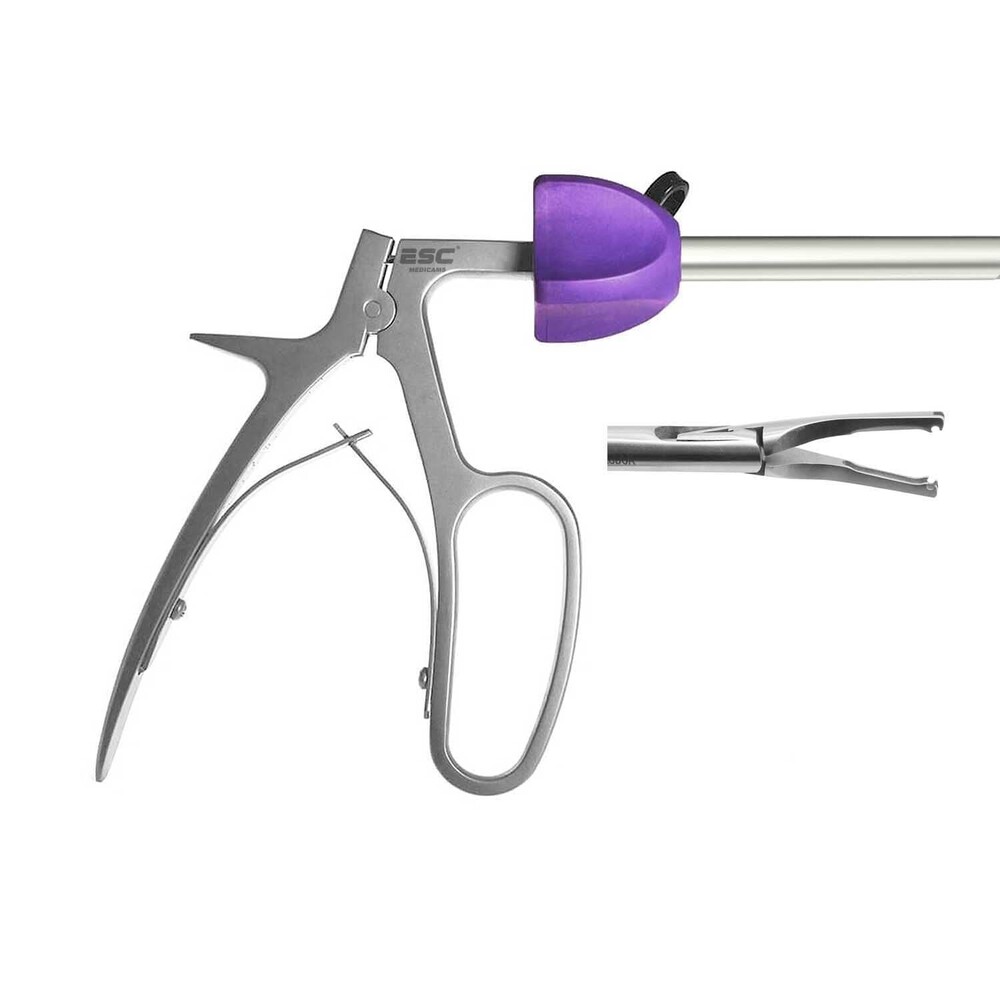
HEM O CLOCK CLIP APPLICATOR
Price 1650 INR / Piece
Minimum Order Quantity : 10 Pieces
Material : Other, Stainless Steel
Use : For applying hemolock clips in surgical procedures
Condition : New
Color : Silver
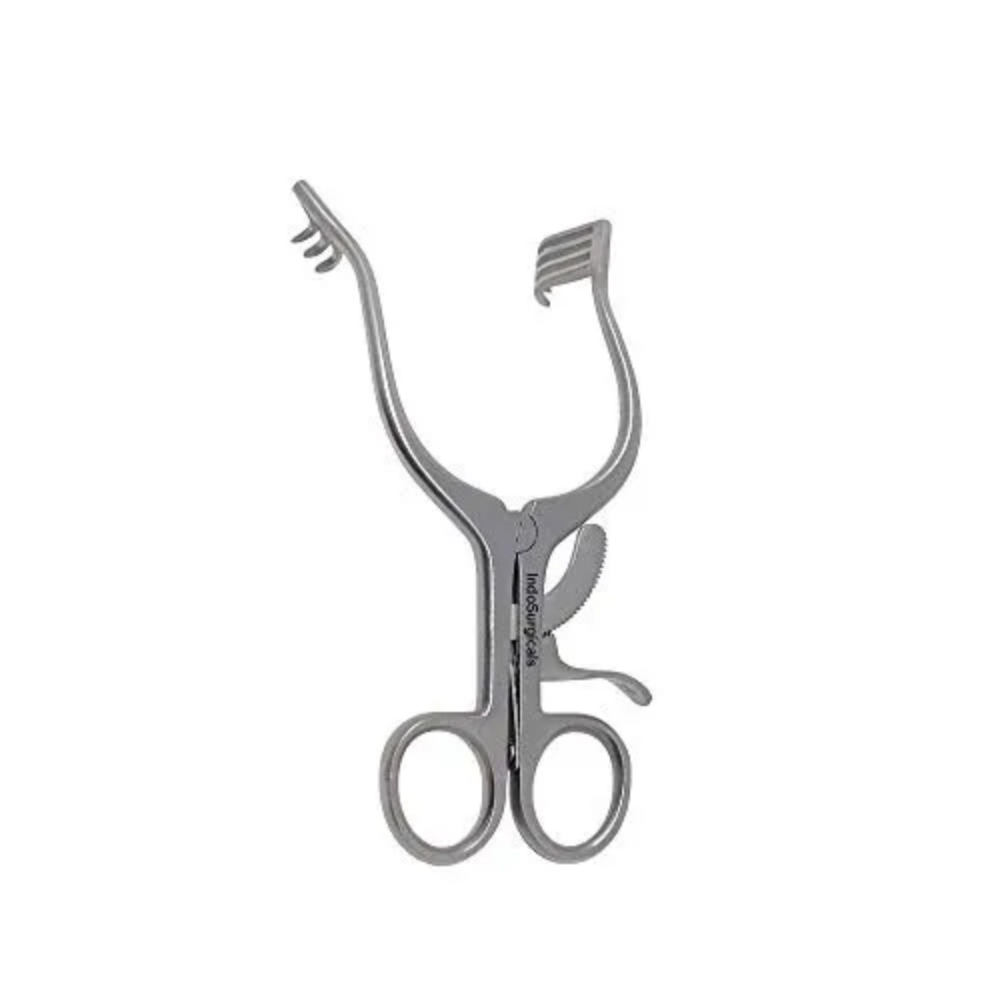
MASTOID RETRACTOR INSTRUMENT
Price 1450 INR / Piece
Minimum Order Quantity : 10 Pieces
Material : Other, Stainless Steel
Use : ENT Surgery, specifically Mastoid Procedures
Condition : New
Color : Silver (Metallic)
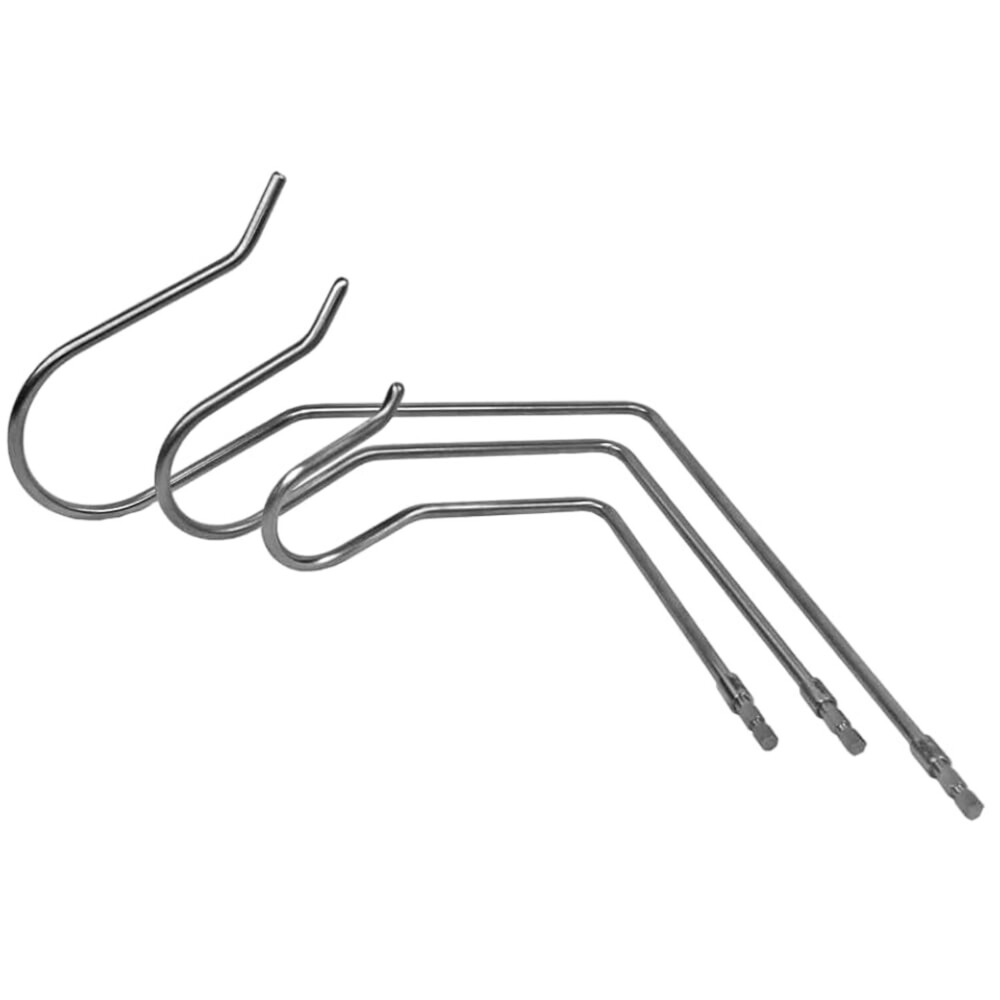
NATHANSON RETRACTOR
Price 1650 INR / Piece
Minimum Order Quantity : 10 Pieces
Material : Other, Stainless Steel
Use : Surgical retraction during open abdominal procedures
Condition : New
Color : Silver (metallic finish)
Standard Nasal Dressings
Price 1250 INR / Piece
Minimum Order Quantity : 10 Pieces
Material : Other, Highly absorbent cotton gauze
Use : Nasal wound dressing and bleeding control
Condition : New
Color : White

Mark Enterprises
GST : 09CGDPG2368E1ZJ
GST : 09CGDPG2368E1ZJ
56/A, Gali No-3, Jai Bharat Enclave, Sahibabad, Lajpat Nagar,Ghaziabad - 201005, Uttar Pradesh, India
Phone :08045813058

 Send Inquiry
- Breathing Circuit and Accessories
- Airway Management
- Intubation Devices And Accessories
- Tracheostomy Tube
- Endotracheal Tube
- Anaesthesia Face Mask
- CPAP And BIPAP Mask And Accessories
- HMES And HMFS Breathing Filter
- Oxygen And Nebulization Therapy Products
- Neonatal Care Products
- Gel Positioner
- Medical Grade CSSD Products
- Catheter Kit
- Suction Tube
- Besmed NICU Care Products
- Surgical Gown
- Nasal Cannula
- Urology Products
- Infusion Pump
- Prone Head Positioner With Mirror
- Cautery Pencil
- Pulse Oximeter
- Nebulizer Machine
- Foley Catheter
- Oxygen Flow Meter
- Strile Spiral Extension Line
- Yankauer Suction Set
- CPAP System
- AIRWAY TUBE
- AMBU BEG
 Send Inquiry
 Send SMS
 Call Me Free
Mark Enterprises
All Rights Reserved.(Terms of Use)
Developed and Managed by Infocom Network Private Limited.
Developed and Managed by Infocom Network Private Limited.

