

Call us now
08045813058
Plastic Adult Limbo Anesthesia Breathing Circuit
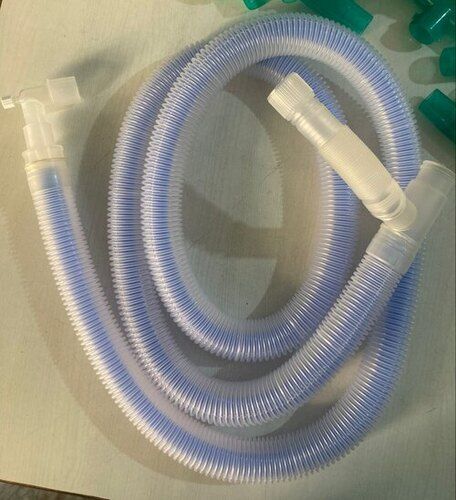
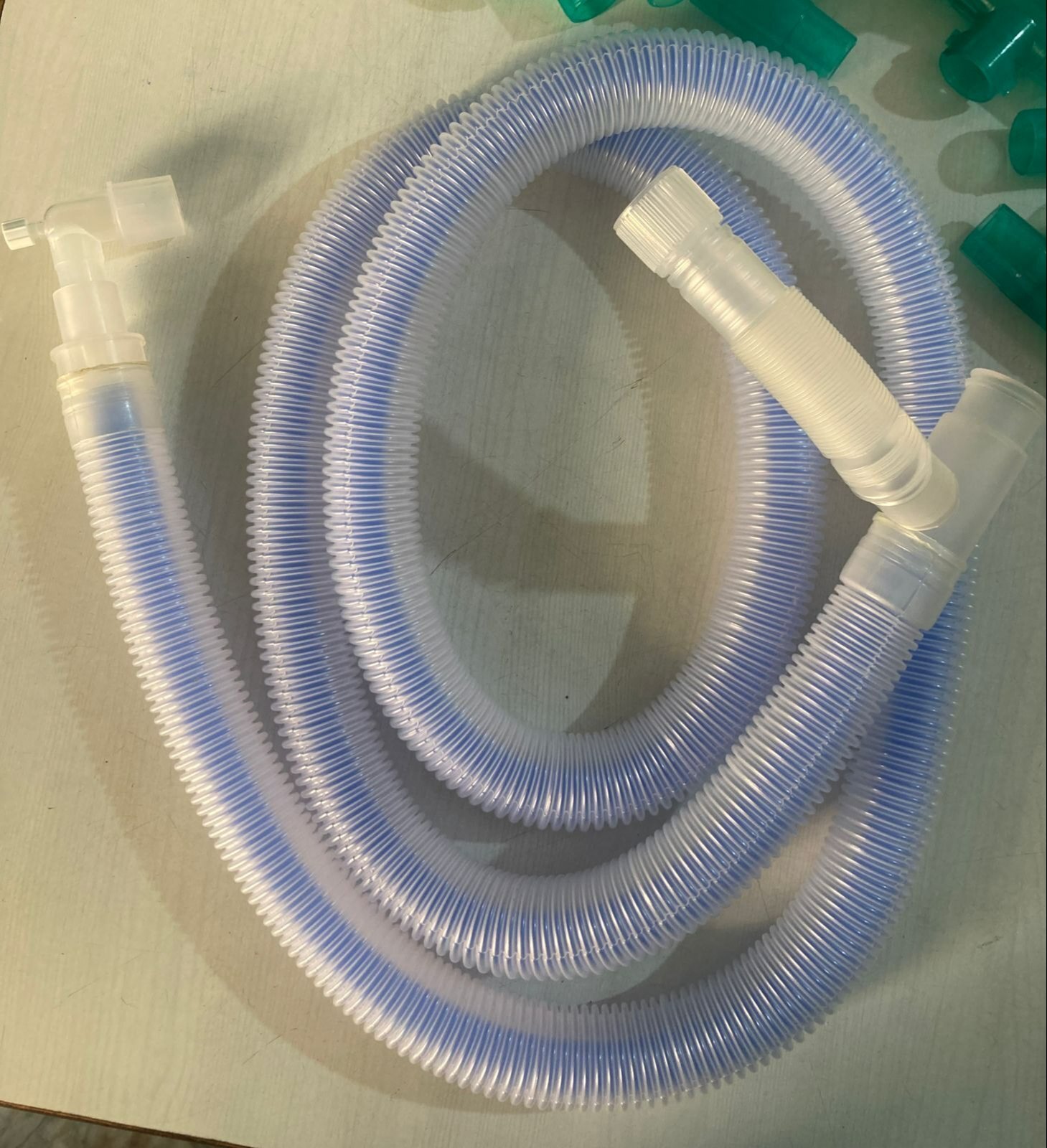
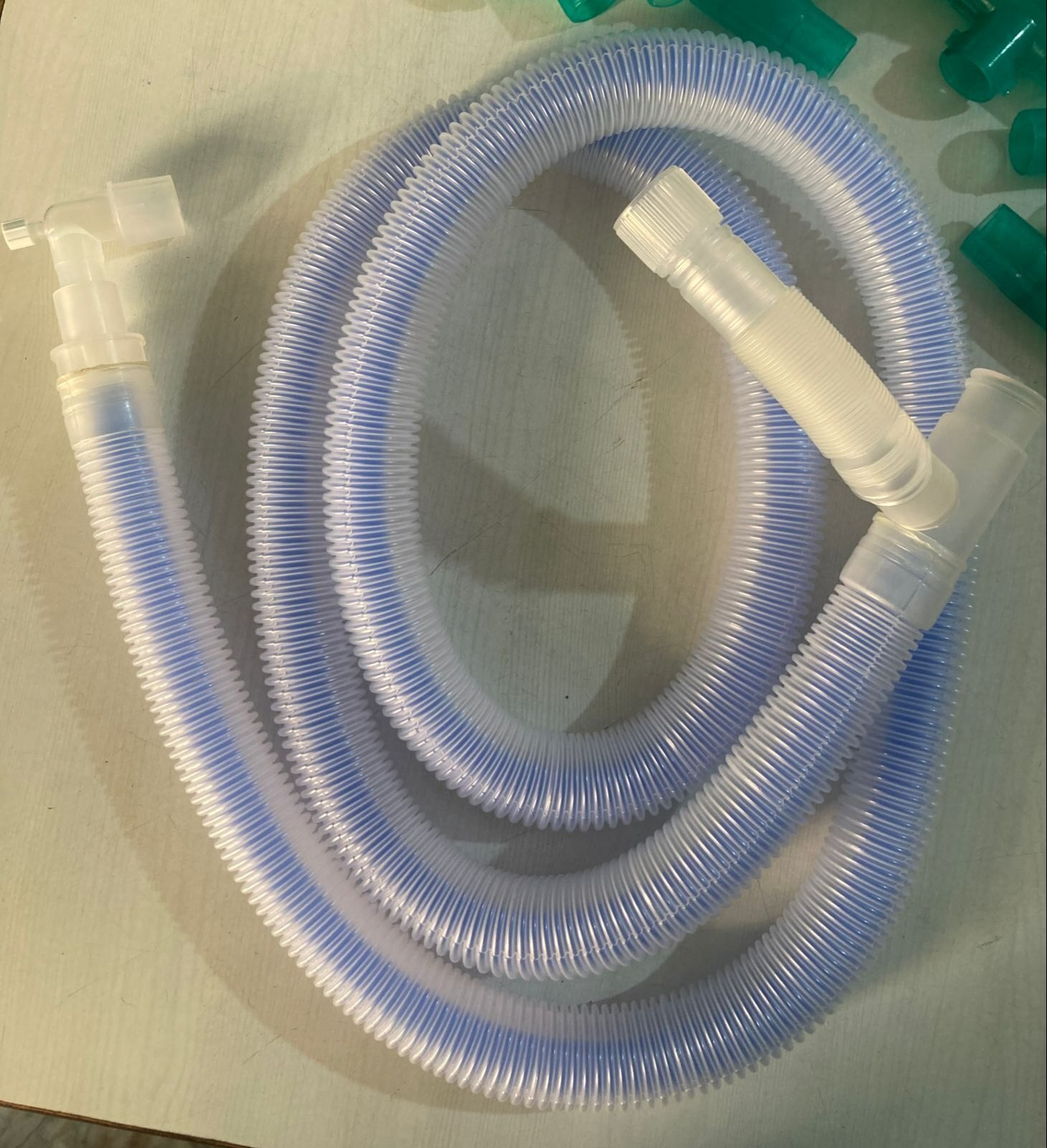
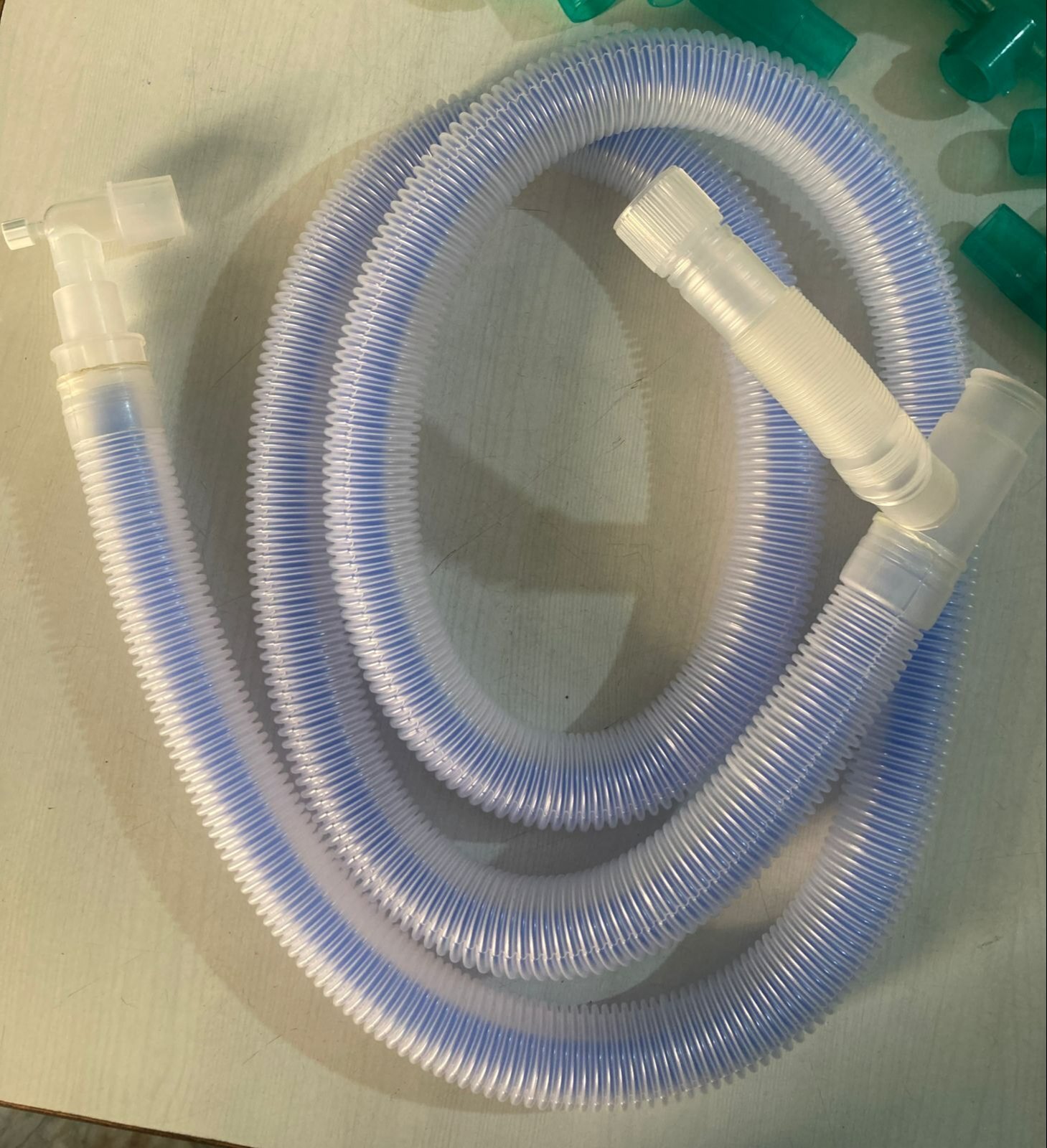
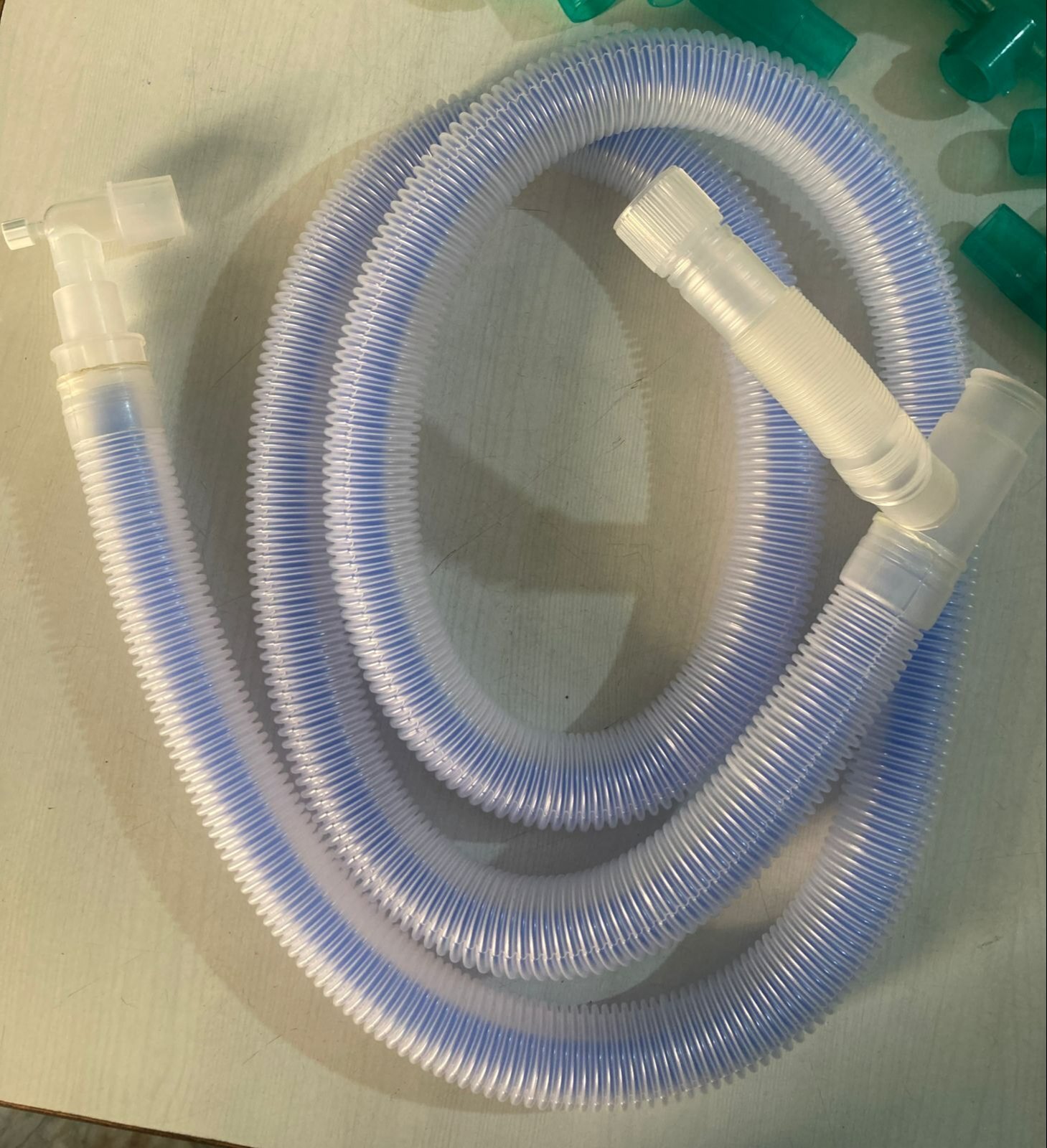
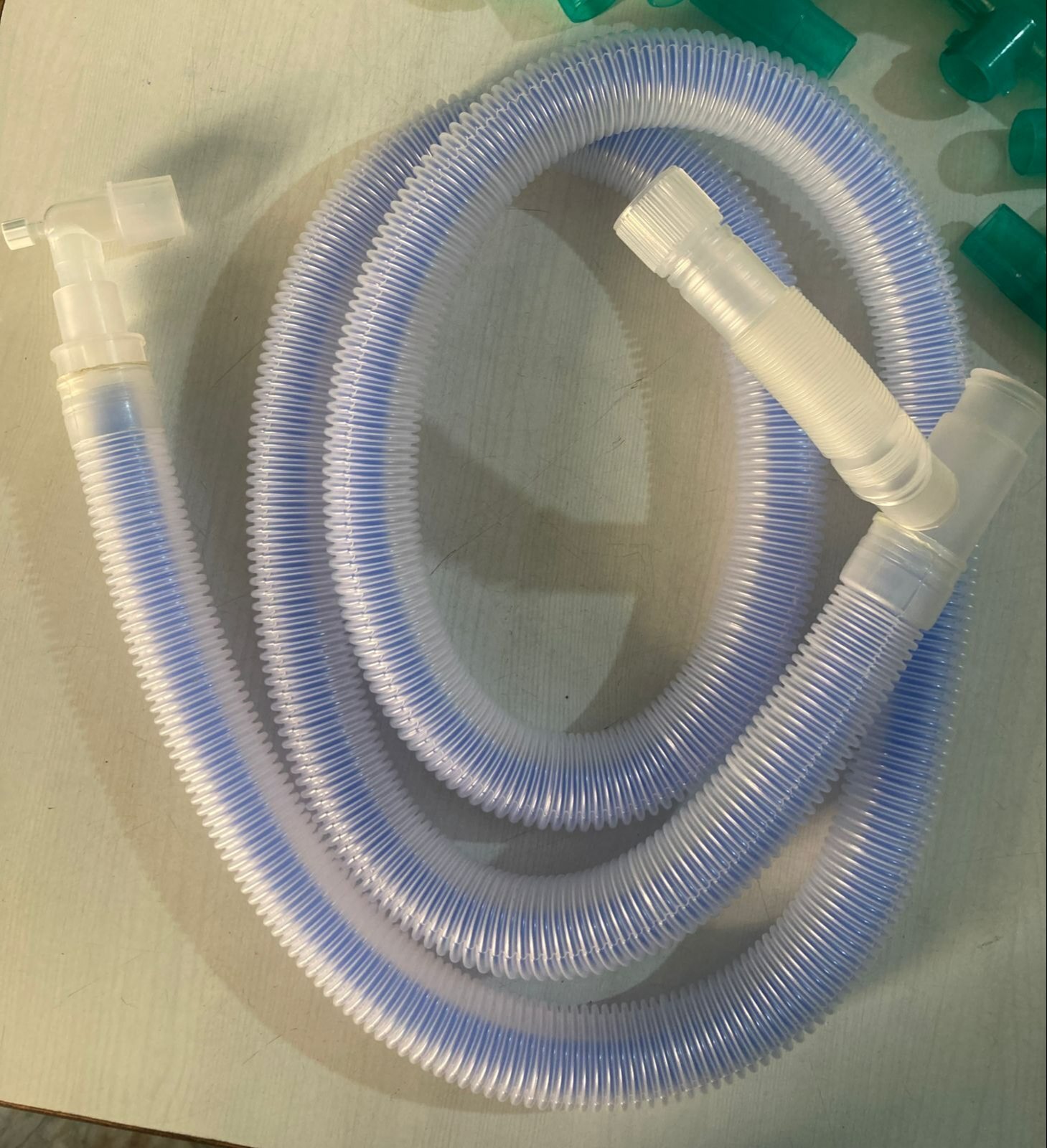

Plastic Adult Limbo Anesthesia Breathing Circuit Specification
- Usage Type
- Single Use Only
- Instruments Type
- Medical Breathing Circuit
- Shelf Life
- 3-5 Years
- Storage Instructions
- Store in Cool, Dry Place
- Features
- Disposable, Light, Kink-Resistant, Wide Bore Tubing, Universal Connectors
- Function
- Transports Anesthesia Gases to and from Patient
- Equipment Type
- Anesthesia Breathing Circuit
- Material
- Medical Grade Plastic
- Condition
- New
- Technology
- Disposable, Flexible Limb Design
- Portable
- Yes
- Wall Mounted
- No
- Real-Time Operation
- Yes
- Noise Level
- Silent Operation
- Operating Type
- Manual Assisted
- Use
- To Connect Patient to Anesthesia Machine for Respiratory Support
- Dimension (L*W*H)
- Length 1.8 m (standard adult length)
- Weight
- Lightweight (Approx 150-200g)
- Color
- Transparent with Blue/Frosted Limbo
- Intended Environment
- Operating Room, ICU
- Gas Compatibility
- Suitable for Oxygen, Nitrous Oxide, and Other Medical Gases
- Flexible Tubing
- Yes, Spiral and Smooth Bore Construction
- Latex Content
- Latex Free
- Brand/Model
- Limbo (As per image shown)
- Compliance
- ISO/DIN Standard
- Disposable
- Yes
- End cuffs
- Universal Fittings
- Sterility
- Sterile
- Connectors
- 22mm (Adult Standard)
- Patient Application
- Adult
- Accessory Components
- Elbow Adapter, Y Piece, Mask Connector
- Temperature Resistance
- Withstands Standard Operating Room Temperatures
About Plastic Adult Limbo Anesthesia Breathing Circuit
here are many forms of breathing system, each having somewhat different mechanisms of action. They have traditionally been classified by the way in which the system interacts with fresh air from the surrounding atmosphere, and by whether the patient rebreathes gases that they have previously exhaled.[1][2][3] However, there is no international standard for classifying breathing systems, and the terms "semi-open" and "semi-closed" may cause confusion in particular between US and British usage.[4] Strictly speaking, the term "circuit" is only accurate in the case of closed systems where the breathed gas completes a full circuit.[4]Advanced Breathing Circuit for Anesthesia
The Limbo Adult Anesthesia Breathing Circuit delivers safe, reliable connection between patients and anesthesia machines in surgical and intensive care environments. Its single-use, sterile design minimizes infection risk, while the universal connectors and lightweight construction enable rapid, comfortable setup for clinicians.
Enhanced Flexibility and Safety
Featuring kink-resistant, wide bore tubing and spiral/smooth bore construction, the circuit ensures consistent gas delivery, even during patient movement. The transparent tubing allows real-time observation of condensation and blockages, enhancing patient safety and care quality in high-demand healthcare settings.
FAQ's of Plastic Adult Limbo Anesthesia Breathing Circuit:
Q: How is the Adult Limbo Anesthesia Breathing Circuit used in clinical settings?
A: The circuit is used by connecting its universal 22mm connectors to an anesthesia machine and a patient interface (such as a mask or endotracheal tube). It facilitates the delivery and removal of anesthetic gases to and from the patient throughout surgical or ICU procedures.Q: What makes this breathing circuit suitable for operating rooms and ICUs?
A: Its sterile, disposable design helps prevent cross-contamination, while compliance with ISO/DIN standards, temperature resistance, and silent operation make it ideal for rigorous use in operating rooms or intensive care units.Q: When should the Limbo Anesthesia Breathing Circuit be replaced?
A: As the circuit is designed for single use only, it should be discarded immediately after each patient to maintain sterility and safety. Do not reuse or reprocess the product.Q: What are the benefits of the flexible, kink-resistant tubing in this breathing circuit?
A: The flexible, kink-resistant tubing maintains consistent airflow even if the patient or tubing is repositioned, reducing the risk of interrupted ventilation during procedures.Q: Where should the circuit be stored before use?
A: Store the circuit in a cool, dry place away from direct sunlight. Maintaining proper storage conditions extends shelf life and preserves sterility before use.Q: What accessory components are included with the circuit?
A: Each circuit comes with an elbow adapter, Y piece, and mask connector, offering versatile configurations for different clinical situations and patient requirements. Get Latest Price
Tell us about your requirement

Price:
Quantity
Select Unit
- 50
- 100
- 200
- 250
- 500
- 1000+
Additional detail
Mobile number
Email

More Products in Intubation Devices And Accessories Category
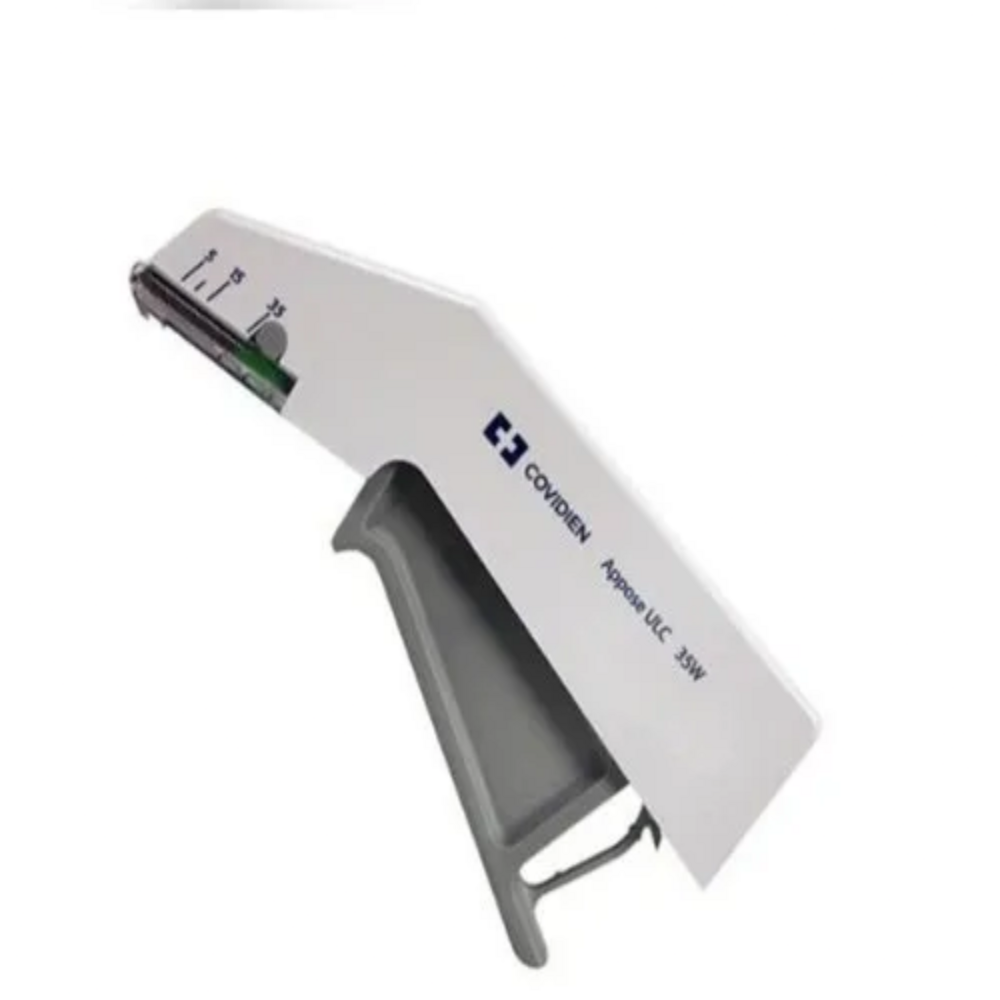
COVIDIEN APPOSE ULC SLIM SKIN BODY STAPLER
Price 1650 INR / Piece
Minimum Order Quantity : 10 Pieces
Condition : Other, New, Sterile
Color : White with Blue Accents
Material : Other, MedicalGrade Stainless Steel, Plastic
Weight : Lightweight (approx. 60g)
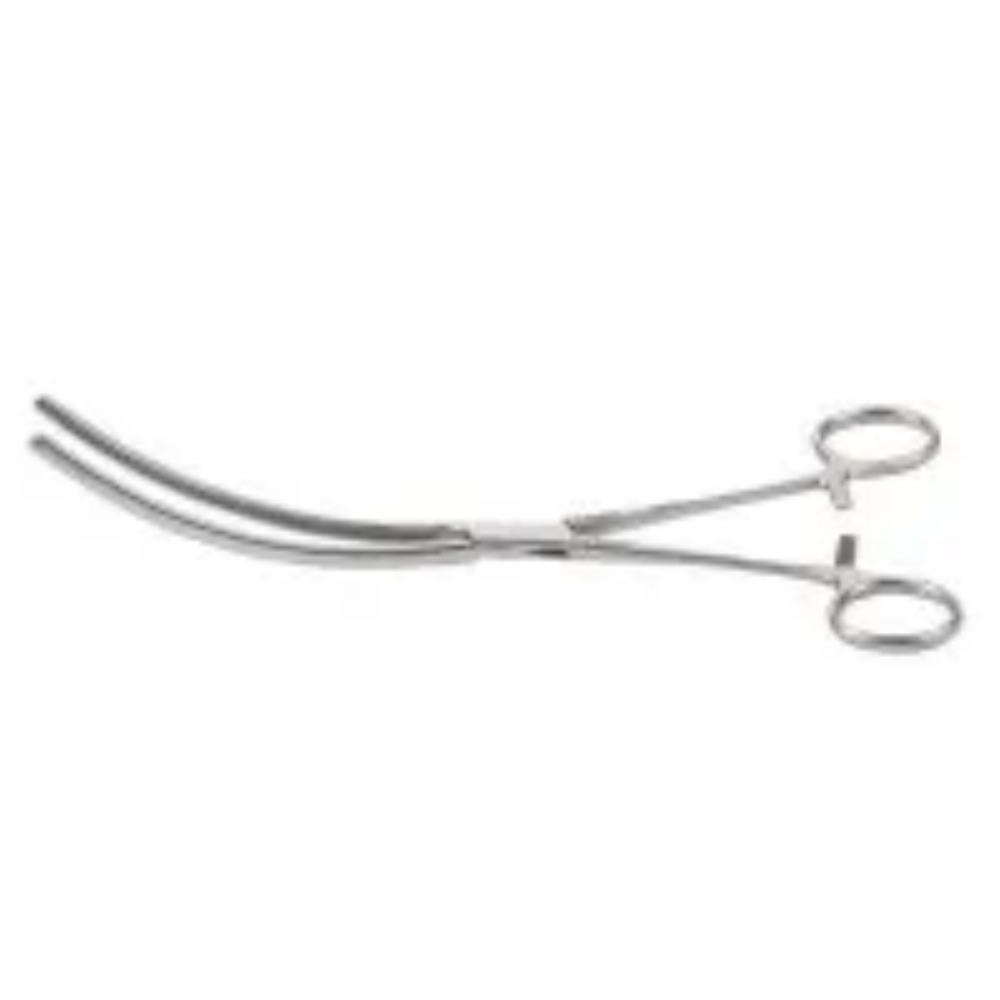
DOYEN BROAD LAGAMENT CLAMP
Price 1950 INR / Piece
Minimum Order Quantity : 10 Pieces
Condition : New
Color : Silver
Material : Other, Stainless Steel
Weight : Lightweight
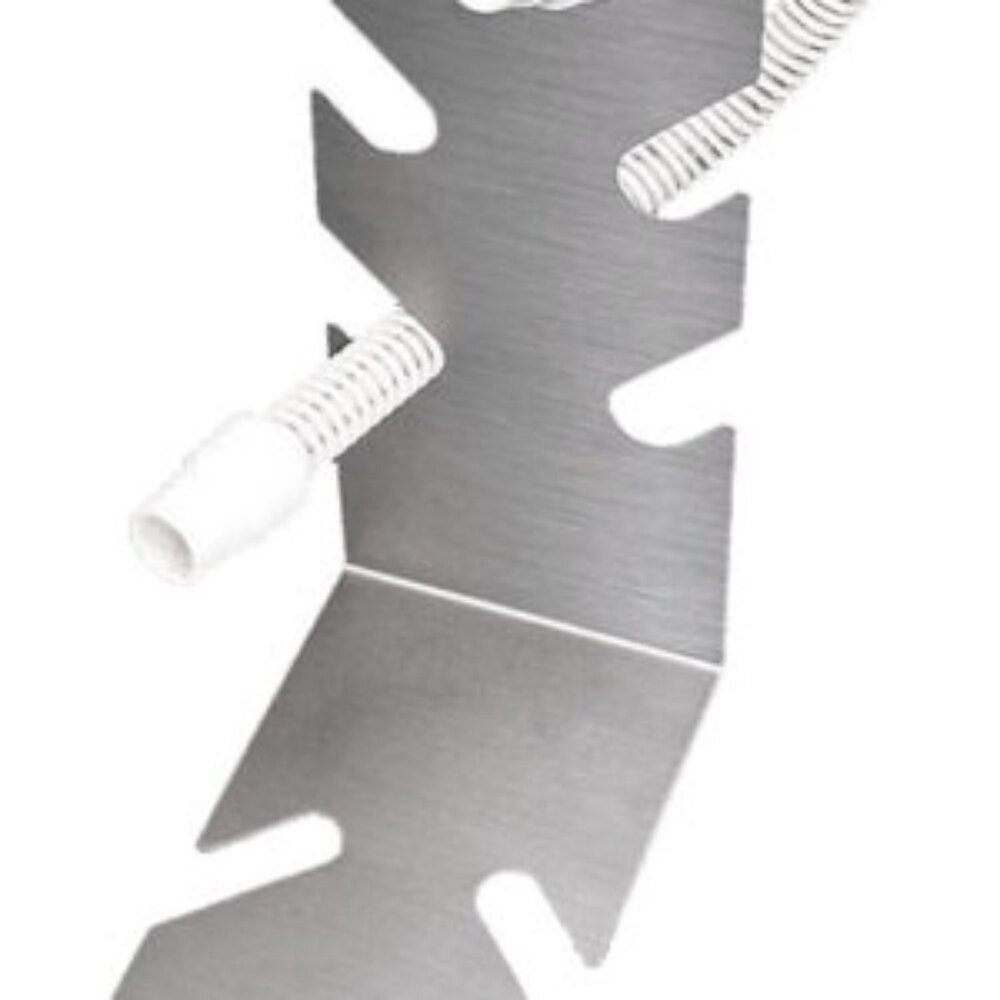
Anesthesia Ventilator Circuit Holder
Price 1650 INR / Piece
Minimum Order Quantity : 10 Pieces
Condition : New
Color : Silver
Material : Other, Stainless Steel
Weight : Approx. 350 g

MEATAL DILATOR ADULT
Price 250 INR / Piece
Minimum Order Quantity : 10 Pieces
Condition : New
Color : Silver
Material : Other, Stainless Steel
Weight : Approx. 60100 g

Mark Enterprises
GST : 09CGDPG2368E1ZJ
GST : 09CGDPG2368E1ZJ
56/A, Gali No-3, Jai Bharat Enclave, Sahibabad, Lajpat Nagar,Ghaziabad - 201005, Uttar Pradesh, India
Phone :08045813058

 Send Inquiry
- Breathing Circuit and Accessories
- Airway Management
- Intubation Devices And Accessories
- Tracheostomy Tube
- Endotracheal Tube
- Anaesthesia Face Mask
- CPAP And BIPAP Mask And Accessories
- HMES And HMFS Breathing Filter
- Oxygen And Nebulization Therapy Products
- Neonatal Care Products
- Gel Positioner
- Medical Grade CSSD Products
- Catheter Kit
- Suction Tube
- Besmed NICU Care Products
- Surgical Gown
- Nasal Cannula
- Urology Products
- Infusion Pump
- Prone Head Positioner With Mirror
- Cautery Pencil
- Pulse Oximeter
- Nebulizer Machine
- Foley Catheter
- Oxygen Flow Meter
- Strile Spiral Extension Line
- Yankauer Suction Set
- CPAP System
- AIRWAY TUBE
- AMBU BEG
 Send Inquiry
 Send SMS
Mark Enterprises
All Rights Reserved.(Terms of Use)
Developed and Managed by Infocom Network Private Limited.
Developed and Managed by Infocom Network Private Limited.

