

Call us now
08045813058
Ventilator Circuits
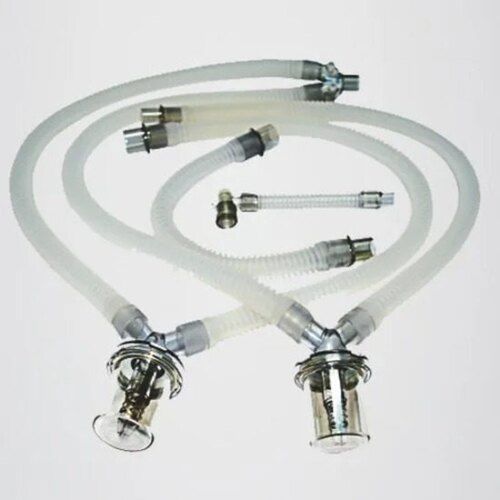
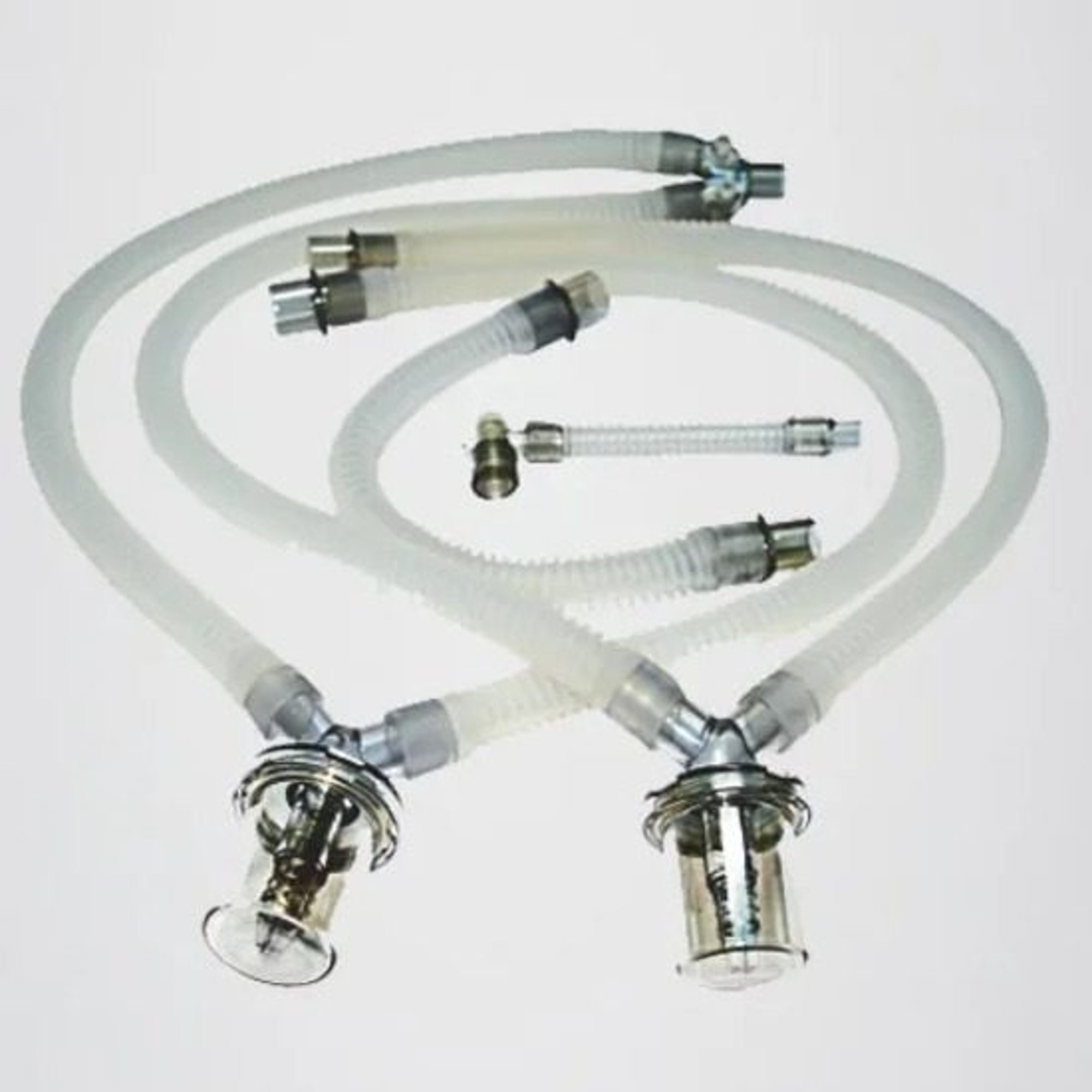
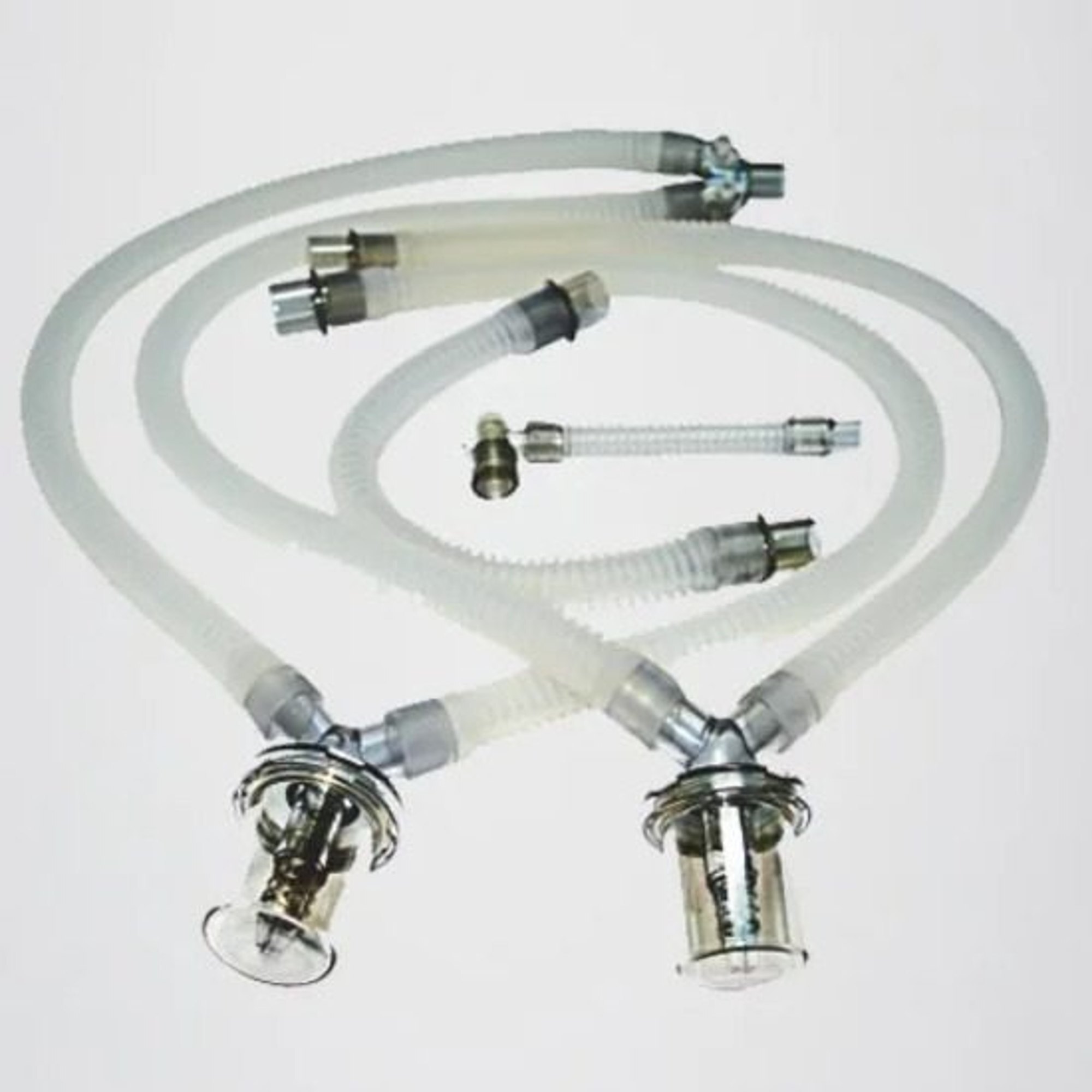
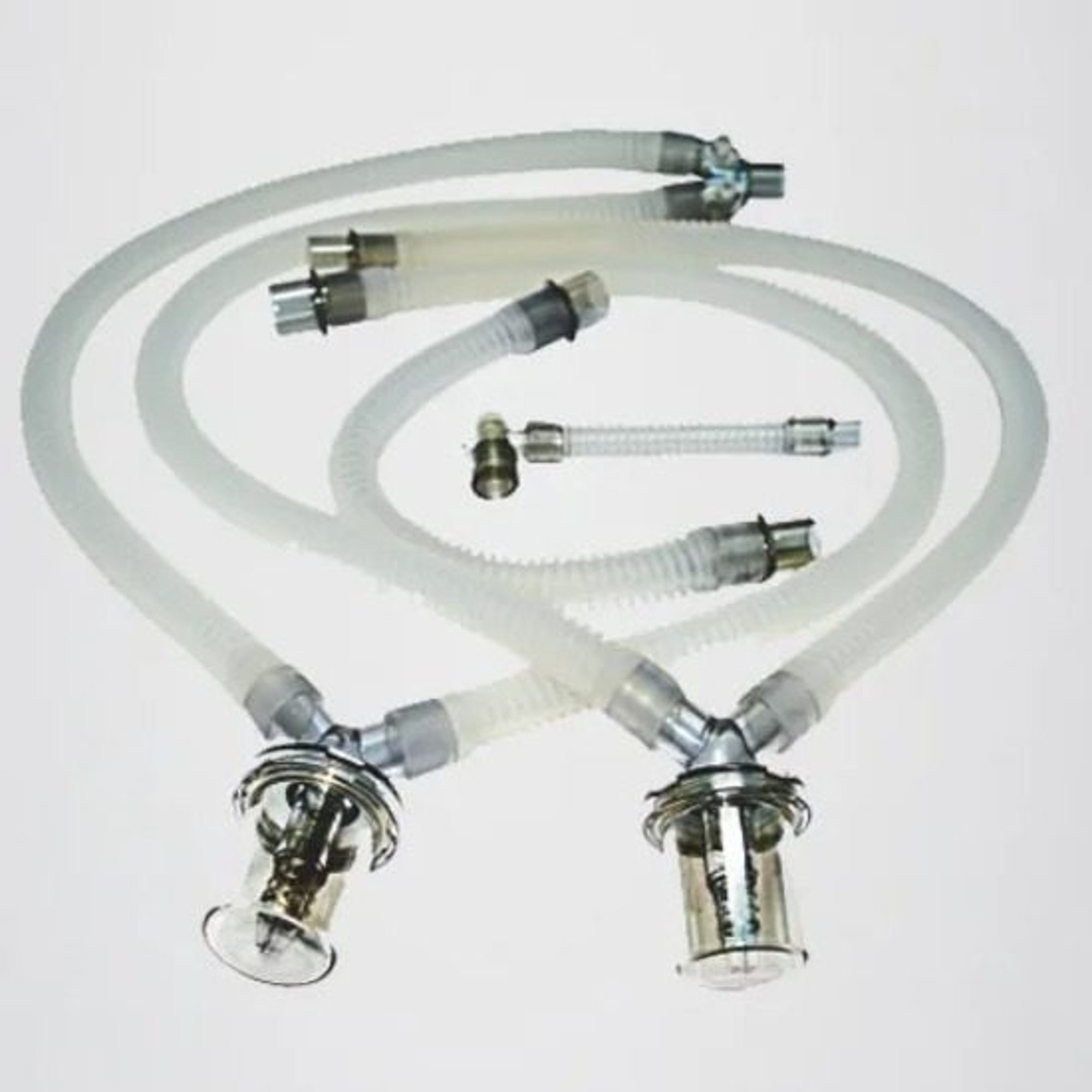
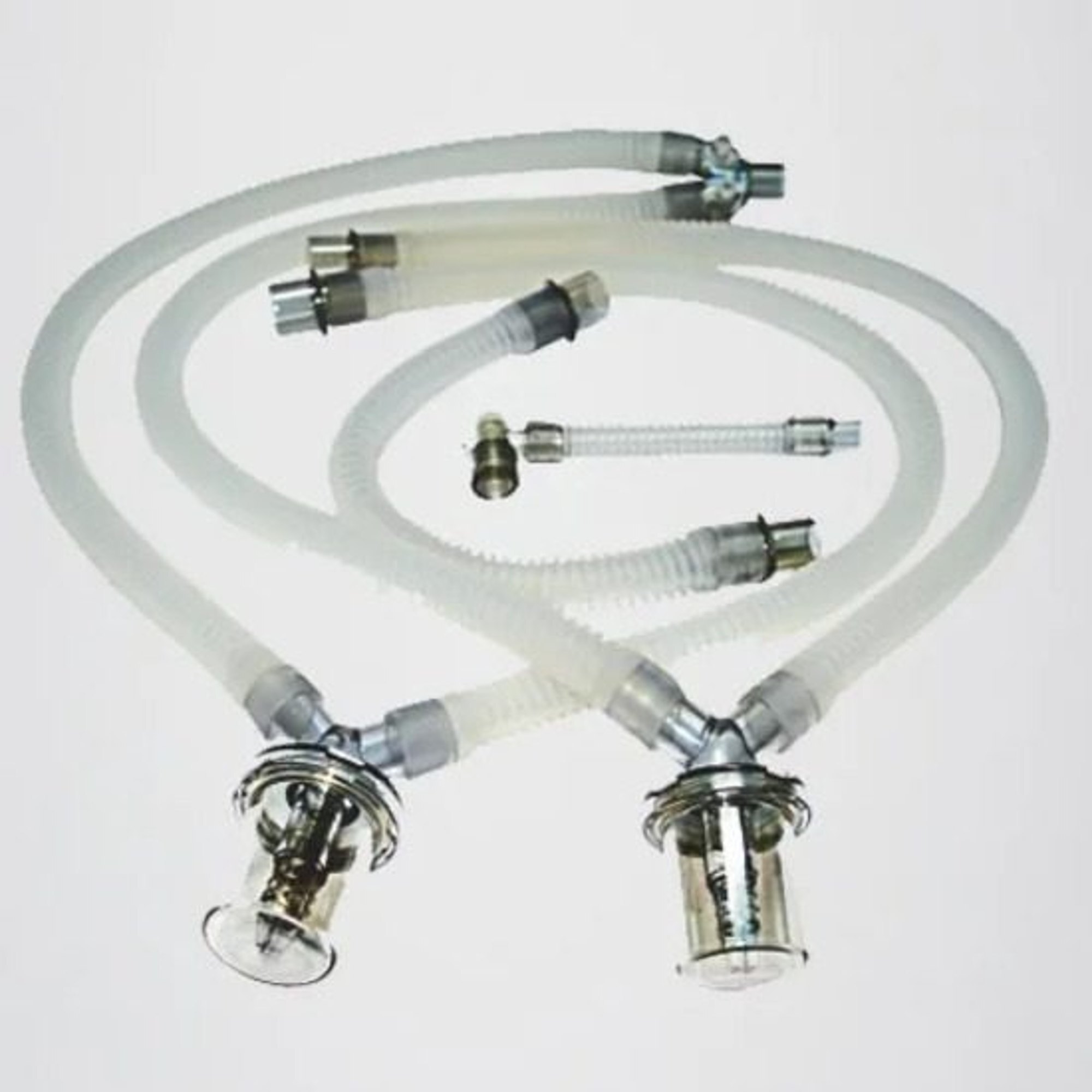
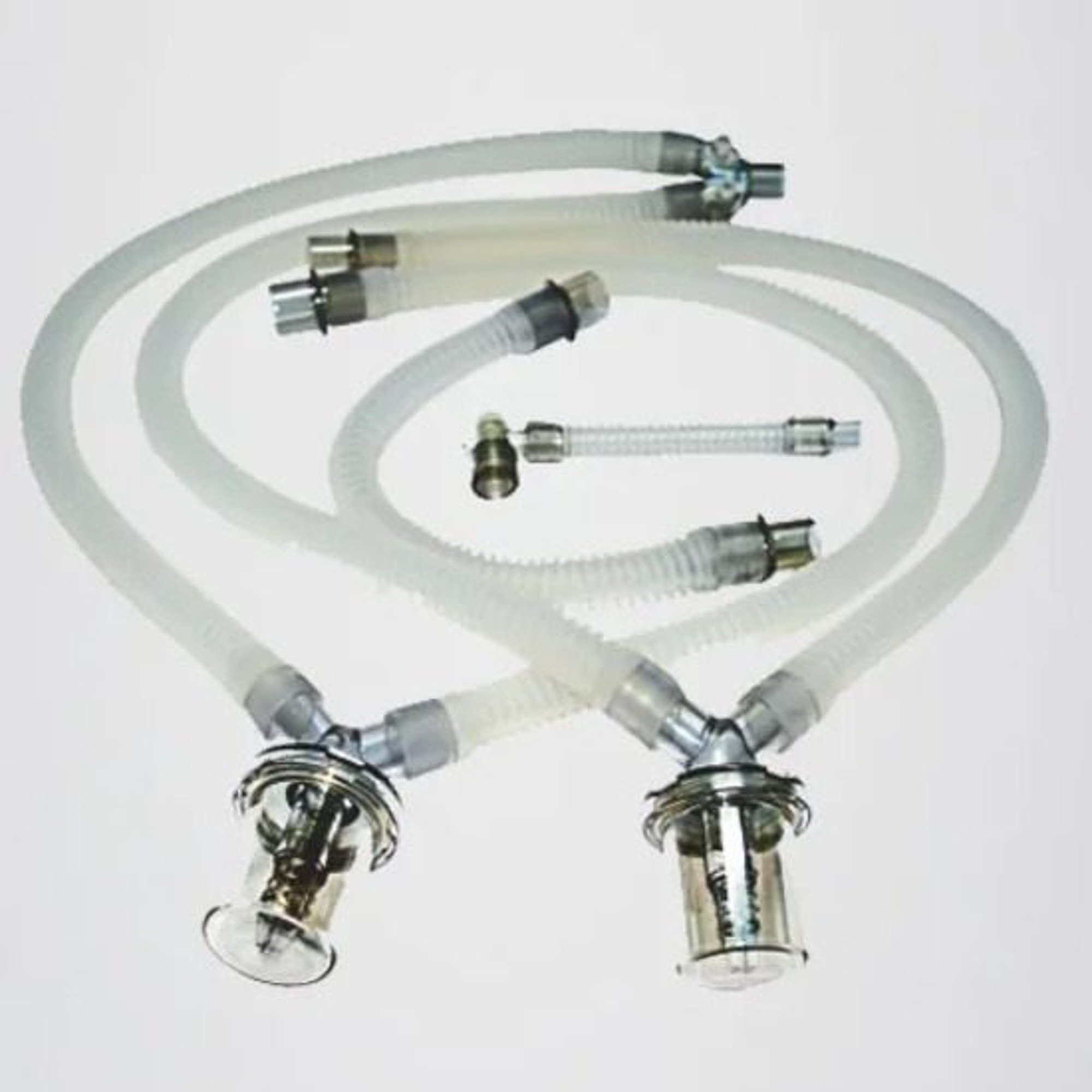

Ventilator Circuits Specification
- Shelf Life
- 2-5 Years
- Features
- Flexible, kink resistant, gas tight seal, universal connectors, leak proof, smooth bore
- Storage Instructions
- Store in a cool, dry place away from direct sunlight
- Accuracy
- High, leak tested for safety
- Usage Type
- Hospital, ICU, Emergency, Anesthesia
- Function
- Breathing circuit for ventilator connection
- Measurement Range
- Adult and Pediatric sizes available
- Instruments Type
- Respiratory care circuit
- Equipment Type
- Ventilator Circuits
- Material
- Medical Grade PVC, Silicone
- Condition
- New
- Technology
- Single Use, Disposable
- Portable
- Yes
- Wall Mounted
- No
- Real-Time Operation
- Yes
- Noise Level
- Silent
- Operating Type
- Manual/Automatic
- Use
- Provides respiratory support by delivering gases to patient
- Dimension (L*W*H)
- Standard adult/paediatric length (150-180 cm)
- Weight
- Lightweight (approx. 200-300 g)
- Color
- Transparent, Blue, Green
- Anti-kink Properties
- Yes
- Tube Diameter
- 22 mm (Adult), 15 mm (Pediatric)
- Latex Content
- Latex Free
- Patient End Connection
- Universal fit for masks and endotracheal tubes
- Humidity Compatibility
- Can be used with heated humidifiers
- Sterility
- Sterile, EO Sterilized
- Application
- Compatible with all standard ventilator systems
- Compliance Standard
- ISO 5367, CE Marked
- Pressure Resistance
- Up to 90 cm H2O
- Reusability
- Single-use (Disposable)
- Gas Compatibility
- Compatible with Air, Oxygen, Medical Gases
- Connector Type
- Standard ISO 22/15 mm connectors
- Packaging
- Individually packed
About Ventilator Circuits
A breathing circuit is those parts of a breathing apparatus (or breathing system), which direct the flow of supplied breathing gas to, and sometimes from, the user. The breathing circuit may be open, closed, or semi-closed, depending on whether breathing gas is recycled. A closed or semi-closed circuit will include components which remove carbon dioxide from the exhaled gas and add oxygen before it is delivered for inhalation, so that the mixture remains stable and suitable for supporting life. Terminology may vary slightly between fields of application. In diving and industrial rebreathers, the closed or semi-closed breathing circuit may also be called the loop, or breathing loop. In medical equipment the closed or semi-closed circuit may be called the circle system.
A medical breathing system or medical breathing circuit is a medical device used to deliver oxygen, remove carbon dioxide, and deliver inhalational anaesthetic agents to a patient. Originally developed for use in anaesthesiology, many variants of breathing system are in clinical use, but most comprise a source of fresh gas flow, a length of breathing tubing to direct the gas, an adjustable pressure limiting valve to control pressure within the system and direct waste away, and a reservoir bag to allow assisted ventilation.[1]
Optimal Compatibility and Safety
Engineered to seamlessly connect with all standard ventilator systems, these circuits ensure a universal fit for both masks and endotracheal tubes. The inclusion of ISO 22/15 mm standard connectors and European CE certification guarantees compliance with rigorous safety standards. Manufactured from medical-grade, latex-free materials, the circuits are suitable for use in hospitals, ICUs, anesthesia departments, and emergency settings.
Advanced Design for Patient Comfort
Each circuit integrates innovative features such as kink resistance, a smooth-bore interior, and a gas-tight seal, ensuring maximized airflow without leaks or interruptions. Their lightweight structure, flexibility, and transparent color facilitate easy monitoring and handling during real-time manual or automatic ventilator operation, supporting both adult and pediatric care.
FAQ's of Ventilator Circuits:
Q: How are these ventilator circuits used in clinical practice?
A: These circuits are connected to ventilators to deliver respiratory gases (air, oxygen, or other medical gases) to patients. They feature standard ISO 22/15 mm universal connectors, making them suitable for all masks and endotracheal tubes during ventilation in hospitals, ICUs, anesthesia, or emergency care settings.Q: What are the benefits of using EO-sterilized, single-use ventilator circuits?
A: Using EO-sterilized, disposable circuits minimizes the risk of cross-contamination and infection. The circuits are individually packed for hygiene, ensuring safe, single-patient use without requiring cleaning or reprocessing between patients.Q: Where should these circuits be stored to maintain sterility and performance?
A: For best performance, store the ventilator circuits in a cool, dry place away from direct sunlight. Proper storage preserves the sterile barrier and extends the shelf life, which ranges from 2 to 5 years.Q: When should the ventilator circuit be replaced?
A: Being single-use devices, these circuits should be replaced after one use or whenever a new patient requires respiratory support. Reusing disposable circuits is not recommended to ensure patient safety and infection control.Q: What features ensure these circuits maintain a secure and efficient fit during ventilation?
A: The circuits incorporate flexible, kink-resistant tubing, universal ISO connectors, leak-proof construction, and a smooth bore, providing a stable, efficient, and gas-tight connection. These features help maintain consistent airflow and reduce the risk of air leakage or disconnection.Q: How do the circuits accommodate both adult and pediatric patients?
A: Ventilator circuits are available in standard adult (22 mm) and pediatric (15 mm) sizes and come in lengths of 150-180 cm. Their versatile design allows safe and effective use across a broad patient population. Get Latest Price
Tell us about your requirement

Price:
Quantity
Select Unit
- 50
- 100
- 200
- 250
- 500
- 1000+
Additional detail
Mobile number
Email

More Products in Intubation Devices And Accessories Category
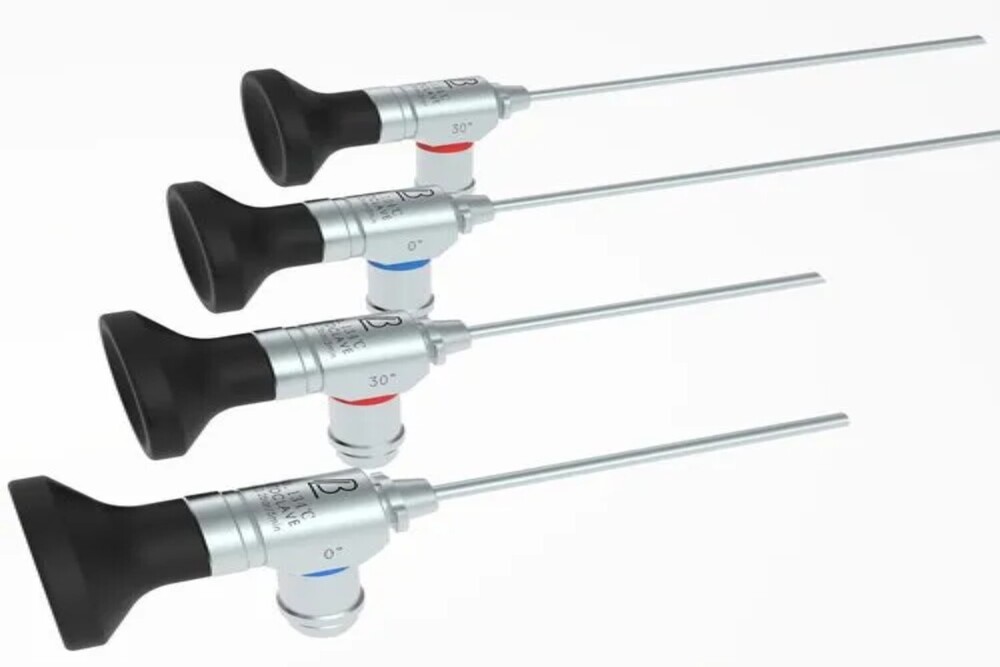
SINOSCOPE / ARTHROSCOPE
Price 2000 INR / Piece
Minimum Order Quantity : 10 Pieces
Instruments Type : Endoscopic/Minimally Invasive Surgical Instrument
Color : Silver & Black
Portable : Yes
Use : Arthroscopic Surgery, Diagnostic Procedures
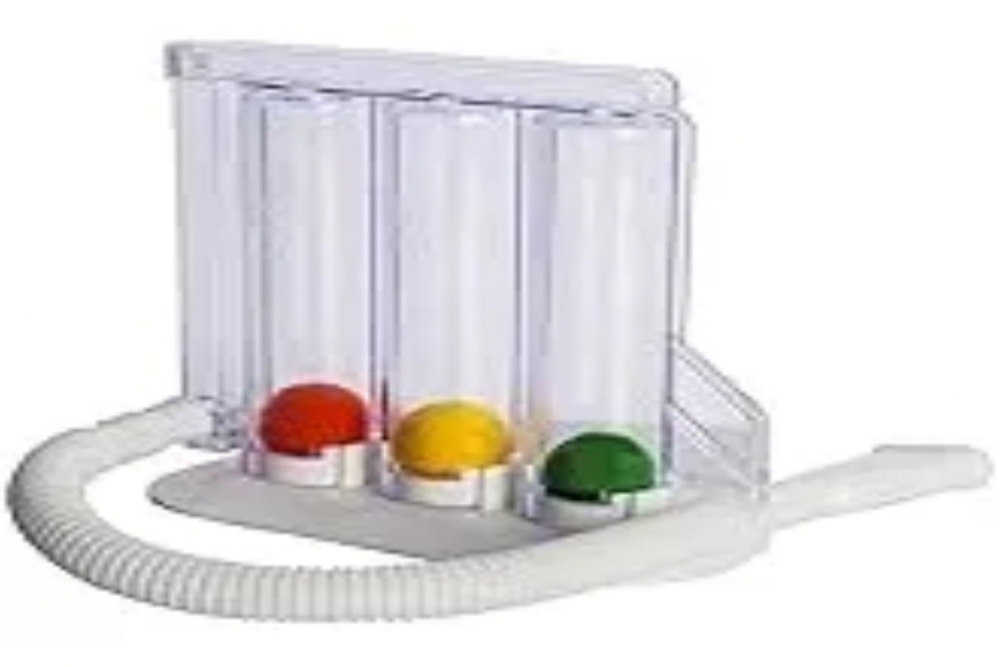
OXYCURO RESPIRATORY EXERCISOR
Price 1250 INR / Piece
Minimum Order Quantity : 10 Pieces
Instruments Type : Medical Physiotherapy Device
Color : Transparent with ColorCoded Balls
Portable : Yes
Use : Improve Lung Capacity and Respiratory Functions
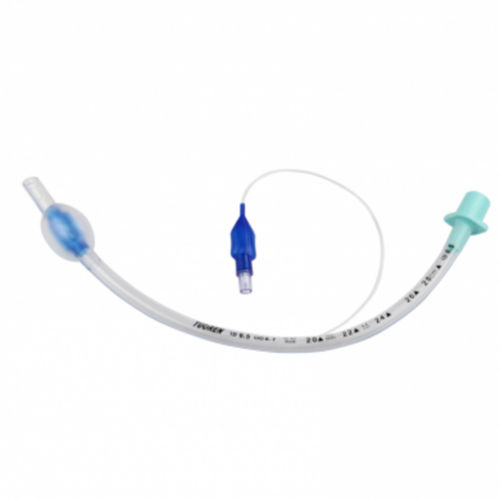
Adult Normal Adaptive Cuffed ET Tube
Price 875 INR / Piece
Minimum Order Quantity : 10 Pieces
Instruments Type : Respiratory
Color : Transparent
Portable : Yes
Use : Intubation Airway Management
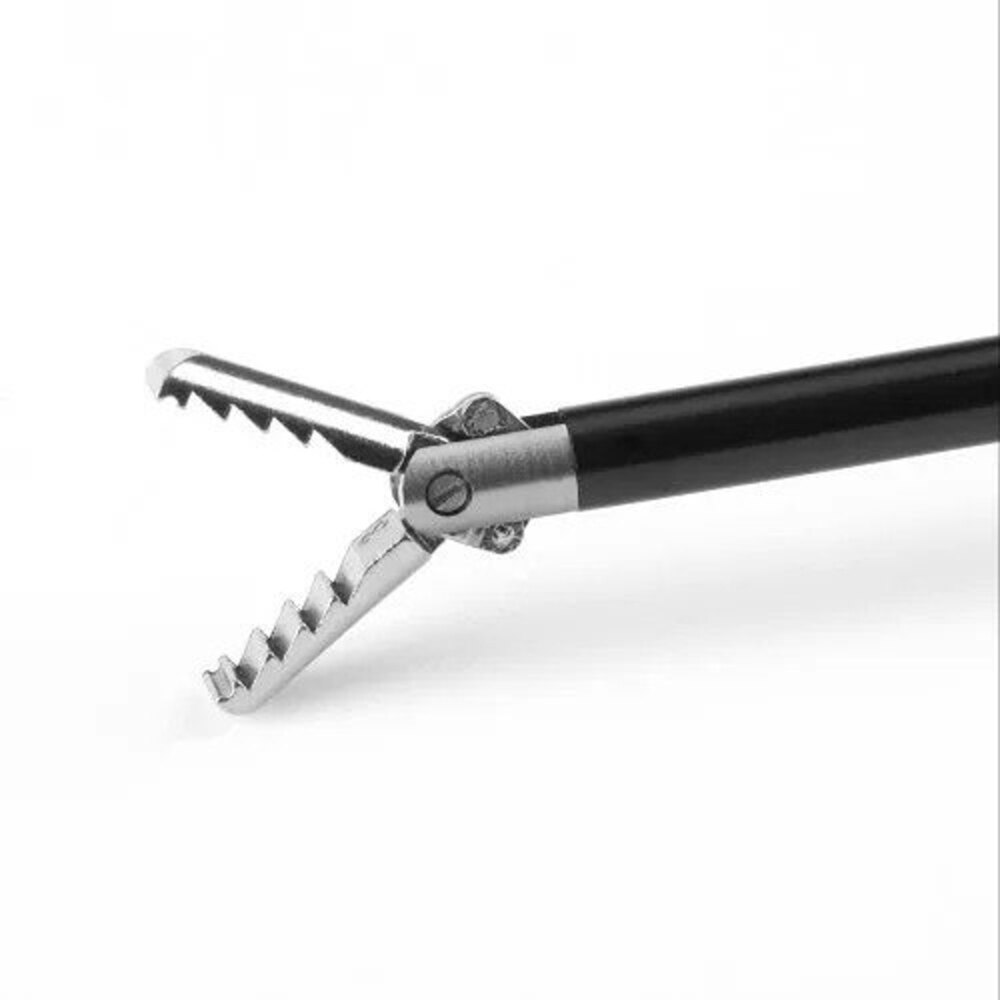
ALLIGATOR GRASPING FORCEP FHBR
Price 1650 INR / Piece
Minimum Order Quantity : 10 Pieces
Instruments Type : Surgical/Endoscopy Instrument
Color : Metallic Silver
Portable : Yes
Use : Grasping and retrieving foreign bodies in medical procedures

Mark Enterprises
GST : 09CGDPG2368E1ZJ
GST : 09CGDPG2368E1ZJ
56/A, Gali No-3, Jai Bharat Enclave, Sahibabad, Lajpat Nagar,Ghaziabad - 201005, Uttar Pradesh, India
Phone :08045813058

 Send Inquiry
- Breathing Circuit and Accessories
- Airway Management
- Intubation Devices And Accessories
- Tracheostomy Tube
- Endotracheal Tube
- Anaesthesia Face Mask
- CPAP And BIPAP Mask And Accessories
- HMES And HMFS Breathing Filter
- Oxygen And Nebulization Therapy Products
- Neonatal Care Products
- Gel Positioner
- Medical Grade CSSD Products
- Catheter Kit
- Suction Tube
- Besmed NICU Care Products
- Surgical Gown
- Nasal Cannula
- Urology Products
- Infusion Pump
- Prone Head Positioner With Mirror
- Cautery Pencil
- Pulse Oximeter
- Nebulizer Machine
- Foley Catheter
- Oxygen Flow Meter
- Strile Spiral Extension Line
- Yankauer Suction Set
- CPAP System
- AIRWAY TUBE
- AMBU BEG
 Send Inquiry
 Send SMS
Mark Enterprises
All Rights Reserved.(Terms of Use)
Developed and Managed by Infocom Network Private Limited.
Developed and Managed by Infocom Network Private Limited.

