

Call us now
08045813058
Plastic Oxygen Hood
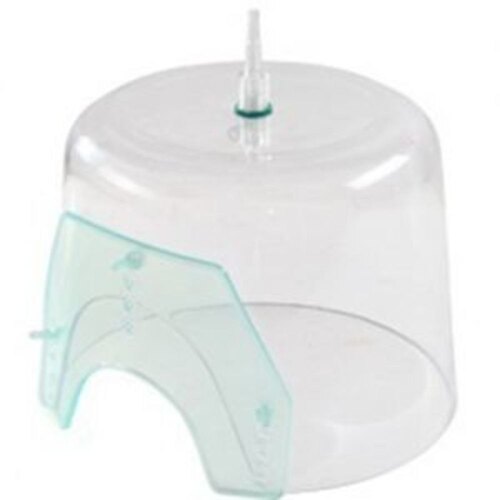
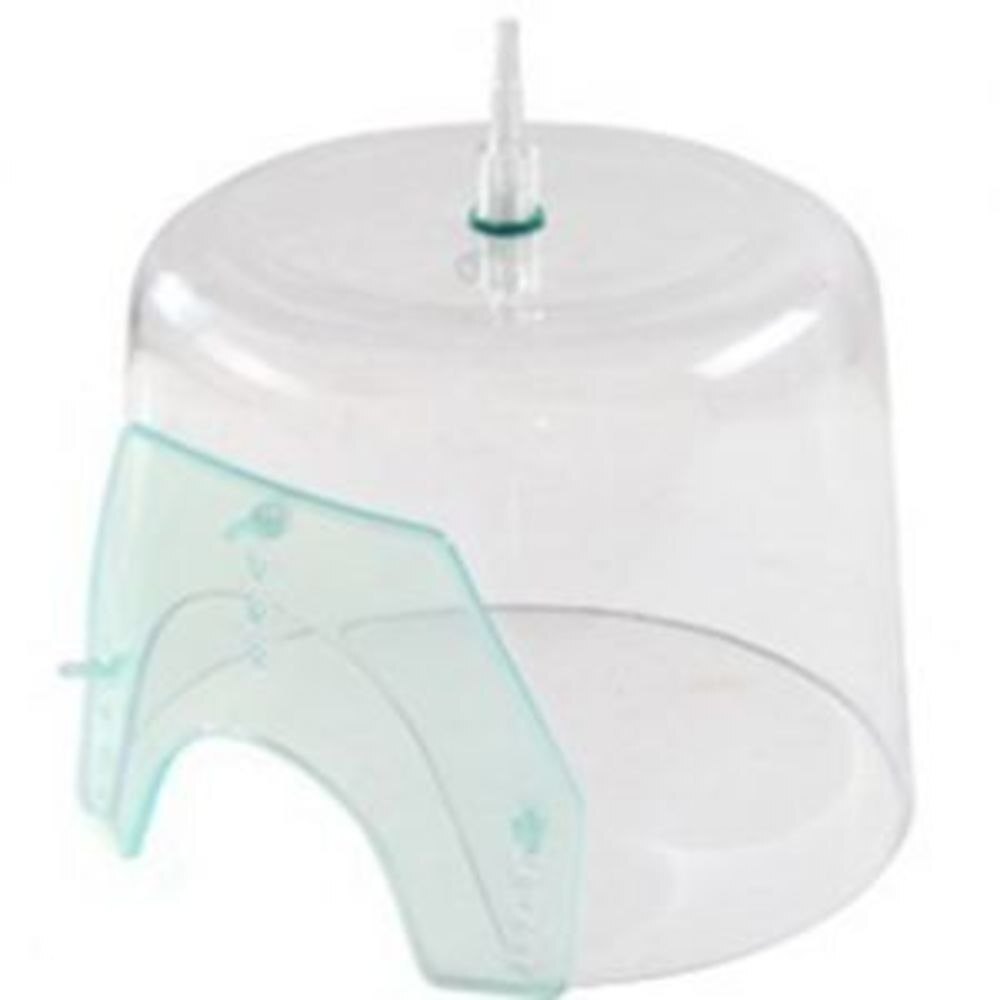
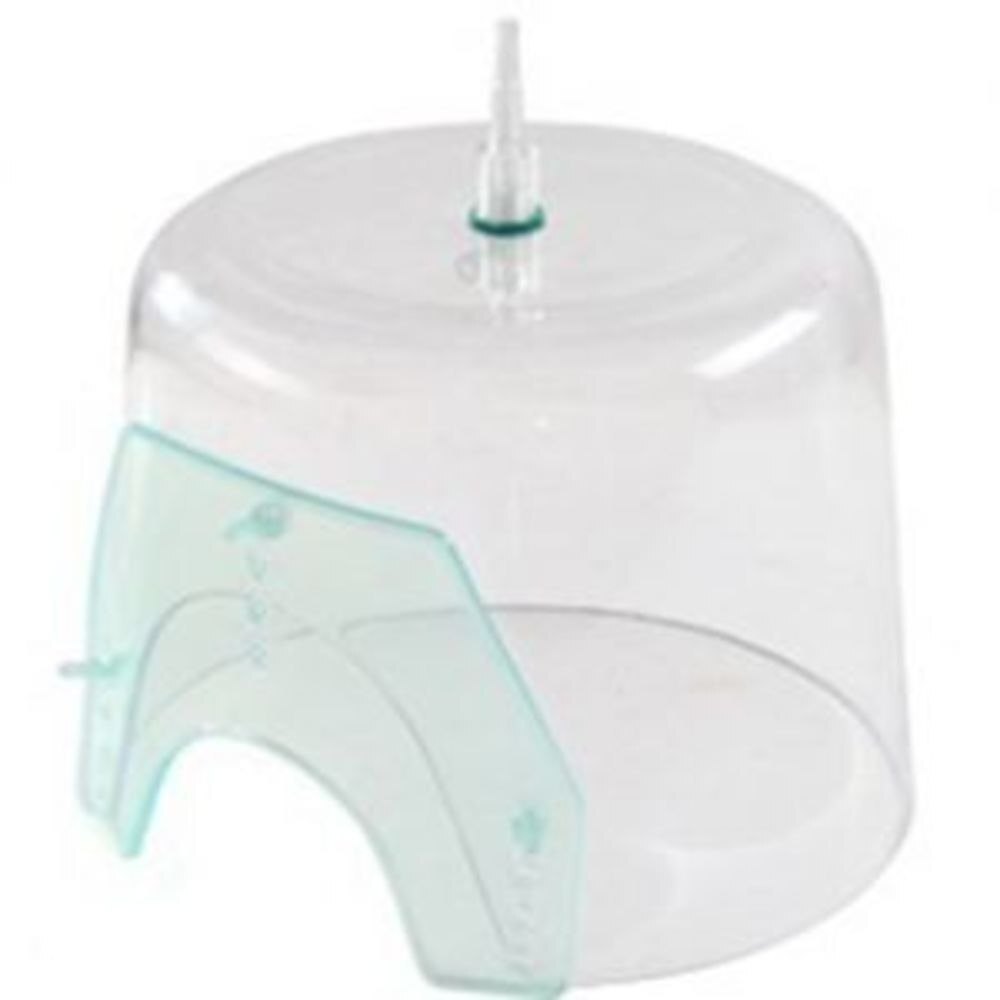
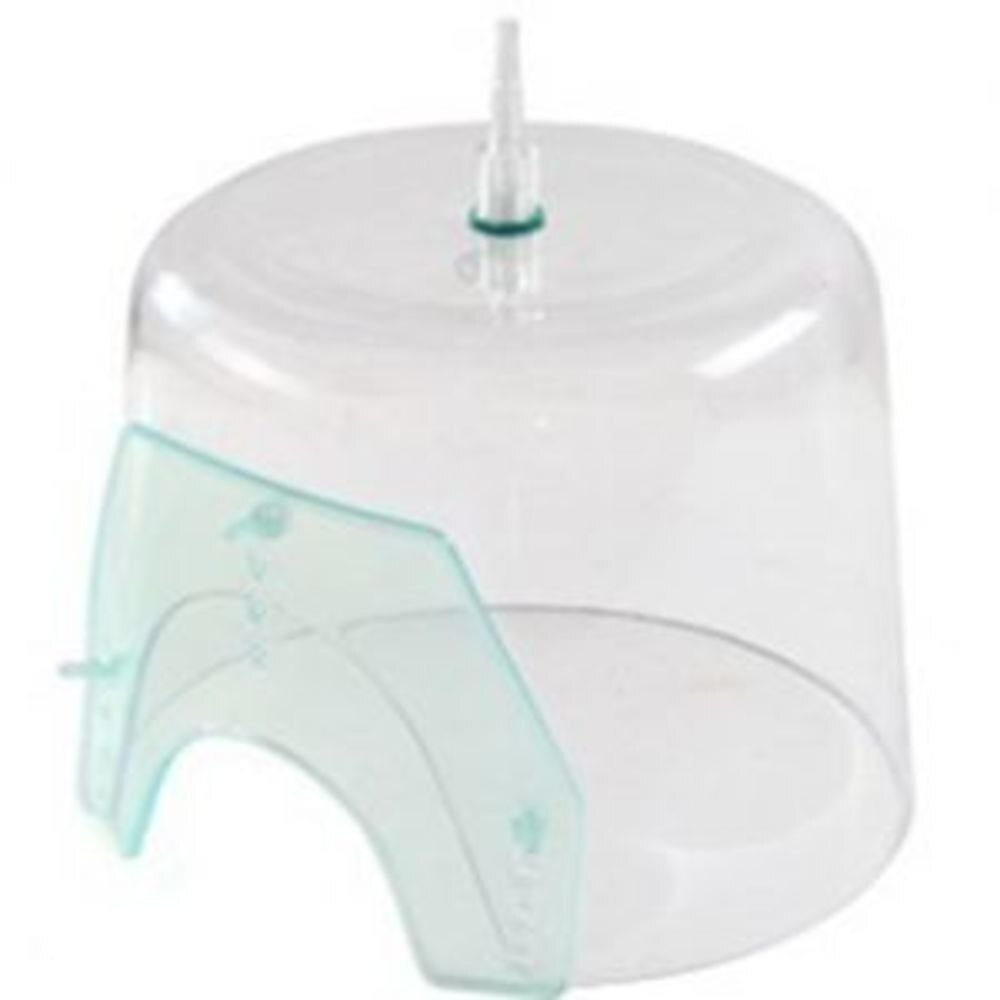
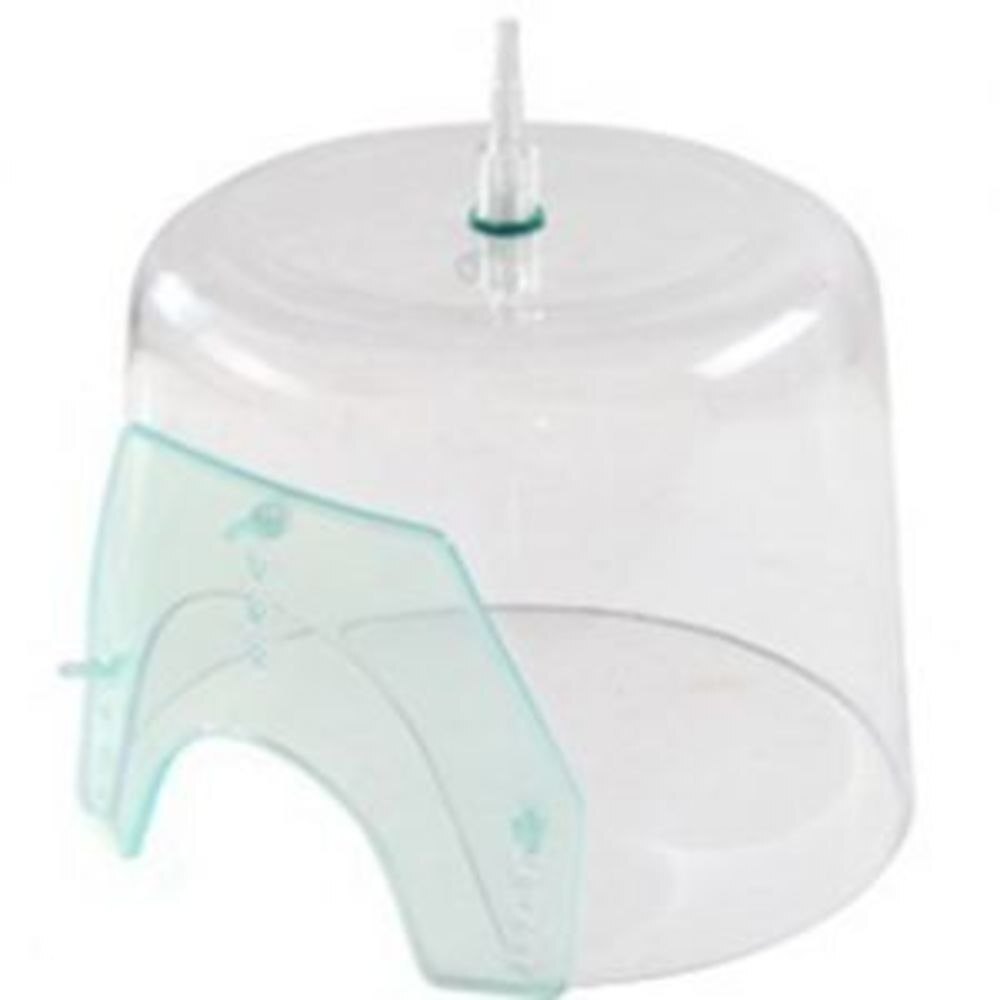
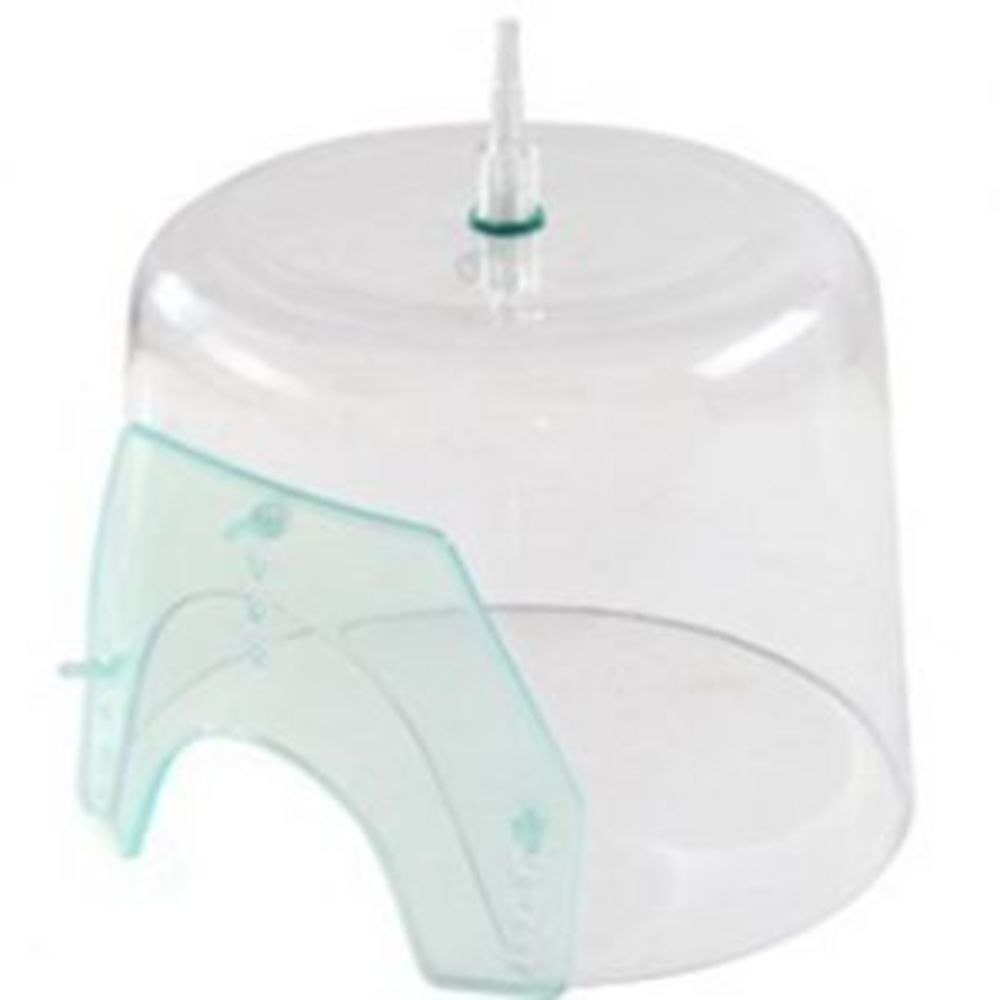

Plastic Oxygen Hood Specification
- Features
- Clear Visibility, Rounded Edges, Adjustable Oxygen Inlet, Anti-Fog
- Accuracy
- Stable Oxygen Delivery (up to 80-90%)
- Usage Type
- Hospital/Clinical
- Function
- Encloses Infants Head for Controlled Oxygen Administration
- Storage Instructions
- Store in Clean, Dry Place; Avoid Direct Sunlight
- Instruments Type
- Medical Respiratory Equipment
- Measurement Range
- Suitable for Newborns and Infants
- Shelf Life
- Long-Term (as per storage and sterilization conditions)
- Equipment Type
- Plastic Oxygen Hood
- Material
- Medical-Grade Transparent Plastic (Polycarbonate/Acrylic)
- Condition
- New
- Technology
- Passive Oxygen Delivery
- Portable
- Yes
- Wall Mounted
- No
- Real-Time Operation
- Yes
- Noise Level
- Silent Operation
- Operating Type
- Manual
- Use
- Administering Oxygen to Neonates and Infants
- Power Source
- Not Required / Non-Electric
- Dimension (L*W*H)
- Approx. 29 x 23 x 19 cm
- Weight
- Lightweight (Approx. 300-500 grams)
- Color
- Transparent
- Cleaning Type
- Non-Corrosive Detergents Recommended
- Regulatory Compliance
- Meets Medical Device Safety Standards
- Latex Content
- Latex-Free
- Ventilation
- Side Port Vents for Carbon Dioxide Release
- Design
- Dome-Shaped with Smooth Edges
- Patient Compatibility
- Neonatal and Pediatric Patients
- Sterilization Method
- Autoclavable or ETO
- Reusable/Disposable
- Reusable after proper sterilization
- Oxygen Inlet Diameter
- Standard Medical Connection (Approx. 6-10 mm)
About Plastic Oxygen Hood
An oxygen hood or "head box is used for babies who can breathe on their own but still need extra oxygen. A hood is a plastic dome or box with warm, moist oxygen inside. ... It is used for babies who need more help than they can get from an oxygen hood or nasal cannula, but do not need a machine to breathe for them.Safe and Effective Oxygen Delivery
Engineered for neonates and infants, the Plastic Oxygen Hood enables accurate and stable oxygen delivery up to 80-90%. Its clear, dome-shaped design ensures the infant's head is gently enclosed, creating a controlled oxygen environment for efficient respiratory support. The inclusion of side port vents facilitates safe carbon dioxide release, further enhancing patient safety.
Easy Maintenance and Reusability
Crafted from durable, medical-grade materials, this hood can be sterilized using either an autoclave or ETO, ensuring hygienic reuse. For cleaning, non-corrosive detergents are recommended to maintain transparency and structural integrity. Proper maintenance and storage in a clean, dry place away from direct sunlight extend the product's shelf life.
Designed for Comfort and Visibility
The transparent construction and anti-fog features offer clear visibility for clinicians, while rounded edges minimize the risk of injury. Adjustable oxygen inlets and silent, passive operation create a comfortable, non-intrusive experience for both patient and caregiver, making it ideal for busy hospital and clinical environments.
FAQ's of Plastic Oxygen Hood:
Q: How does the Plastic Oxygen Hood facilitate safe oxygen delivery for neonates and infants?
A: The hood encloses the infant's head, creating a regulated environment where oxygen is delivered passively through a standard inlet. Side vents ensure carbon dioxide is efficiently released, providing stable oxygen concentration while maintaining patient safety.Q: What is the recommended cleaning and sterilization process for this oxygen hood?
A: After use, the hood should be thoroughly cleaned with non-corrosive detergents. For sterilization, either an autoclave or Ethylene Oxide (ETO) can be used. Ensure the product is dry and stored away from direct sunlight to preserve its condition.Q: When is the oxygen hood appropriate to use?
A: This device is suitable for administering oxygen to newborns and infants in hospital or clinical settings where precise oxygen delivery and monitoring are required, especially for patients who need non-invasive respiratory support.Q: Where should the Plastic Oxygen Hood be stored when not in use?
A: Store the oxygen hood in a clean, dry place, away from moisture and direct sunlight, to preserve its clarity, structure, and ensure a long-term shelf life.Q: What benefits does this oxygen hood offer over other oxygen delivery methods?
A: It provides silent, non-electric operation, clear patient visibility, and minimizes discomfort due to its lightweight, dome-shaped, latex-free design. It is reusable after proper sterilization, offering both safety and cost-effectiveness.Q: How can I ensure the correct connection for oxygen supply?
A: The adjustable oxygen inlet is compatible with standard medical connections (approximately 6-10 mm), allowing easy attachment to common oxygen delivery systems in healthcare settings. Get Latest Price
Tell us about your requirement

Price:
Quantity
Select Unit
- 50
- 100
- 200
- 250
- 500
- 1000+
Additional detail
Mobile number
Email

More Products in Intubation Devices And Accessories Category
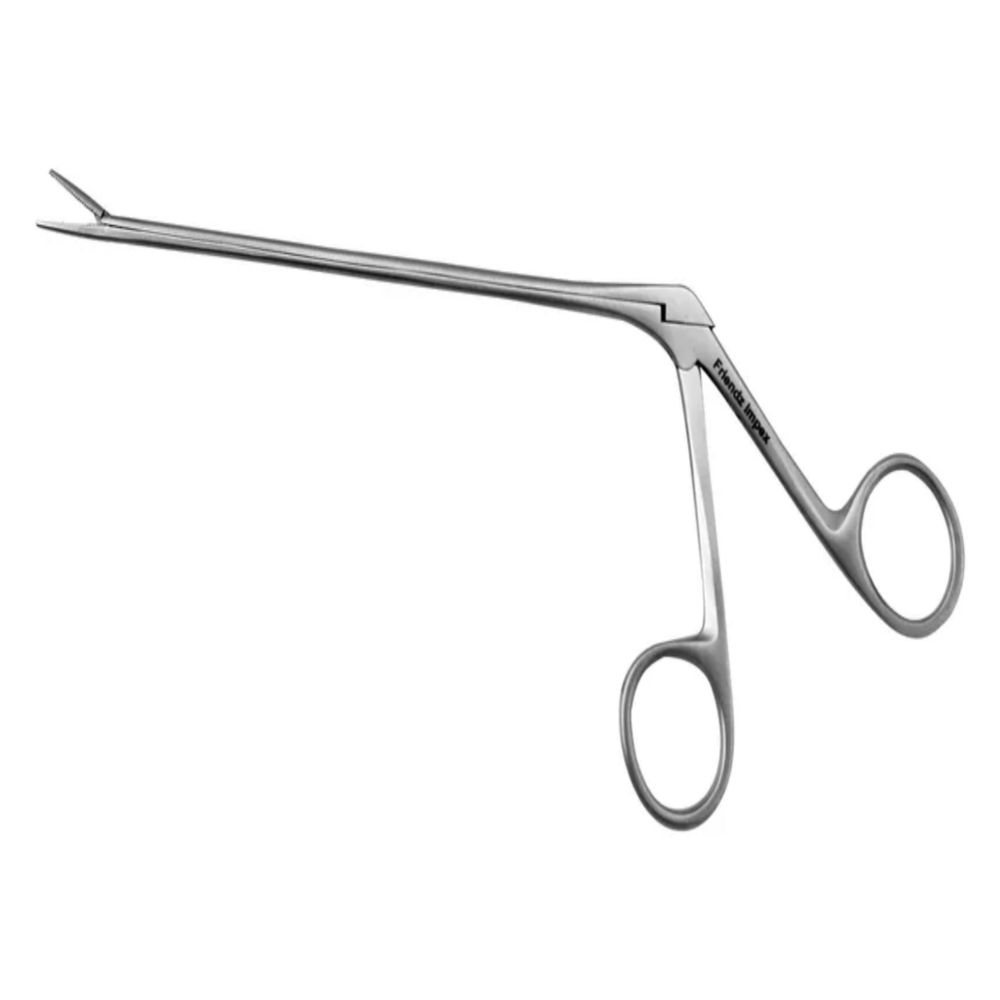
CROCODILE CUP FORCEPS
Price 25.0 INR / Piece
Minimum Order Quantity : 10 Pieces
Function : Grasping, holding, removing objects
Storage Instructions : Store in dry, clean environment
Portable : Yes
Instruments Type : Surgical Instrument
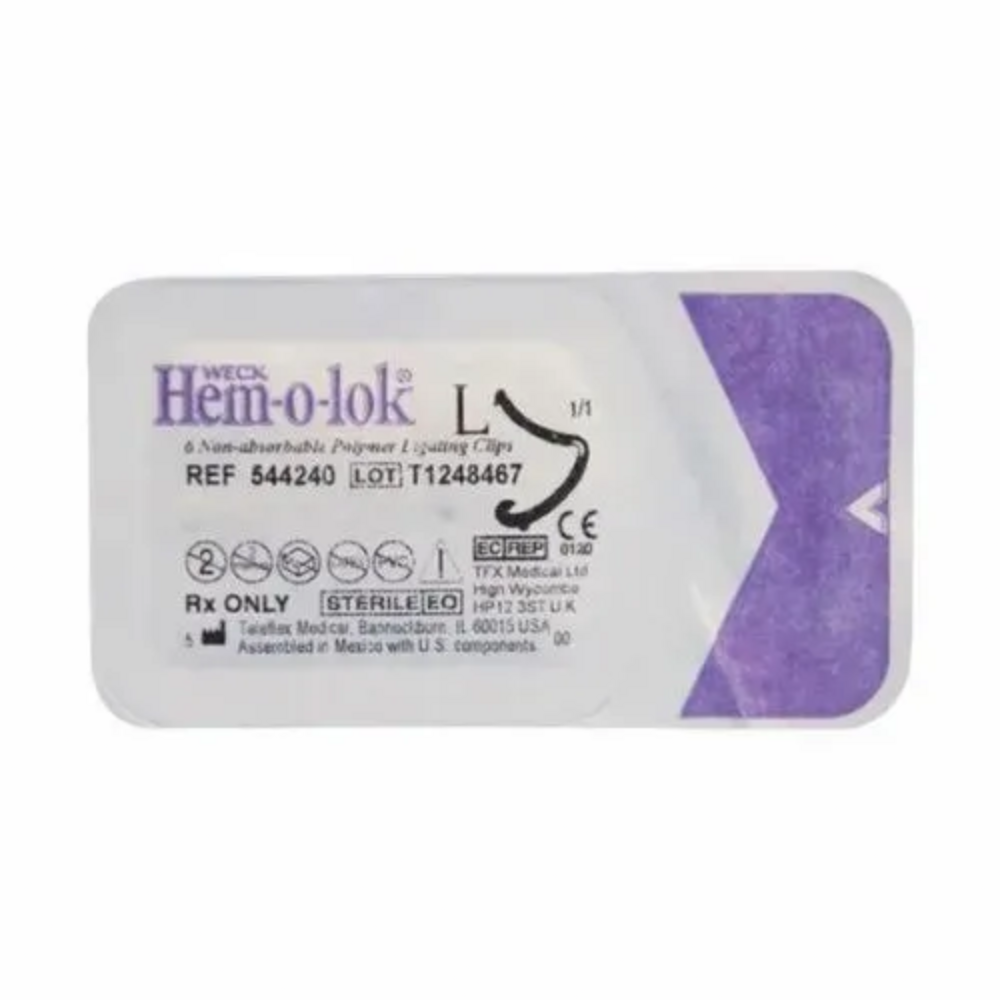
HEMOLOCK CLIP 544230
Price 1880 INR / Piece
Minimum Order Quantity : 10 Pieces
Function : Vessel or Tissue Ligation in Surgery
Storage Instructions : Store in a cool, dry place
Portable : Yes
Instruments Type : Sterile Ligating Clip
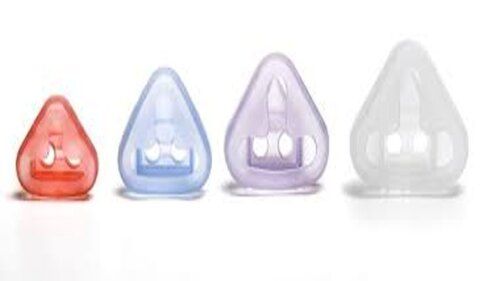
N Flow Nasal Mask atomical N Flow Nasel Mask
Price 1650 INR / Piece
Minimum Order Quantity : 10 Pieces
Function : Facilitates noninvasive ventilation and oxygen delivery
Storage Instructions : Store in a cool, dry place away from sunlight
Portable : Yes
Instruments Type : Respiratory Mask
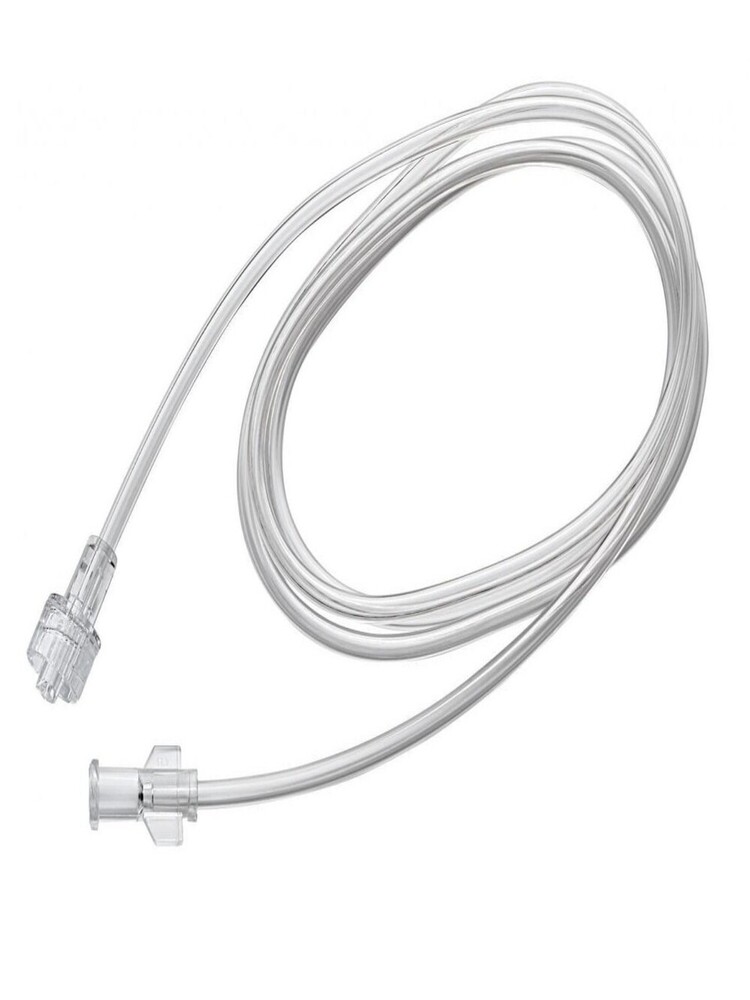
PRESSURE MONITORING LINE
Price 1650 INR / Piece
Minimum Order Quantity : 10 Pieces
Function : Transmits patients blood pressure to monitoring device
Storage Instructions : Store in a cool, dry place, away from direct sunlight
Portable : Yes
Instruments Type : Medical device accessory

Mark Enterprises
GST : 09CGDPG2368E1ZJ
GST : 09CGDPG2368E1ZJ
56/A, Gali No-3, Jai Bharat Enclave, Sahibabad, Lajpat Nagar,Ghaziabad - 201005, Uttar Pradesh, India
Phone :08045813058

 Send Inquiry
- Breathing Circuit and Accessories
- Airway Management
- Intubation Devices And Accessories
- Tracheostomy Tube
- Endotracheal Tube
- Anaesthesia Face Mask
- CPAP And BIPAP Mask And Accessories
- HMES And HMFS Breathing Filter
- Oxygen And Nebulization Therapy Products
- Neonatal Care Products
- Gel Positioner
- Medical Grade CSSD Products
- Catheter Kit
- Suction Tube
- Besmed NICU Care Products
- Surgical Gown
- Nasal Cannula
- Urology Products
- Infusion Pump
- Prone Head Positioner With Mirror
- Cautery Pencil
- Pulse Oximeter
- Nebulizer Machine
- Foley Catheter
- Oxygen Flow Meter
- Strile Spiral Extension Line
- Yankauer Suction Set
- CPAP System
- AIRWAY TUBE
- AMBU BEG
 Send Inquiry
 Send SMS
Mark Enterprises
All Rights Reserved.(Terms of Use)
Developed and Managed by Infocom Network Private Limited.
Developed and Managed by Infocom Network Private Limited.

