

Call us now
08045813058
Direct Straight Pediatric Laryngoscope SET
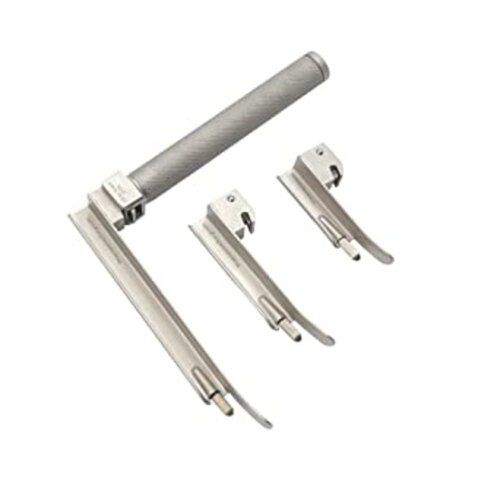
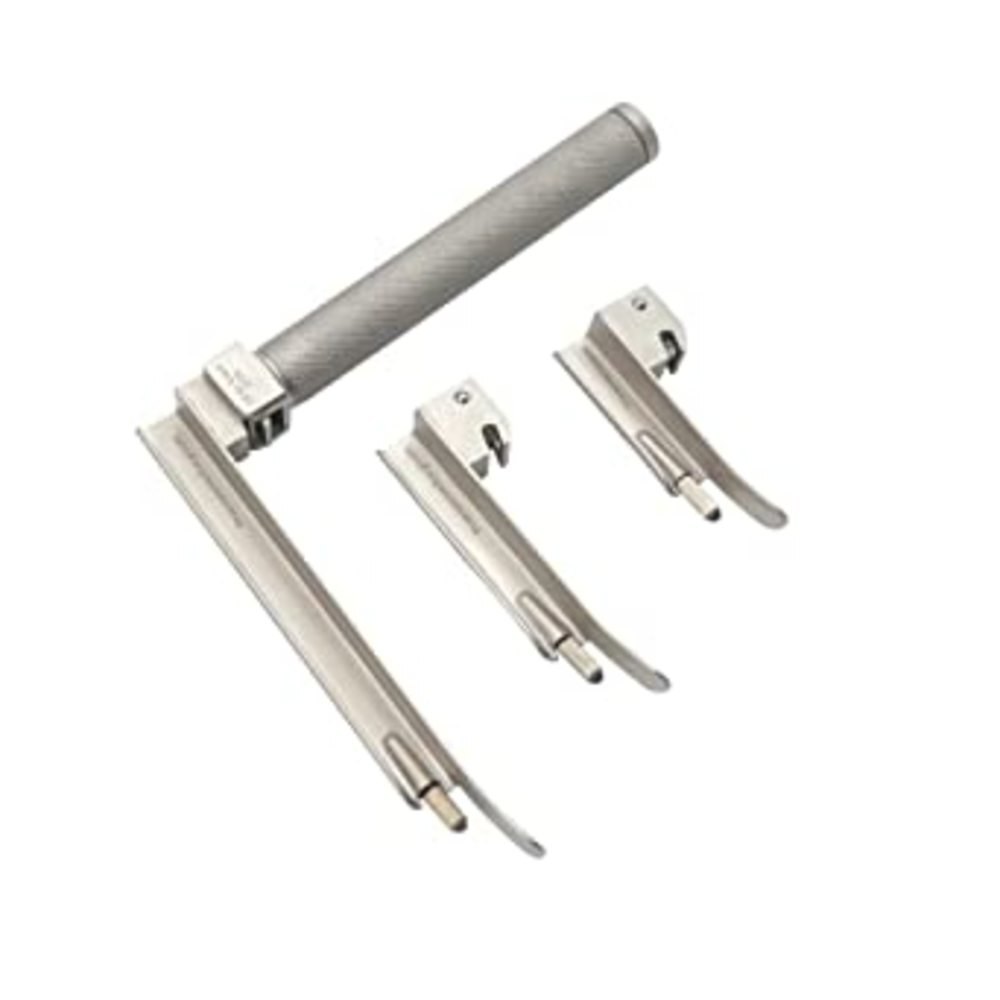
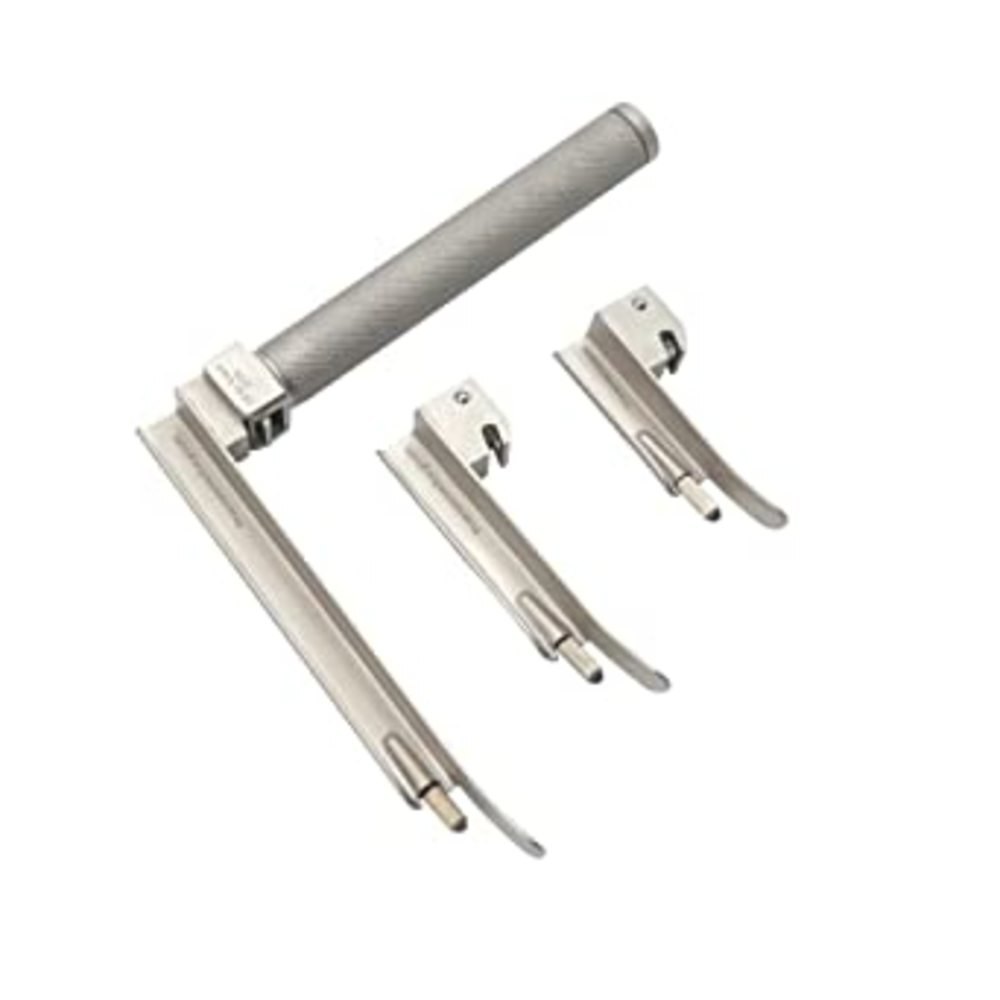
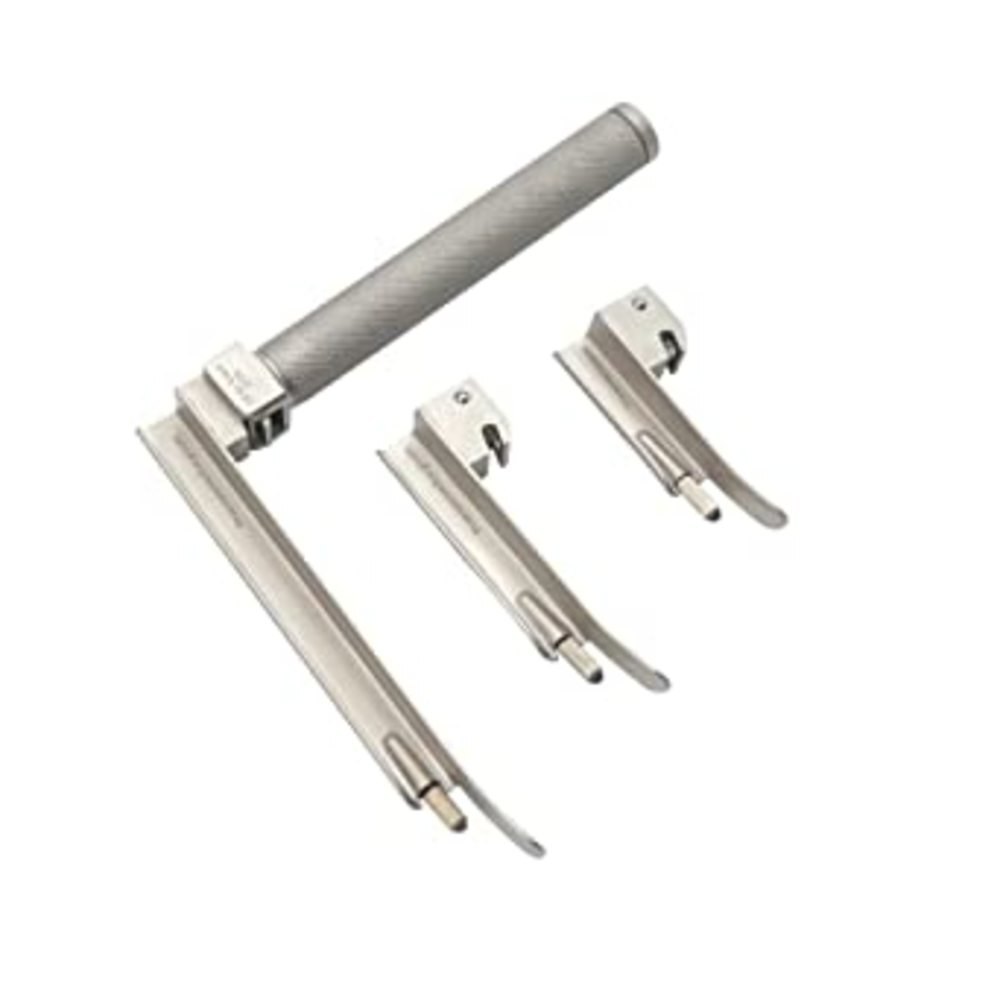
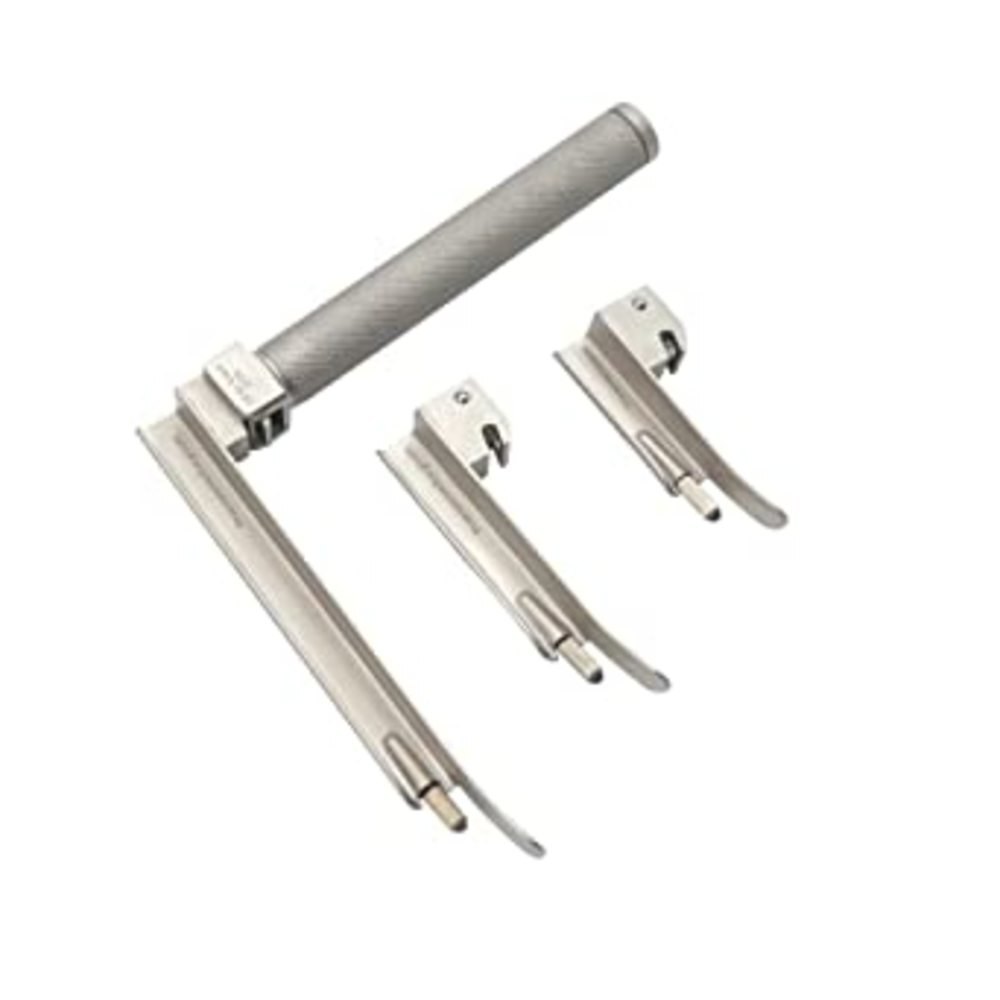
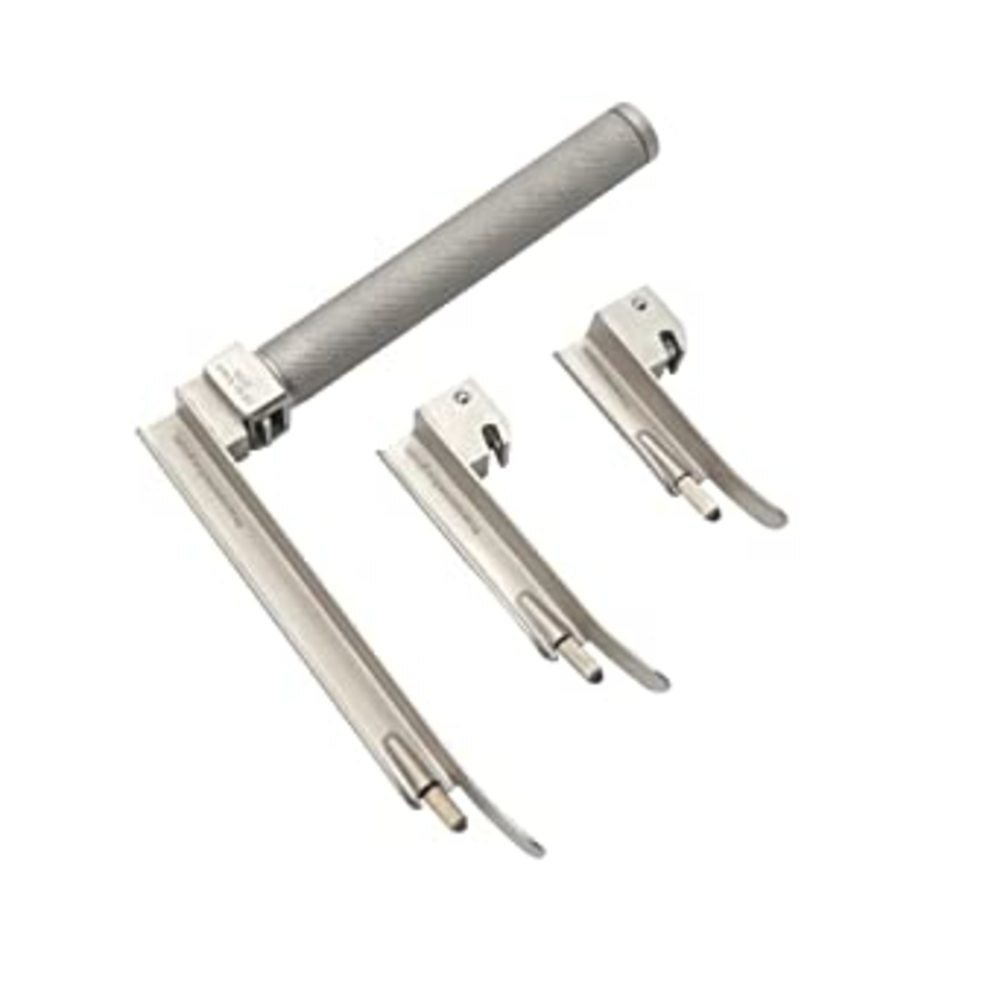

Direct Straight Pediatric Laryngoscope SET Specification
- Storage Instructions
- Store in a Dry, Clean Place
- Usage Type
- Reusable
- Shelf Life
- Long (Subject to Maintenance)
- Features
- Interchangeable Blades, Light Source, Anti-Rust, Smooth Edges
- Accuracy
- High Precision for Visualization
- Instruments Type
- Diagnostic Medical Instrument
- Function
- Assists in Laryngoscopy, Airway Visualization
- Equipment Type
- Pediatric Laryngoscope Set
- Material
- Stainless Steel Blades, Metal Handle
- Condition
- New
- Technology
- Direct Visualization
- Portable
- Yes
- Wall Mounted
- No
- Real-Time Operation
- Yes
- Noise Level
- Silent
- Operating Type
- Manual
- Use
- Pediatric Airway Management, Intubation
- Power Source
- Battery Operated
- Power Consumption
- Low
- Voltage
- 1.5V (Typically AA Battery)
- Dimension (L*W*H)
- Standard Pediatric Sizes (Variable per Blade)
- Weight
- Lightweight
- Color
- Silver/Metallic
- Autoclavable
- Yes
- Compatibility
- Standard Pediatric Endotracheal Tubes
- Corrosion Resistance
- Yes
- Brand/Manufacturer
- Varies (Refer to Product)
- Handle Length
- Ergonomically Designed Pediatric Size
- Intended Age Group
- Neonates and Children
- Blade Types
- Straight (Miller Type)
- Number of Blades
- Typically 3 (Varied Pediatric Sizes)
- Light Source Type
- LED/Conventional Bulb
- Finish
- Matte/Glossy
- Handle Type
- Knurled/Non-slip Grip
About Direct Straight Pediatric Laryngoscope SET
Laryngoscope | Medical Equipments | Pediatric Oncall. Straight blade is used to depress the tongue whereas the curved blade pushes the epiglottis to one side to visualize the glottis. In infants, the straight blade is preferred whereas in older children (more than 8 years), the curved blade is preferred.Designed for Pediatric Airway Management
This pediatric laryngoscope set is engineered specifically for efficient and safe airway visualization and intubation in neonates and children. The inclusion of three straight Miller-type blades enables clinicians to choose the perfect fit for varying patient sizes, ensuring optimal performance during emergency or routine procedures.
Superior Material and Ergonomic Design
Constructed from high-grade stainless steel, the blades offer lasting corrosion resistance and a smooth finish. The handle is thoughtfully designed with a non-slip grip for secure handling, which is crucial during delicate procedures. Its lightweight and ergonomic build enhance user comfort during prolonged use.
Reliable Illumination and Compatibility
Equipped with either an LED or a conventional bulb, the laryngoscope provides vivid illumination for accurate airway assessment. It is universally compatible with standard pediatric endotracheal tubes, contributing to its versatility in various clinical environments.
FAQ's of Direct Straight Pediatric Laryngoscope SET:
Q: How is the Direct Straight Pediatric Laryngoscope Set used during intubation procedures?
A: The set is used to assist in laryngoscopy and airway visualization. The clinician selects the appropriate Miller-type straight blade based on the child's age and size, attaches it to the ergonomic handle, and utilizes the LED or bulb light source for clear visualization. The device allows for precise placement of pediatric endotracheal tubes during intubation.Q: What benefits does the stainless steel construction offer for this laryngoscope set?
A: Stainless steel provides robust corrosion resistance and durability, even after repeated sterilization in an autoclave. This ensures a long product lifespan, smooth blade surfaces for safe patient interaction, and easy maintenance for continued high precision and reliability.Q: When should a clinician opt for the straight Miller-type blade over other blade types?
A: Miller-type straight blades are particularly effective in pediatric airway management, especially for neonates and young children whose airways are anatomically different from adults. The straight blade helps lift the epiglottis directly, making it ideal for pediatric intubation procedures.Q: Where is the pediatric laryngoscope set typically used?
A: This set is primarily used in hospitals, pediatric intensive care units, emergency rooms, and ambulances. Suppliers, traders, and wholesalers in India also facilitate its availability across various clinical settings for both routine and emergency pediatric care.Q: What is the process for maintaining and sterilizing the laryngoscope set?
A: After each use, the set should be thoroughly cleaned following hospital protocols, then sterilized using an autoclave. Regular maintenance involves checking the functionality of the light source, ensuring batteries are replaced as needed, and storing the device in a dry, clean place to maintain optimal shelf life and performance.Q: Is the laryngoscope set reusable and what is its expected shelf life?
A: Yes, the laryngoscope set is designed for repeated use, provided it is properly maintained and sterilized after each procedure. Due to its corrosion-resistant materials and robust construction, it offers a long shelf life, making it a cost-effective solution for healthcare providers.Q: What makes this set ideal for pediatric airway management compared to other laryngoscopes?
A: Its interchangeable, ergonomically sized Miller blades, autoclavable and rust-resistant construction, real-time direct visualization, and reliable illumination make it uniquely suited for pediatric airway challenges. The set's design priorities patient safety, clinician comfort, and high accuracy in diagnostic and intubation tasks. Get Latest Price
Tell us about your requirement

Price:
Quantity
Select Unit
- 50
- 100
- 200
- 250
- 500
- 1000+
Additional detail
Mobile number
Email

More Products in Intubation Devices And Accessories Category
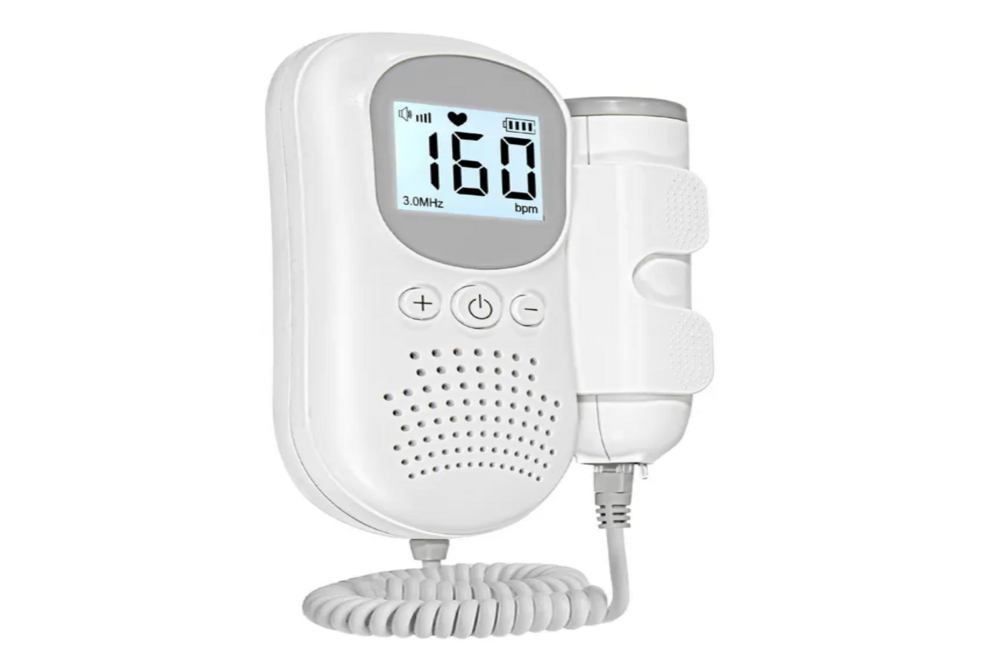
MD800C5 FETAL DOPPLER
Price 1650 INR / Piece
Minimum Order Quantity : 10 Pieces
Material : Other, ABS Plastic
Equipment Type : Fetal Doppler
Dimension (L*W*H) : 135 x 65 x 35 mm
Noise Level : 65 dB(A)
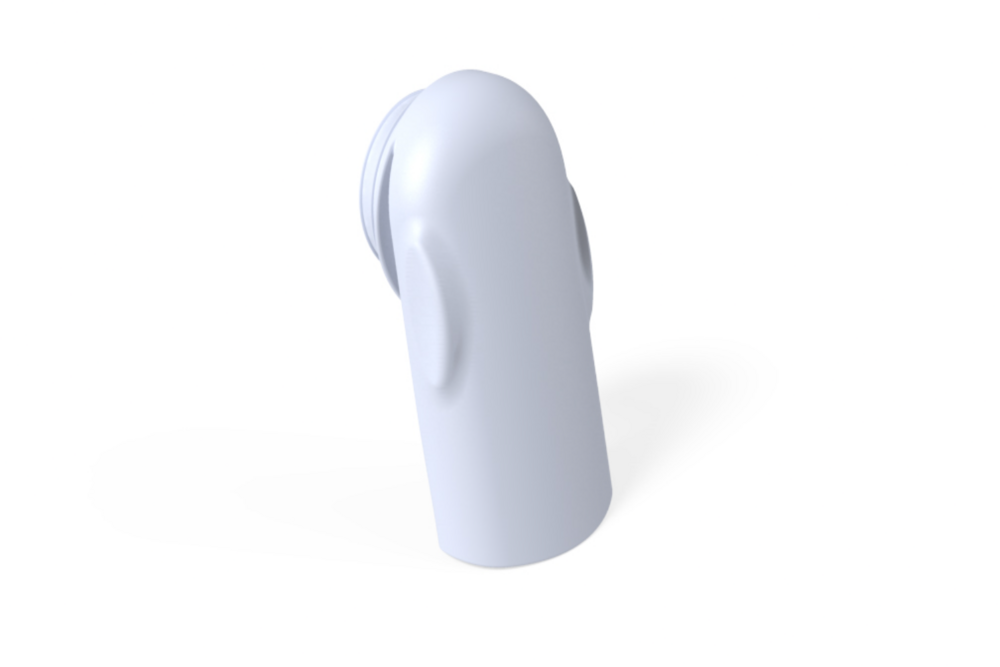
Shower Guard Laryngeal Brush Laryngeal Holder
Price 1650 INR / Piece
Minimum Order Quantity : 10 Pieces
Material : Other, Medical Grade Plastic, Stainless Steel
Equipment Type : Laryngeal Brush and Holder
Dimension (L*W*H) : Brush Length: Approx. 1822 cm, Holder: Approx. 15 cm
Noise Level : Silent
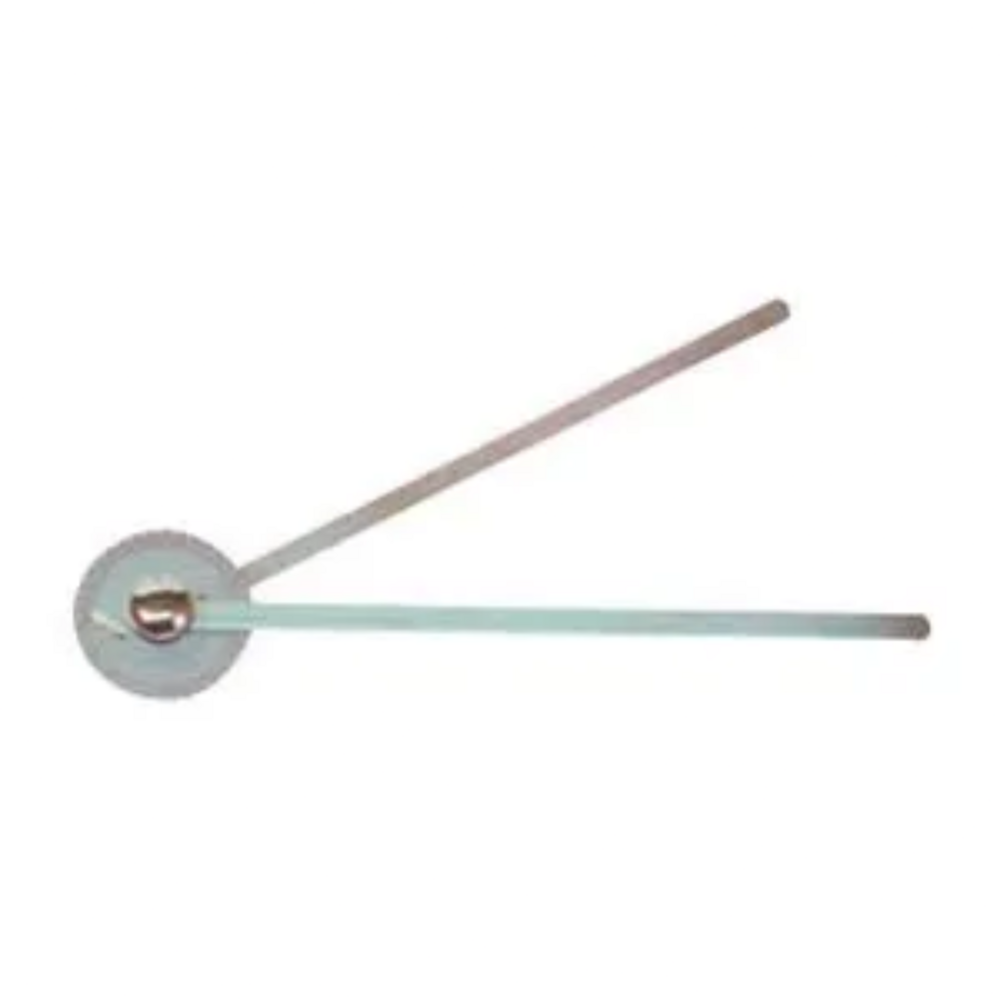
GANIOMETER STEEL INSTRUMENT
Price 1250 INR / Piece
Minimum Order Quantity : 10 Pieces
Material : Other, Stainless Steel
Equipment Type : Goniometer
Dimension (L*W*H) : Approx. 150mm length
Noise Level : Silent
FOLEY CATHETER RUBBER (2WAY)
Price 1950 INR / Piece
Minimum Order Quantity : 10 Pieces
Material : Other, Natural Rubber
Equipment Type : Foley Catheter (2Way)
Dimension (L*W*H) : Varies by Size (Standard Length)
Noise Level : Silent

Mark Enterprises
GST : 09CGDPG2368E1ZJ
GST : 09CGDPG2368E1ZJ
56/A, Gali No-3, Jai Bharat Enclave, Sahibabad, Lajpat Nagar,Ghaziabad - 201005, Uttar Pradesh, India
Phone :08045813058

 Send Inquiry
- Breathing Circuit and Accessories
- Airway Management
- Intubation Devices And Accessories
- Tracheostomy Tube
- Endotracheal Tube
- Anaesthesia Face Mask
- CPAP And BIPAP Mask And Accessories
- HMES And HMFS Breathing Filter
- Oxygen And Nebulization Therapy Products
- Neonatal Care Products
- Gel Positioner
- Medical Grade CSSD Products
- Catheter Kit
- Suction Tube
- Besmed NICU Care Products
- Surgical Gown
- Nasal Cannula
- Urology Products
- Infusion Pump
- Prone Head Positioner With Mirror
- Cautery Pencil
- Pulse Oximeter
- Nebulizer Machine
- Foley Catheter
- Oxygen Flow Meter
- Strile Spiral Extension Line
- Yankauer Suction Set
- CPAP System
- AIRWAY TUBE
- AMBU BEG
 Send Inquiry
 Send SMS
 Call Me Free
Mark Enterprises
All Rights Reserved.(Terms of Use)
Developed and Managed by Infocom Network Private Limited.
Developed and Managed by Infocom Network Private Limited.

