

Call us now
08045813058
Conventional Straight Blade With Curved Tip MRI COMPATIBLE LARENGOSCOP
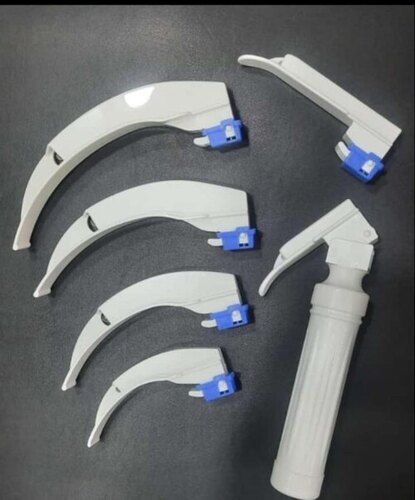
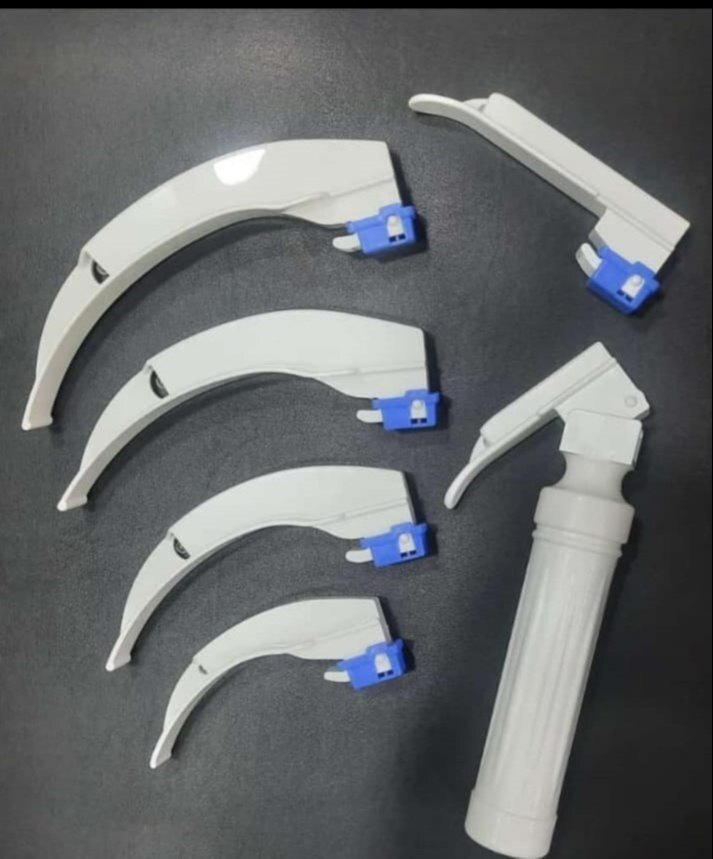
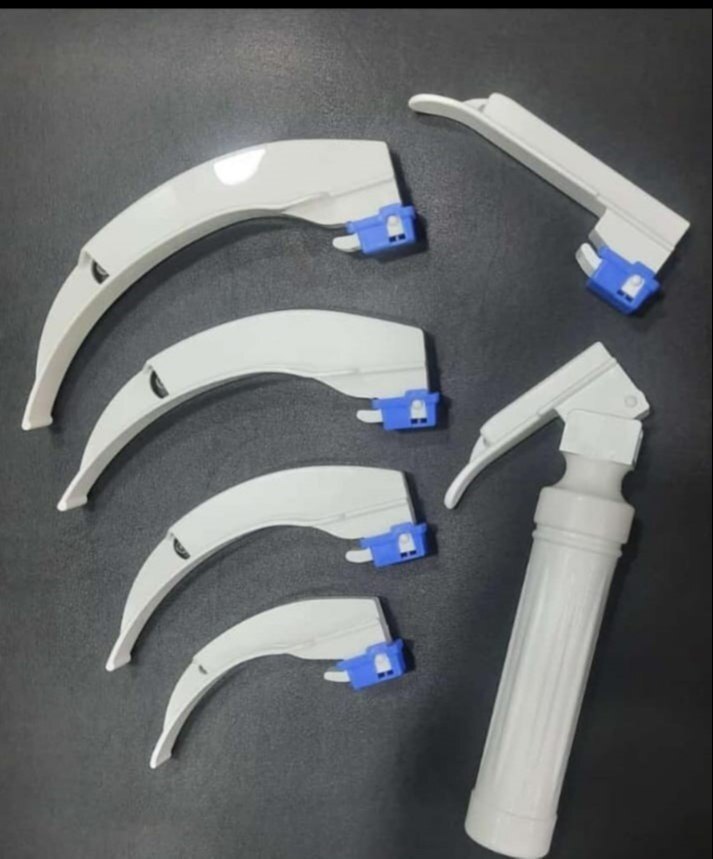
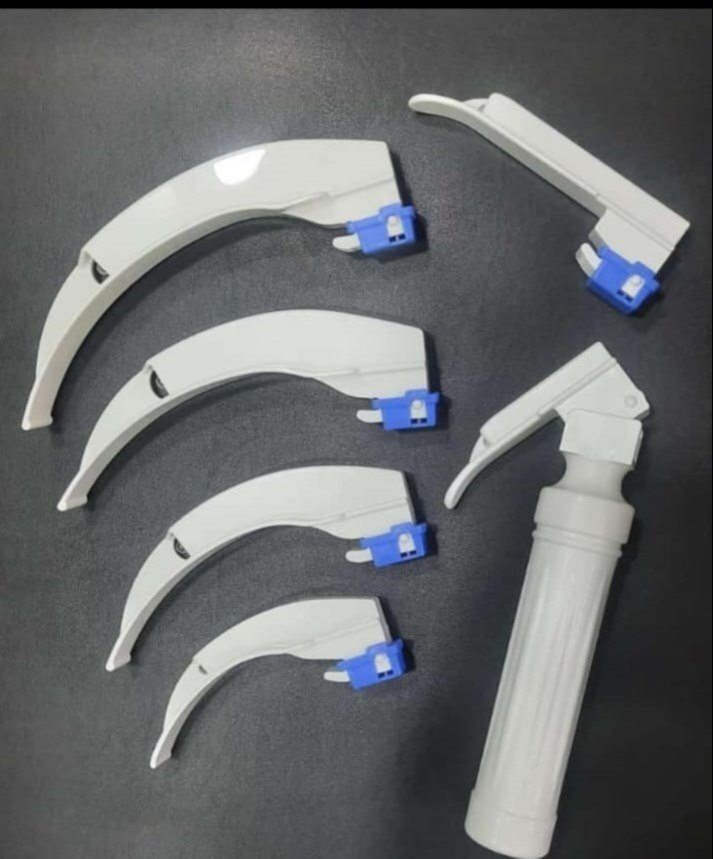
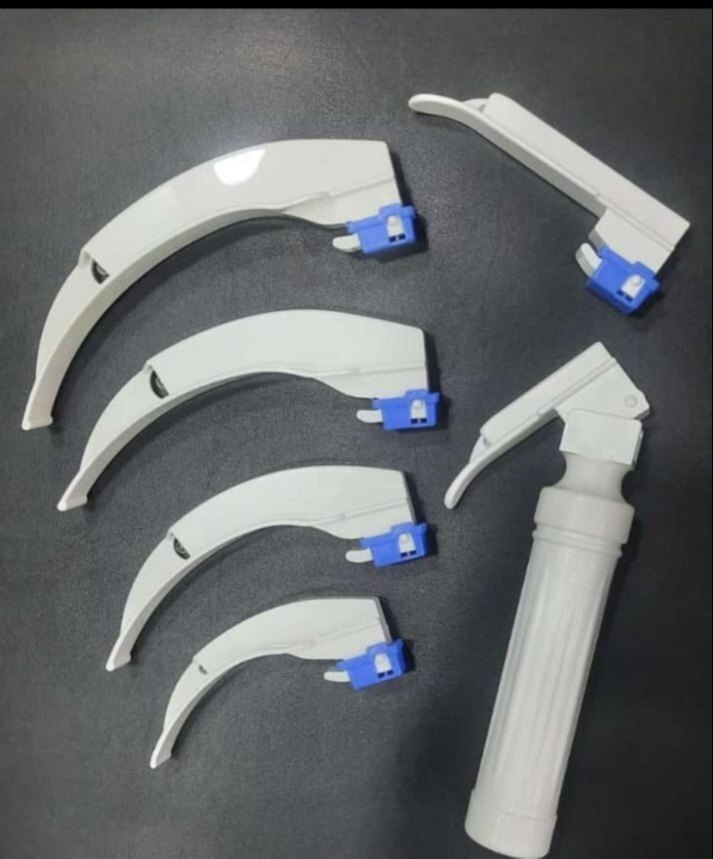
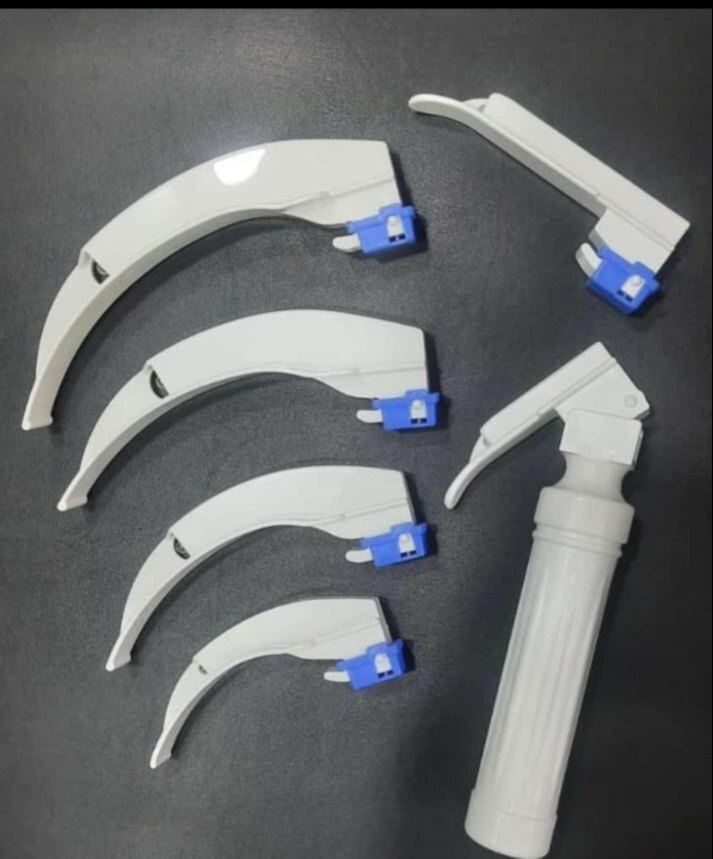

Conventional Straight Blade With Curved Tip MRI COMPATIBLE LARENGOSCOP Specification
- Usage Type
- Reusable
- Storage Instructions
- Store in a dry, clean environment
- Accuracy
- High anatomical conformity
- Function
- Aids visualization of the larynx during intubation
- Instruments Type
- Surgical Instrument
- Shelf Life
- 5 Years (with proper maintenance)
- Features
- MRI Compatible, Curved Tip Design for Enhanced Visualization, Corrosion Resistant, Ergonomic Handle
- Equipment Type
- Conventional Straight Blade Laryngoscope
- Material
- Non-magnetic Stainless Steel (MRI Compatible)
- Condition
- New
- Technology
- Manual/Conventional
- Portable
- Yes
- Wall Mounted
- No
- Real-Time Operation
- Yes
- Noise Level
- Silent Operation
- Operating Type
- Manual
- Use
- Endotracheal Intubation/Medical Examination
- Power Source
- Battery Operated
- Power Consumption
- Low
- Voltage
- AA/AAA Battery Compatible
- Dimension (L*W*H)
- Blade length options: Macintosh 0, 1, 2, 3, 4 (custom sizes on request)
- Weight
- Approx. 150-250 grams (varies by blade size)
- Color
- Silver/Metallic
- Compliance
- Follows ISO 7376 standards for laryngoscopes
- Manufacturer Warranty
- 12 months against manufacturing defects
- Sterilization Method
- Can be autoclaved or sterilized with chemical disinfectants
- Compatibility
- Safe for use in MRI environments
- Illumination Type
- Direct illumination
- Corrosion Resistance
- High resistance due to medical-grade stainless steel
- Handle Grip
- Anti-slip ergonomic pattern
- Lighting
- Integrated with LED or Halogen bulb (MRI-safe materials)
- Blade Design
- Straight blade with curved tip for improved glottic exposure
- Safety
- Non-sparking design for MRI safety
- Intended Environment
- Operating room, ICU, Emergency departments
- Handle Type
- Detachable, knurled non-magnetic handle
- Heat Resistance
- Withstands autoclave temperatures (134C)
- Patient Suitability
- Available in adult and pediatric sizes
About Conventional Straight Blade With Curved Tip MRI COMPATIBLE LARENGOSCOP
Direct laryngoscopy is carried out (usually) with the patient lying on his or her back; the laryngoscope is inserted into the mouth on the right side and flipped to the left to trap and move the tongue out of the line of sight, and, depending on the type of blade used, inserted either anterior or posterior to the epiglottis and then lifted with an upwards and forward motion ("away from you and towards the roof "). This move makes a view of the glottis possible. This procedure is done in an operation theatre with full preparation for resuscitative measures to deal with respiratory distress. There are at least ten different types of laryngoscope used for this procedure, each of which has a specialized use for the otolaryngologist and medical speech pathologist. This procedure is most often employed by anaesthetists for endotracheal intubation under general anaesthesia, but also in direct diagnostic laryngoscopy with biopsy. It is extremely uncomfortable and is not typically performed on conscious patients, or on patients with an intact gag reflexEnhanced Visualization with Curved Tip Design
The laryngoscopes blade combines the precision of a straight profile with a specialized curved tip, facilitating better glottic exposure during intubation. This hybrid design allows medical professionals to achieve improved anatomical access compared to traditional straight blades, increasing the likelihood of first-attempt success even in challenging cases.
MRI Compatibility for Advanced Medical Settings
Manufactured using non-magnetic stainless steel and MRI-safe lighting materials, this laryngoscope is specifically crafted for use in MRI suites and other sensitive environments. Its non-sparking, corrosion-resistant construction guarantees both patient and staff safety without compromising imaging equipment integrity.
Versatile and Safe for All Patients
Available in a variety of blade lengths and sizesranging from pediatric to adultthe laryngoscope offers high anatomical conformity. The knurled, anti-slip handle ensures optimum grip even in fast-paced or critical settings, while the manual, battery-operated design provides silent, dependable operation.
FAQs of Conventional Straight Blade With Curved Tip MRI COMPATIBLE LARENGOSCOP:
Q: How does the curved tip on the straight blade improve glottic exposure during intubation?
A: The curved tip enhances direct visualization of the glottis by conforming to anatomical structures, making it easier for clinicians to lift the epiglottis and obtain a clear view during endotracheal intubation, especially in patients with challenging airways.Q: What makes this laryngoscope safe for use in MRI environments?
A: This device is made entirely from non-magnetic, high-grade stainless steel and incorporates MRI-safe lighting components. Its non-sparking, corrosion-resistant materials ensure safe operation without interfering with MRI scans or causing hazards in the imaging suite.Q: When should the Conventional Straight Blade With Curved Tip MRI Compatible Laryngoscope be used?
A: It is ideal for procedures requiring intubation in MRI-equipped operating rooms, ICUs, and emergency departments, particularly when a patient needs airway management without interrupting magnetic imaging or risking magnetic interference.Q: Where can the laryngoscope be sterilized, and what methods are recommended?
A: The laryngoscope is highly heat and chemical resistant, allowing sterilization in hospital autoclaves at up to 134C or through approved chemical disinfectants, ensuring flexibility in various healthcare facility protocols.Q: What benefits does the non-magnetic ergonomic handle offer to users?
A: The detachable handle features a knurled, anti-slip surface, providing a secure, comfortable grip for greater control and precision. Its non-magnetic design ensures compatibility and safety in MRI settings, while its ergonomic shape helps minimize hand fatigue.Q: How should the laryngoscope be stored for optimal longevity?
A: For best results and longevity, the device should be stored in a clean, dry environment following sterilization. Proper maintenance extends shelf life up to 5 years, preserving performance and ensuring compliance with institutional standards.Q: What patient sizes is this laryngoscope suitable for?
A: This laryngoscope is available in both adult and pediatric blade options, including multiple length choices (Macintosh 0, 1, 2, 3, 4), making it versatile for a broad range of patient anatomies and clinical settings. Get Latest Price
Tell us about your requirement

Price:
Quantity
Select Unit
- 50
- 100
- 200
- 250
- 500
- 1000+
Additional detail
Mobile number
Email

More Products in Intubation Devices And Accessories Category
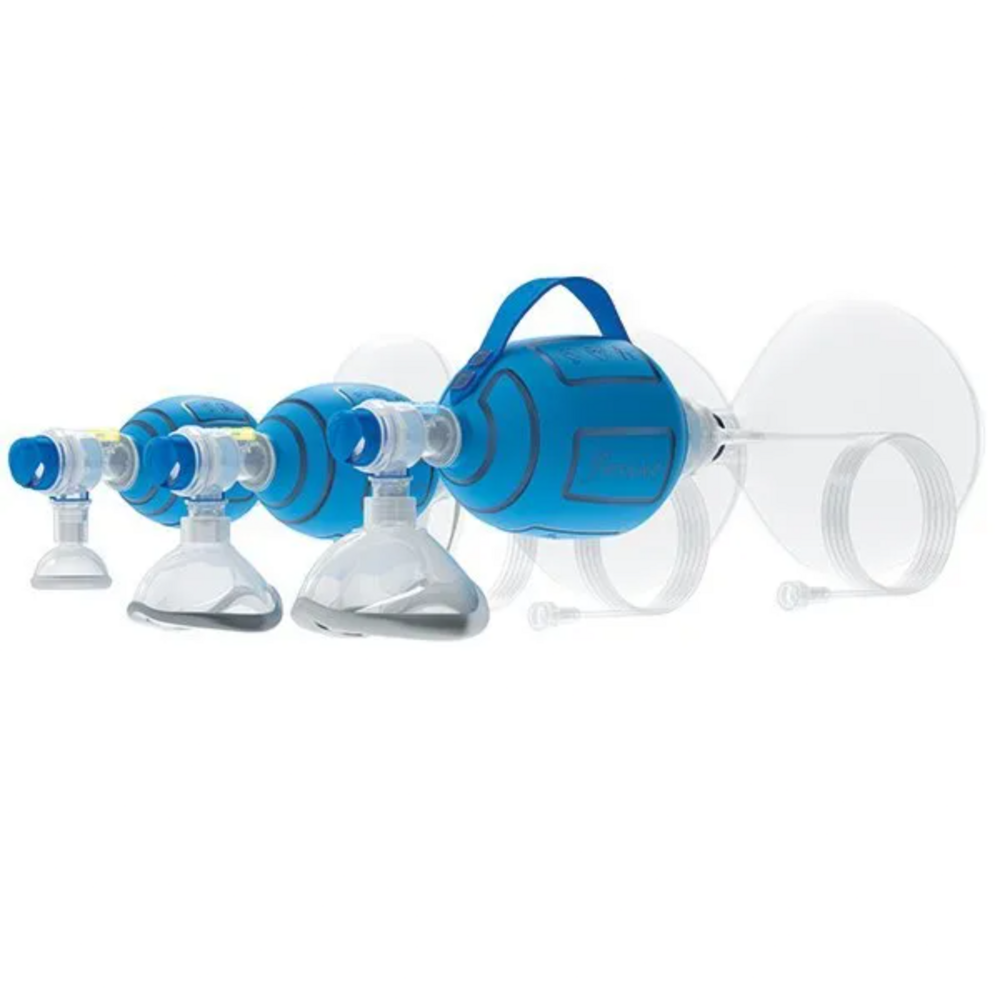
REUSABLE RESUS BAG
Price 1250 INR / Piece
Minimum Order Quantity : 10 Pieces
Use : Resuscitation, Artificial Ventilation
Condition : New
Material : Other, Medical Grade Silicone
Dimension (L*W*H) : Standard Adult Size: approx. 270 mm (length) x 115 mm (diameter)
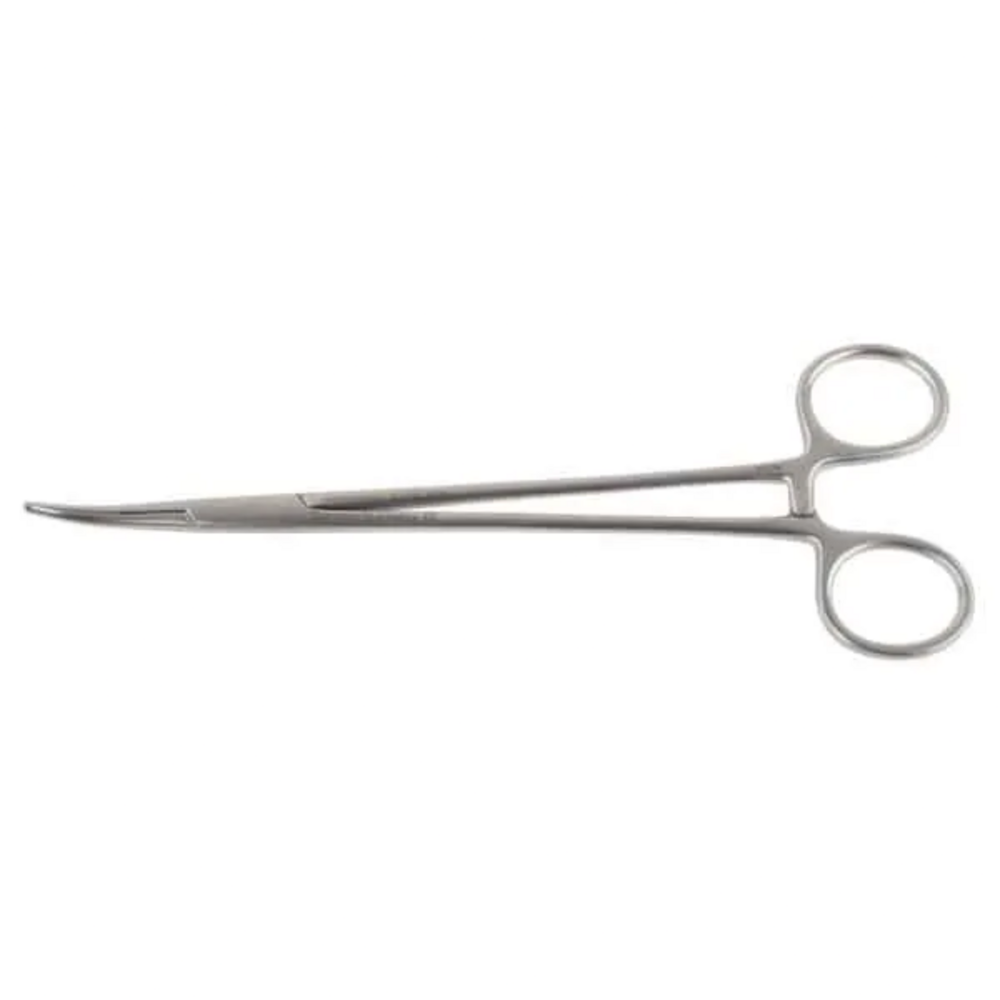
TONSIL ARTERY FORCEPS
Price 1300 INR / Piece
Minimum Order Quantity : 10 Pieces
Use : Clamping blood vessels during surgery, especially tonsillectomy
Condition : New
Material : Other, Stainless Steel
Dimension (L*W*H) : Approx. 19 cm length
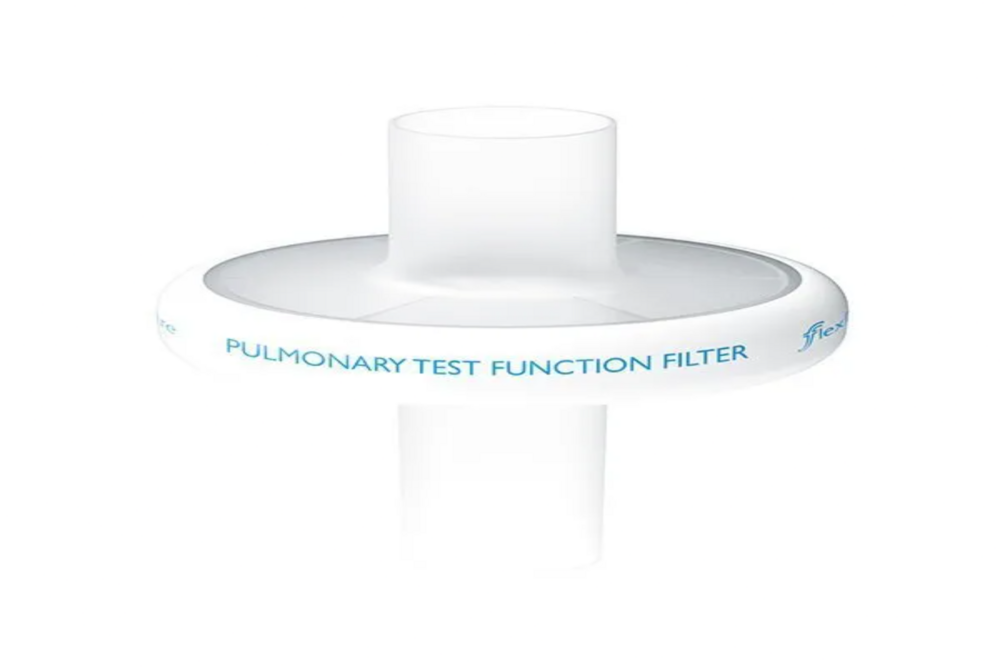
LUNG FUNCTION FILTER
Price 1550 INR / Piece
Minimum Order Quantity : 10 Pieces
Use : Pulmonary Function Testing
Condition : New
Material : Other, Medical Grade Plastic
Dimension (L*W*H) : 65 mm x 35 mm x 25 mm
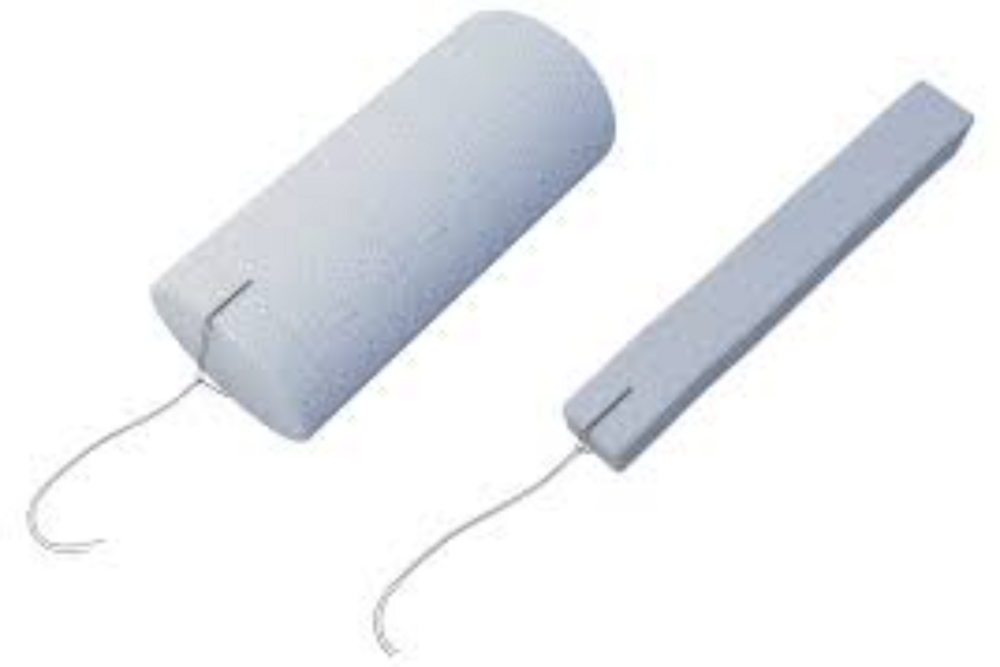
Ear Packs TUBE
Price 1950 INR / Piece
Minimum Order Quantity : 10 Pieces
Use : Medical, ENT Procedures, PostSurgical Care
Condition : New
Material : Cotton
Dimension (L*W*H) : Custom sizes available

Mark Enterprises
GST : 09CGDPG2368E1ZJ
GST : 09CGDPG2368E1ZJ
56/A, Gali No-3, Jai Bharat Enclave, Sahibabad, Lajpat Nagar,Ghaziabad - 201005, Uttar Pradesh, India
Phone :08045813058

 Send Inquiry
- Breathing Circuit and Accessories
- Airway Management
- Intubation Devices And Accessories
- Tracheostomy Tube
- Endotracheal Tube
- Anaesthesia Face Mask
- CPAP And BIPAP Mask And Accessories
- HMES And HMFS Breathing Filter
- Oxygen And Nebulization Therapy Products
- Neonatal Care Products
- Gel Positioner
- Medical Grade CSSD Products
- Catheter Kit
- Suction Tube
- Besmed NICU Care Products
- Surgical Gown
- Nasal Cannula
- Urology Products
- Infusion Pump
- Prone Head Positioner With Mirror
- Cautery Pencil
- Pulse Oximeter
- Nebulizer Machine
- Foley Catheter
- Oxygen Flow Meter
- Strile Spiral Extension Line
- Yankauer Suction Set
- CPAP System
- AIRWAY TUBE
- AMBU BEG
 Send Inquiry
 Send SMS
 Call Me Free
Mark Enterprises
All Rights Reserved.(Terms of Use)
Developed and Managed by Infocom Network Private Limited.
Developed and Managed by Infocom Network Private Limited.

