

Call us now
08045813058
Curved Scope Medical Fiber Optic Larengoscop
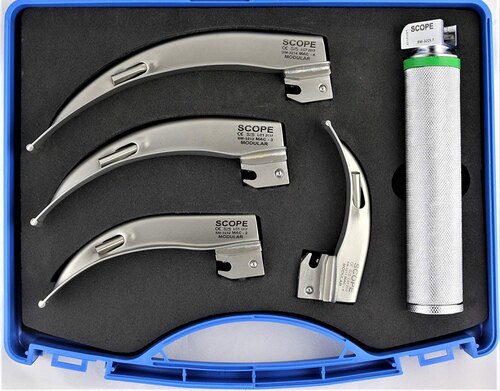
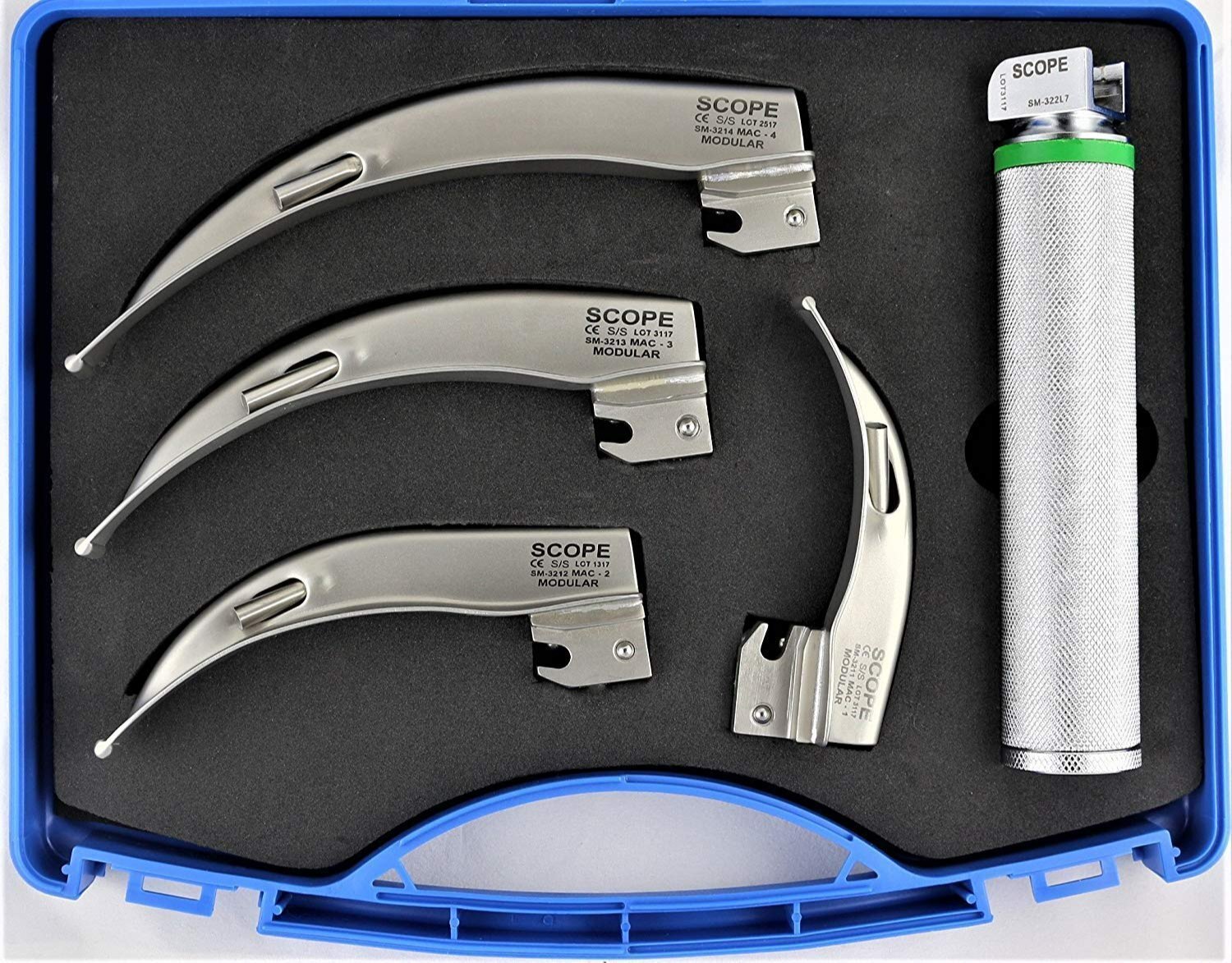
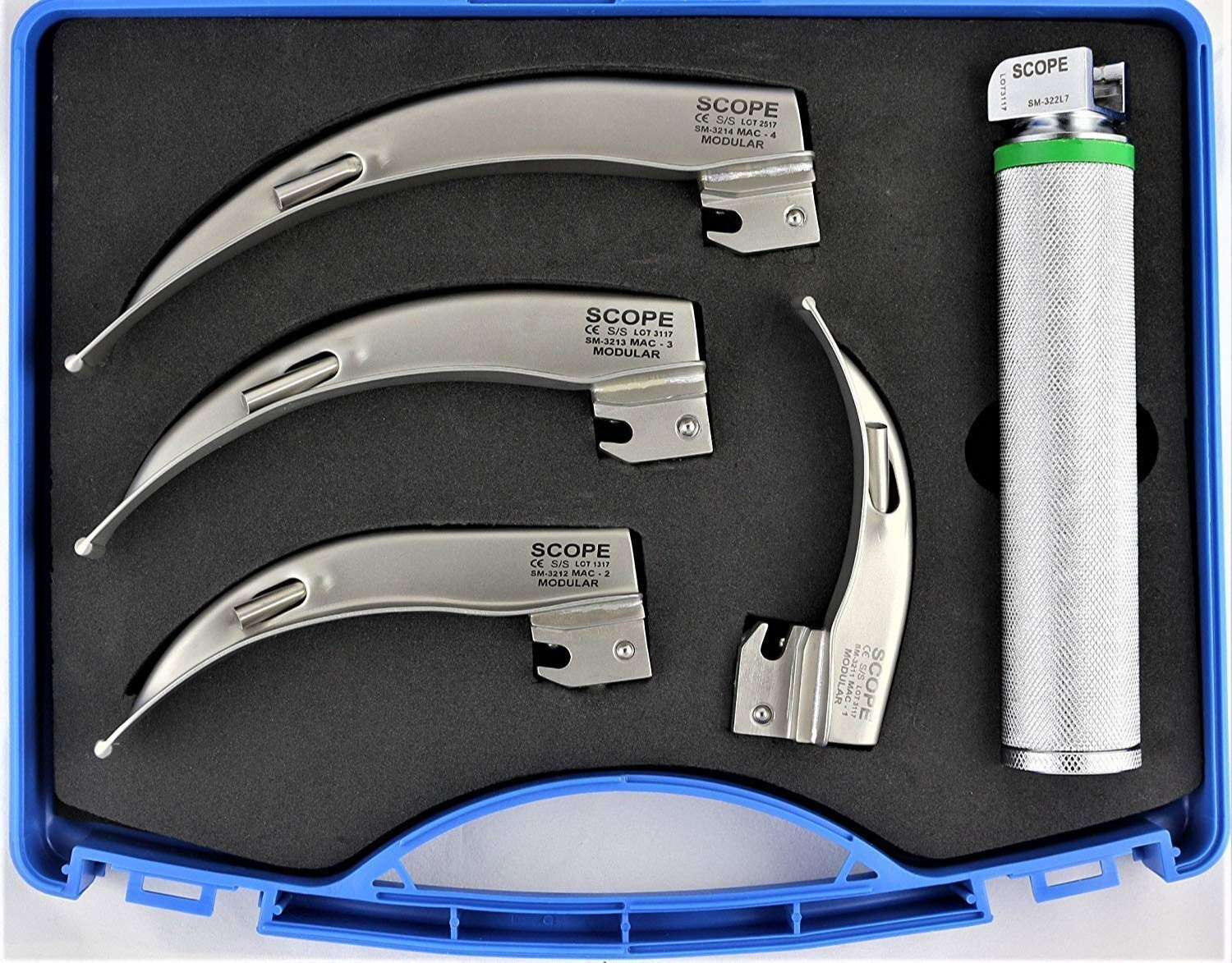
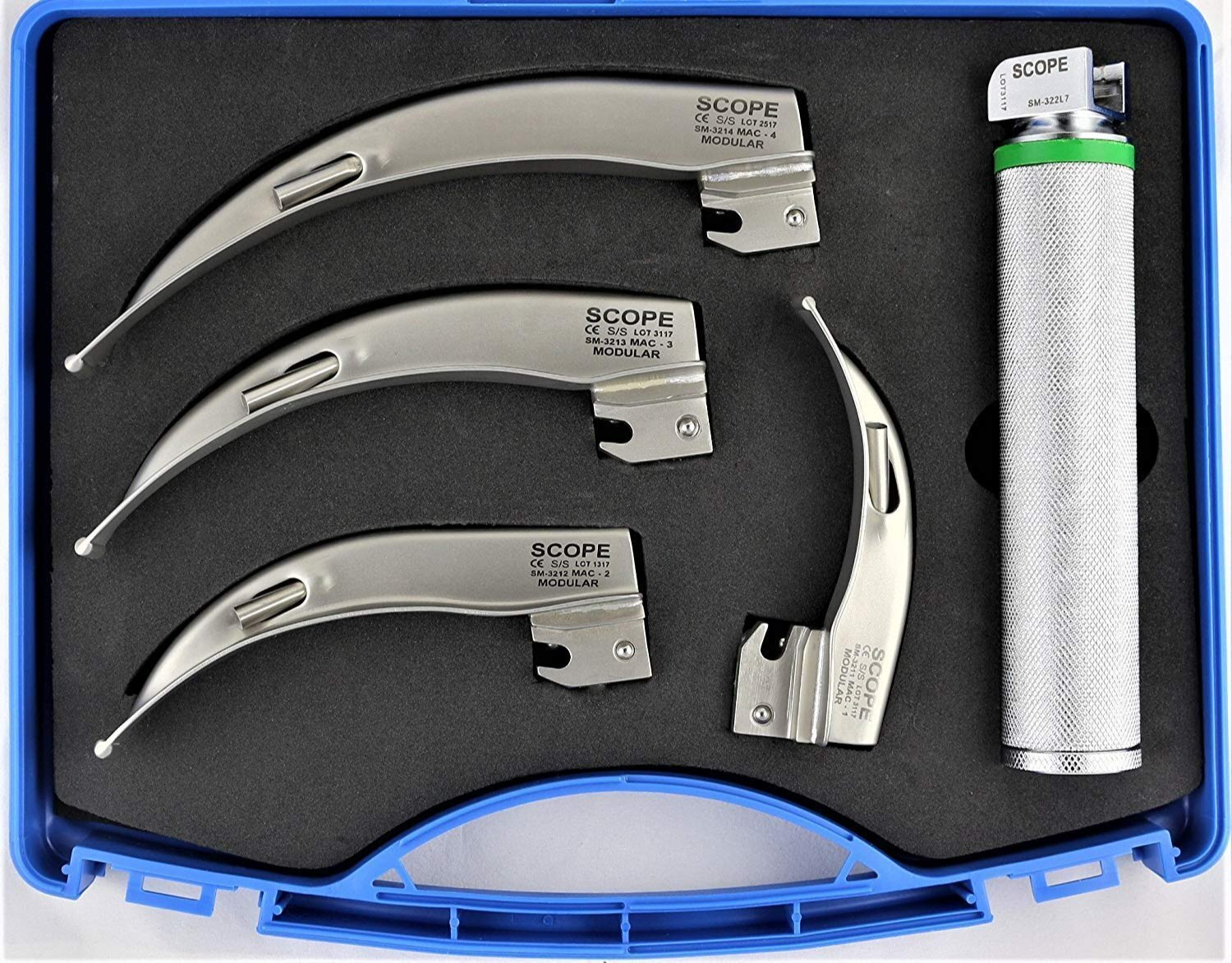
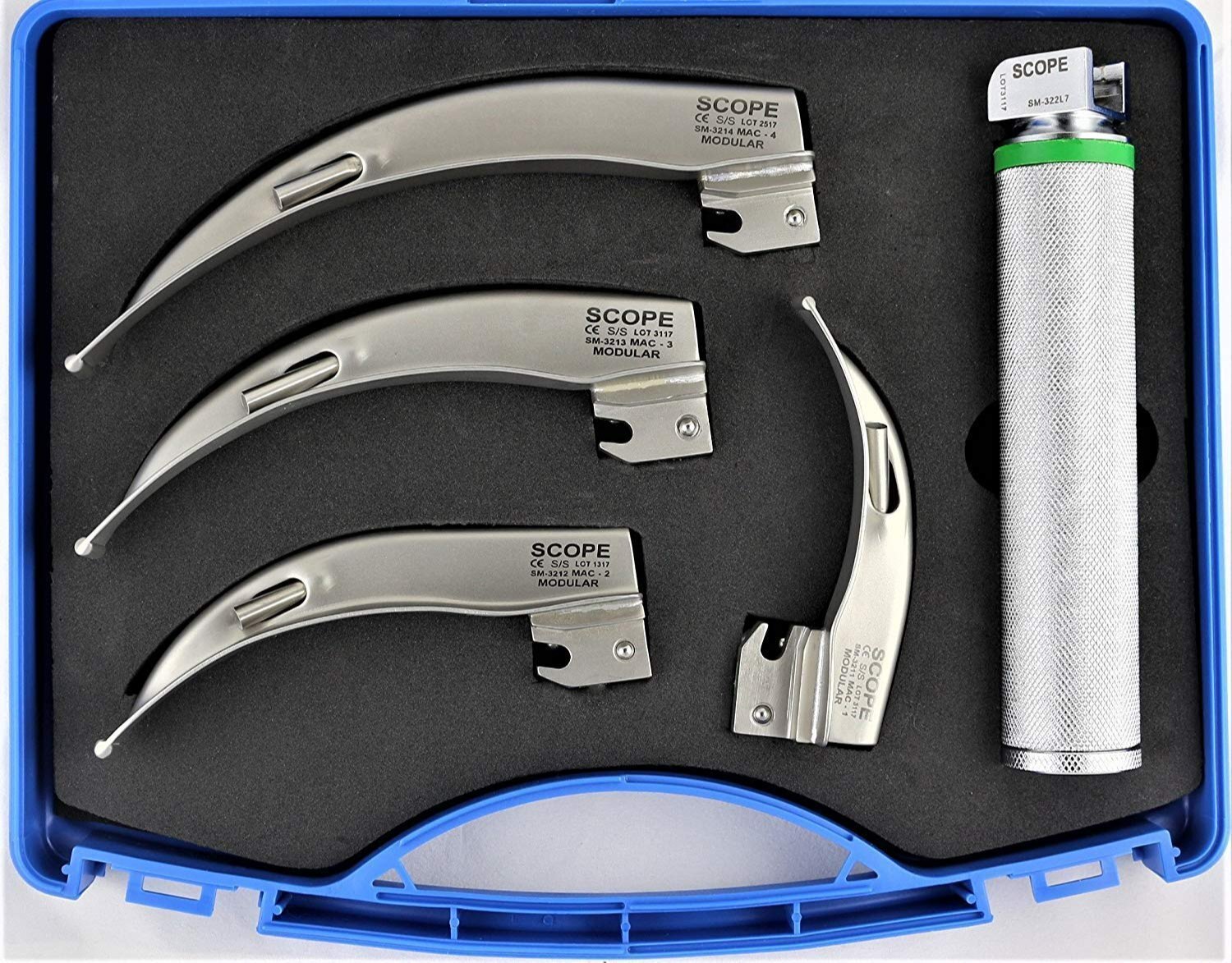

Curved Scope Medical Fiber Optic Larengoscop Specification
- Display Type
- None (Direct Viewing Device)
- Instruments Type
- Otolaryngology Surgical Instrument
- Storage Instructions
- Store in Clean, Dry Place; Disinfect after each use
- Accuracy
- Direct Visual Assessment; High Precision Alignment
- Shelf Life
- 5 Years (Device Life Expectancy)
- Function
- Facilitates Intubation and Laryngeal Visualization
- Features
- Curved Macintosh Blade, Removable Blade, Anti-Rust, Anti-Corrosion, Fiber Optic Light Transmission, Ergonomic Handle, Easy Blade Attachment & Removal, Autoclavable
- Usage Type
- Reusable
- Equipment Type
- Fiber Optic Laryngoscope
- Material
- Stainless Steel & Medical Grade Plastic
- Condition
- New
- Technology
- Fiber Optic Illumination
- Portable
- Yes
- Wall Mounted
- No
- Magnification Power
- No Magnification (Direct View)
- Real-Time Operation
- Yes
- Noise Level
- Silent Operation
- Operating Type
- Manual
- Use
- Visual Examination of Larynx and Airways
- Power Source
- Battery Operated (LED/halogen bulb in handle)
- Power Consumption
- Low
- Voltage
- 2.5V - 3.5V (Typical, for bulb)
- Dimension (L*W*H)
- Standard Blade Lengths: 80 mm to 220 mm, Handle: 130 mm (Approx.)
- Weight
- Approx. 150-300 grams depending on size
- Color
- Metallic Silver with Black/Green Handle Accents
- Number of Blades
- Typically Supplied with 1-4 Blades in Set
- Light Source Type
- Fiber Optic LED or Halogen (Integrated in Handle)
- CE / ISO Certification
- Yes (On Request)
- Application
- ICU, OT, Emergency, Anesthesia, ENT Clinics
- Cleaning Method
- Autoclavable and Chemical Disinfection Compatible
- Packing
- Individual Polypack or Hard Case (as required)
- Sterility
- Non-Sterile, Requires Sterilization Before Use
- Grip Design
- Ergonomic Non-slip Handle
- Blade Type
- Curved Macintosh
- Latex Content
- Latex-Free
- Autoclavable
- Yes, up to 134°C / 273°F
- Compatible With
- Universal Fiber Optic Handles
- Illumination Intensity
- Bright White (Approx. 3,000-5,000 lux at blade tip)
About Curved Scope Medical Fiber Optic Larengoscop
Types of LaryngoscopyThere are several ways your doctor may do this procedure:
Indirect laryngoscopy. This is the simplest form. Your doctor uses a small mirror and a light to look into your throat. The mirror is on a long handle, like the kind a dentist often uses, and its placed against the roof of your mouth.
The doctor shines a light into your mouth to see the image in the mirror. It can be done in a doctors office in just 5 to 10 minutes.
Youll sit in a chair while the exam is done. Your doctor might spray something into your throat to make it numb. Having something stuck in your throat might make you gag, however.
SUGGESTEDContinuedDirect fiber-optic laryngoscopy. Many doctors now do this kind, sometimes called flexible laryngoscopy. They use a small telescope at the end of a cable, which goes up your nose and down into your throat.
It takes less than 10 minutes. Youll get a numbing medication for your nose. Sometimes a decongestant is used to open your nasal passages as well. Gagging is a common reaction with this procedure as well.
ContinuedDirect laryngoscopy. This is the most involved type. Your doctor uses a laryngoscope to push down your tongue and lift up the epiglottis. Thats the flap of cartilage that covers your windpipe. It opens during breathing and closes during swallowing.
Your doctor can do this to remove small growths or samples of tissue for testing. They can also use this procedure to insert a tube into the windpipe to help someone breathe during an emergency or in surgery.
Direct laryngoscopy can take up to 45 minutes. Youll be given whats called general anesthesia, so that you will not be awake during the procedure. Your doctor can take out any growths in your throat or take a sample of something that might need to be checked more closely.
Advanced Fiber Optic Technology
Experience powerful illumination with integrated LED or halogen fiber optic lighting delivering 3,000-5,000 lux at the blade tip. This ensures optimal visibility for high-precision intubation, making it a crucial tool in airway management and laryngeal visualization.
Designed for Safety and Comfort
The Curved Scope Laryngoscope features a non-slip ergonomic handle designed for secure grip even in demanding clinical environments. Its latex-free, anti-rust, and anti-corrosion materials prioritize both user and patient safety.
Versatile and Easy Maintenance
Choose from sets with one to four removable, autoclavable blades for diverse applications. The device withstands autoclaving at 134C and can be cleaned using chemical disinfectants, ensuring easy sterilization and readiness for repeated, reliable use.
FAQ's of Curved Scope Medical Fiber Optic Larengoscop:
Q: How is the Curved Scope Medical Fiber Optic Laryngoscope sterilized before use?
A: The laryngoscope must be sterilized prior to every use. It is autoclavable up to 134C (273F) for effective sterilization and can also be disinfected with compatible chemical disinfectants. Always follow standard hospital protocols for cleaning reusable surgical instruments.Q: What situations and medical environments is this laryngoscope most suitable for?
A: This device is designed for visual examination and intubation in ICU, operation theaters, emergency departments, anesthesia procedures, and ENT clinics. Its versatility and robust construction make it ideal across various clinical settings.Q: When should I use a Curved Macintosh blade laryngoscope?
A: Use the Curved Macintosh blade during orotracheal intubations, especially when direct visualization of the vocal cords and larynx is required. The curved design facilitates easier lifting of the epiglottis and provides an optimal airway view.Q: Where can this laryngoscope be stored when not in use?
A: Store the laryngoscope in a clean, dry place. It is supplied in either an individual polypack or a durable hard case, protecting it from contamination and damage between uses.Q: What benefits does the fiber optic illumination provide during airway management?
A: Fiber optic illumination delivers a bright, shadow-free white light at the blade tip (approx. 3,000-5,000 lux), enhancing visibility during intubation and reducing the likelihood of errors, ensuring safe and accurate airway access.Q: Is the device compatible with universal fiber optic handles?
A: Yes, the laryngoscope blades are designed to be compatible with most universal fiber optic handles, providing flexibility and integration with existing equipment in most healthcare settings.Q: How many blades are typically included, and can they be replaced?
A: The laryngoscope sets typically come with one to four removable Macintosh blades. Blades are easy to attach, remove, and replace as per procedure requirements and user preference. Get Latest Price
Tell us about your requirement

Price:
Quantity
Select Unit
- 50
- 100
- 200
- 250
- 500
- 1000+
Additional detail
Mobile number
Email

More Products in Intubation Devices And Accessories Category
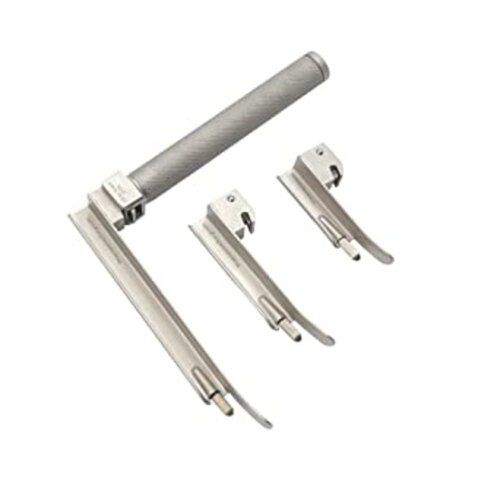
Direct Straight Pediatric Laryngoscope SET
Price 99000.0 INR / Piece
Minimum Order Quantity : 10 Pieces
Portable : Yes
Weight : Lightweight
Color : Silver/Metallic
Use : Pediatric Airway Management, Intubation
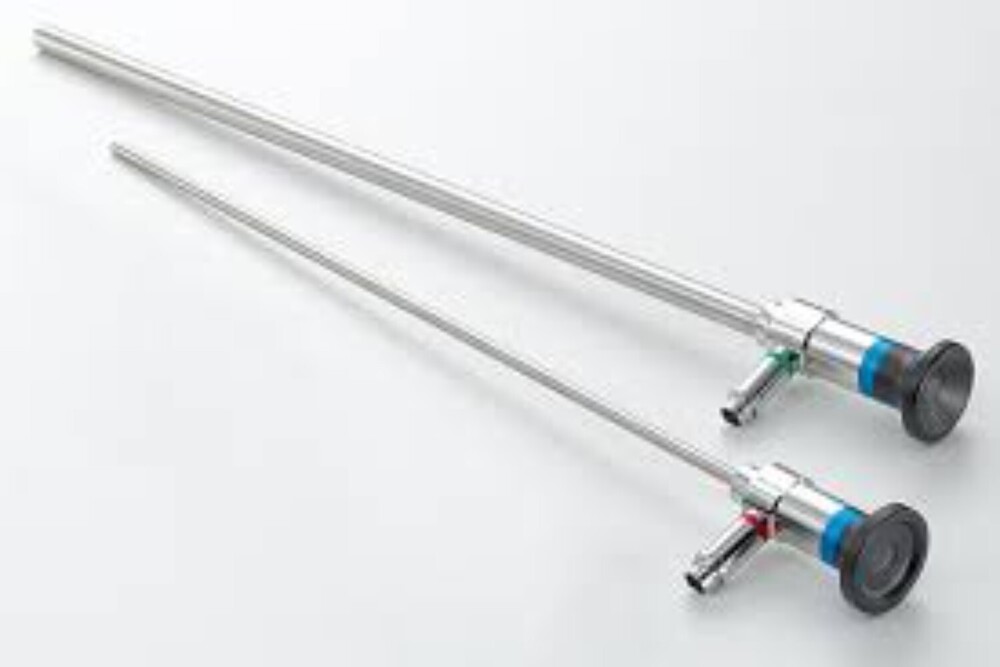
LAPAROSCOPE AUTOCLAVE WIDE ANGLE
Price 1550 INR / Piece
Minimum Order Quantity : 10 Pieces
Portable : Yes
Weight : Lightweight
Color : Silver
Use : Surgical, Endoscopic Procedures
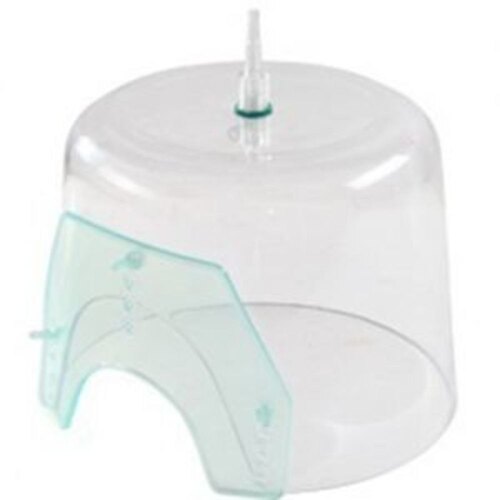
Plastic Oxygen Hood
Price 89000.0 INR / Piece
Minimum Order Quantity : 10 Pieces
Portable : Yes
Weight : Lightweight (Approx. 300500 grams)
Color : Transparent
Use : Administering Oxygen to Neonates and Infants
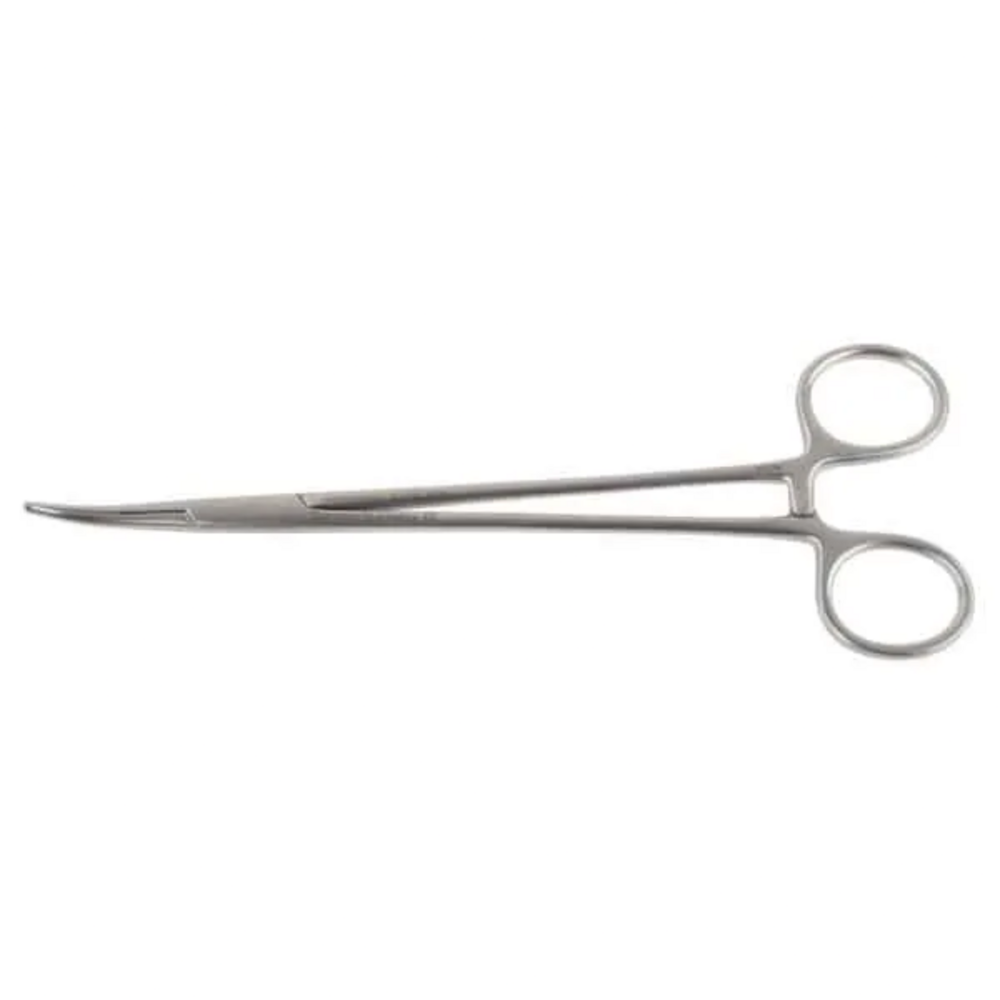
TONSIL ARTERY FORCEPS
Price 1300 INR / Piece
Minimum Order Quantity : 10 Pieces
Portable : Yes
Weight : Approx. 60 g
Color : Silver (Polished Finish)
Use : Clamping blood vessels during surgery, especially tonsillectomy

Mark Enterprises
GST : 09CGDPG2368E1ZJ
GST : 09CGDPG2368E1ZJ
56/A, Gali No-3, Jai Bharat Enclave, Sahibabad, Lajpat Nagar,Ghaziabad - 201005, Uttar Pradesh, India
Phone :08045813058

 Send Inquiry
- Breathing Circuit and Accessories
- Airway Management
- Intubation Devices And Accessories
- Tracheostomy Tube
- Endotracheal Tube
- Anaesthesia Face Mask
- CPAP And BIPAP Mask And Accessories
- HMES And HMFS Breathing Filter
- Oxygen And Nebulization Therapy Products
- Neonatal Care Products
- Gel Positioner
- Medical Grade CSSD Products
- Catheter Kit
- Suction Tube
- Besmed NICU Care Products
- Surgical Gown
- Nasal Cannula
- Urology Products
- Infusion Pump
- Prone Head Positioner With Mirror
- Cautery Pencil
- Pulse Oximeter
- Nebulizer Machine
- Foley Catheter
- Oxygen Flow Meter
- Strile Spiral Extension Line
- Yankauer Suction Set
- CPAP System
- AIRWAY TUBE
- AMBU BEG
 Send Inquiry
 Send SMS
 Call Me Free
Mark Enterprises
All Rights Reserved.(Terms of Use)
Developed and Managed by Infocom Network Private Limited.
Developed and Managed by Infocom Network Private Limited.

