

Call us now
08045813058
NEONATAL HEATED WIRE VENTILATOR

NEONATAL HEATED WIRE VENTILATOR Specification
- Shelf Life
- 5 years
- Measurement Range
- Tidal volume: 2-100 ml; Pressure: 2-40 cmH2O; FiO2: 21-100%
- Storage Instructions
- Store in dry, clean environment; avoid direct sunlight
- Accuracy
- High-precision sensors for temperature and flow
- Usage Type
- Hospital, NICU, Pediatric Clinics
- Display Type
- Digital touchscreen
- Frequency
- 50/60 Hz
- Function
- Provides controlled respiratory support and heated humidification for neonates
- Instruments Type
- Respiratory Support Equipment
- Features
- Precise temperature control, adjustable O2 concentration, humidification, overheat and low water alarms
- Equipment Type
- Neonatal Heated Wire Ventilator
- Material
- Stainless Steel, Medical-grade Plastic
- Condition
- New
- Technology
- Heated-wire humidification with advanced ventilation modes
- Portable
- Yes, with wheels
- Wall Mounted
- No
- Real-Time Operation
- Yes
- Noise Level
- <40 dB
- Operating Type
- Automatic and Manual
- Use
- Ventilation support for neonates and infants
- Power Source
- Electric
- Power Consumption
- 150-200 W
- Voltage
- 220-240 V, 50/60 Hz
- Dimension (L*W*H)
- Approx. 65 x 45 x 130 cm
- Weight
- Approx. 25-30 kg
- Color
- White & blue
- User Interface
- Touchscreen navigation with intuitive UI
- Battery Backup
- At least 1 hour
- Modes of Ventilation
- CPAP, SIMV, PSV, Volume Control, Pressure Control
- Data Output
- USB and optional network connectivity for data logging
- Safety Alarms
- Low/high pressure, low/high temperature, power failure
- Humidification Range
- 31-37°C adjustable
- Oxygen Concentration Control
- Electronic, adjustable 21-100%
- Patient Circuit
- Disposable/Reusable heated breathing circuit compatible
About NEONATAL HEATED WIRE VENTILATOR
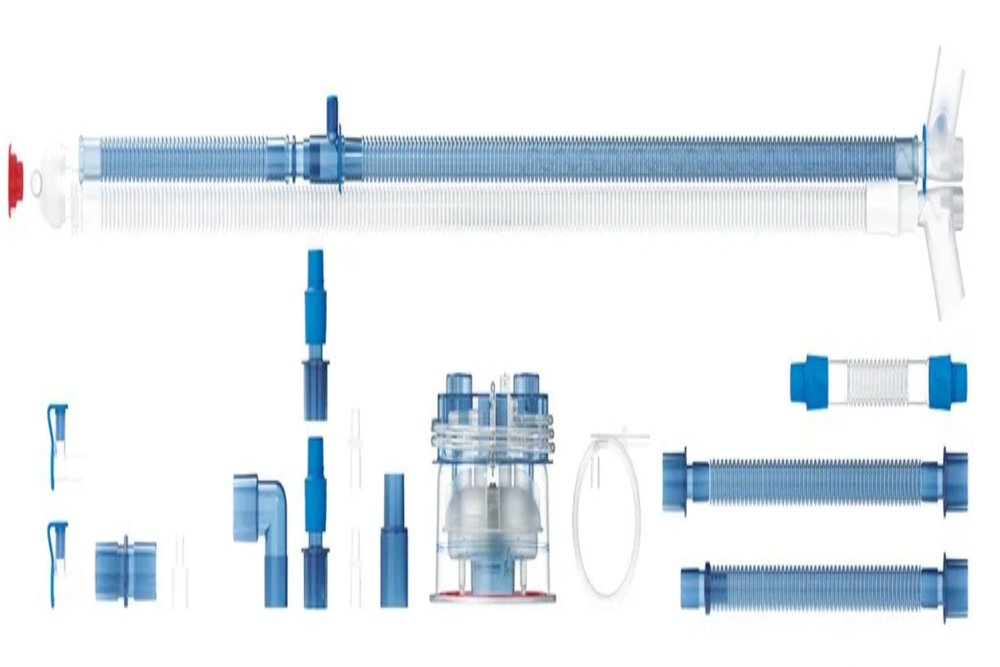
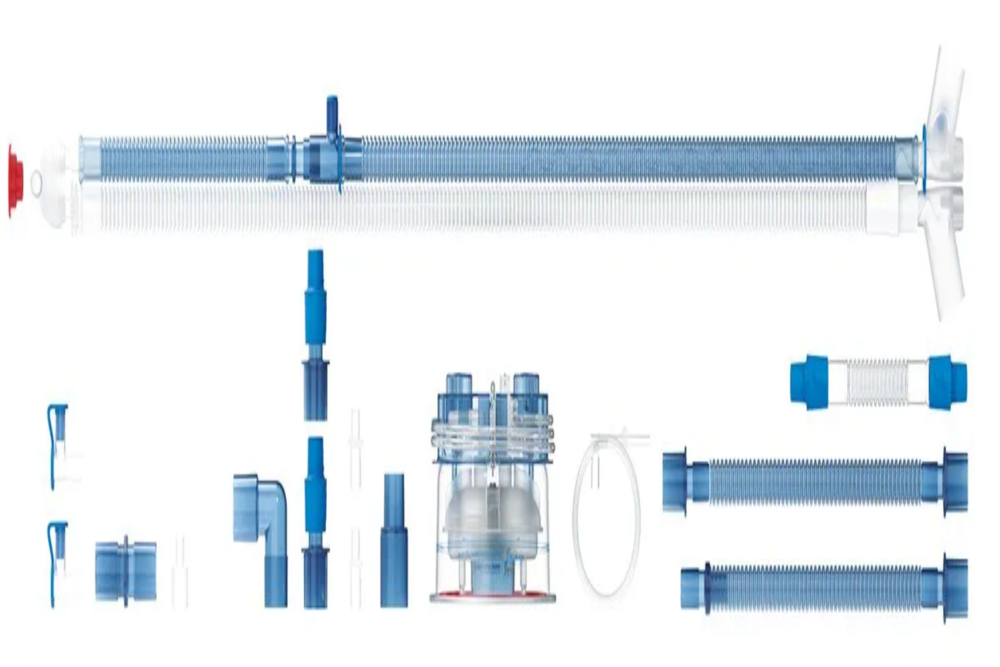
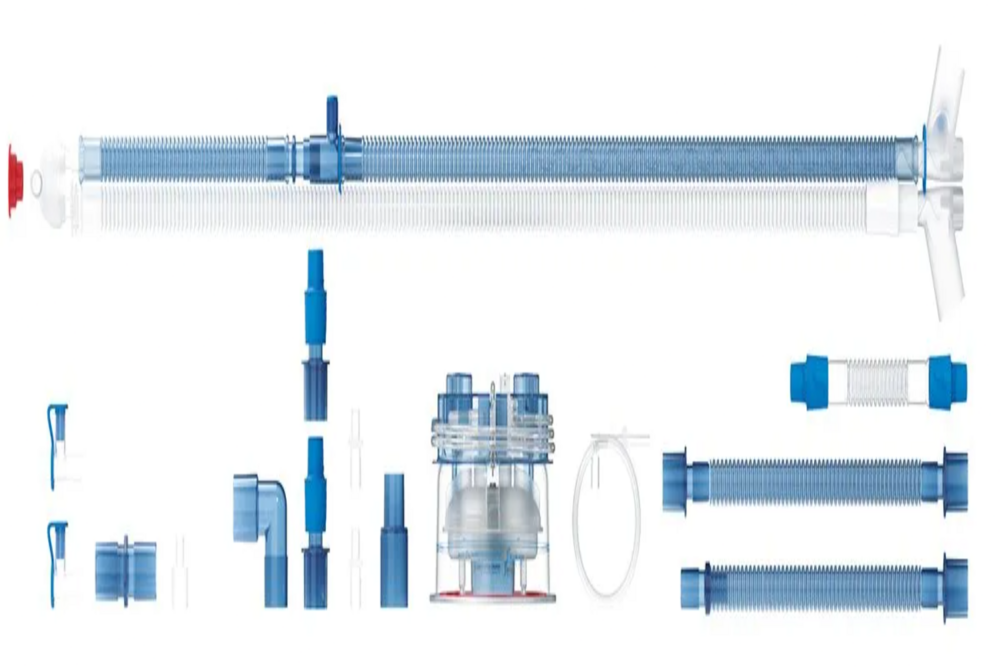
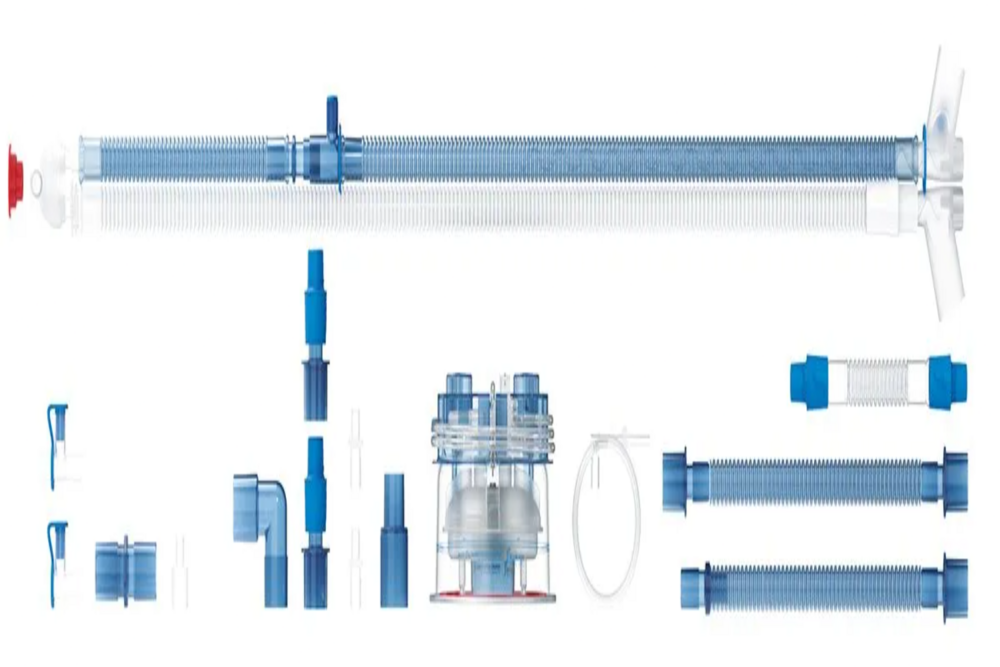
Neonatal Heated Wire VentilatorNeonatal heated wire ventilator circuits are designed to provide consistent humidity levels and protect the respiratory system of newborns during invasive and non-invasive therapies. These circuits are available in various configurations to suit different ventilator models and clinical needs. Here are some examples:Neonatal Single Heated Wire - Kit 1: This kit includes a Y-piece with a suction port, an incubator extension, and other components necessary for neonatal ventilation. It is available in both standard and SLE ventilator versions.Neonatal Dual Heated Wire - Kit 1: This kit features a dual heated wire system, providing enhanced humidification and temperature control. It also comes in standard and SLE ventilator versions.Neonatal Single Limb Heated Wire for CPAP / HFOT - Kit 1: This circuit is designed for use with CPAP or HFOT (High Flow Oxygen Therapy) and includes components such as a pressure relief valve and an auto-fill chamber.Neonatal Nitric Oxide Adapter Kit: This kit is specifically designed to facilitate the use of nitric oxide therapy in neonatal patients.Neo2Vent SLE VENTILATOR CIRCUIT: This circuit is compatible with SLE ventilators and is designed for neonatal use.Infant Single Limb Heated Wire Circuit: This circuit is available in standard, Drger, and SLE types and is designed for use with invasive and non-invasive ventilation.Each of these circuits is designed to ensure consistent humidified air delivery, minimize condensation, and provide easy tube organization, contributing to better patient care in neonatal units.Advanced Modes of Ventilation
This ventilator supports multiple sophisticated ventilation modes such as CPAP, SIMV, PSV, Volume Control, and Pressure Control. These options allow clinicians to customize respiratory support for each neonate, accommodating varied medical needs and improving patient outcomes through adaptable therapy.
Precision and Safety Features
Equipped with high-precision sensors, the ventilator delivers accurate temperature, flow, and oxygen concentration control. Safety is ensured with a robust alarm system for pressure, temperature, water levels, and power status. The heated-wire humidification system reduces condensation, promoting optimal airway conditions in neonates.
User-Friendly and Portable Design
Designed for ease of use, the ventilator features a digital touchscreen for intuitive navigation and real-time operation. Its portable build, equipped with wheels and a battery backup of at least one hour, allows for flexible deployment in hospital, NICU, and pediatric clinic environments.
FAQ's of NEONATAL HEATED WIRE VENTILATOR:
Q: How does the Neonatal Heated Wire Ventilator support different ventilation requirements for infants?
A: The ventilator offers several modes-CPAP, SIMV, PSV, Volume Control, and Pressure Control-allowing precise adjustment of respiratory support based on each patient's clinical needs, enhancing comfort and outcomes for neonates and infants.Q: What are the benefits of the heated-wire humidification system?
A: The heated-wire humidification maintains airway moisture at an adjustable 31-37C, reducing risks of airway irritation and infection while ensuring the delivered air is comfortable and safe for neonates.Q: When should the safety alarms be expected to activate?
A: Safety alarms are triggered if parameters such as airway pressure, temperature, or water level fall outside set thresholds, or during power interruptions, ensuring prompt attention and maximum patient safety at all times.Q: Where can this ventilator be effectively used?
A: Ideal for hospital settings, NICUs, and pediatric clinics, the ventilator's portability and user-friendly interface support rapid deployment wherever advanced neonatal respiratory care is required.Q: What is the process of setting and adjusting oxygen concentration and humidification?
A: Oxygen concentration (21-100%) and humidification (31-37C) are easily adjustable electronically via the touchscreen interface, allowing clinicians precise control over respiratory therapy parameters.Q: How does the device ensure data tracking and storage?
A: Data can be logged and output via USB or optional network connectivity, assisting in continuous monitoring and record-keeping of patient ventilation parameters for clinical evaluation and compliance.Q: What are the maintenance and storage recommendations for this equipment?
A: To maintain optimal performance and longevity, store the ventilator in a dry, clean environment away from direct sunlight, and follow regular cleaning protocols for both device and breathing circuits as specified by the manufacturer. Get Latest Price
Tell us about your requirement

Price:
Quantity
Select Unit
- 50
- 100
- 200
- 250
- 500
- 1000+
Additional detail
Mobile number
Email

More Products in Intubation Devices And Accessories Category
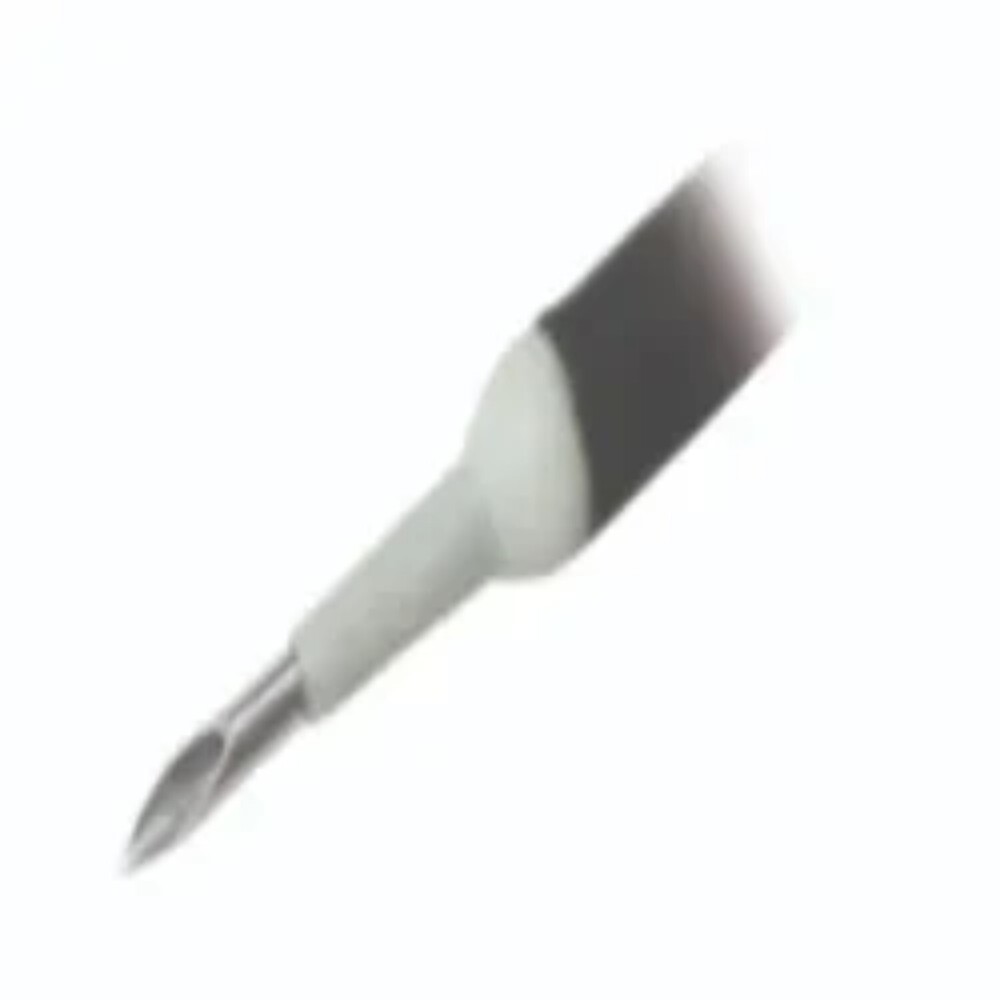
ASPIRATION NEEDLE INSULATED
Price 1650 INR / Piece
Minimum Order Quantity : 10 Pieces
Weight : Lightweight
Condition : New
Use : For aspiration and biopsy procedures
Material : Other, Stainless Steel with Insulated Sheath
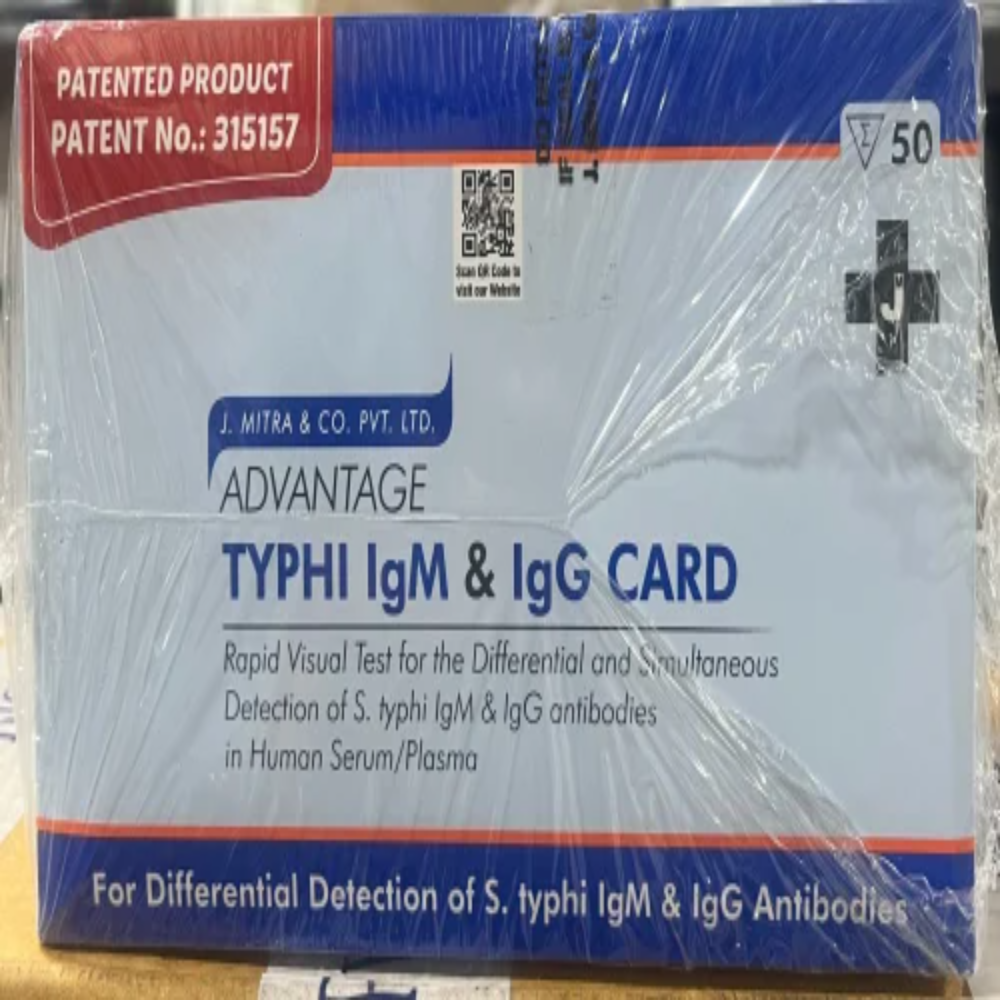
JMITRA ADVANTAGE TYPHOID RAPID TEST CARD
Price 2000 INR / Piece
Minimum Order Quantity : 10 Pieces
Weight : Lightweight
Condition : New
Use : Detection of Typhoid (Salmonella Typhi) infection in human serum, plasma, or whole blood
Material : Other, Plastic and testspecific reagents
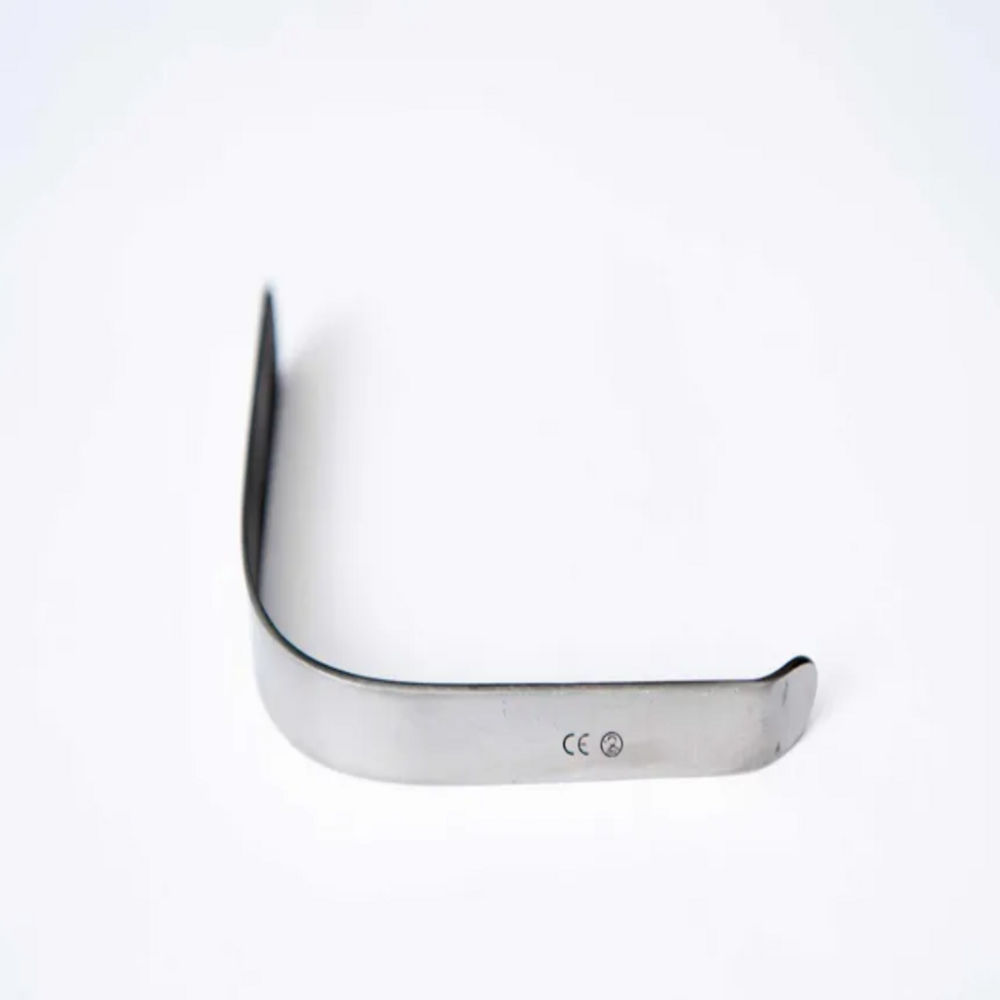
TONGUE SPATULA ADULT
Price 2300 INR / Piece
Minimum Order Quantity : 10 Pieces
Weight : Approx. 1.5 g per spatula
Condition : New
Use : Medical Examination
Material : Other, Wooden
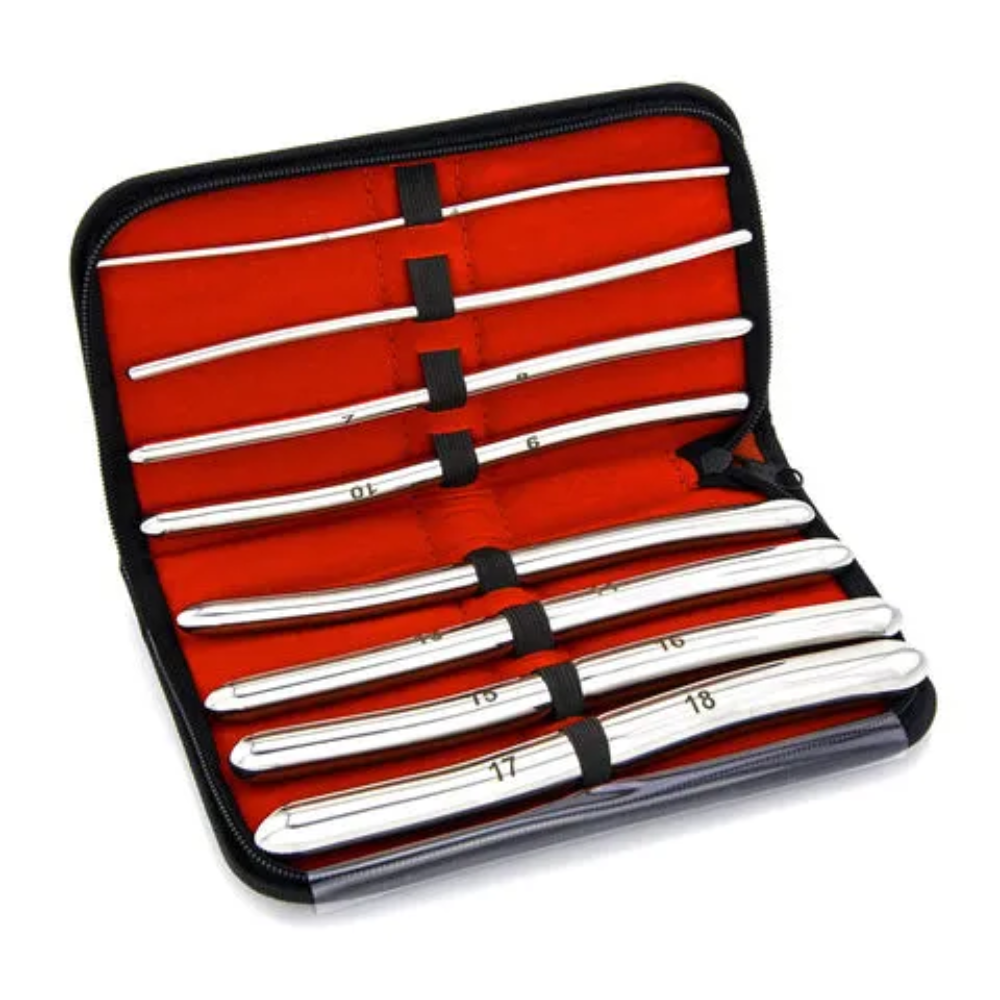
URETHRAL DILATOR BOOGIE
Price 966.0 INR / Piece
Minimum Order Quantity : 10 Pieces
Weight : Variable
Condition : New
Use : Medical Urological Procedures
Material : Other, Stainless Steel

Mark Enterprises
GST : 09CGDPG2368E1ZJ
GST : 09CGDPG2368E1ZJ
56/A, Gali No-3, Jai Bharat Enclave, Sahibabad, Lajpat Nagar,Ghaziabad - 201005, Uttar Pradesh, India
Phone :08045813058

 Send Inquiry
- Breathing Circuit and Accessories
- Airway Management
- Intubation Devices And Accessories
- Tracheostomy Tube
- Endotracheal Tube
- Anaesthesia Face Mask
- CPAP And BIPAP Mask And Accessories
- HMES And HMFS Breathing Filter
- Oxygen And Nebulization Therapy Products
- Neonatal Care Products
- Gel Positioner
- Medical Grade CSSD Products
- Catheter Kit
- Suction Tube
- Besmed NICU Care Products
- Surgical Gown
- Nasal Cannula
- Urology Products
- Infusion Pump
- Prone Head Positioner With Mirror
- Cautery Pencil
- Pulse Oximeter
- Nebulizer Machine
- Foley Catheter
- Oxygen Flow Meter
- Strile Spiral Extension Line
- Yankauer Suction Set
- CPAP System
- AIRWAY TUBE
- AMBU BEG
 Send Inquiry
 Send SMS
 Call Me Free
Mark Enterprises
All Rights Reserved.(Terms of Use)
Developed and Managed by Infocom Network Private Limited.
Developed and Managed by Infocom Network Private Limited.

