

Call us now
08045813058
JMITRA HEPACARD HBSAG RAPID TEST CARD
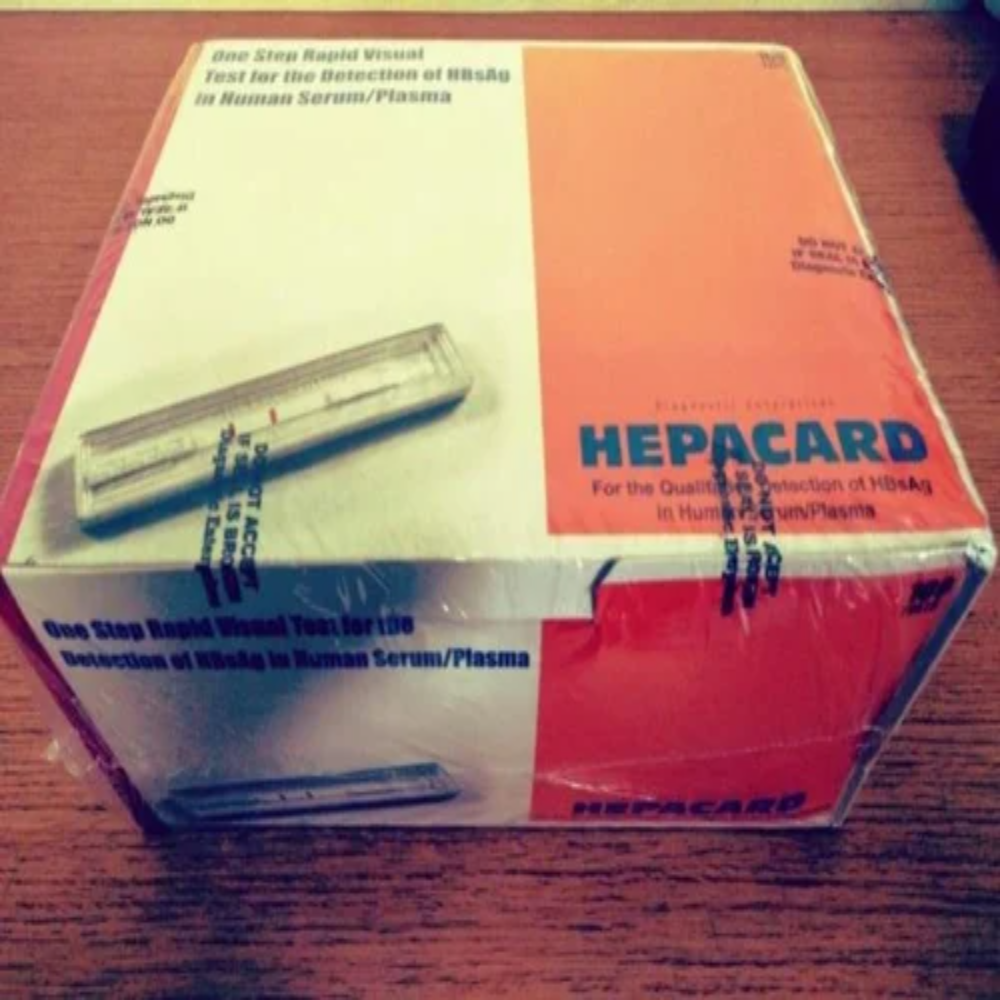
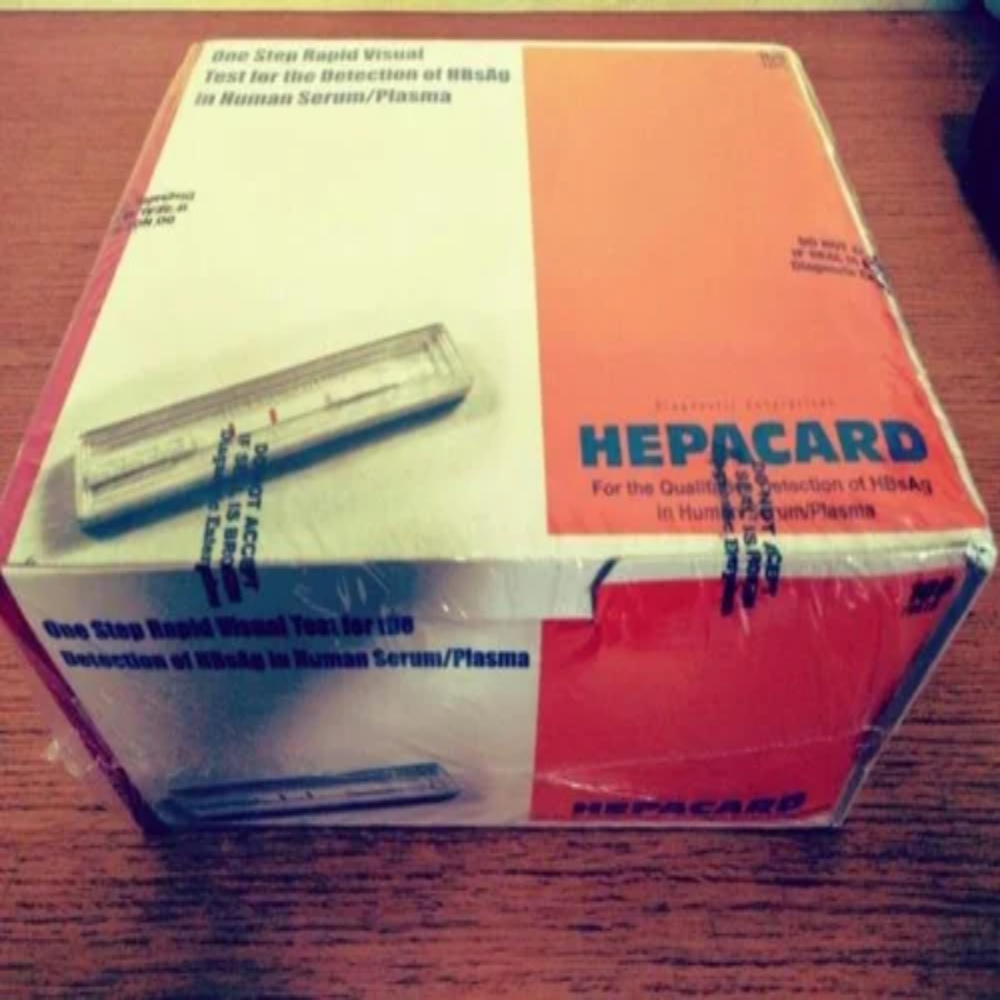
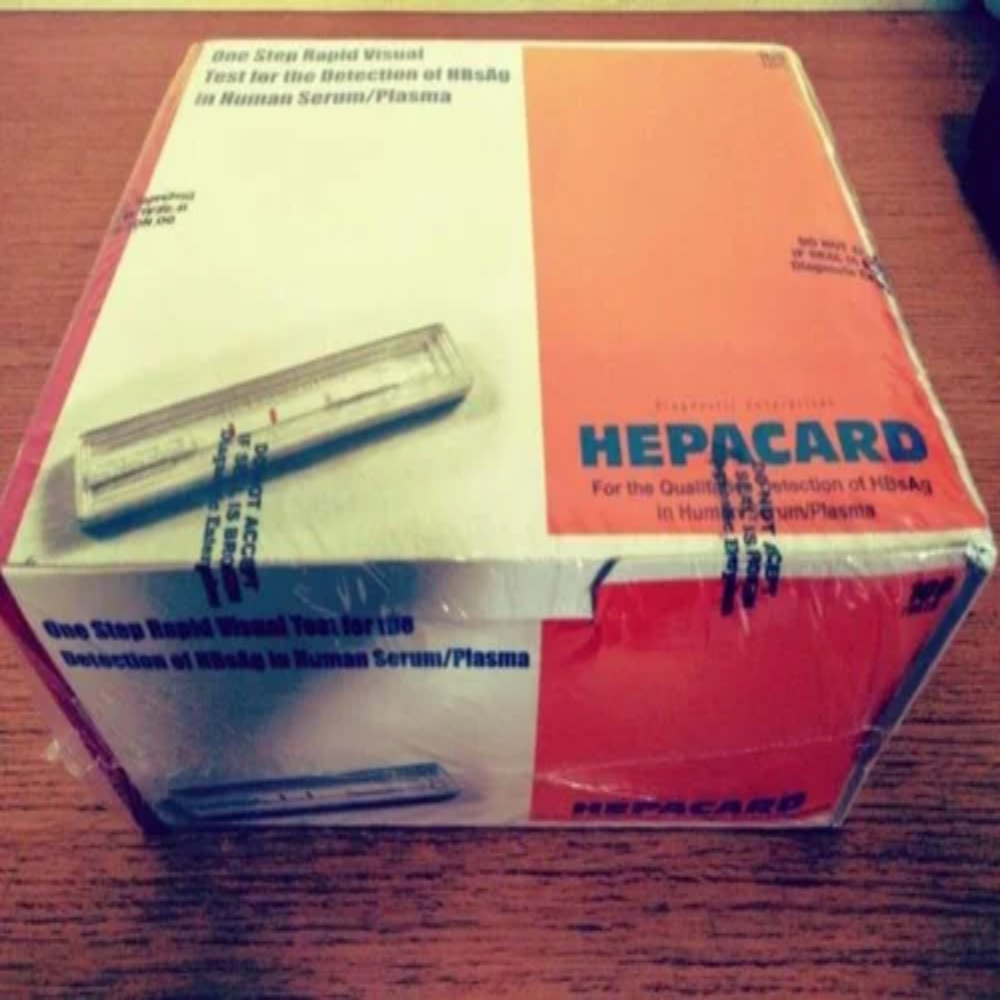

JMITRA HEPACARD HBSAG RAPID TEST CARD Specification
- Storage Instructions
- Store at 230C in a dry place, away from direct sunlight
- Function
- Qualitative identification of HBsAg
- Measurement Range
- QualitativeDetects presence or absence of HBsAg
- Usage Type
- Single Use
- Shelf Life
- 24 months from manufacturing date
- Features
- Rapid result, easy to use, one-step operation, clear result interpretation, room temperature storage
- Display Type
- Visual Line Indication (analog)
- Instruments Type
- In Vitro Diagnostic Device
- Accuracy
- >99% (as per manufacturer)
- Equipment Type
- Diagnostic Rapid Test Card
- Material
- High-quality plastic and membrane strips
- Condition
- New
- Technology
- Lateral Flow Immunoassay
- Portable
- Yes
- Wall Mounted
- No
- Real-Time Operation
- Yes
- Operating Type
- Manual
- Use
- Detection of Hepatitis B Surface Antigen (HBsAg) in human serum or plasma
- Dimension (L*W*H)
- Standard test card size (approx. 80mm x 25mm x 4mm)
- Weight
- Approx. 5 grams per test card
- Color
- White card with marked result window
- Lot Number & Expiry
- Printed on packaging
- Result Time
- 20 minutes
- Package Contents
- 25 individually pouched test cards, 1 instruction leaflet, disposable droppers
- Specificity
- High
- Biological Risk
- Single use only, dispose as biomedical waste
- Manufactured By
- J. Mitra & Co. Pvt. Ltd.
- Intended Users
- Clinical laboratories, hospitals, diagnostic centers
- Sensitivity
- High (typically 99%)
- Specimen Type
- Human serum or plasma
About JMITRA HEPACARD HBSAG RAPID TEST CARD
Hepacard is visual, rapid, sensitive and accurate one step immunoassay for the qualitative detection of Hepatitis B surface antigen (HBsAg) in Human serum or plasma.The assay is intended to be used as an aid in the recognition and diagnosis of acute infections and chronic infectious carriers of the Hepatitis B Virus(HBV).
Salient Features- Detects all the 11 subtype of HBsAg.
- Antigen Sensitivity- 0.5 ng/ml.
- No sample preparation required.
- See through Device for easy result interpretation.
- Shelf life-30 months at 2-30C.
- WHO Evaluated with 100% Sensitivity.
HEPACARD is a one-step immunoassay based on the antigen capture, or "sandwich principle. The method uses monoclonal antibodies conjugated to colloidal gold and polyclonal antibodies immobilized on a nitrocellulose strip in a thin line. The test sample is introduced to and flows laterally through an absorbent pad where it mixes with the signal reagent. If the sample contains HBsAg, the collodial gold-antibody conjugate binds to the antigen, forming an antigen-antibody-collodial gold complex. The complex then migrates through the nitrocellulose strip by capillary action. When the complex meets the line of immobilized antibody(Test line) "T, the complex is trapped forming an antibody-antigen-antibody colldial gold complex.
Rapid and Reliable HBsAg Screening
The HEPACARD HBSAG RAPID TEST CARD delivers reliable results within 20 minutes, ensuring timely diagnosis and streamlining clinical workflow. This lateral flow immunoassay leverages high-quality plastic and membrane strips to offer consistent accuracy over a 24-month shelf life. Designed for ease of use, the visual analog display enables prompt result interpretation in a single operational step.
Simple, Safe, and User-Friendly
Intended for clinical professionals, this test card requires only human serum or plasma, with no complex equipment needed. Its clear instructions, single-use packaging, and manual operation minimize handling risks and maintain biosafety. The compact, lightweight design further enhances portability and convenient storage, making it ideal for varied medical settings.
FAQ's of JMITRA HEPACARD HBSAG RAPID TEST CARD:
Q: How do I use the JMITRA HEPACARD HBSAG RAPID TEST CARD?
A: To use the test card, add the required amount of human serum or plasma sample to the indicated area using the disposable dropper. Wait 20 minutes for the results to display in the marked result window. Detailed instructions are provided in the included leaflet.Q: What specimen types are compatible with this rapid test?
A: This test card is validated for use with human serum or plasma collected in clinical settings. Other specimen types are not recommended.Q: Where should I store the test cards for optimal performance?
A: Store the test cards at 2-30C in a dry place, away from direct sunlight and moisture. Keeping them within the temperature range outlined on the packaging maintains their accuracy and efficacy.Q: What are the key benefits of using this rapid test for HBsAg detection?
A: The test offers over 99% accuracy, provides rapid results within 20 minutes, and is easy to operate without specialized equipment. Its portability and room temperature storage make it highly practical for diverse healthcare environments.Q: When is it appropriate to use this diagnostic test?
A: Use this test card for routine HBsAg screening, pre-transfusion safety checks, or hepatitis B diagnostics in clinical laboratories, hospitals, or diagnostic centers as part of standard clinical protocols.Q: How do I dispose of the test card after use?
A: After single use, dispose of the test card and any associated materials as biomedical waste, following your facility's guidelines for the disposal of diagnostic medical devices.Q: What does a positive or negative result indicate on this test?
A: A positive result indicates the presence of Hepatitis B Surface Antigen in the tested serum or plasma, suggesting active hepatitis B infection. A negative result means HBsAg was not detected, but further testing may be necessary if infection is still suspected clinically. Get Latest Price
Tell us about your requirement

Price:
Quantity
Select Unit
- 50
- 100
- 200
- 250
- 500
- 1000+
Additional detail
Mobile number
Email

More Products in Intubation Devices And Accessories Category
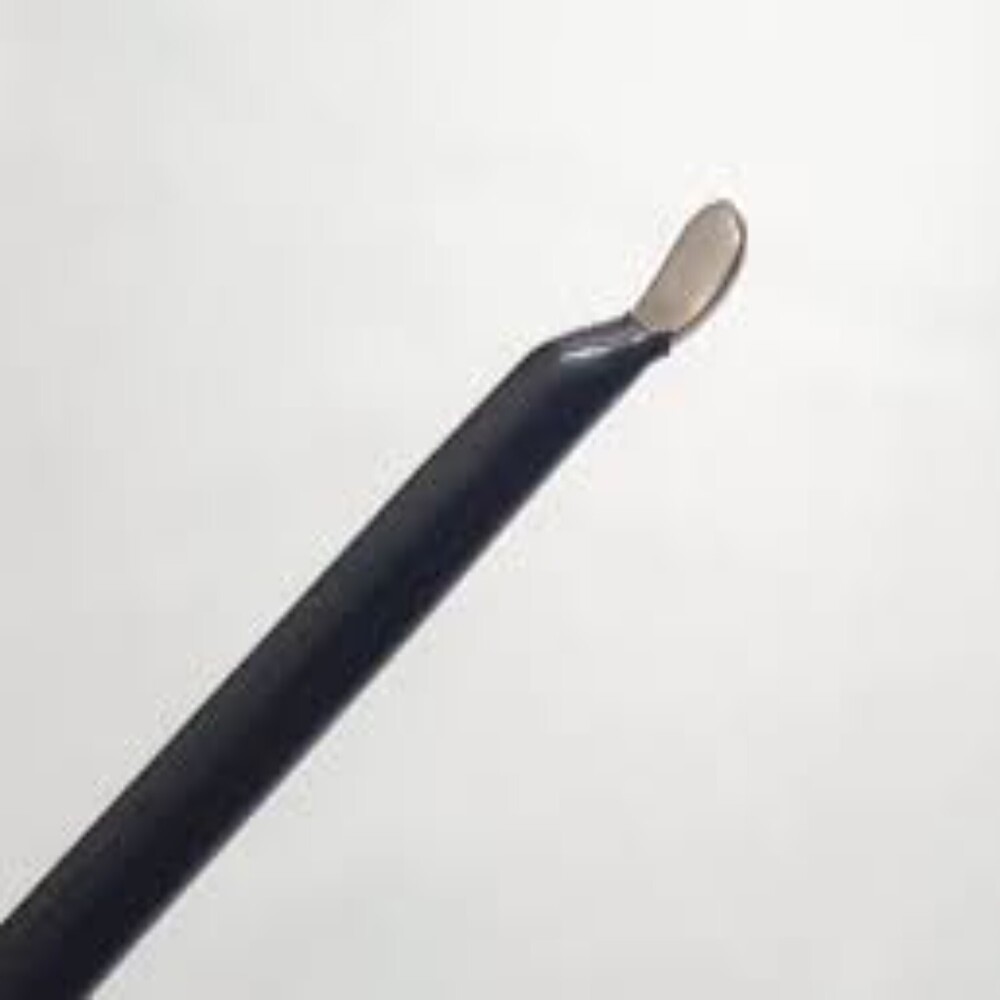
SPATULA ELECTRODE
Price 1950 INR / Piece
Minimum Order Quantity : 10 Pieces
Material : Other, Stainless Steel
Condition : New
Color : Silver
Use : Surgical Procedures
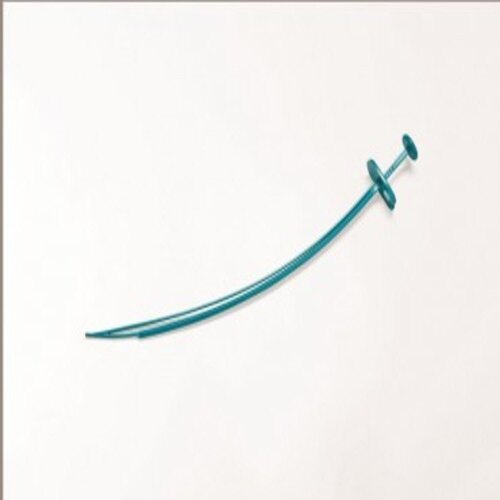
D Stylet talwalkar
Price 575 INR / Piece
Minimum Order Quantity : 10 Pieces
Material : Other, Stainless Steel
Condition : New
Color : Silver
Use : Used for medical applications, endoscopic procedures

UTERINE FORCEPS
Price 2500 INR / Piece
Minimum Order Quantity : 10 Pieces
Material : Other, Stainless Steel
Condition : New
Color : Silver (Metallic Finish)
Use : Gynecological Surgical Procedures
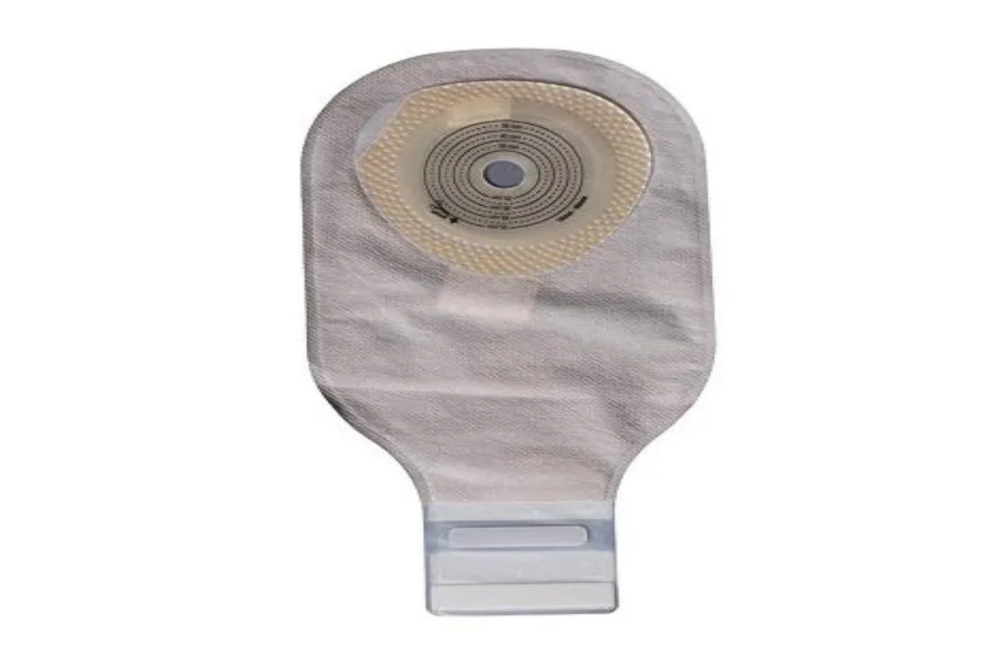
MODERMA FLEX COLOSTOMY BAG
Price 1450 INR / Piece
Minimum Order Quantity : 10 Pieces
Material : Other, Flexible, medicalgrade plastic film with hydrocolloid adhesive
Condition : Other, New, sterile packaging
Color : Beige (opaque)
Use : Colostomy stoma waste management

Mark Enterprises
GST : 09CGDPG2368E1ZJ
GST : 09CGDPG2368E1ZJ
56/A, Gali No-3, Jai Bharat Enclave, Sahibabad, Lajpat Nagar,Ghaziabad - 201005, Uttar Pradesh, India
Phone :08045813058

 Send Inquiry
- Breathing Circuit and Accessories
- Airway Management
- Intubation Devices And Accessories
- Tracheostomy Tube
- Endotracheal Tube
- Anaesthesia Face Mask
- CPAP And BIPAP Mask And Accessories
- HMES And HMFS Breathing Filter
- Oxygen And Nebulization Therapy Products
- Neonatal Care Products
- Gel Positioner
- Medical Grade CSSD Products
- Catheter Kit
- Suction Tube
- Besmed NICU Care Products
- Surgical Gown
- Nasal Cannula
- Urology Products
- Infusion Pump
- Prone Head Positioner With Mirror
- Cautery Pencil
- Pulse Oximeter
- Nebulizer Machine
- Foley Catheter
- Oxygen Flow Meter
- Strile Spiral Extension Line
- Yankauer Suction Set
- CPAP System
- AIRWAY TUBE
- AMBU BEG
 Send Inquiry
 Send SMS
Mark Enterprises
All Rights Reserved.(Terms of Use)
Developed and Managed by Infocom Network Private Limited.
Developed and Managed by Infocom Network Private Limited.

