

Call us now
08045813058
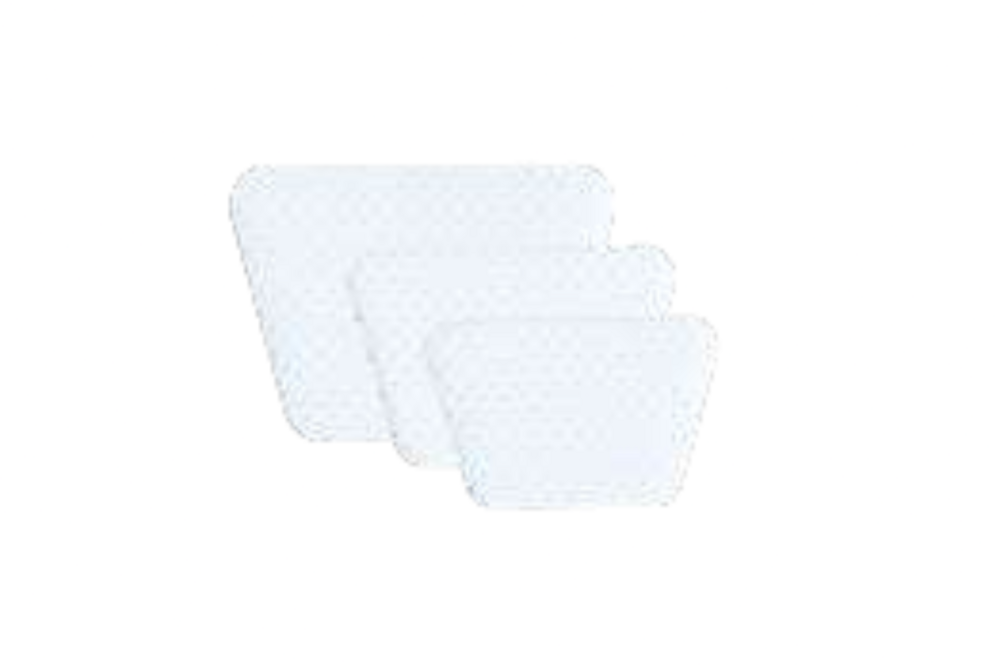
External Thermoplastic Splints

External Thermoplastic Splints Specification
- Storage Instructions
- Store in Cool, Dry Place, Avoid Direct Sunlight
- Features
- Re-mouldable, Breathable Perforations, Lightweight, Rigid After Setting
- Usage Type
- Reusable
- Accuracy
- Precisely fits anatomical contour
- Shelf Life
- 2-3 Years
- Function
- Immobilization, Support and Protection
- Measurement Range
- Customizable
- Instruments Type
- Orthopedic Splint
- Equipment Type
- External Thermoplastic Splints
- Material
- Low Temperature Thermoplastic Sheet
- Condition
- New
- Technology
- Mouldable by Heat
- Portable
- Yes
- Wall Mounted
- No
- Real-Time Operation
- Yes (During Moulding)
- Noise Level
- Silent
- Operating Type
- Manual
- Use
- Orthopedic Support, Fracture Immobilization
- Dimension (L*W*H)
- Customized as per Patient
- Weight
- Lightweight
- Color
- White/Opaque
- Skin Compatibility
- Hypoallergenic
- Latex Content
- Latex Free
- Hardening Time
- 3-5 Minutes After Cooling
- Activation Temperature
- ~60°C - 70°C
- Thickness
- 1.6 mm / 2.4 mm / 3.2 mm (varied options)
- Perforation Pattern
- Optional: Solid/Perforated
- Conformability
- Excellent, Easily Shaped over Joints
- Edge Finish
- Smooth to Prevent Skin Irritation
- Cleaning Method
- Washable with Mild Soap & Water
About External Thermoplastic Splints
External Thermoplastic SplintsExternal thermoplastic splints are orthopedic devices designed to provide customizable support and immobilization for various musculoskeletal injuries or conditions. These splints are made from lightweight, moldable materials that become soft and malleable when heated, allowing them to be molded directly to a patients body for a precise fit. They are particularly useful for upper limb fractures and injuries, offering a lightweight alternative to plaster casts.
Thermoplastic splints can be customized to fit specific needs, such as maintaining the hand and fingers in a reflex-inhibiting position or keeping the wrist in a neutral position to help reduce spasticity. They are available in different forms, including sheets, strips, and precut options, which offer varying levels of customization and waste reduction.
When using thermoplastic splints, factors like perforation level and thickness are important. Higher perforation levels make the splint lighter and more comfortable, suitable for smaller body parts, while lower perforation levels provide more stability for larger body parts needing more support. The thickness of the material ranges from 1.6mm to 4.0mm.
Thermoplastic splints can be categorized based on resistance to stretch (RTS): Maximum, Moderate, or Minimum. Maximum RTS materials are best for beginners or infrequent splinters, requiring constant handling and continual effort to contour. Moderate RTS materials are highly versatile, achieving good fit with light handling and pulling, suitable for most splints. Minimum RTS materials require a light touch to stretch or fold and are great for experienced splinters.
For external nasal splints, its important to follow specific instructions. For example, CHOYTONG Thermoplastic Nasal Splints should not be placed in water hotter than 80C and should not stay in hot water for more than 10 minutes. Users have reported that these splints can be challenging to mold and set and may poke the eyes, but they can be reused by reheating them.
Exceptional Conformability and Comfort
Our external thermoplastic splints offer superior moldability, ensuring an exact anatomical fit over even the most complex joint shapes. The smooth edge finish and hypoallergenic, latex-free material minimize the risk of irritation, making them particularly suitable for sensitive or long-term applications.
Rapid and Precise Immobilization
These splints are activated at a low temperature (60C-70C) and become rigid within 3-5 minutes after cooling. This quick setting enables timely support during emergencies and routine orthopedic care, providing immediate protection and immobilization for fractures and soft tissue injuries.
Customizable and Versatile Orthopedic Solution
Available in various thicknesses, perforation patterns, and customizable dimensions, the splints can be tailored to each patient's requirements. Re-mouldable, lightweight, and breathable options make them ideal for different clinical scenarios, while easy cleaning ensures continued hygiene during repeated use.
FAQ's of External Thermoplastic Splints:
Q: How are external thermoplastic splints used in orthopedic care?
A: These splints are heated to their activation temperature (around 60C-70C), then molded over the affected area to conform precisely to the patient's anatomy. They harden within 3-5 minutes after cooling, providing rigid immobilization for fractures, sprains, or post-surgical support.Q: What options are available in terms of thickness and design?
A: The splints come in three thickness options: 1.6 mm, 2.4 mm, and 3.2 mm, with both solid and perforated patterns available. This allows clinicians to choose the best combination of rigidity and breathability for individual patient needs.Q: When should thermoplastic splints be used instead of traditional plaster casts?
A: Thermoplastic splints are preferable when precise anatomical fit, lightweight comfort, and the need for re-mouldability are important. They are ideal for both acute injury immobilization and long-term orthopedic support, and can be removed, adjusted, or reapplied as needed.Q: Where can these splints be applied on the body?
A: The customizable size and excellent conformability allow the splints to be used on various body parts, including the wrist, hand, fingers, ankle, and foot. They are particularly effective for areas requiring detailed joint immobilization.Q: What is the process for cleaning and maintaining these splints?
A: The splints can be cleaned by washing with mild soap and water, then air-dried. Their durable, latex-free material ensures hygiene and reusability while preventing skin reactions, making maintenance straightforward for patients and caregivers.Q: What are the main benefits of using external thermoplastic splints?
A: Key advantages include fast application, custom fit, re-mouldability, lightweight portability, hypoallergenic composition, and the option for breathability. Their precise immobilization improves patient comfort and promotes better clinical outcomes. Get Latest Price
Tell us about your requirement

Price:
Quantity
Select Unit
- 50
- 100
- 200
- 250
- 500
- 1000+
Additional detail
Mobile number
Email

More Products in Intubation Devices And Accessories Category
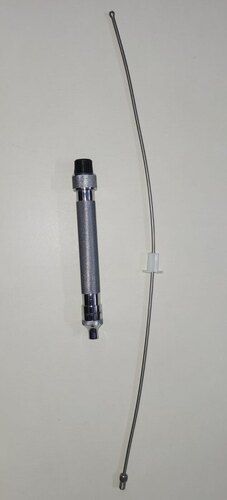
fiber optic stylet / light wand
Price 5850 INR / Piece
Minimum Order Quantity : 10 Pieces
Equipment Type : Fiber Optic Stylet / Light Wand
Storage Instructions : Keep in cool and dry place, away from direct sunlight
Wall Mounted : No
Features : Highintensity cold light, Flexible design, Nontraumatic tip, Easy to clean, Reusable handle with disposable cover
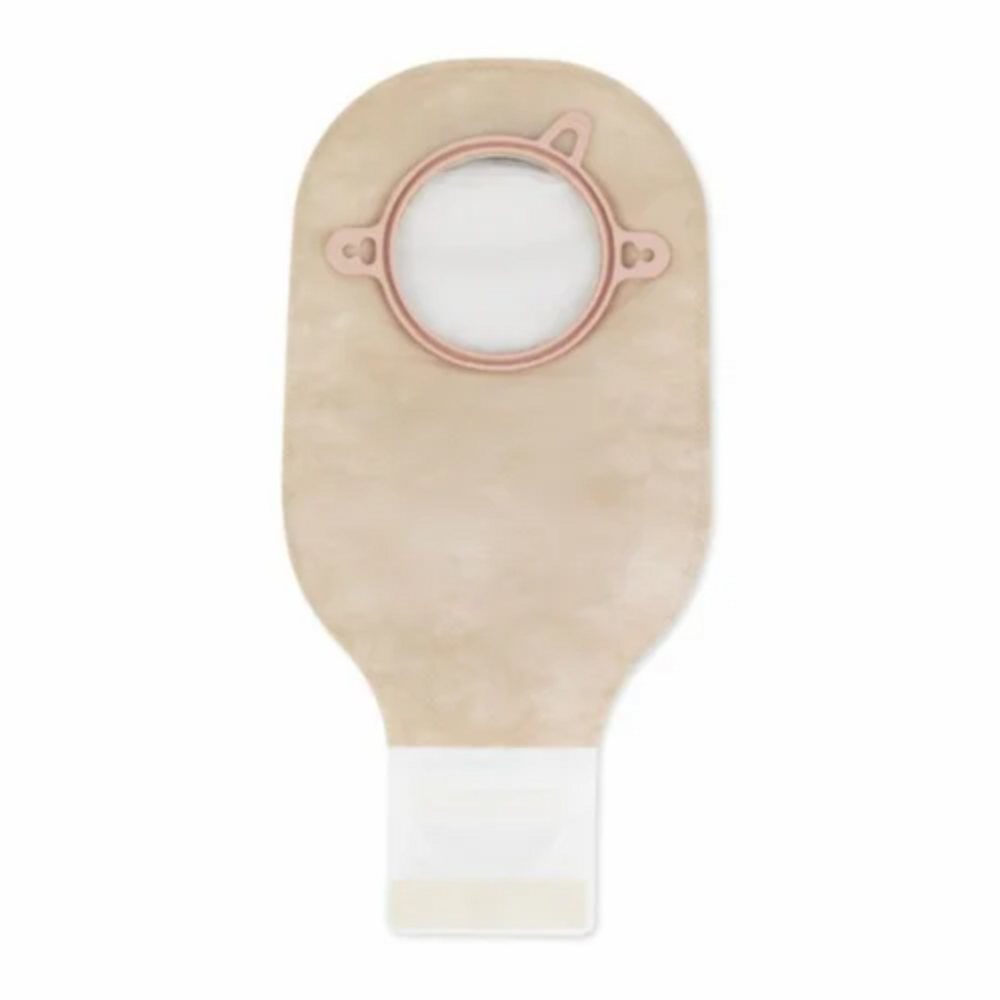
Conform 2 Colostomy Bag 45mm 24760 Pack
Price 1550 INR / Piece
Minimum Order Quantity : 10 Pieces
Equipment Type : Colostomy Bag
Storage Instructions : Store in a cool, dry place
Wall Mounted : No
Features : Odorbarrier, cuttofit, comfort wear panel, secure locking system, discreet
PARALLEL Y PIECE
Price 1650 INR / Piece
Minimum Order Quantity : 10 Pieces
Equipment Type : PARALLEL Y PIECE
Storage Instructions : Store in a cool and dry place, away from direct sunlight
Wall Mounted : No
Features : Robust Construction, Smooth Junctions, Easy to Clean, Leak Proof Design
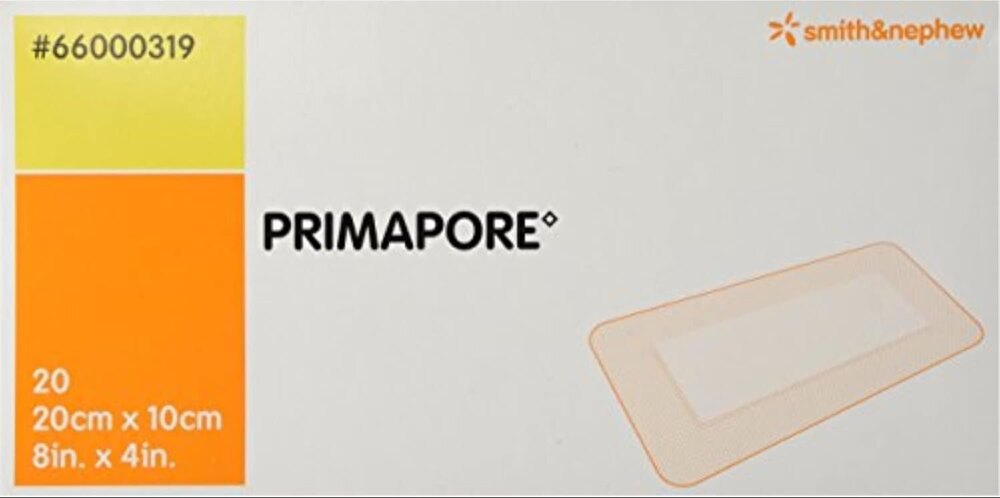
PRIMAPORE ADHESIVE NON WOVEN WOUND DRESSING
Price 1550 INR / Piece
Minimum Order Quantity : 10 Pieces
Equipment Type : Adhesive Non Woven Wound Dressing
Storage Instructions : Store in cool, dry place, away from direct sunlight
Wall Mounted : No
Features : Soft, breathable, conformable, highly absorbent, hypoallergenic adhesive, nonadherent to wound

Mark Enterprises
GST : 09CGDPG2368E1ZJ
GST : 09CGDPG2368E1ZJ
56/A, Gali No-3, Jai Bharat Enclave, Sahibabad, Lajpat Nagar,Ghaziabad - 201005, Uttar Pradesh, India
Phone :08045813058

 Send Inquiry
- Breathing Circuit and Accessories
- Airway Management
- Intubation Devices And Accessories
- Tracheostomy Tube
- Endotracheal Tube
- Anaesthesia Face Mask
- CPAP And BIPAP Mask And Accessories
- HMES And HMFS Breathing Filter
- Oxygen And Nebulization Therapy Products
- Neonatal Care Products
- Gel Positioner
- Medical Grade CSSD Products
- Catheter Kit
- Suction Tube
- Besmed NICU Care Products
- Surgical Gown
- Nasal Cannula
- Urology Products
- Infusion Pump
- Prone Head Positioner With Mirror
- Cautery Pencil
- Pulse Oximeter
- Nebulizer Machine
- Foley Catheter
- Oxygen Flow Meter
- Strile Spiral Extension Line
- Yankauer Suction Set
- CPAP System
- AIRWAY TUBE
- AMBU BEG
 Send Inquiry
 Send SMS
Mark Enterprises
All Rights Reserved.(Terms of Use)
Developed and Managed by Infocom Network Private Limited.
Developed and Managed by Infocom Network Private Limited.

