

Call us now
08045813058
Medical Intubating
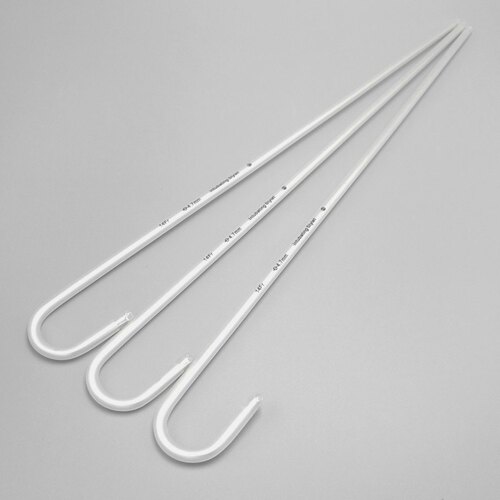
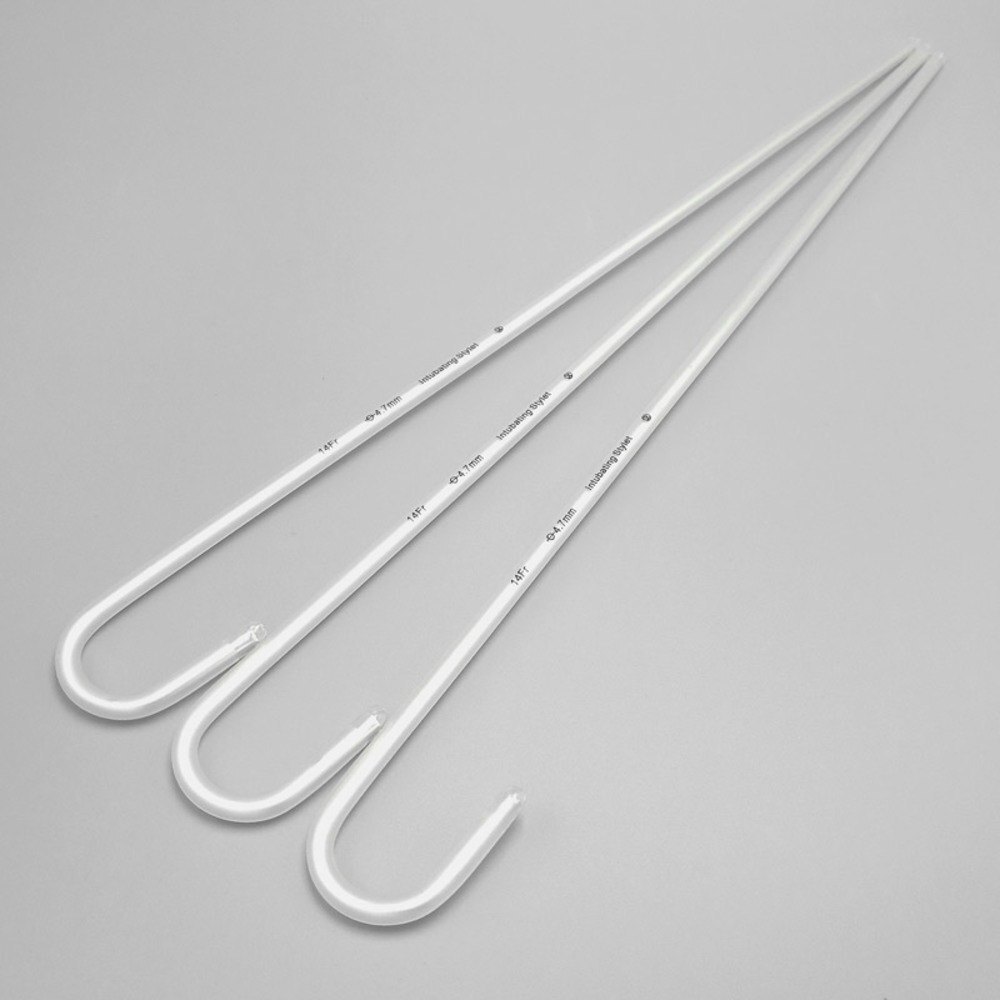
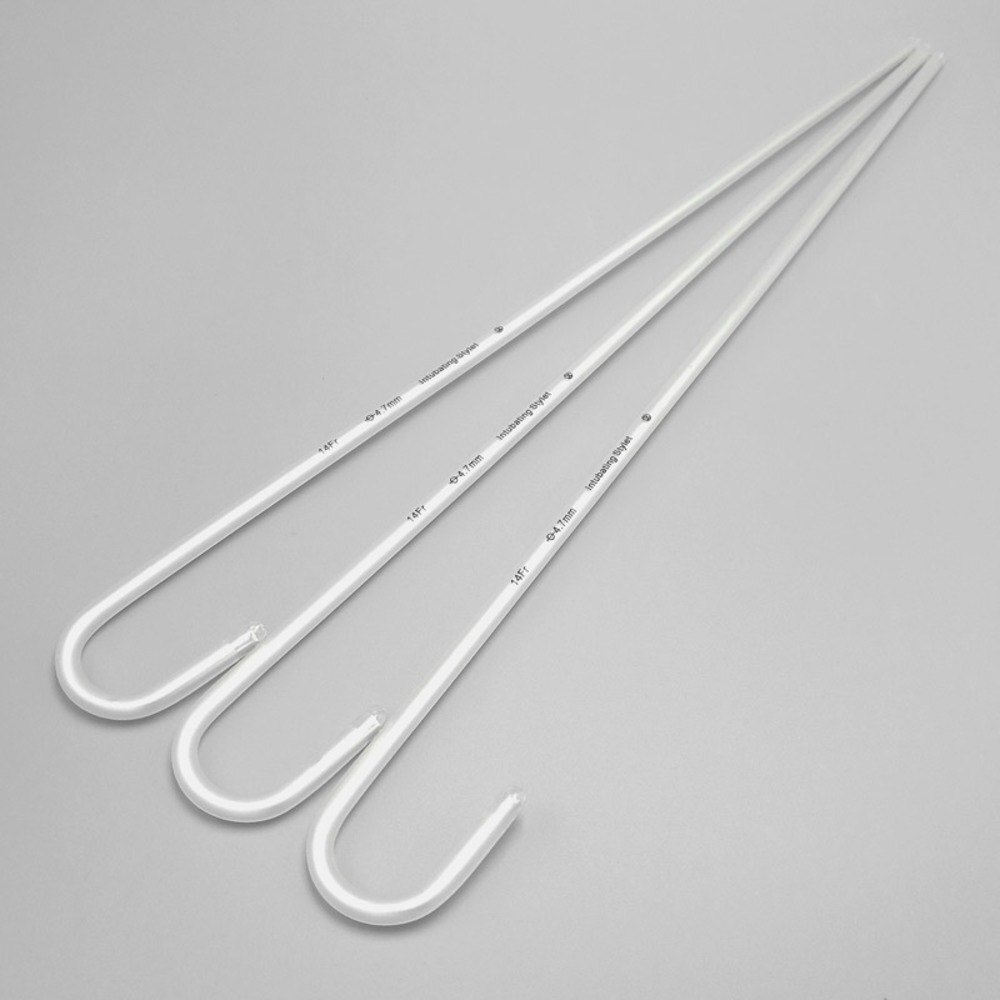
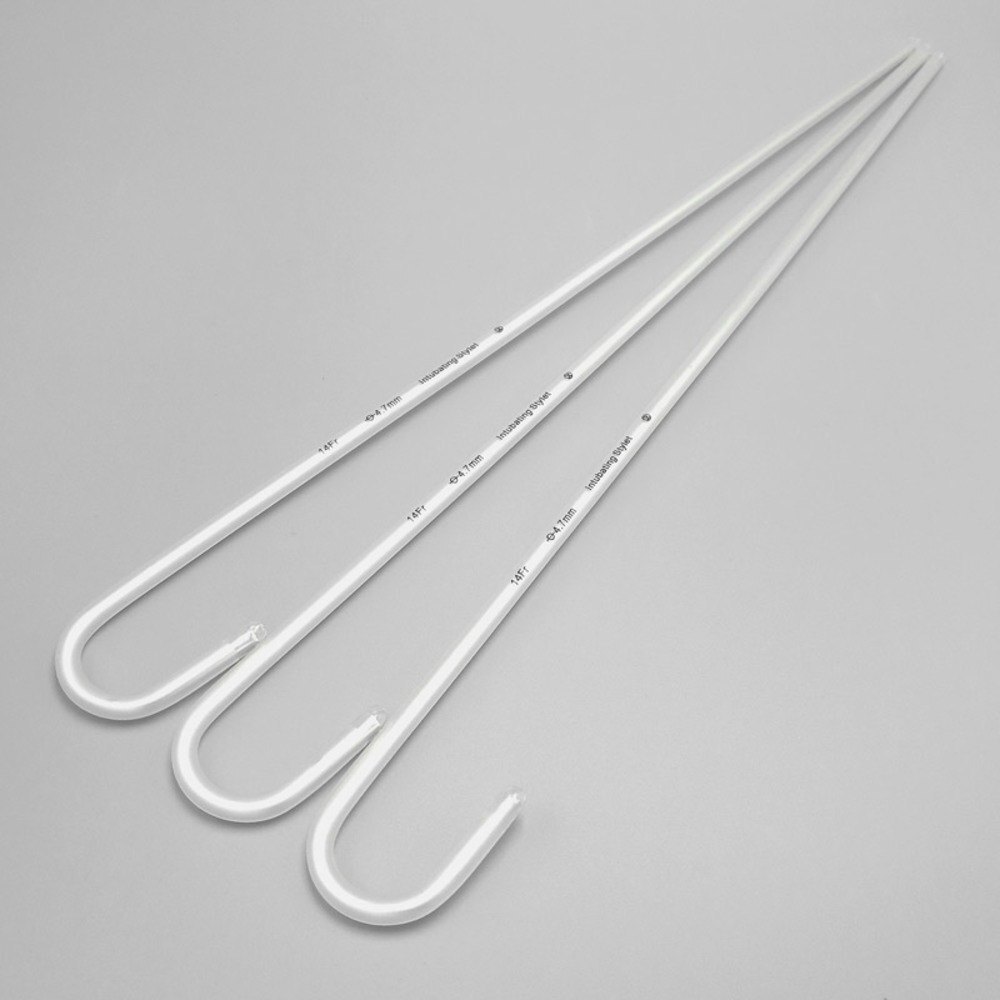
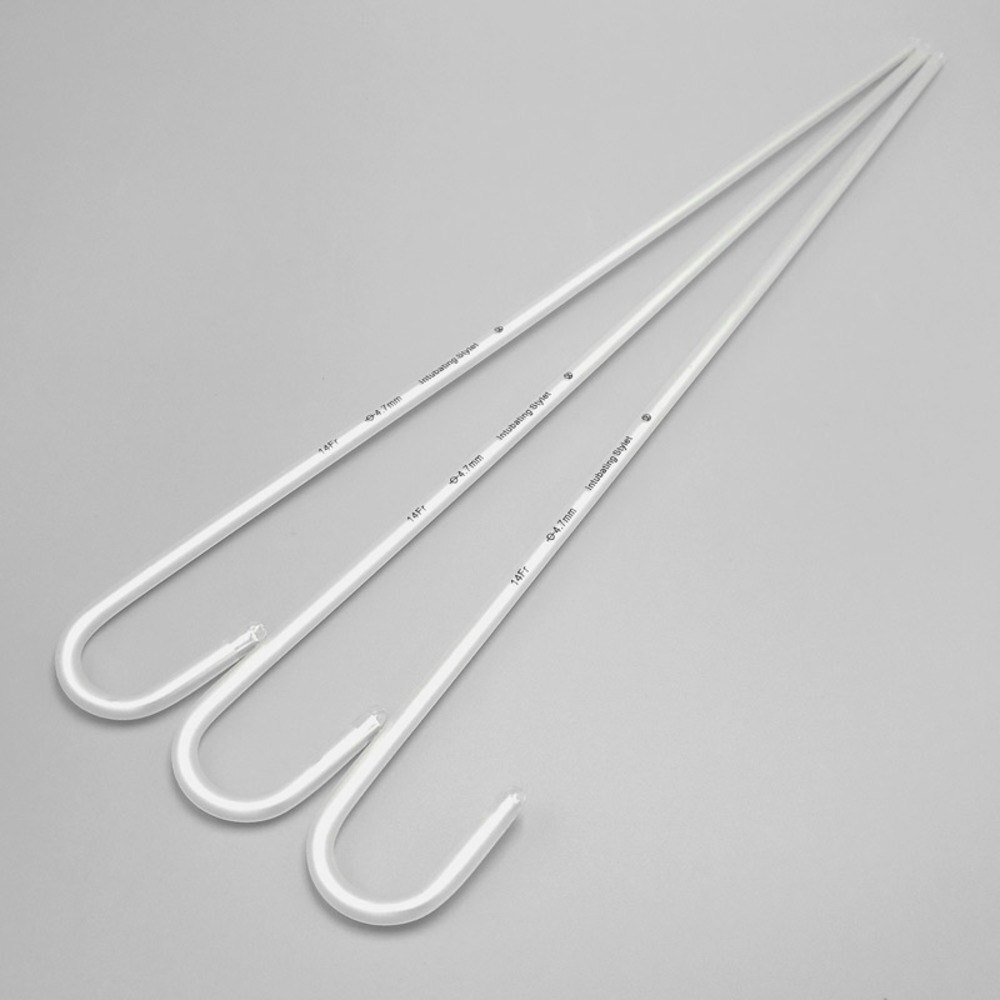
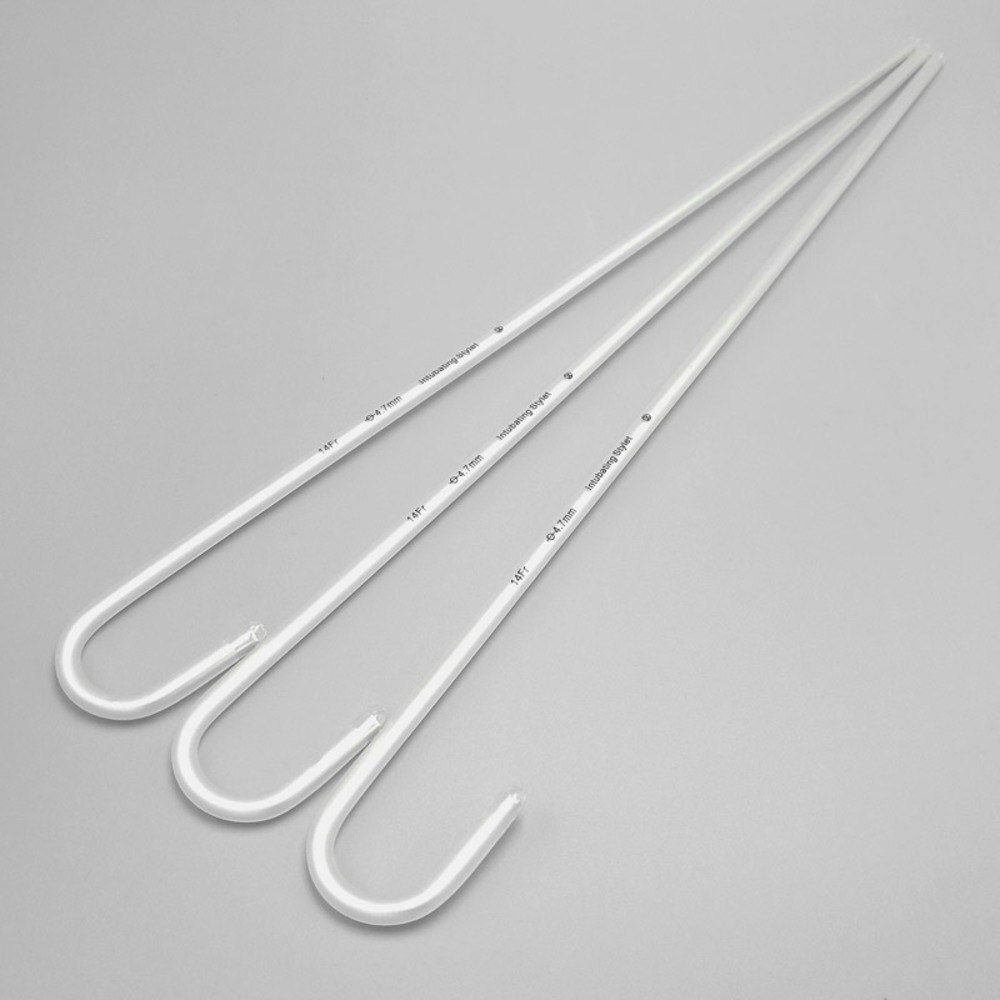

Medical Intubating Specification
- Usage Type
- Single-use, Disposable
- Measurement Range
- Varies by size
- Instruments Type
- Medical Emergency Device
- Storage Instructions
- Store in a cool, dry place away from direct sunlight
- Function
- Facilitates endotracheal intubation
- Accuracy
- High placement precision
- Features
- Smooth surface, Transparent tube, Radio opaque line
- Shelf Life
- 5 years
- Equipment Type
- Medical Intubating
- Material
- Medical Grade PVC
- Condition
- New
- Technology
- Manual Operation
- Portable
- Yes
- Wall Mounted
- No
- Real-Time Operation
- Yes
- Noise Level
- Silent
- Operating Type
- Manual
- Use
- Airway Management
- Dimension (L*W*H)
- Varies (Standard Adult/Paediatric Sizes)
- Weight
- Lightweight
- Color
- Transparent, Blue
- Tip Design
- Soft, atraumatic bevelled tip for easy insertion
- Connector Type
- Standard 15mm connector
- Markings
- Graduated depth markings
- Application Area
- Operation theatre, emergency, ICU
- Compatibility
- Compatible with standard airway management devices
- Cuff Type
- Available with or without cuff
- Packaging Type
- Individually packed in sterile blister or peel pouch
- Latex Content
- Latex-free
- Radiopaque Line
- Yes, for X-ray detection
- Sterilization Method
- Ethylene oxide (ETO) sterilized
About Medical Intubating
A stylet is a hard, sharp, anatomical structure found in some invertebrates. For example, the word stylet or stomatostyle is used for the primitive piercing mouthparts of some nematodes[1] and some nemerteans. In these groups the stylet is a hardened protrusible opening to the stomach. These stylets are adapted for the piercing of cell walls, and usually functions by providing the operative organism with access to the nutrients contained within the prey cell.
The mouthparts of tardigrades, diptera and aphids[2] are also called stylets.[3]
In octopodes, the stylets are internal, needle-like bent rods within the mantle, the vestigial remnants of an external shell.[4]
Designed for Safe and Accurate Airway Management
This intubation tube is specifically engineered to assist clinicians in establishing and maintaining an airway swiftly and effectively. Its soft bevelled tip eases insertion by minimizing tissue trauma, while graduated depth markings support accurate placement, reducing the risk of misplacement and facilitating confident use in intense medical situations like the operating theatre, emergency department, or ICU.
Enhanced Safety and Hygiene Standards
Manufactured from high-quality, latex-free medical grade PVC, each tube is meticulously sterilized using ethylene oxide (ETO), ensuring it meets stringent hygiene requirements. The product is single-use, individually blister or peel-pouch packed, and offers an extended shelf life of up to five years if stored properlyguaranteeing a sterile, safe instrument whenever needed.
User-Friendly and Versatile Application
The inclusion of a standard 15mm connector and compatibility with prevalent airway management devices make this intubation tube suitable for diverse clinical settings. The lightweight, portable design facilitates quick deployment in emergencies, and the radiopaque line improves post-insertion assessment with X-ray imaging. Available in standard adult and paediatric sizes, this device is ideal for multiple patient demographics.
FAQs of Medical Intubating:
Q: How is the medical intubating tube sterilized and why is this important?
A: The tube is sterilized using ethylene oxide (ETO), an advanced method that eliminates microbes while preserving material integrity. This ensures patient safety by delivering a completely sterile product ready for immediate use.Q: What distinguishes the tip design of this intubation tube?
A: A soft, atraumatic bevelled tip allows smoother, less traumatic insertion, significantly reducing the risk of tissue injury during intubation and improving patient comfort and safety.Q: When should this intubation tube be used and in what clinical areas?
A: This intubation tube is suitable for use during surgeries, emergencies, and intensive care unit settings, whenever airway management is required to secure patient breathing.Q: Where should the tubes be stored to maintain their sterility and effectiveness?
A: Store the individually packed tubes in a cool, dry place away from direct sunlight to retain sterility and ensure peak performance over the five-year shelf life.Q: What benefits does the radiopaque line provide during intubation?
A: The radiopaque line enhances visibility under X-ray, allowing clinicians to confirm correct tube placement, thus ensuring precise and safe airway management.Q: How is placement precision ensured during the intubation process?
A: Graduated depth markings along the tube provide clear visual indicators for accurate positioning, supporting high placement precision and reducing complications.Q: What makes this intubating tube suitable for emergency and portable use?
A: Its lightweight, disposable design enables quick, sterile deployment in emergencies, while compatibility with standard airway devices ensures versatility in varied medical scenarios. Get Latest Price
Tell us about your requirement

Price:
Quantity
Select Unit
- 50
- 100
- 200
- 250
- 500
- 1000+
Additional detail
Mobile number
Email

More Products in Intubation Devices And Accessories Category
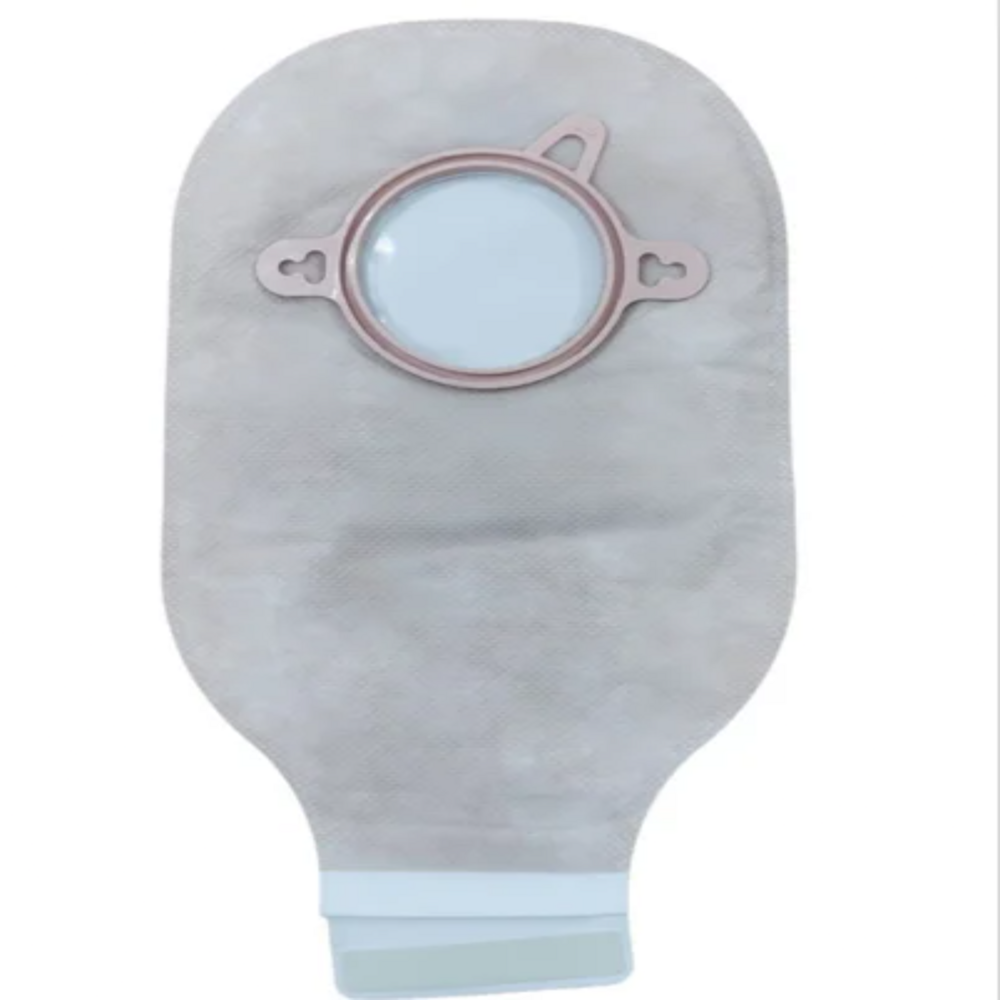
Conform 2 Urostomy Pouch/ Bag 27830 70mm Pack
Price 2000 INR / Piece
Minimum Order Quantity : 10 Pieces
Features : Antireflux valve, drainage tap, odor barrier, soft comfort panel
Material : Other, Soft, medicalgrade plastic with nonwoven backsheet
Function : Collects urine from stoma
Use : Urostomy care and urine collection
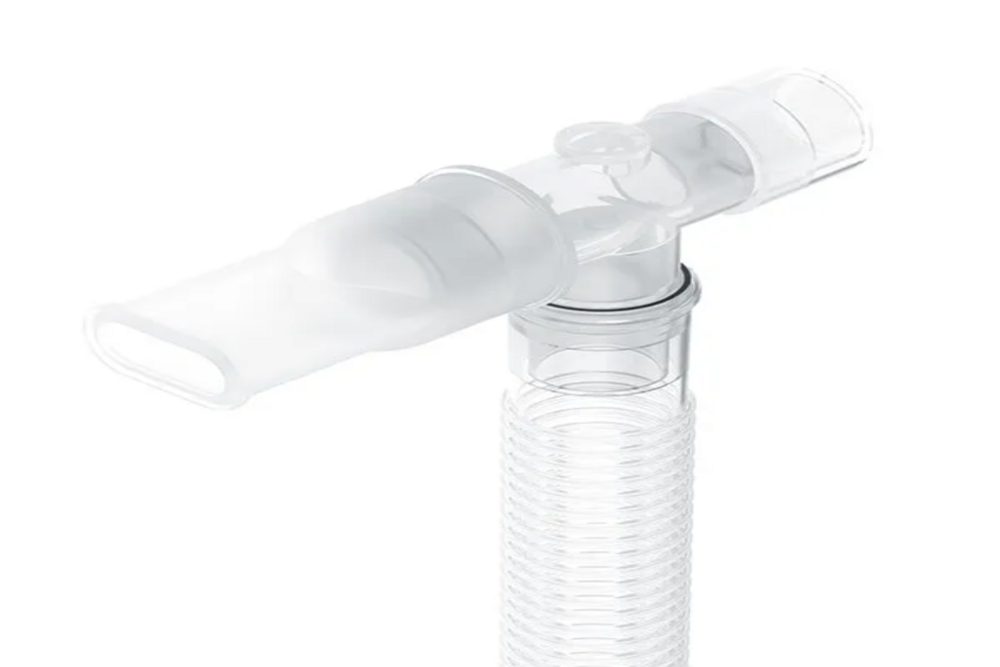
NITROUS OXIDE CIRCUITS
Price 1250 INR / Piece
Minimum Order Quantity : 10 Pieces
Features : Flexible tubing, airtight fittings, universal connectors
Material : Other, Medical Grade Plastic, Rubber
Function : Safe delivery of nitrous oxide and oxygen mixture
Use : For delivering nitrous oxide and oxygen for anaesthesia
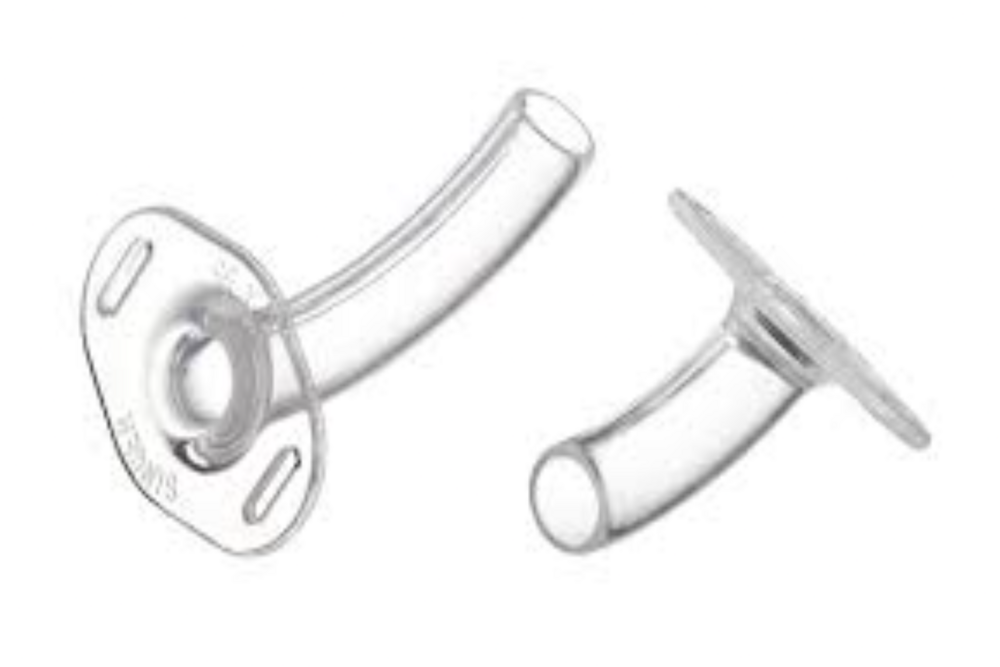
Laryngectomy Tube SILICONE
Price 1650 INR / Piece
Minimum Order Quantity : 10 Pieces
Features : Flexible, Biocompatible, NonTraumatic
Material : Other, Medical Grade Silicone
Function : Supports breathing postlaryngectomy
Use : Maintains Stoma Patency in Laryngectomy Patients
ARM & ELBOW PROTECTION
Price 1600 INR / Piece
Minimum Order Quantity : 10 Pieces
Features : Heat Resistance, Durable, Flexible, Sewn with Kevlar
Material : Other, Leather
Function : Protect forearm and elbow from sparks, heat, and minor abrasions
Use : Industrial Safety / Welding Protection

Mark Enterprises
GST : 09CGDPG2368E1ZJ
GST : 09CGDPG2368E1ZJ
56/A, Gali No-3, Jai Bharat Enclave, Sahibabad, Lajpat Nagar,Ghaziabad - 201005, Uttar Pradesh, India
Phone :08045813058

 Send Inquiry
- Breathing Circuit and Accessories
- Airway Management
- Intubation Devices And Accessories
- Tracheostomy Tube
- Endotracheal Tube
- Anaesthesia Face Mask
- CPAP And BIPAP Mask And Accessories
- HMES And HMFS Breathing Filter
- Oxygen And Nebulization Therapy Products
- Neonatal Care Products
- Gel Positioner
- Medical Grade CSSD Products
- Catheter Kit
- Suction Tube
- Besmed NICU Care Products
- Surgical Gown
- Nasal Cannula
- Urology Products
- Infusion Pump
- Prone Head Positioner With Mirror
- Cautery Pencil
- Pulse Oximeter
- Nebulizer Machine
- Foley Catheter
- Oxygen Flow Meter
- Strile Spiral Extension Line
- Yankauer Suction Set
- CPAP System
- AIRWAY TUBE
- AMBU BEG
 Send Inquiry
 Send SMS
Mark Enterprises
All Rights Reserved.(Terms of Use)
Developed and Managed by Infocom Network Private Limited.
Developed and Managed by Infocom Network Private Limited.

