

Call us now
08045813058
Suction Filters

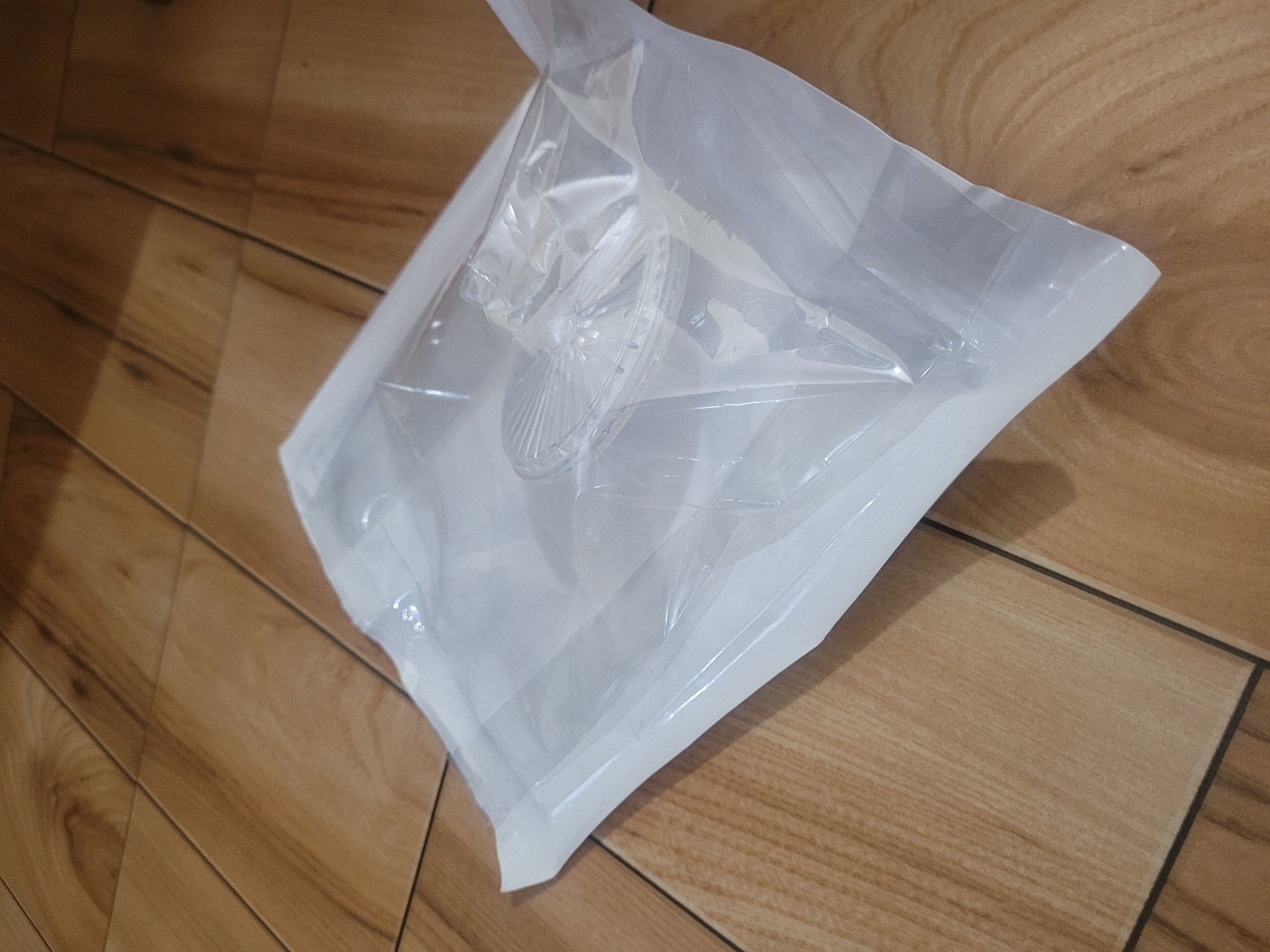
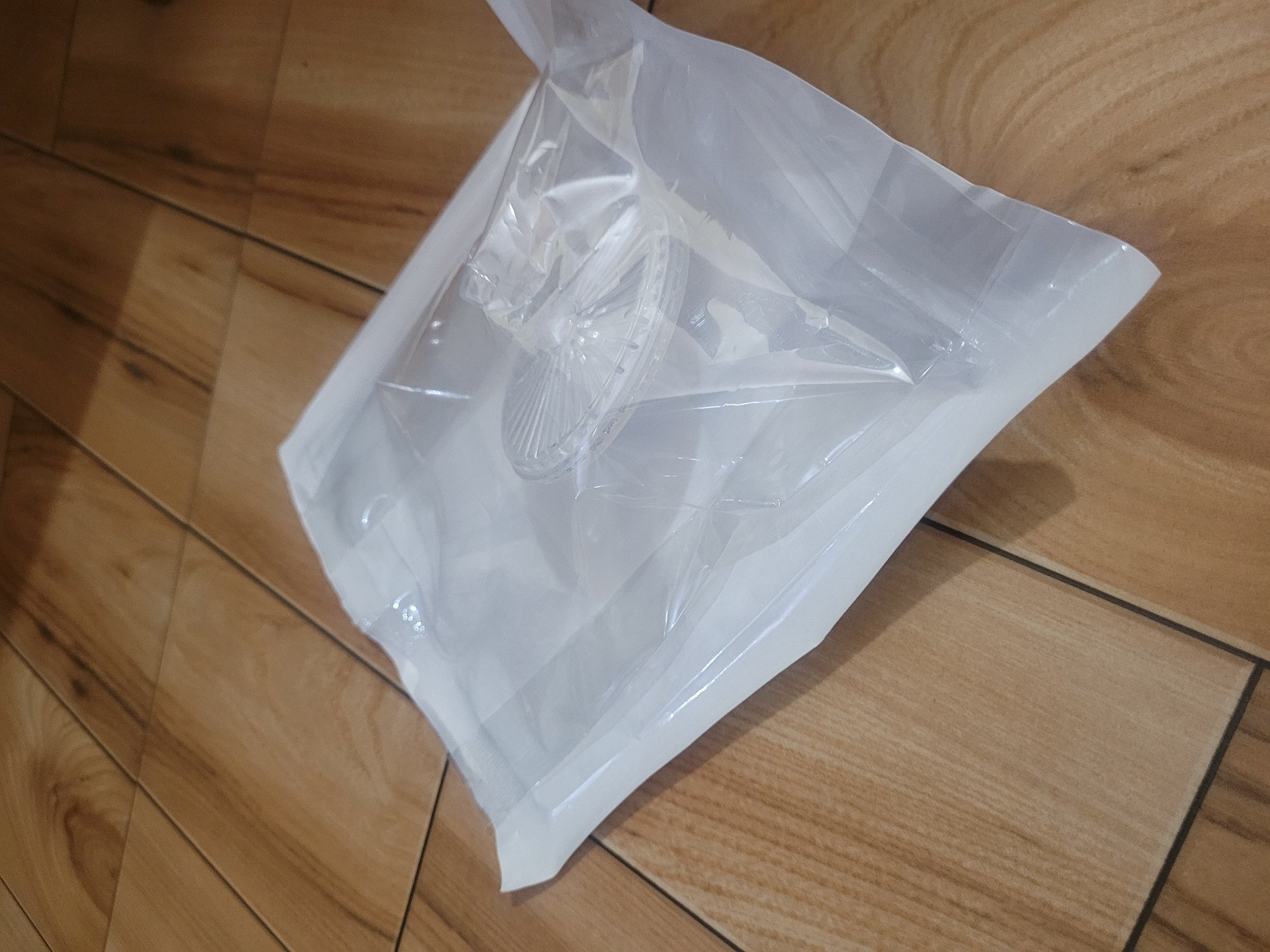
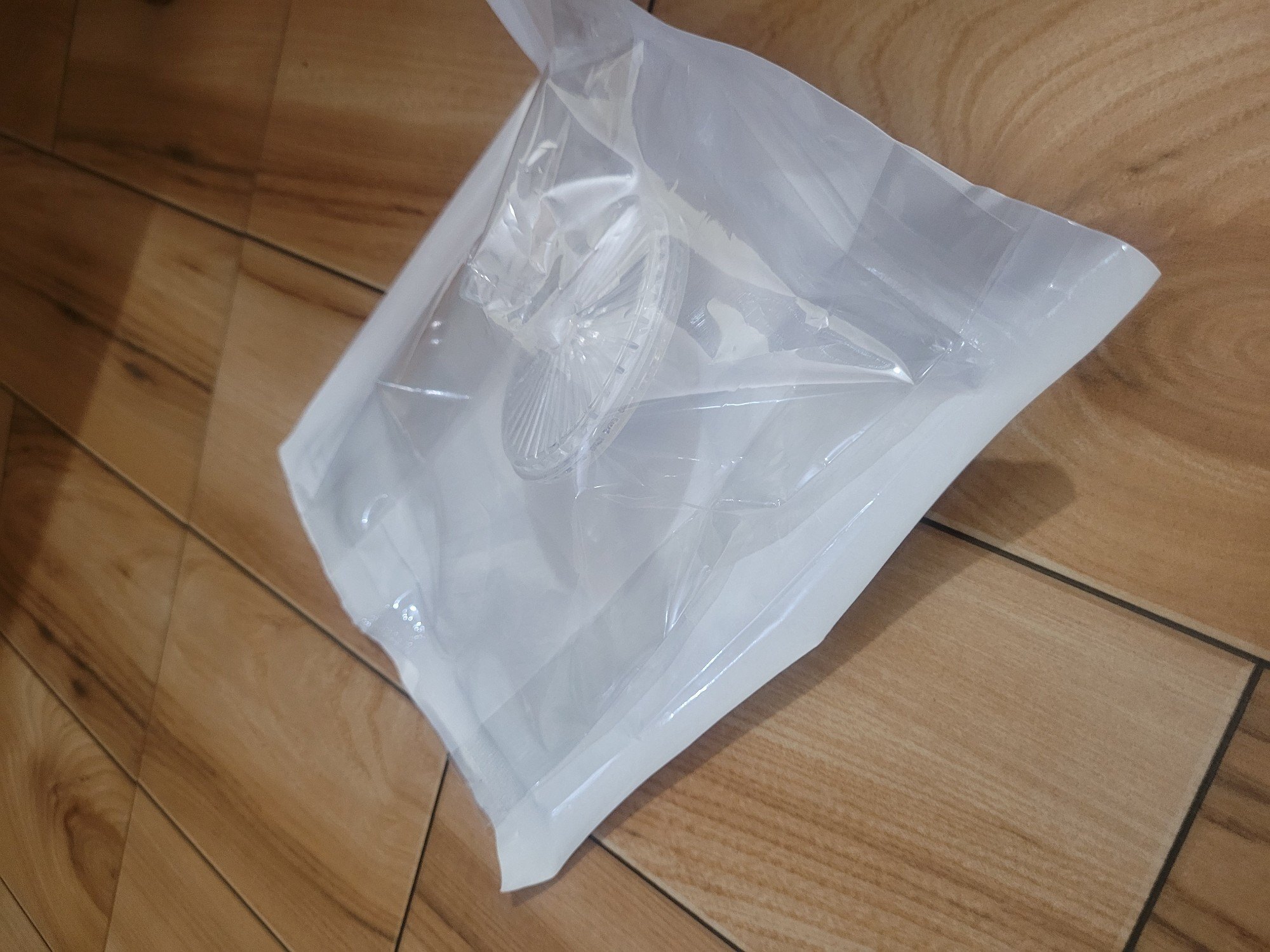
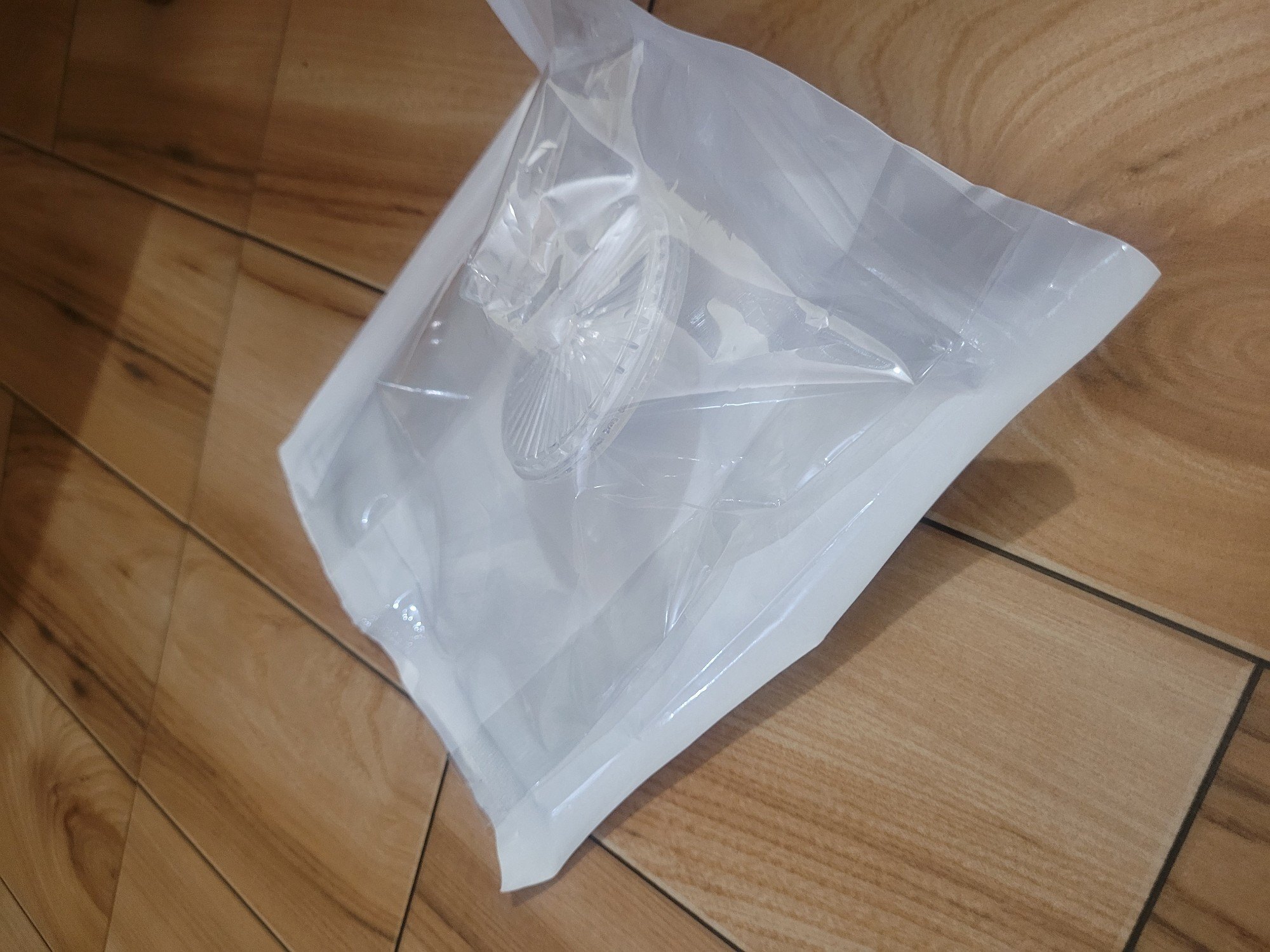
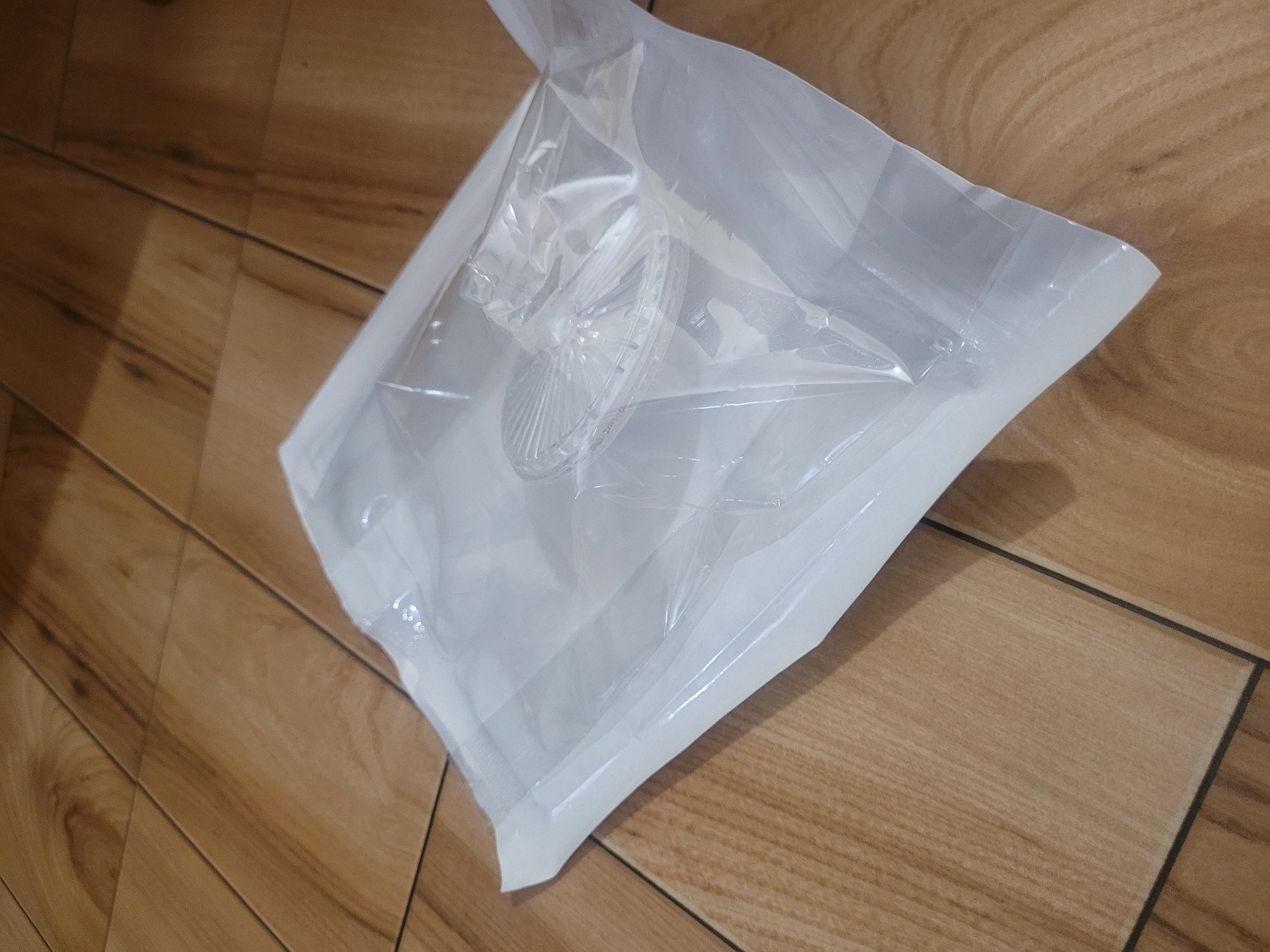

Suction Filters Specification
- Instruments Type
- Fluid Filtration Device
- Usage Type
- Industrial, Automotive, Hydraulic Applications
- Function
- Removes Solid Particles from Fluids
- Measurement Range
- Micron Ratings: Commonly 10-250 m
- Storage Instructions
- Store in a Clean, Dry Place
- Features
- Corrosion Resistant, Washable, Durable Construction
- Shelf Life
- Long-Lasting (Subject to Proper Maintenance)
- Accuracy
- High Filtration Efficiency (Typically >90%)
- Material
- Stainless Steel Mesh, Aluminum Housing
- Condition
- New
- Technology
- Filtration via Fine Mesh
- Portable
- Yes
- Wall Mounted
- No
- Real-Time Operation
- Continuous
- Noise Level
- Silent Operation
- Operating Type
- Manual/Automatic (System Dependent)
- Use
- Protects Pumps and Hydraulic Systems from Contaminants
- Dimension (L*W*H)
- Varies by Model (Typically Compact)
- Weight
- Lightweight (Approx. 250g - 800g)
- Color
- Silver / Metallic Grey
- Equipment Type
- Suction Filter
- Compatible Fluids
- Hydraulic Oil, Water, Fuel, Lubricants
- Maximum Operating Pressure
- Up to 10 bar (Varies by Model)
- Body Finish
- Polished or Powder Coated
- Connection Type
- Threaded (BSP/NPT), Flanged Options
- Filtration Rating
- Customizable (Standard: 100 m, 149 m, etc.)
- Maximum Operating Temperature
- Up to 120C
- Cleaning Method
- ReusableEasily Dismantled for Cleaning
- Installation Position
- Suction Line / Tank Mountable
- End Connection Size
- 1/4" to 2" (Varies by Model)
About Suction Filters
The primary purpose of suction filters and strainers is to trap and remove impurities from the hydraulic fluid. Hydraulic fluid is easily contaminated, mainly due to lack of initial cleaning. For this reason, the fluid contamination is prevalent right after the installation of new equipment.29 Sept 2021Customizable Filtration for Diverse Fluids
These suction filters offer a wide range of filtration ratings, allowing customization for particular fluid types and contamination levels. Their fine stainless steel mesh technology ensures high efficiency and adaptability, supporting hydraulic oil, water, fuel, and lubricants. This flexibility makes them a preferred choice in challenging industrial and automotive environments.
Rugged Design for Demanding Applications
Built with corrosion-resistant stainless steel mesh and aluminum housing, the filters withstand harsh conditions encountered in hydraulic and automotive systems. The polished or powder-coated surface adds extra durability, ensuring a long service life with minimal maintenance. Their compact build and lightweight nature facilitate installation and portability across different setups.
Easy Maintenance and Reliable Performance
Featuring a reusable design, these suction filters are easily dismantled for straightforward cleaning and reassembly. Continuous silent operation helps reduce system noise, supporting both manual and automatic operating modes. The durable construction and high filtration accuracy safeguard equipment by efficiently removing solid particles, minimizing downtime and ensuring consistent system protection.
FAQ's of Suction Filters:
Q: How do I clean and reuse a suction filter?
A: The suction filter is designed for easy maintenance-simply dismantle it according to the instructions, rinse or brush the stainless steel mesh to remove contaminants, and reassemble before reinstalling. Regular cleaning ensures optimal filtration efficiency and prolongs the filter's shelf life.Q: What fluids are these suction filters compatible with?
A: These filters are suitable for hydraulic oil, water, fuel, and lubricants, making them ideal for various industrial, automotive, and hydraulic applications.Q: When should I replace or service my suction filter?
A: Service is recommended when a noticeable decrease in system performance occurs or as part of routine maintenance schedules. Due to the filter's reusable design, cleaning rather than immediate replacement is often sufficient unless there is physical damage.Q: Where can these filters be installed?
A: Suction filters are engineered for installation in suction lines or tank-mountable positions. They support various end connections, including threaded (BSP/NPT) and flanged configurations, with sizes ranging from 1/4" to 2" to support different system requirements.Q: What are the benefits of using a suction filter in hydraulic systems?
A: Suction filters protect pumps and critical hydraulic components by removing solid particles and contaminants from fluids, which helps minimize wear, prevent equipment failure, and enhance the overall reliability and efficiency of the system.Q: What is the process for selecting a suitable filtration rating?
A: Choose a filtration rating based on the contaminant size to be removed and the fluid type involved. The customizable micron ratings (typically from 10 m to 250 m) allow selection for specific needs, ensuring the right balance between protection and flow rate.Q: How durable and long-lasting are these suction filters?
A: Constructed from corrosion-resistant materials with a polished or powder-coated finish, these filters are built to last. Proper maintenance and regular cleaning help ensure a long shelf life and consistent performance across challenging and continuous operating conditions. Get Latest Price
Tell us about your requirement

Price:
Quantity
Select Unit
- 50
- 100
- 200
- 250
- 500
- 1000+
Additional detail
Mobile number
Email

More Products in Intubation Devices And Accessories Category
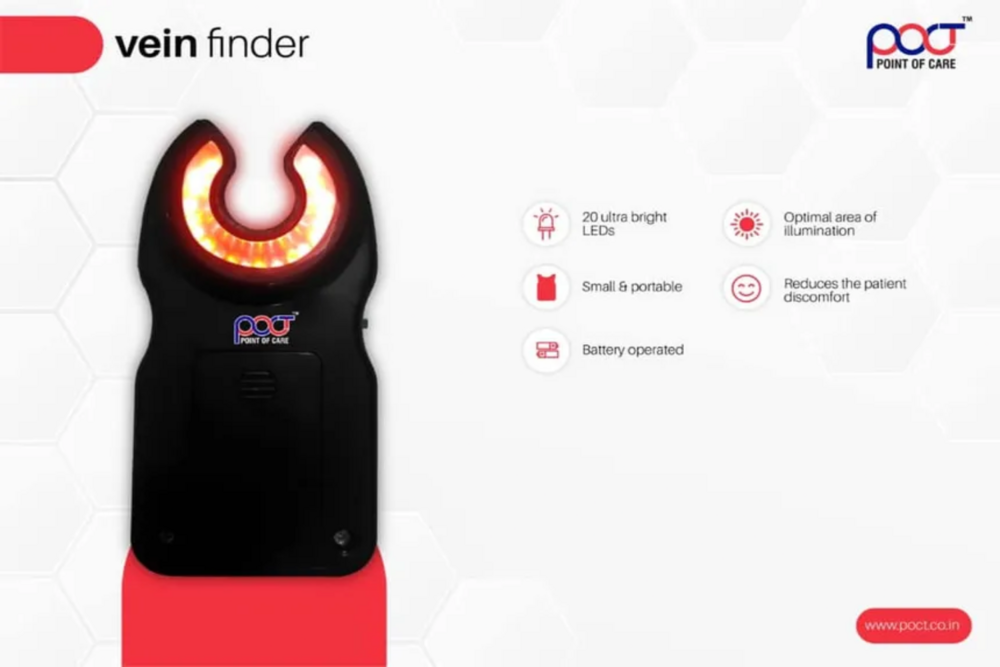
POCT VEIN FINER
Price 1650 INR / Piece
Minimum Order Quantity : 10 Pieces
Function : Assist in visualizing superficial veins
Usage Type : Hospital, Clinic, Laboratory, Emergency
Technology : Infrared Vein Imaging
Instruments Type : Diagnostic/Medical Device
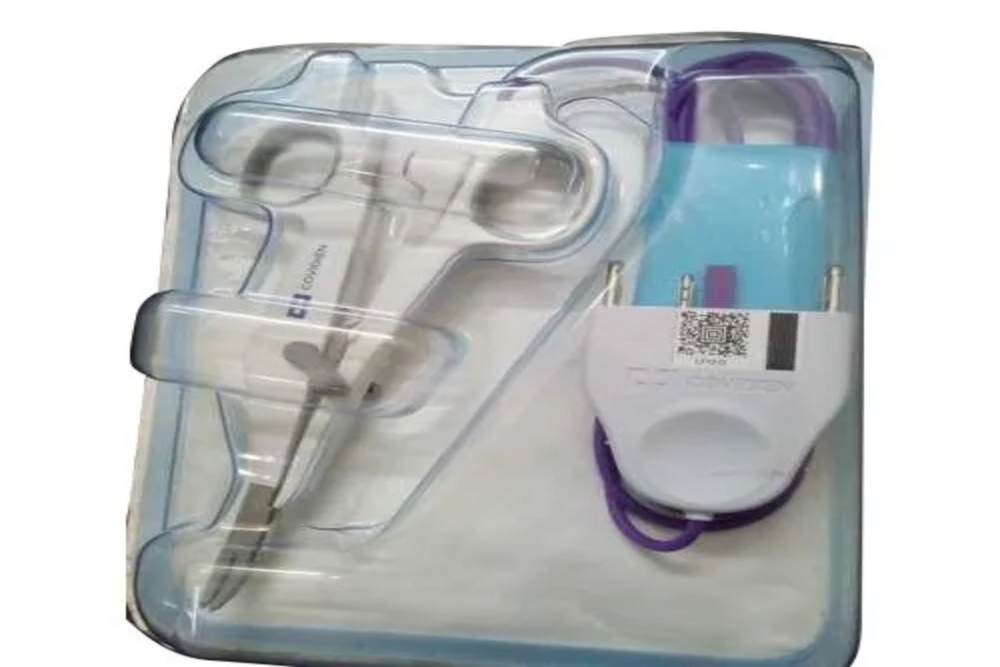
LF1212 LIGASURE SMALL JAW
Price 1950 INR / Piece
Minimum Order Quantity : 10 Pieces
Function : Tissue fusion, vessel sealing, division
Usage Type : Surgical, Disposable
Technology : LigaSure Vessel Sealing System
Instruments Type : Laparoscopic and open surgery device
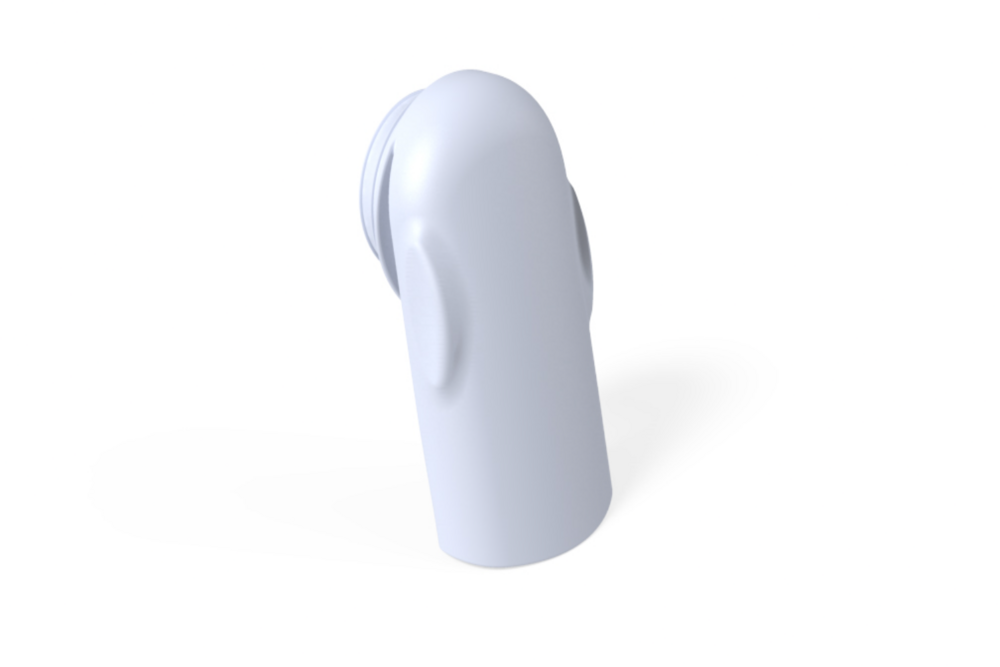
Shower Guard Laryngeal Brush Laryngeal Holder
Price 1650 INR / Piece
Minimum Order Quantity : 10 Pieces
Function : Assists in removing debris and ensuring hygiene of laryngeal tubes
Usage Type : Reusable
Technology : Manual Cleaning Tool
Instruments Type : ENT Cleaning Instruments
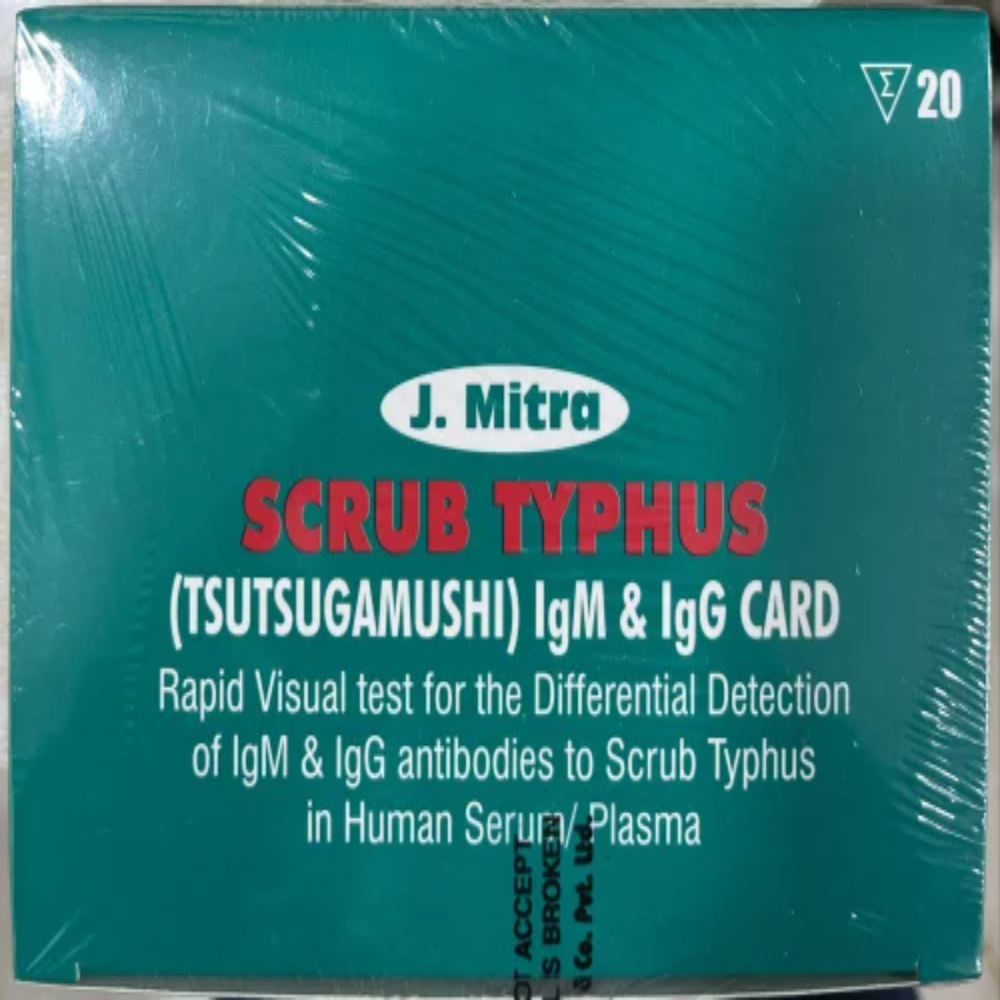
JMITRA SCRUB TYPHUS RAPID CARD
Price 3000 INR / Piece
Minimum Order Quantity : 10 Pieces
Function : Screening for Scrub Typhus infection
Usage Type : Single use
Technology : Immunochromatography
Instruments Type : Invitro Diagnostic (IVD)

Mark Enterprises
GST : 09CGDPG2368E1ZJ
GST : 09CGDPG2368E1ZJ
56/A, Gali No-3, Jai Bharat Enclave, Sahibabad, Lajpat Nagar,Ghaziabad - 201005, Uttar Pradesh, India
Phone :08045813058

 Send Inquiry
- Breathing Circuit and Accessories
- Airway Management
- Intubation Devices And Accessories
- Tracheostomy Tube
- Endotracheal Tube
- Anaesthesia Face Mask
- CPAP And BIPAP Mask And Accessories
- HMES And HMFS Breathing Filter
- Oxygen And Nebulization Therapy Products
- Neonatal Care Products
- Gel Positioner
- Medical Grade CSSD Products
- Catheter Kit
- Suction Tube
- Besmed NICU Care Products
- Surgical Gown
- Nasal Cannula
- Urology Products
- Infusion Pump
- Prone Head Positioner With Mirror
- Cautery Pencil
- Pulse Oximeter
- Nebulizer Machine
- Foley Catheter
- Oxygen Flow Meter
- Strile Spiral Extension Line
- Yankauer Suction Set
- CPAP System
- AIRWAY TUBE
- AMBU BEG
 Send Inquiry
 Send SMS
Mark Enterprises
All Rights Reserved.(Terms of Use)
Developed and Managed by Infocom Network Private Limited.
Developed and Managed by Infocom Network Private Limited.

