

Call us now
08045813058
RAE ORAL/ SOUTH POLE ENDOTRACHEL TUBE
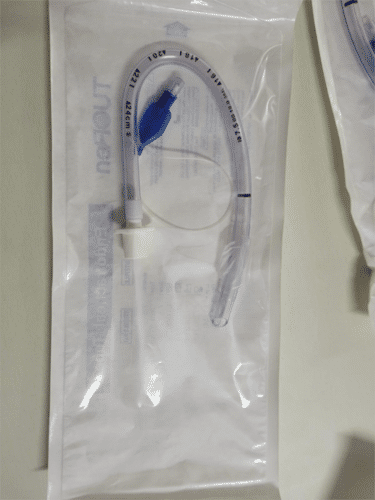

RAE ORAL/ SOUTH POLE ENDOTRACHEL TUBE Specification
- Weight
- Lightweight, specific weight varies by size
- Usage & Applications
- For airway management during anesthesia and surgery
- Sterile
- Yes
- Set Contains
- 1 Endotracheal Tube per pack
- Size
- Available in various sizes (ID ranges from 3.0mm to 8.5mm)
- Storage Instructions
- Store in a cool, dry place, away from direct sunlight
- Shelf Life
- 5 Years
- Disposable Type
- Single-Use
- Material
- Medical Grade PVC
- Style
- RAE Oral South Pole
- Cuff
- Cuffed and Uncuffed options available
- Disposable
- Yes
- Recyclable
- No
- Sterilized
- Yes, EO Sterilized
- Waterproof
- Yes
- Shape
- Preformed (Curved/South Pole)
- Length
- Varies (depending on size selected)
- Width
- Varies (depending on size selected)
- Color
- Clear/Transparent with color-coded connector
- Grade
- Medical Grade
- Latex Content
- Latex Free
- Tip Type
- Soft-sealed, atraumatic beveled distal end
- Balloon
- High Volume, Low Pressure (for cuffed variant)
- Connector Type
- Standard 15mm
- Markings
- Graduated depth markings for accurate placement
- Patient Type
- Pediatric and Adult
- Radiopaque Line
- Embedded for X-ray visualization
- Murphy Eye
- Yes, for safety ventilation
About RAE ORAL/ SOUTH POLE ENDOTRACHEL TUBE
The distinguishing feature of RAE tubes in comparison to 'standard' ET tubes is their differentpre-formed bend. The pre-forming during manufacturing reduces the risk of kinking and obstruction which could occur if a 'standard' ET tube was bent into the same shape as a RAE tube. Ablack marker baris imprinted on the tube at the point of maximum angle of the bend (see pictures below).
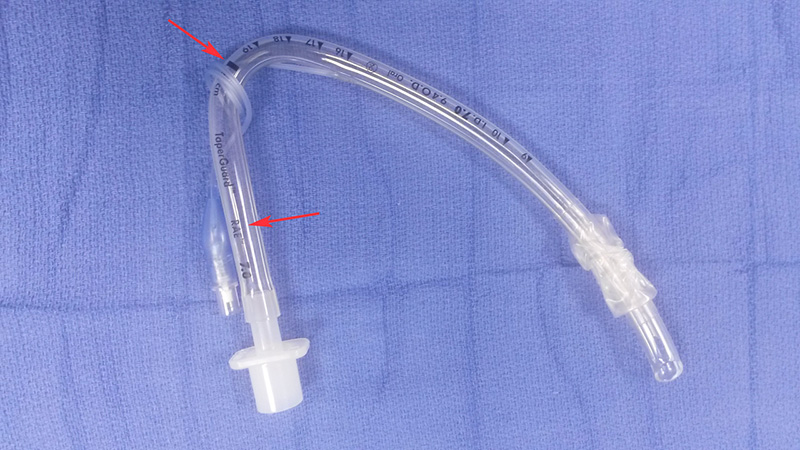 Oral RAE tube with preformed bend (top red arrow)
Secure Airway Management for Surgery and Anesthesia
The RAE Oral/South Pole Endotracheal Tube ensures effective and safe airway management for both pediatric and adult patients, minimizing inadvertent movement due to its contoured, preformed curve. The soft, atraumatic beveled tip reduces mucosal trauma, while the Murphy Eye provides an additional conduit for ventilation, enhancing patient safety during procedures. Ideal for short- or long-term use in surgical and critical care settings.
X-ray Visualization and Accurate Placement
Embedded with a radiopaque line, this endotracheal tube facilitates clear X-ray visualization for precise tube positioning and post-insertion verification. Graduated depth markings further assist clinicians in achieving accurate placement, which helps reduce the risks of malposition and related complications. This design supports best practices in airway management protocols.
Designed for Comfort and Safety
With both cuffed and uncuffed options available, practitioners can select the most suitable tube for the patient's needs. The high-volume, low-pressure cuff minimizes airway trauma and pressure on the tracheal wall when used, ensuring patient comfort. The tube is latex-free, reducing the risk of allergic reactions, and is sterilized to maintain patient safety from infection risks.
FAQ's of RAE ORAL/ SOUTH POLE ENDOTRACHEL TUBE:
Q: How should the RAE Oral/South Pole Endotracheal Tube be properly used for airway management?
A: The tube is intended for insertion by trained medical professionals into the trachea to secure the airway during anesthesia, surgery, or emergency care. Its preformed curve and graduated markings aid in accurate placement, while the Murphy Eye ensures adequate ventilation if the main lumen is blocked.Q: What are the key safety features included in this endotracheal tube?
A: Safety features include a soft-sealed, atraumatic beveled tip to minimize tissue injury, a Murphy Eye for backup ventilation, a radiopaque line for X-ray confirmation, and high-volume, low-pressure cuff options that reduce the risk of tracheal damage. The latex-free and EO-sterilized design enhances safety for all patients.Q: When is it appropriate to choose the cuffed versus the uncuffed variant?
A: Cuffed tubes are typically chosen for adult and certain pediatric patients requiring positive pressure ventilation or reduced aspiration risk during longer procedures. Uncuffed variants are often preferred for small children to minimize airway trauma, depending on clinical judgment and patient anatomy.Q: Where can these endotracheal tubes be applied within medical practice?
A: They are commonly used in operating rooms, intensive care units, and emergency departments across hospitals and clinics. The tubes serve for both routine and emergency airway management during surgeries and critical care, appropriate for a broad range of ages due to their size spectrum.Q: What is the recommended process for storing the endotracheal tube before use?
A: The tube should be stored in a cool, dry place, away from direct sunlight. It must remain in its original, intact packaging to preserve sterility until just before use, as it is supplied EO-sterilized and is single use only to maintain infection control standards.Q: How does the embedded radiopaque line benefit clinicians during procedures?
A: The radiopaque line enables clear visualization of the tube position on X-ray, which assists healthcare providers in confirming and adjusting placement accurately during or after insertion, thereby improving patient safety and reducing complications associated with malposition. Get Latest Price
Tell us about your requirement

Price:
Quantity
Select Unit
- 50
- 100
- 200
- 250
- 500
- 1000+
Additional detail
Mobile number
Email

More Products in Airway Management Category
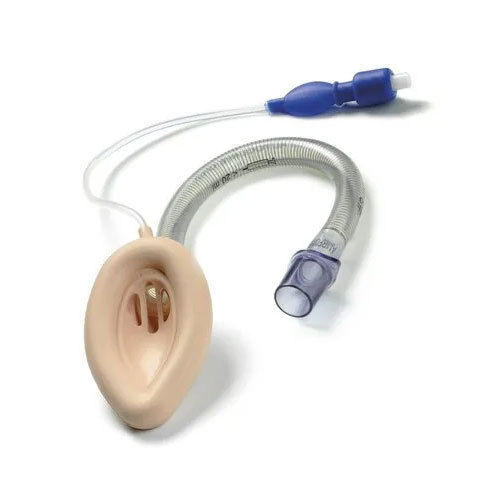
Silicone Lma Flexible Airway
Price 1250 INR / Piece
Minimum Order Quantity : 10 Pieces
Operating Type : Manual
Condition : New
Use : Hospitals
Portable : Yes

Silicone Laryngeal Mask Airway
Price 750 INR / Piece
Minimum Order Quantity : 10 Pieces
Operating Type : Manual
Condition : New
Use : Hospitals
Portable : Yes

Ambu Aura 40 Reusable Laryngeal Mask
Price 9500 INR / Piece
Minimum Order Quantity : 10 Pieces
Operating Type : Manual
Condition : New
Use : Hospitals
Portable : Yes
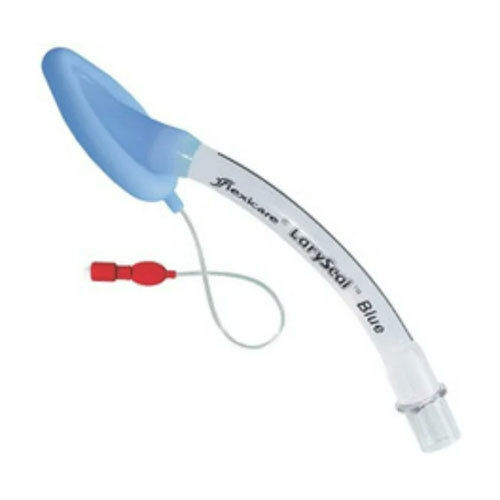
Laryseal Blue LMA Airway
Price 950 INR / Piece
Minimum Order Quantity : 10 Pieces
Operating Type : Manual
Condition : New
Use : Hospitals
Portable : Yes

Mark Enterprises
GST : 09CGDPG2368E1ZJ
GST : 09CGDPG2368E1ZJ
56/A, Gali No-3, Jai Bharat Enclave, Sahibabad, Lajpat Nagar,Ghaziabad - 201005, Uttar Pradesh, India
Phone :08045813058

 Send Inquiry
- Breathing Circuit and Accessories
- Airway Management
- Intubation Devices And Accessories
- Tracheostomy Tube
- Endotracheal Tube
- Anaesthesia Face Mask
- CPAP And BIPAP Mask And Accessories
- HMES And HMFS Breathing Filter
- Oxygen And Nebulization Therapy Products
- Neonatal Care Products
- Gel Positioner
- Medical Grade CSSD Products
- Catheter Kit
- Suction Tube
- Besmed NICU Care Products
- Surgical Gown
- Nasal Cannula
- Urology Products
- Infusion Pump
- Prone Head Positioner With Mirror
- Cautery Pencil
- Pulse Oximeter
- Nebulizer Machine
- Foley Catheter
- Oxygen Flow Meter
- Strile Spiral Extension Line
- Yankauer Suction Set
- CPAP System
- AIRWAY TUBE
- AMBU BEG
 Send Inquiry
 Send SMS
Mark Enterprises
All Rights Reserved.(Terms of Use)
Developed and Managed by Infocom Network Private Limited.
Developed and Managed by Infocom Network Private Limited.

