

Call us now
08045813058
NEEDLE HOLDER DIAMETER 5MM
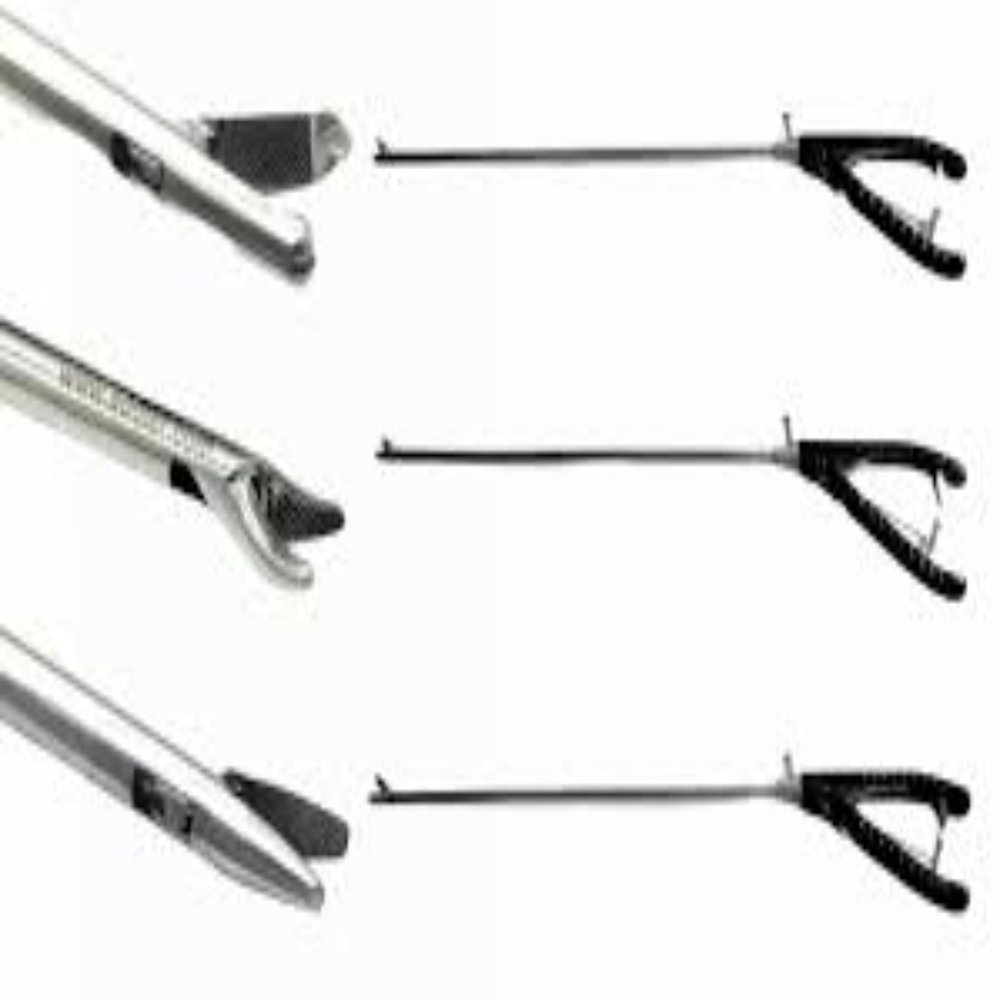
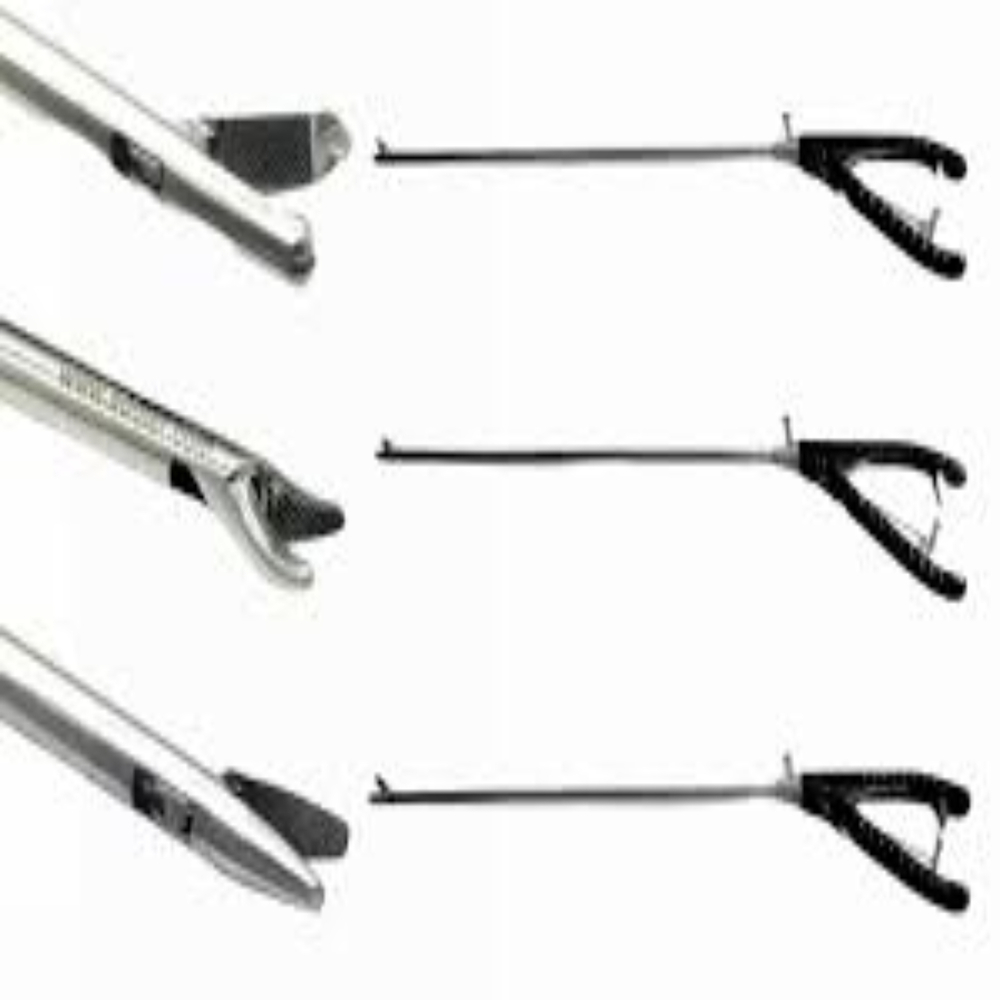

NEEDLE HOLDER DIAMETER 5MM Specification
- Features
- Corrosion Resistant, Autoclavable, Precision Jaws
- Storage Instructions
- Store in dry, clean environment
- Usage Type
- Reusable
- Accuracy
- High gripping precision
- Instruments Type
- Surgical Instrument
- Function
- Grasping and holding needles during suturing
- Measurement Range
- 5mm diameter
- Shelf Life
- Long lasting with proper care
- Equipment Type
- Needle Holder
- Material
- Stainless Steel
- Condition
- New
- Technology
- Manual
- Portable
- Yes
- Wall Mounted
- No
- Real-Time Operation
- Yes
- Noise Level
- Silent
- Operating Type
- Handheld
- Use
- Endoscopic and Laparoscopic Surgery
- Power Source
- Manual
- Dimension (L*W*H)
- Diameter 5mm
- Weight
- Lightweight
- Color
- Silver
- Application
- Laparoscopy, Minimally Invasive Procedures
- Locking Mechanism
- Ratchet Lock
- Length
- 330mm (approx.)
- Jaw Type
- Serrated
- Tissue Compatibility
- Atraumatic to tissues
- Handle Type
- Ergonomic ring handle
- Compliance
- CE Certified
- Sterilization
- Autoclavable up to 134°C
About NEEDLE HOLDER DIAMETER 5MM
A needle holder, also called needle driver or needle forceps, is a surgical instrument similar to a hemostat, used by doctors and surgeons to hold and push a suturing needle when performing wound closure, ligation and other surgical procedures that require re-anastomosis.
Being specialized forceps, the components of a typical needle holder are the jaws (often reinforced with tungsten carbide inserts), the hinged joint and the handles (typically with finger rings at the end). Most needle holders also have a ratchet mechanism that locks the handles together and clamps the needle firmly between the jaws, allowing the user to maneuver the needle through various tissues without having to keep squeezing the grip. To maintain a firm grip on the needle, the jaws are often textured and short compared to the handles (increasing the mechanical advantage using the principle of a lever).
Most needle holders are designed to be gripped with the fingers and palm like scissors. However, some are designed for a tweezers-like grip to allow finer, more precise movements around delicate structures or narrow spaces. An example of such is the Castroviejo needle holder (named after Spanish American eye surgeon RamA3n Castroviejo), which is commonly used in eye surgery, microsurgery and dental surgery.
Advanced Design for Laparoscopic Precision
This Needle Holder combines a slim 5mm diameter profile with a length of 330mm, ideal for navigating intricate laparoscopic and endoscopic procedures. The serrated jaws provide a secure hold on needles, while the ratchet lock ensures reliable control. Its ergonomic ring handles provide a comfortable grip, reducing fatigue during lengthy operations, making it a preferred instrument in the operating room.
Superior Sterilization and Safety
Engineered for rigorous healthcare environments, the needle holder is fully autoclavable up to 134C, ensuring robust sterilization and patient safety. Its durable, corrosion-resistant stainless steel construction maintains instrument integrity across repeated procedures. CE Certification underscores quality and compliance with international standards, adding confidence for both surgical teams and procurement specialists.
FAQ's of NEEDLE HOLDER DIAMETER 5MM:
Q: How is the 5mm Diameter Needle Holder sterilized before use?
A: The needle holder is fully autoclavable and can be sterilized at temperatures up to 134C. Ensure thorough cleaning and follow your facility's standard autoclaving protocols for surgical instruments before each procedure.Q: What makes this needle holder suitable for laparoscopic and minimally invasive procedures?
A: Its slim 5mm diameter, 330mm length, and precision serrated jaws offer excellent maneuverability and secure needle grasping within limited spaces, making it highly suitable for laparoscopy and other minimally invasive surgeries.Q: When should this needle holder be used during surgery?
A: This instrument is ideal for use during the suturing phase of endoscopic or laparoscopic surgeries, where precise needle control, atraumatic tissue handling, and reliability are crucial.Q: Where can the needle holder be stored to maintain its longevity?
A: Store the needle holder in a clean, dry environment to prevent corrosion and maintain its long-lasting functionality. Proper storage conditions help preserve instrument precision and durability.Q: What are the ergonomic and safety features of this needle holder?
A: It is equipped with an ergonomic ring handle to enhance grip and reduce hand fatigue. The ratchet locking mechanism secures the needle in place, while serrated jaws ensure high gripping precision and atraumatic handling of tissues.Q: How does the manual operation of this needle holder benefit surgical teams?
A: Being manually operated, it offers real-time, silent control, allowing the surgeon precise manipulation without reliance on power sources-ideal for both routine and demanding surgical environments.Q: What is the recommended process for cleaning and maintaining this needle holder?
A: Clean thoroughly with appropriate detergents, rinse, inspect for debris, and then sterilize using an autoclave at up to 134C. Regular maintenance and prompt drying after cleaning help ensure a prolonged and reliable lifespan. Get Latest Price
Tell us about your requirement

Price:
Quantity
Select Unit
- 50
- 100
- 200
- 250
- 500
- 1000+
Additional detail
Mobile number
Email

More Products in Intubation Devices And Accessories Category
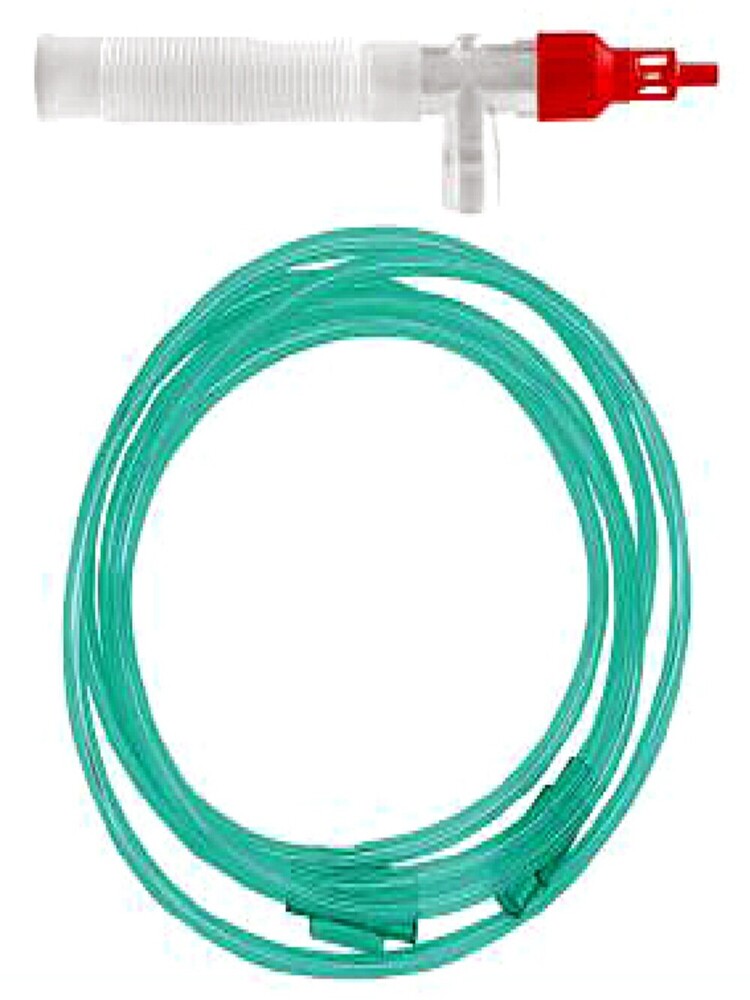
OXYGEN RECOVERY KIT WITH DILUTER & TUBE
Price 1250 INR / Piece
Minimum Order Quantity : 10 Pieces
Condition : New
Material : Other, Medical grade PVC and polycarbonate components
Color : Transparent (tube), White (mask & diluter)
Use : For controlled oxygen administration and patient recovery
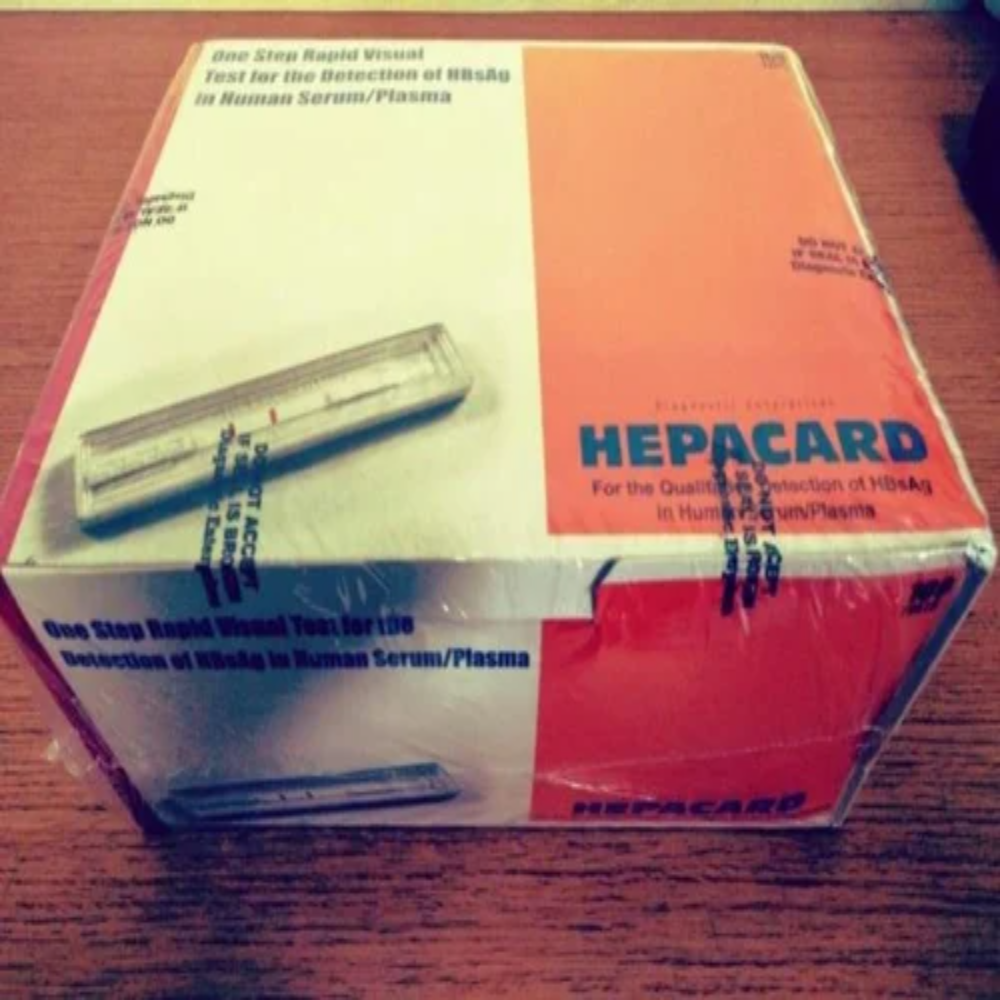
JMITRA HEPACARD HBSAG RAPID TEST CARD
Price 2000 INR / Piece
Minimum Order Quantity : 10 Pieces
Condition : New
Material : Other, Highquality plastic and membrane strips
Color : White card with marked result window
Use : Detection of Hepatitis B Surface Antigen (HBsAg) in human serum or plasma
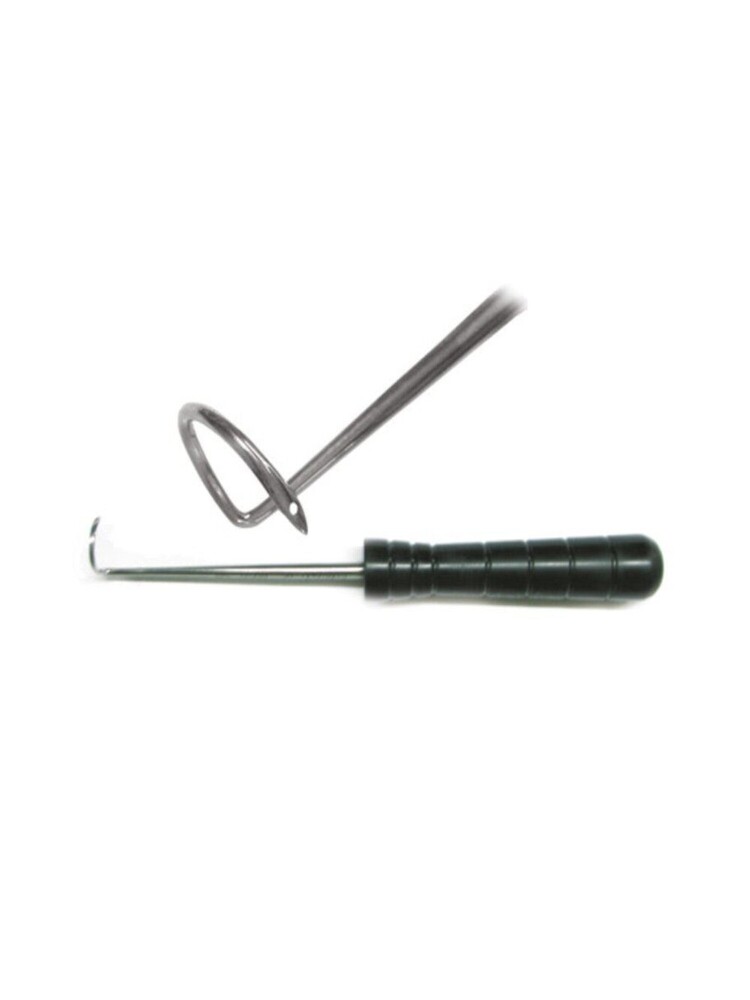
NANDES PORT CLOSURE RIGHT CURVE
Price 1650 INR / Piece
Minimum Order Quantity : 10 Pieces
Condition : New
Material : Other, Medical Grade Polypropylene
Color : White / Transparent
Use : Surgical Port Closure, Right Curved Application
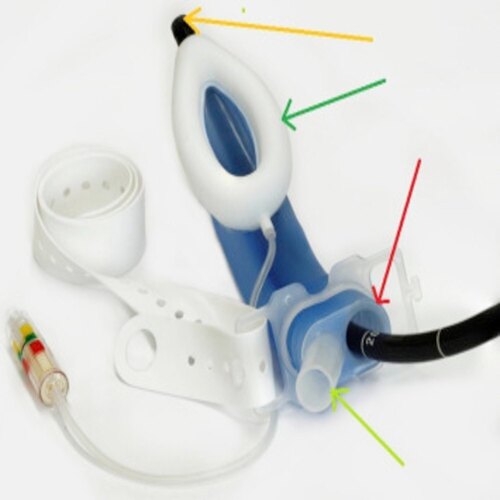
SILICON LMA Gastro
Price 5250 INR / Piece
Minimum Order Quantity : 10 Pieces
Condition : New
Material : Other, Silicone
Color : Transparent, Blue piloted cuff
Use : Gastroenterology, Anaesthesia, Airway Management

Mark Enterprises
GST : 09CGDPG2368E1ZJ
GST : 09CGDPG2368E1ZJ
56/A, Gali No-3, Jai Bharat Enclave, Sahibabad, Lajpat Nagar,Ghaziabad - 201005, Uttar Pradesh, India
Phone :08045813058

 Send Inquiry
- Breathing Circuit and Accessories
- Airway Management
- Intubation Devices And Accessories
- Tracheostomy Tube
- Endotracheal Tube
- Anaesthesia Face Mask
- CPAP And BIPAP Mask And Accessories
- HMES And HMFS Breathing Filter
- Oxygen And Nebulization Therapy Products
- Neonatal Care Products
- Gel Positioner
- Medical Grade CSSD Products
- Catheter Kit
- Suction Tube
- Besmed NICU Care Products
- Surgical Gown
- Nasal Cannula
- Urology Products
- Infusion Pump
- Prone Head Positioner With Mirror
- Cautery Pencil
- Pulse Oximeter
- Nebulizer Machine
- Foley Catheter
- Oxygen Flow Meter
- Strile Spiral Extension Line
- Yankauer Suction Set
- CPAP System
- AIRWAY TUBE
- AMBU BEG
 Send Inquiry
 Send SMS
 Call Me Free
Mark Enterprises
All Rights Reserved.(Terms of Use)
Developed and Managed by Infocom Network Private Limited.
Developed and Managed by Infocom Network Private Limited.

