

Call us now
08045813058
Standard Nasal Dressings
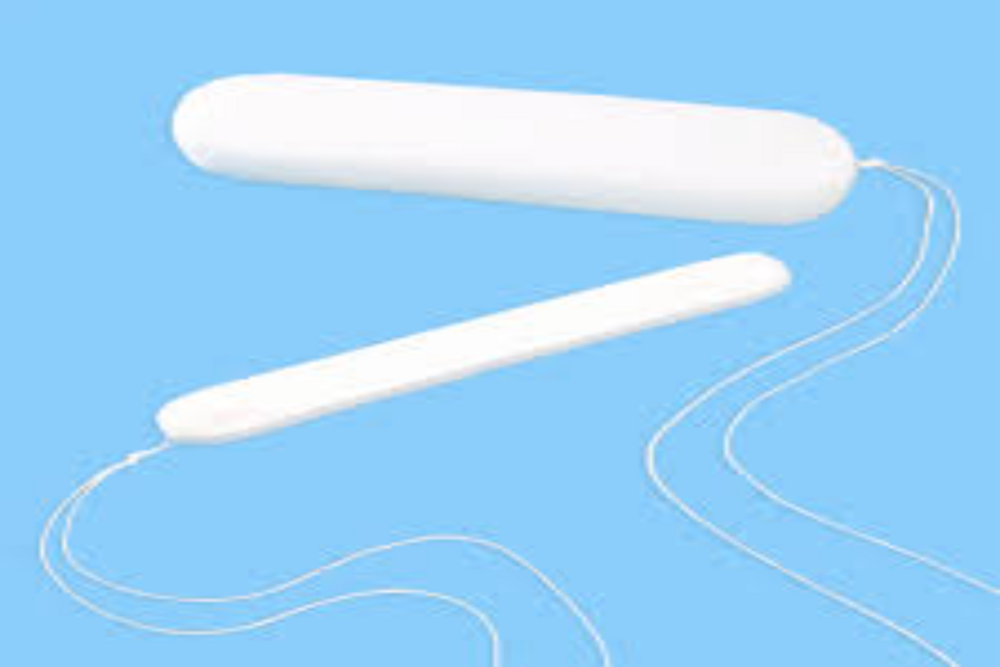
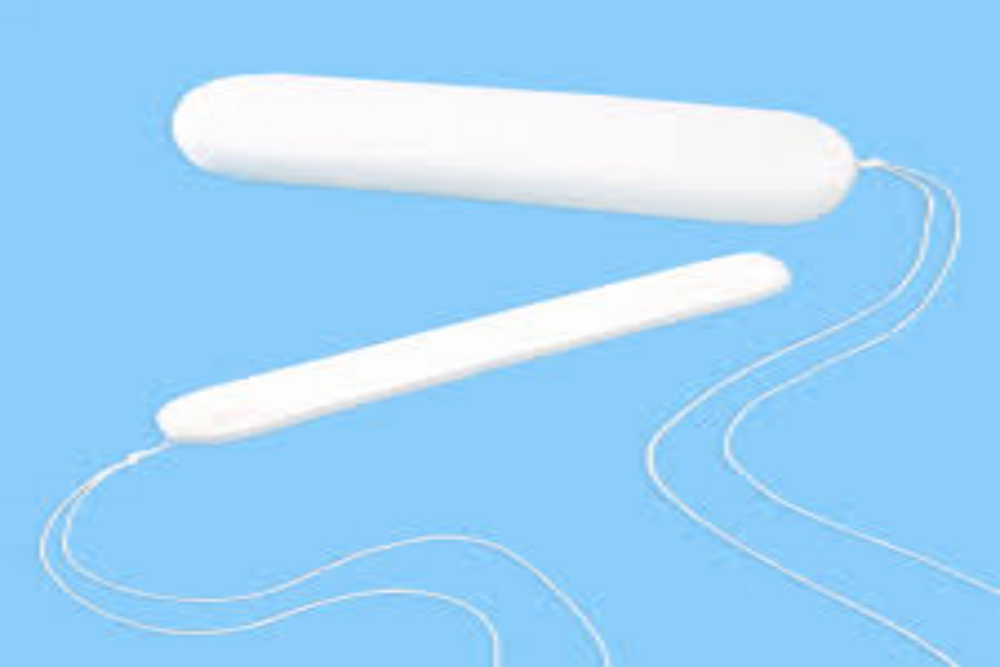
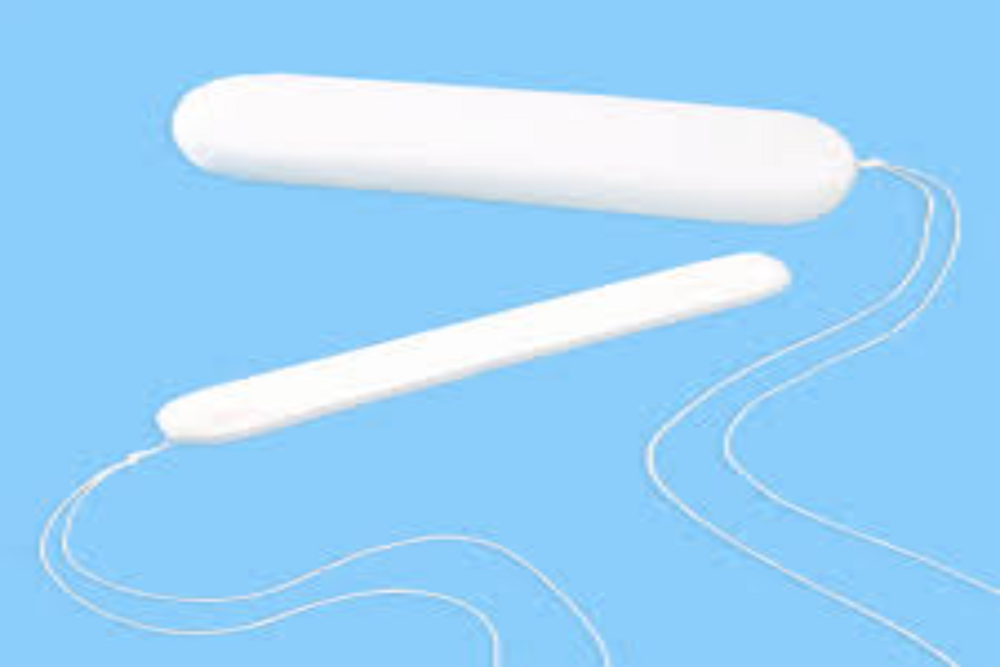
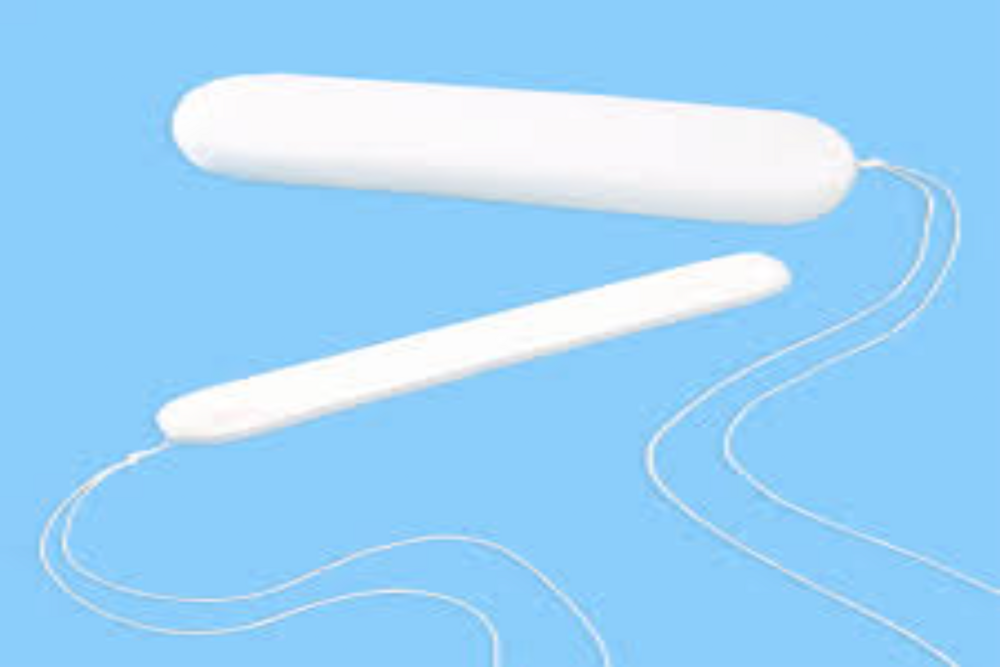

Standard Nasal Dressings Specification
- Features
- Soft, non-adherent, easy to insert and remove, sterile
- Instruments Type
- Medical dressing
- Function
- Absorbs nasal discharge and helps control bleeding
- Storage Instructions
- Store in a cool and dry place
- Shelf Life
- 3 Years
- Usage Type
- Single-use
- Equipment Type
- Standard Nasal Dressings
- Material
- Highly absorbent cotton gauze
- Condition
- New
- Technology
- Non-woven fabrication
- Portable
- Yes
- Wall Mounted
- No
- Operating Type
- Manual application
- Use
- Nasal wound dressing and bleeding control
- Dimension (L*W*H)
- Standard sizes, typically 8 cm x 1.5 cm
- Weight
- Lightweight
- Color
- White
- Biocompatibility
- Skin-friendly and hypoallergenic
- Sterility
- Sterilized and individually packed
- Shape
- Ribbon or strip
- Packaging Type
- Blister and box packaging
- Application Area
- Nasal cavity
- Latex Free
- Yes
About Standard Nasal Dressings
Standard Nasal DressingStandard nasal dressings are medical devices used to manage various nasal conditions, such as bleeding, swelling, and infections. They are commonly used in procedures like septoplasty, turbinectomy, and rhinoplasty. These dressings are typically made from Medical PVA (Polyvinyl Alcohol) Sponge material, which is absorbent and biocompatible.
Here are some specific types of standard nasal dressings:
- Nasal Dressing with String: This type of dressing is 8.0cm x 1.5cm x 2.0cm and comes in a box of 10 units. It is designed to conform to the nasal cavity and provide gentle compression to control bleeding.
- Nasal Dressing with String & Tube: Also measuring 8.0cm x 1.5cm x 2.0cm, this variant includes a tube and is sold in boxes of 10 units. The tube can help maintain airway patency.
- Medtronic Merocel Standard Nasal Dressing: Available in different variants, such as with or without drawstrings and tubes. These dressings are known for their high absorbency, biocompatibility, and ability to prevent adhesions. They are also X-ray detectable and can be trimmed to fit individual needs.
- Merocel Nasal Dressing: These dressings are soft, compressible, and can be easily inserted into the nasal cavity. They are designed to conform to the nasal anatomy and provide a tamponade effect with light pressure. They are available in various sizes and shapes, including 8cm long options.
Prices for these dressings vary depending on the brand, size, and features. For example, Medtronic Merocel hemoX Standard Nasal Dressing prices range from INR 4,928 to INR 12,360 in India.
Highly Sterile and Safe Application
Each Standard Nasal Dressing is sterilized and individually packed, greatly reducing the risk of infection and ensuring optimal hygiene for nasal wound care. Being latex-free and biocompatible, they minimize allergic reactions and are suitable for sensitive skin, making them a safe choice for patients requiring nasal management.
Easy-to-Use, Comfortable Design
Designed with patient comfort in mind, the dressings are made from soft, lightweight, and non-adherent materials. Their ribbon or strip shapes assure effortless insertion and removal, providing convenience for both medical professionals and patients during manual application and post-procedural wound care.
Effective Bleeding Control and Absorption
These nasal dressings are crafted from highly absorbent cotton gauze, efficiently absorbing nasal discharge and aiding in the control of bleeding. Their innovative non-woven fabrication ensures superior moisture management, supporting healing and cleanliness in the nasal cavity.
FAQ's of Standard Nasal Dressings:
Q: How should Standard Nasal Dressings be properly applied?
A: Standard Nasal Dressings should be manually and gently inserted into the nasal cavity after ensuring the area is clean. Their ribbon or strip shape facilitates smooth placement, and single-use packaging helps maintain sterility during application.Q: What materials are used in these nasal dressings and are they safe for sensitive skin?
A: These dressings are constructed from highly absorbent, latex-free, non-woven cotton gauze. They are biocompatible, skin-friendly, and hypoallergenic, making them safe for use on patients with sensitive skin or latex allergies.Q: When is it appropriate to use these dressings?
A: They are designed for use in cases of nasal wounds, post-surgical nasal care, or to control nasal bleeding. Single-use, sterile packaging ensures safe application whenever immediate and hygienic bleeding control is required.Q: Where should unused nasal dressings be stored?
A: For optimal shelf life and performance, store unused nasal dressings in a cool, dry place and keep them inside their original blister or box packaging to preserve sterility until use.Q: What are the benefits of using these dressings over traditional alternatives?
A: Standard Nasal Dressings are sterile, soft, non-adherent, and easy to insert or remove. Their advanced non-woven construction ensures better absorption and minimizes trauma to the wound during dressing changes.Q: What is the intended use and key function of the product?
A: The primary use is to serve as a nasal wound dressing for managing and absorbing nasal discharge and controlling bleeding in the nasal cavity, making them essential in emergency, surgical, or post-procedural care. Get Latest Price
Tell us about your requirement

Price:
Quantity
Select Unit
- 50
- 100
- 200
- 250
- 500
- 1000+
Additional detail
Mobile number
Email

More Products in Intubation Devices And Accessories Category
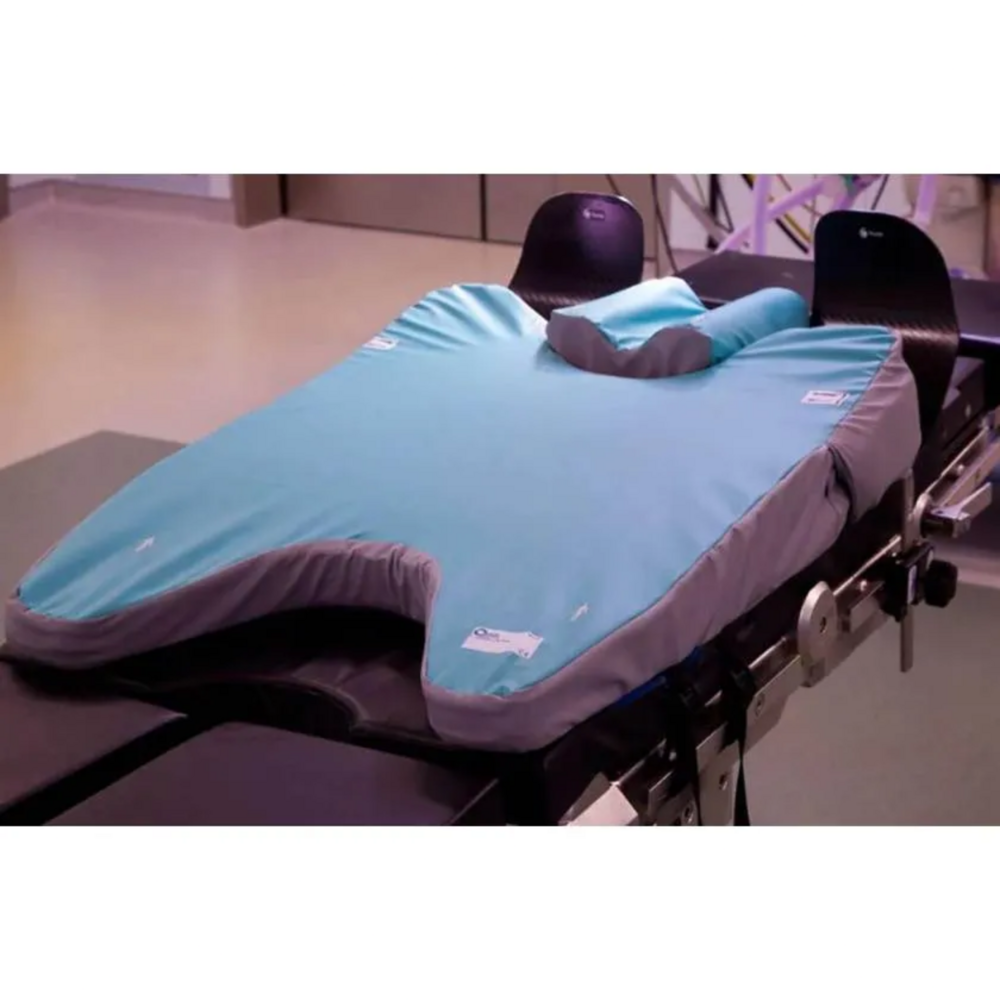
ELITE TRENDELENBURG SYSTEM
Price 1950 INR / Piece
Minimum Order Quantity : 10 Pieces
Condition : New
Dimension (L*W*H) : 200 cm x 70 cm x 90 cm
Real-Time Operation : Yes
Usage Type : Hospital/Clinical

Fluoroplastic Stapes Piston
Price 1250 INR / Piece
Minimum Order Quantity : 10 Pieces
Condition : New
Dimension (L*W*H) : Loop Diameter: 0.6 mm, Shaft Diameter: 0.4 mm, Shaft Length: 4.25 mm
Real-Time Operation : Yes
Usage Type : Single Use
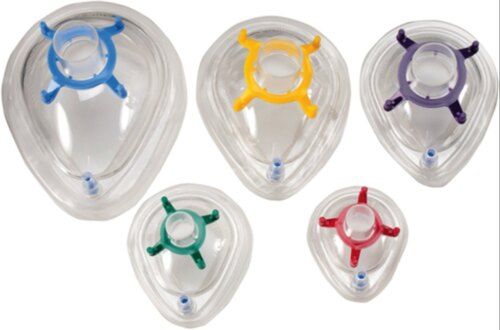
White Pvc Anaesthetic Face Mask
Price 250 INR / Piece
Minimum Order Quantity : 10 Pieces
Condition : New
Dimension (L*W*H) : Available in Multiple Sizes
Real-Time Operation : Yes
Usage Type : Single Use / Disposable

BONE NIBBLER DOUBLE ACTION
Price 6500 INR / Piece
Minimum Order Quantity : 10 Pieces
Condition : New
Dimension (L*W*H) : 210 mm (Length)
Real-Time Operation : Yes
Usage Type : Reusable

Mark Enterprises
GST : 09CGDPG2368E1ZJ
GST : 09CGDPG2368E1ZJ
56/A, Gali No-3, Jai Bharat Enclave, Sahibabad, Lajpat Nagar,Ghaziabad - 201005, Uttar Pradesh, India
Phone :08045813058

 Send Inquiry
- Breathing Circuit and Accessories
- Airway Management
- Intubation Devices And Accessories
- Tracheostomy Tube
- Endotracheal Tube
- Anaesthesia Face Mask
- CPAP And BIPAP Mask And Accessories
- HMES And HMFS Breathing Filter
- Oxygen And Nebulization Therapy Products
- Neonatal Care Products
- Gel Positioner
- Medical Grade CSSD Products
- Catheter Kit
- Suction Tube
- Besmed NICU Care Products
- Surgical Gown
- Nasal Cannula
- Urology Products
- Infusion Pump
- Prone Head Positioner With Mirror
- Cautery Pencil
- Pulse Oximeter
- Nebulizer Machine
- Foley Catheter
- Oxygen Flow Meter
- Strile Spiral Extension Line
- Yankauer Suction Set
- CPAP System
- AIRWAY TUBE
- AMBU BEG
 Send Inquiry
 Send SMS
 Call Me Free
Mark Enterprises
All Rights Reserved.(Terms of Use)
Developed and Managed by Infocom Network Private Limited.
Developed and Managed by Infocom Network Private Limited.

