

Call us now
08045813058
ENTEROCHECK WB TYPHOID RAPID TEST CARD
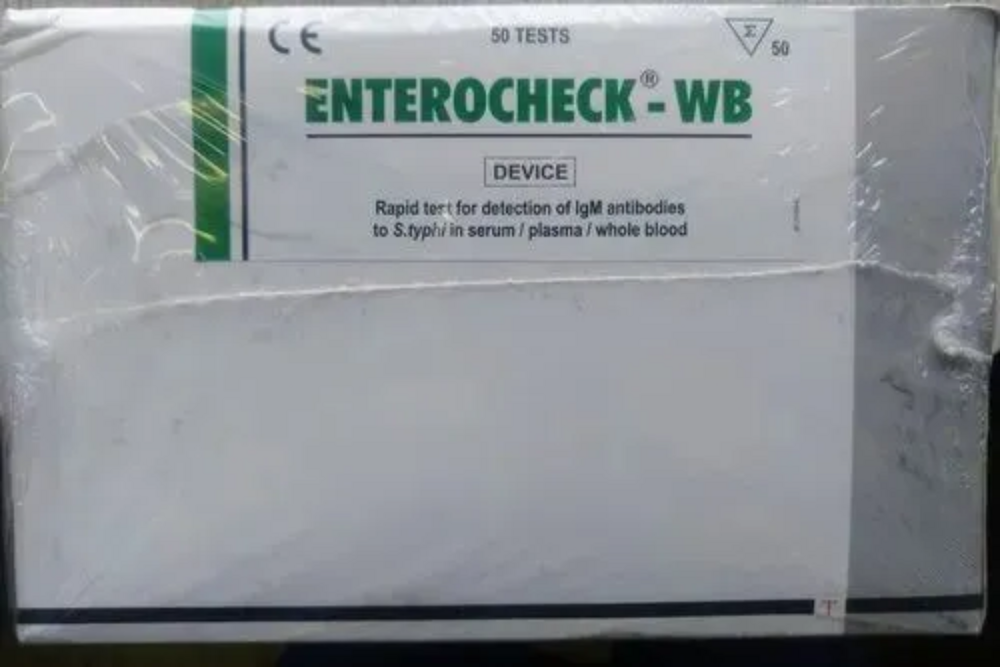
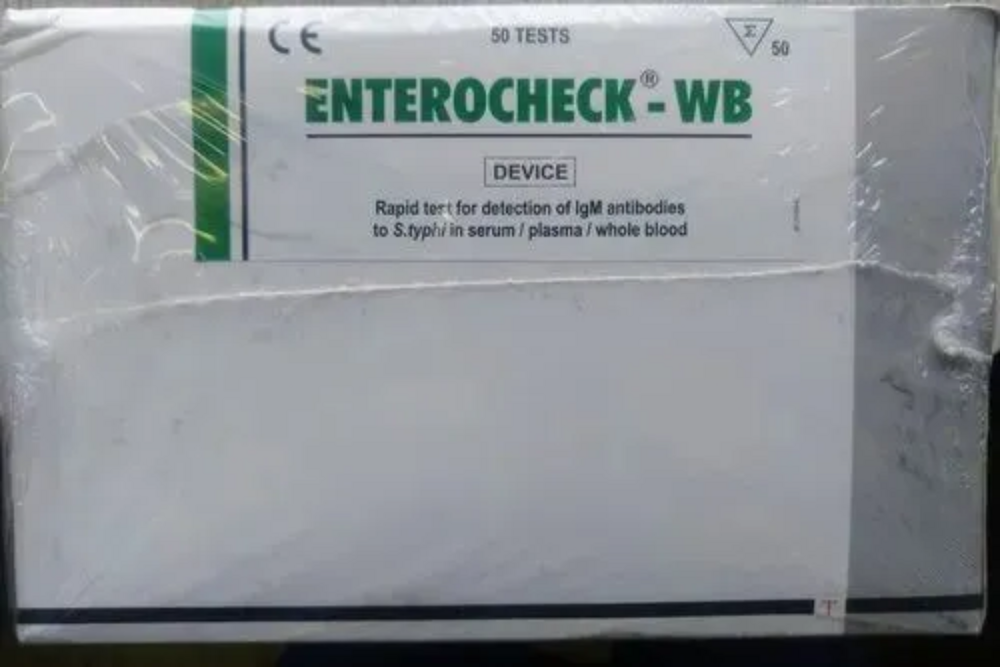
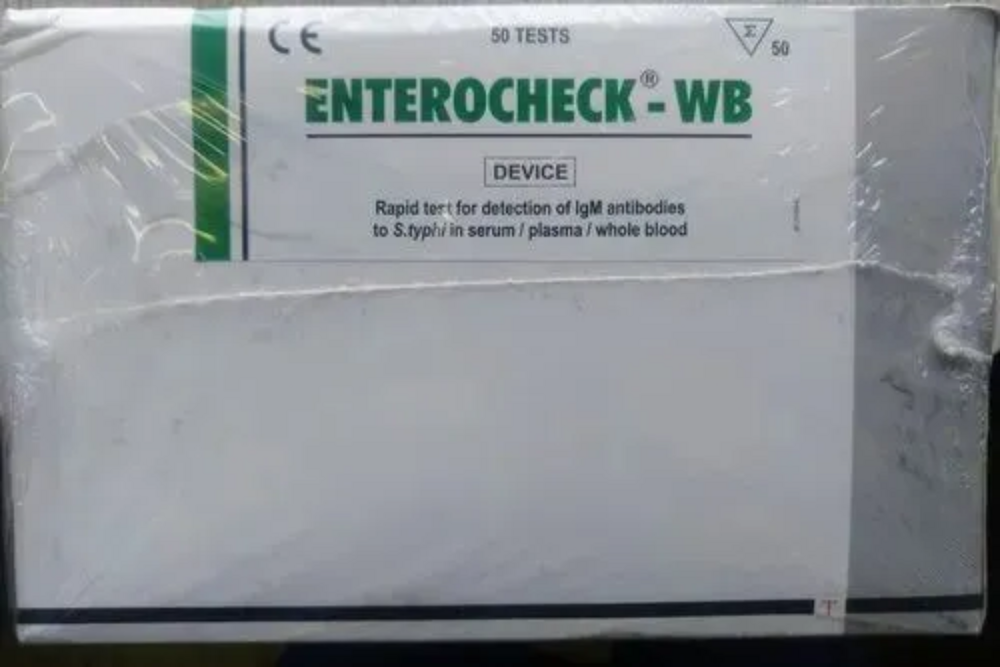

ENTEROCHECK WB TYPHOID RAPID TEST CARD Specification
- Display Type
- Visual colored lines
- Features
- Rapid results, easy to use, highly sensitive and specific, requires no instrumentation
- Usage Type
- Single Use, Diagnostic
- Function
- Detects antibodies to Salmonella typhi
- Accuracy
- Over 98%
- Measurement Range
- Qualitative
- Storage Instructions
- Store at 2C - 30C in a dry place, away from direct sunlight
- Instruments Type
- Rapid Test Kit
- Shelf Life
- 24 months
- Equipment Type
- Typhoid Rapid Test Card
- Material
- Plastic, nitrocellulose membrane, immunological reagents
- Condition
- New
- Technology
- Lateral Flow Immunoassay
- Portable
- Yes
- Wall Mounted
- No
- Real-Time Operation
- Yes
- Noise Level
- Silent
- Operating Type
- Manual
- Use
- Detection of Typhoid IgG/IgM antibodies in human whole blood/serum/plasma
- Dimension (L*W*H)
- Card Size; Individual pouch packing
- Weight
- Lightweight (approx. 15g per test card)
- Color
- White (test card); colored indicator lines
- Lot Number
- Printed on kit
- Time to Result
- 15-20 minutes
- Operating Temperature
- 15°C - 30°C
- Intended User
- Healthcare professionals
- Disposal
- Biohazard disposal as per local regulations
- Specificity
- Over 98%
- Sample Type
- Whole blood, Serum, or Plasma
- Packaging
- Individual sealed pouch with desiccant and dropper
- Control Line
- In-built procedural control line ensures test validity
- Sensitivity
- Over 96%
About ENTEROCHECK WB TYPHOID RAPID TEST CARD
Blood culture although continues to be the gold standard for diagnosis of typhoid fever, its applications for routine diagnosis of typhoid fever is restricted because of several limitations. Widal test has been used extensively as a laboratory tool for diagnosis of typhoid fever in most laboratories, but it is laborious, time consuming and may not be positive in early stages and is to be interpreted judiciously. In the recent times, several other serological tests other than Widal test have been described and evaluated. In the present study, we evaluated Enterocheck WB, an immunochromatographic rapid test for diagnosis of typhoid fever, in Widal positive cases. This test detected IgM antibodies and was found to have a sensitivity of 90% and a specificity of 94.6%. The positive and negative predictive values of Enterocheck WB was 84.9% and 96.5% respectively. The test serves as an useful alternative to other conventional tests for rapid diagnosis of typhoid fever.Fast and Reliable Typhoid Detection
With a sensitivity exceeding 96% and specificity over 98%, the ENTEROCHECK WB Typhoid Rapid Test Card ensures prompt and accurate results in just 15-20 minutes. Ideal for point-of-care testing, it helps clinicians make timely decisions in diagnosing typhoid fever. Its high accuracy and real-time operation contribute to enhanced patient care.
Easy-to-Use for Professionals
Designed for healthcare professionals, this manual, portable kit requires no additional equipment. Simply follow the instructions to apply patient sample-whole blood, serum, or plasma-to the test card. The in-built procedural control line confirms correct functioning for every test, ensuring confidence in every result.
Safe, Single-Use, and Convenient
Each test card comes individually packed with essential accessories, ready for immediate use. After testing, the kit must be disposed of in accordance with local biohazard regulations, promoting safety and preventing contamination. Its compact, lightweight form ensures ease of storage and transport to diverse healthcare settings.
FAQ's of ENTEROCHECK WB TYPHOID RAPID TEST CARD:
Q: How do I perform a test using the ENTEROCHECK WB Typhoid Rapid Test Card?
A: To use the test, add a drop of whole blood, serum, or plasma to the sample well on the test card using the provided dropper. Add the buffer solution as per the instructions, then wait 15-20 minutes for the visual colored lines to appear, indicating the result.Q: What are the benefits of using this rapid test card for typhoid detection?
A: This test offers rapid, reliable results without the need for specialized instrumentation. It is highly sensitive and specific, easy to use, and enables real-time, on-the-spot diagnosis, which helps healthcare professionals promptly manage and treat typhoid fever.Q: When should this rapid test card be used?
A: The test is intended for use when typhoid infection is suspected, providing prompt screening for the presence of IgG/IgM antibodies to Salmonella typhi in patient samples. It is ideal for use in clinics, emergency situations, and field settings where timely diagnosis is crucial.Q: Where can I use the ENTEROCHECK WB Typhoid Rapid Test Card?
A: This portable, lightweight kit is suitable for hospitals, clinics, mobile health units, and remote healthcare settings across India. It does not require any electrical equipment or instrumentation, making it highly adaptable to a range of environments.Q: What is the recommended process for disposal of the used test card?
A: After use, dispose of the test card and accessories in accordance with local biohazard disposal regulations to prevent contamination and ensure safety.Q: Can the test be stored at room temperature, and how long is it shelf-stable?
A: Yes, the test card should be stored between 2C and 30C in a dry place away from direct sunlight. It has a shelf life of 24 months from the manufacturing date, as indicated on the package.Q: Who should use the ENTEROCHECK WB Typhoid Rapid Test Card?
A: This diagnostic product is intended for use by trained healthcare professionals only. Proper handling and interpretation of results are essential for accurate diagnosis and patient safety. Get Latest Price
Tell us about your requirement

Price:
Quantity
Select Unit
- 50
- 100
- 200
- 250
- 500
- 1000+
Additional detail
Mobile number
Email

More Products in Intubation Devices And Accessories Category
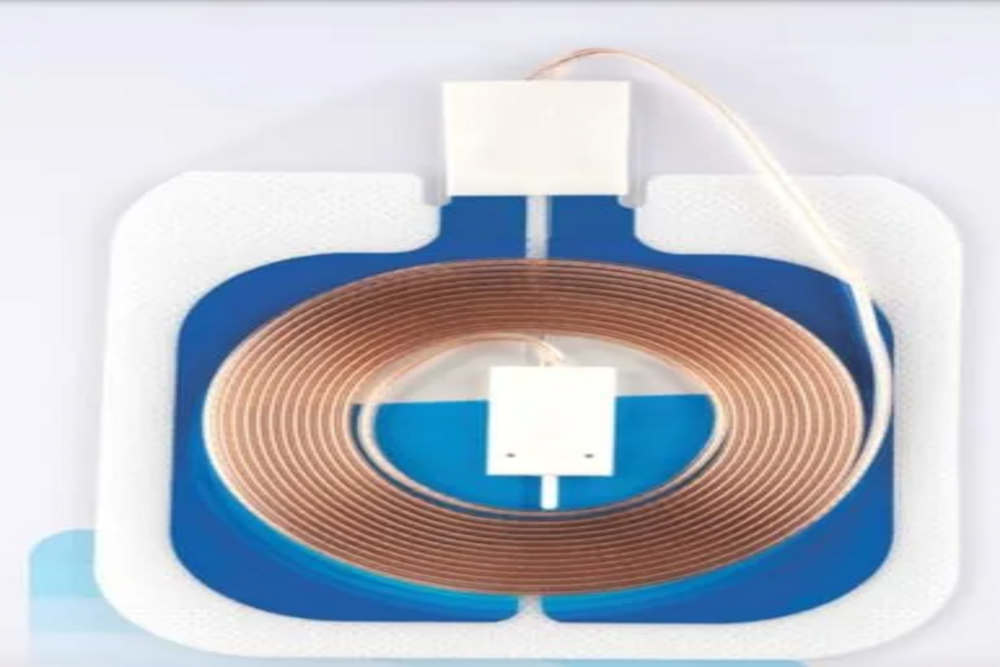
Niko Electrosurgical Neutral Electrode Cautery Plate301
Price 1450 INR / Piece
Minimum Order Quantity : 10 Pieces
Use : Patient Safety During Electrosurgery
Material : Other, Stainless Steel Plate with Polymeric Insulation
Condition : New
Operating Type : Other, Electric
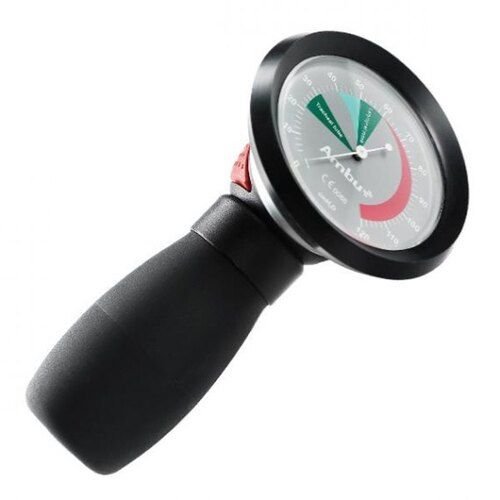
Ambu Cuff Pressure Gauge
Price 18500 INR / Piece
Minimum Order Quantity : 10 Pieces
Use : For measuring the pressure in tracheal tubes cuffs and similar medical devices
Material : Other, Highgrade plastic and metal components
Condition : New
Operating Type : Manual
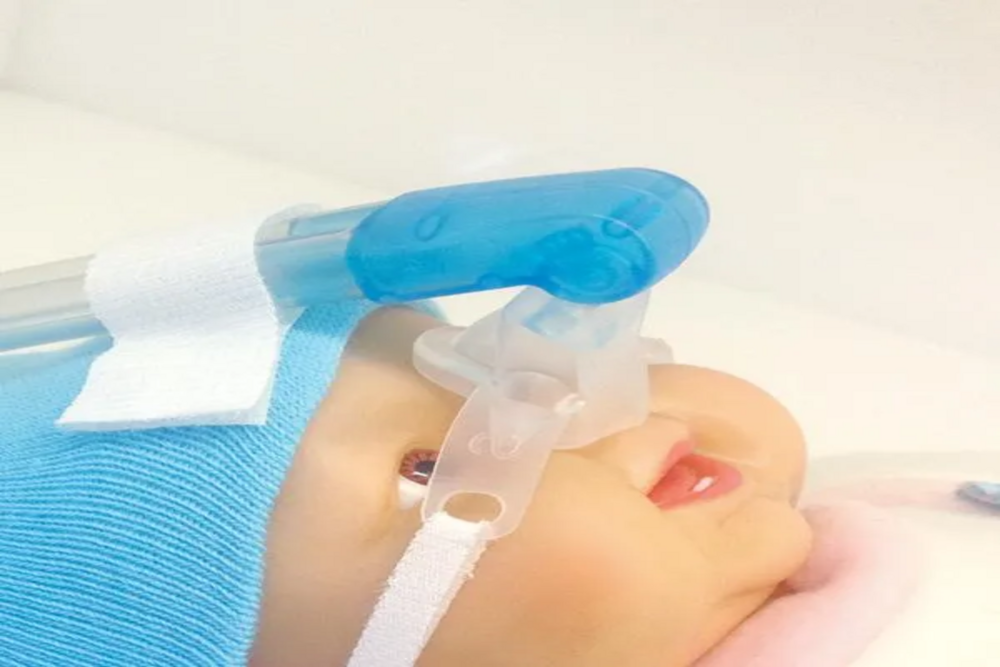
INFLOW GENERATOR NASAL TUBING
Price 1250 INR / Piece
Minimum Order Quantity : 10 Pieces
Use : Hospital, Clinic, Homecare
Material : Other, Medicalgrade PVC
Condition : New
Operating Type : Other, Manual/Passive
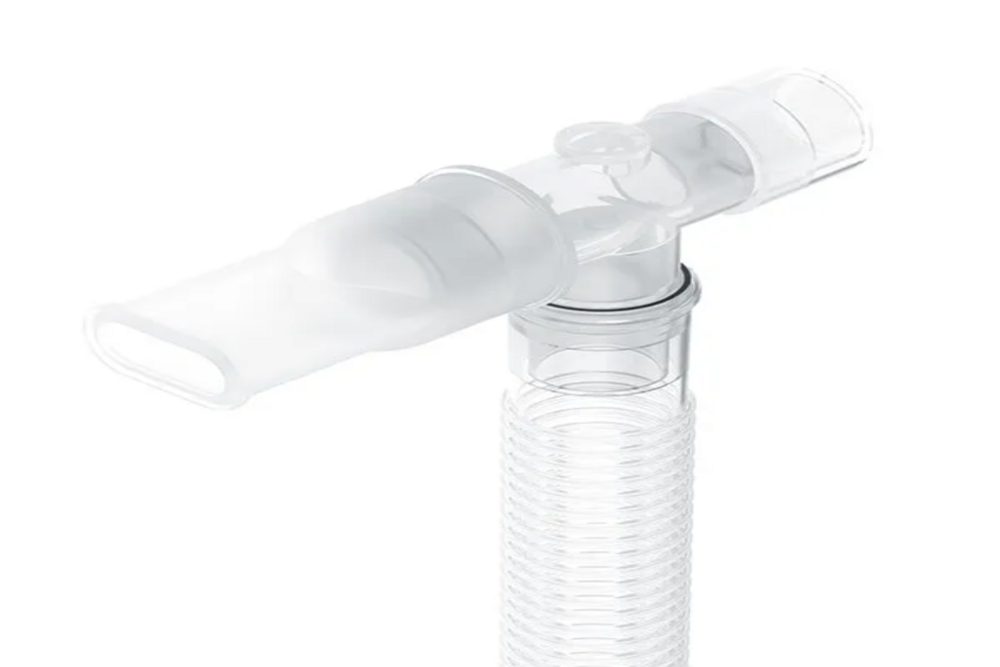
NITROUS OXIDE CIRCUITS
Price 1250 INR / Piece
Minimum Order Quantity : 10 Pieces
Use : For delivering nitrous oxide and oxygen for anaesthesia
Material : Other, Medical Grade Plastic, Rubber
Condition : New
Operating Type : Other, Manual / Semiautomatic

Mark Enterprises
GST : 09CGDPG2368E1ZJ
GST : 09CGDPG2368E1ZJ
56/A, Gali No-3, Jai Bharat Enclave, Sahibabad, Lajpat Nagar,Ghaziabad - 201005, Uttar Pradesh, India
Phone :08045813058

 Send Inquiry
- Breathing Circuit and Accessories
- Airway Management
- Intubation Devices And Accessories
- Tracheostomy Tube
- Endotracheal Tube
- Anaesthesia Face Mask
- CPAP And BIPAP Mask And Accessories
- HMES And HMFS Breathing Filter
- Oxygen And Nebulization Therapy Products
- Neonatal Care Products
- Gel Positioner
- Medical Grade CSSD Products
- Catheter Kit
- Suction Tube
- Besmed NICU Care Products
- Surgical Gown
- Nasal Cannula
- Urology Products
- Infusion Pump
- Prone Head Positioner With Mirror
- Cautery Pencil
- Pulse Oximeter
- Nebulizer Machine
- Foley Catheter
- Oxygen Flow Meter
- Strile Spiral Extension Line
- Yankauer Suction Set
- CPAP System
- AIRWAY TUBE
- AMBU BEG
 Send Inquiry
 Send SMS
 Call Me Free
Mark Enterprises
All Rights Reserved.(Terms of Use)
Developed and Managed by Infocom Network Private Limited.
Developed and Managed by Infocom Network Private Limited.

