

Call us now
08045813058
Neonatal Test Lung
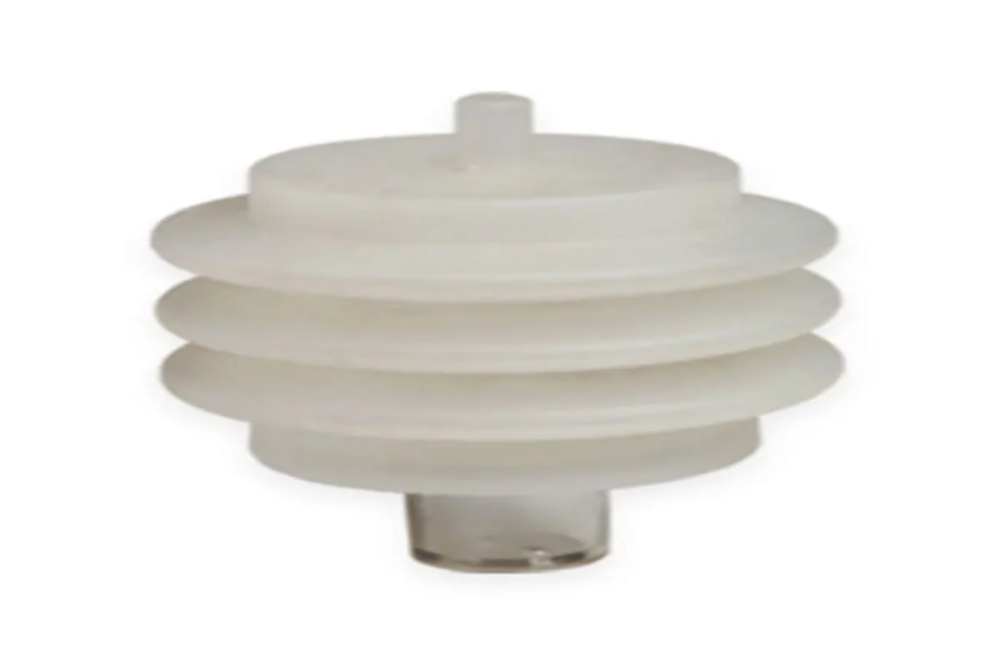
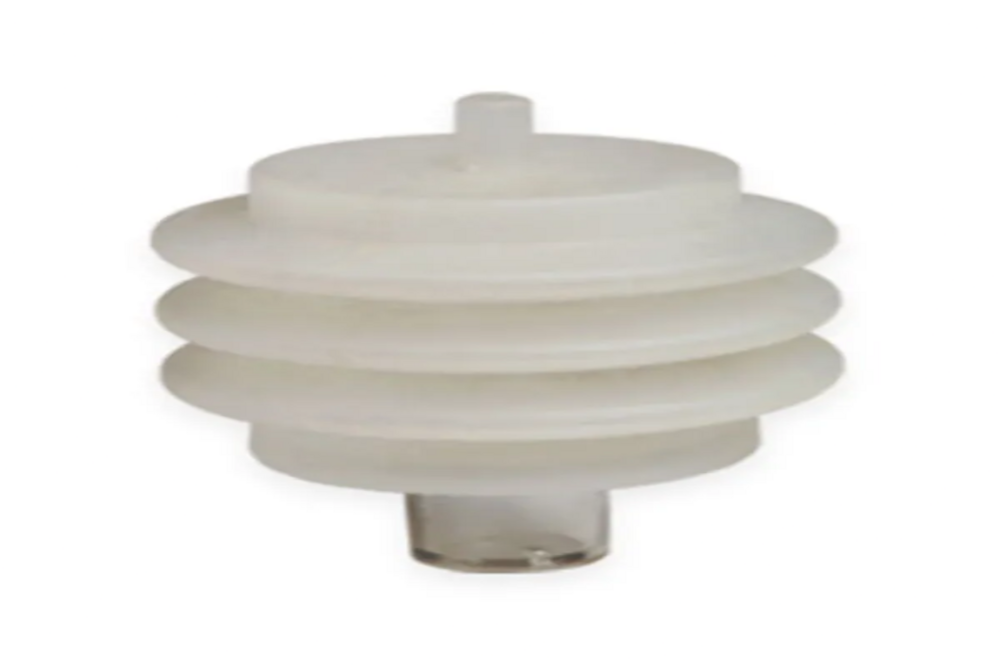
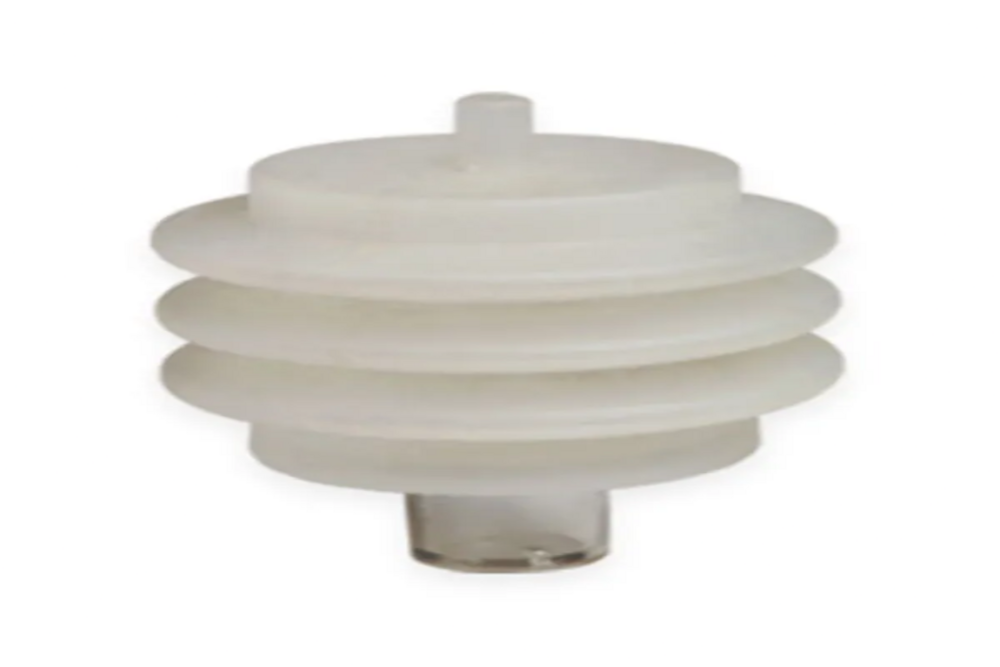
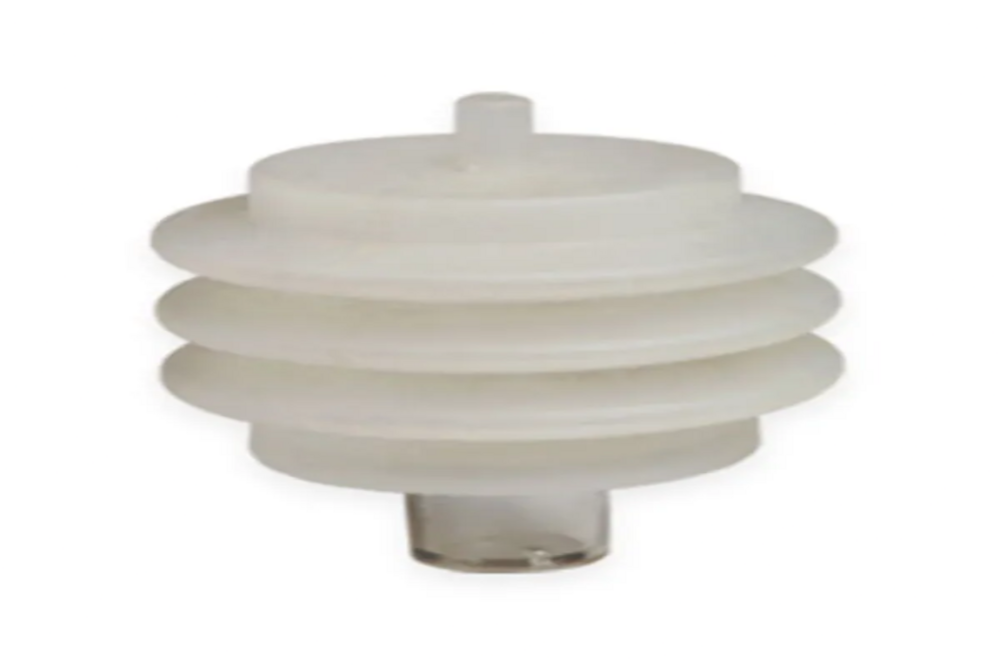

Neonatal Test Lung Specification
- Instruments Type
- Test/Calibration Device
- Storage Instructions
- Store in Clean, Dry Place, Away from Direct Sunlight
- Function
- Simulates Neonatal Lung Compliance and Resistance
- Usage Type
- Clinic, Hospital, Laboratory
- Shelf Life
- 5 Years
- Features
- Reusable, Durable, Easily Cleanable
- Accuracy
- High Volume and Compliance Accuracy
- Measurement Range
- Tidal Volume Up to 50 mL
- Equipment Type
- Neonatal Test Lung
- Material
- Medical-Grade Silicone and Polycarbonate
- Condition
- New
- Technology
- Manual Simulation
- Portable
- Yes
- Wall Mounted
- No
- Real-Time Operation
- Yes
- Noise Level
- Silent Operation
- Operating Type
- Manual and Mechanical
- Use
- Ventilator Performance Testing for Neonates
- Power Source
- Not Required (Manual)
- Dimension (L*W*H)
- Approx. 14 x 4 x 8 cm
- Weight
- Approx. 220 g
- Color
- Transparent & Blue
- Packaging Type
- Individual Protective Box
- Sterilization Method
- Can be Autoclaved or Disinfected
- Connections
- 15 mm Standard Male Fitting
- Suitable For
- Infant/Neonatal Ventilator and Respiratory Equipment Calibration
- Maintenance
- Minimal, Routine Cleaning Only
- Compliance
- 0.5 mL/cmH2O
- Resistance
- Approximately 20 cmH2O/L/s
About Neonatal Test Lung
Simulate a range of pulmonary situations for infants and children (and adults), using the Adult-Infant TTL and PneuView Lung Simulators. These devices incorporate one adult lung and one infant lung simulator in a single unit. This provides great flexibility and a range of applications for a wide range of patient populations. If you need to create spontaneous breathing, the model is also available as a Spontaneous Breathing Lung (SBL).Designed for Precise Neonatal Calibration
This neonatal test lung replicates the compliance and resistance characteristics of an actual infant lung, ensuring realistic and accurate ventilator performance testing. Built from premium-grade materials, it supports both manual and mechanical operation without the need for any power source. Its transparent and blue design allows clear visualization during demonstrations and calibration exercises.
Easy Maintenance and Durable Construction
The device requires minimal maintenance-routine cleaning is sufficient. It can be sterilized in an autoclave or disinfected as needed, thanks to the medical-grade silicone and polycarbonate construction. Packaged individually in a protective box, it's protected during storage and transport, supporting a shelf life of up to five years.
Portable and Practical for Clinical Use
With a compact size and lightweight form (approximately 220 g), the test lung is readily portable for use in clinics, hospitals, or laboratories. Its manual, silent operation enables flexible testing environments without noise disruption, and it functions efficiently in real-time calibration scenarios, making it a practical choice for medical professionals.
FAQ's of Neonatal Test Lung:
Q: How is the Neonatal Test Lung used for ventilator performance testing?
A: The test lung is connected to neonatal ventilators or respiratory equipment using the standard 15 mm male fitting. By manually simulating breath patterns, clinicians can assess the accuracy and responsiveness of the device's delivered tidal volumes and pressure settings, verifying that equipment is calibrated correctly for neonatal patients.Q: What maintenance does the Neonatal Test Lung require?
A: Routine cleaning is usually all that's needed. For disinfection, the device can be autoclaved or wiped down with approved disinfectants. Ensure it is dried thoroughly before storage, and keep it in its provided protective box when not in use.Q: When should calibration with this test lung be performed?
A: Calibration is recommended during initial installation of new ventilators, after repairs or servicing, and as part of regular equipment maintenance schedules. Using this test lung ensures ventilators provide accurate and safe respiratory support for neonatal patients.Q: Where can this test lung be used?
A: This device is suitable for clinical, hospital, and laboratory settings, and is designed for use by healthcare professionals involved in neonatal care or respiratory monitoring.Q: What benefits does the Neonatal Test Lung offer?
A: It provides high compliance and volume accuracy, supports reusable operation with minimal maintenance, and allows healthcare teams to test equipment without generating noise. Its portability assists in easy transport between testing locations.Q: How long does the Neonatal Test Lung last and how should it be stored?
A: The test lung has a shelf life of five years. Store it in a clean, dry place away from direct sunlight, and always keep it in its protective box to maintain its integrity. Get Latest Price
Tell us about your requirement

Price:
Quantity
Select Unit
- 50
- 100
- 200
- 250
- 500
- 1000+
Additional detail
Mobile number
Email

More Products in Intubation Devices And Accessories Category
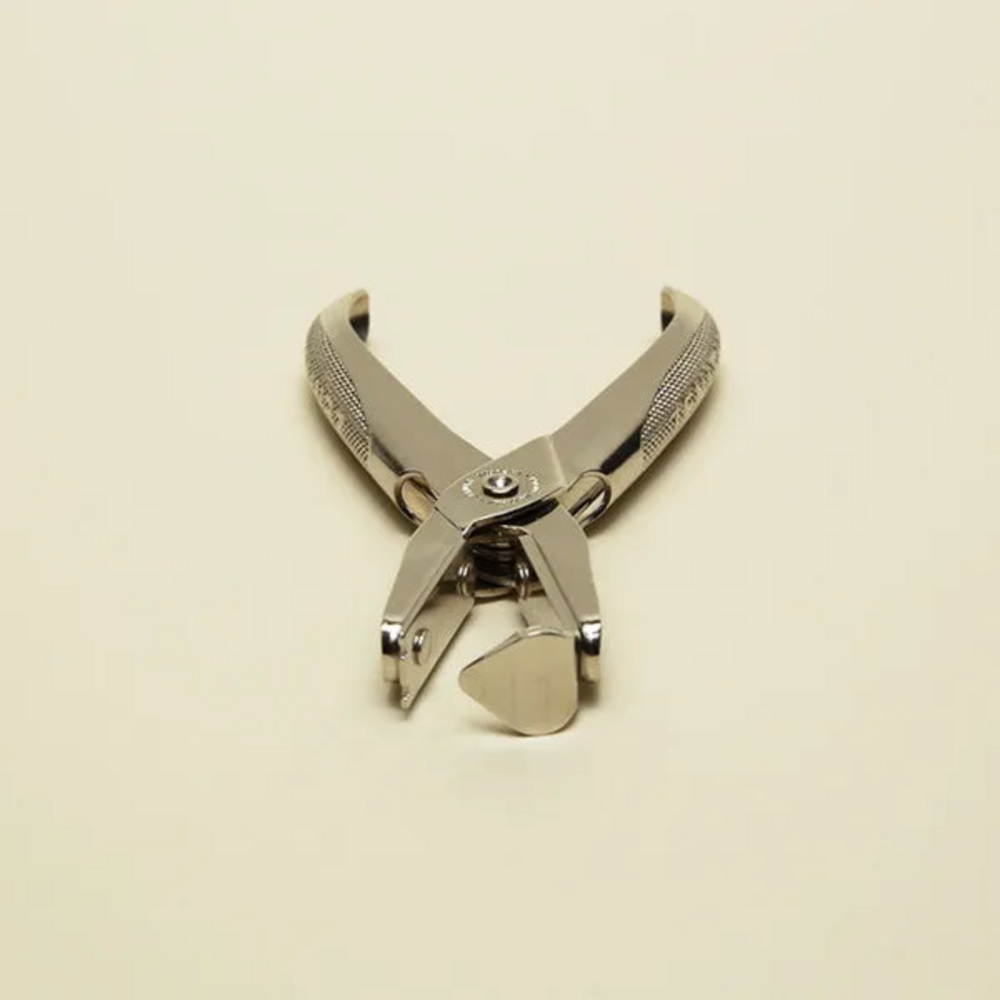
STAPLE REMOVER INSTRUMENT
Price 1450 INR / Piece
Minimum Order Quantity : 10 Pieces
Material : Other, Stainless Steel
Storage Instructions : Store in Clean, Dry Environment
Function : Removes Surgical Skin Staples
Portable : Yes
Fluoroplastic Offset Partial Prosthesis ( PORP )
Price 1450 INR / Piece
Minimum Order Quantity : 10 Pieces
Material : Other, Medical grade fluoroplastic (PTFE)
Storage Instructions : Store in a cool, dry place; keep sterile until use
Function : Restores sound conduction pathway in the middle ear
Portable : Yes

Direct Straight Blade With Curved Tip
Price 450 INR / Piece
Minimum Order Quantity : 10 Pieces
Material : Other, Stainless Steel
Storage Instructions : Store in a dry and sterile environment
Function : Facilitates delicate dissection and cutting
Portable : Yes
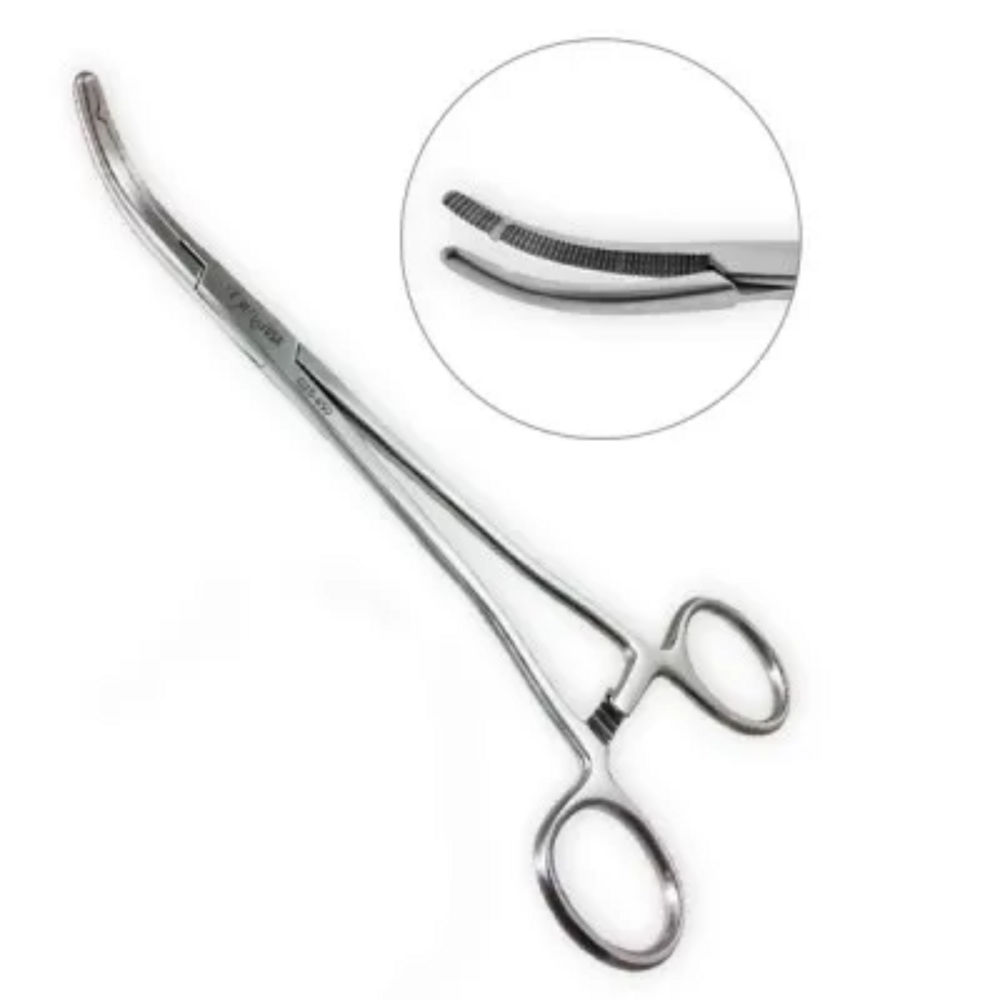
RIGHT ANGLE FORCEPS
Price 5600 INR / Piece
Minimum Order Quantity : 10 Pieces
Material : Other, Stainless Steel
Storage Instructions : Store in dry, clean environment
Function : Clamping and holding tissue or vessels at an angle
Portable : Yes

Mark Enterprises
GST : 09CGDPG2368E1ZJ
GST : 09CGDPG2368E1ZJ
56/A, Gali No-3, Jai Bharat Enclave, Sahibabad, Lajpat Nagar,Ghaziabad - 201005, Uttar Pradesh, India
Phone :08045813058

 Send Inquiry
- Breathing Circuit and Accessories
- Airway Management
- Intubation Devices And Accessories
- Tracheostomy Tube
- Endotracheal Tube
- Anaesthesia Face Mask
- CPAP And BIPAP Mask And Accessories
- HMES And HMFS Breathing Filter
- Oxygen And Nebulization Therapy Products
- Neonatal Care Products
- Gel Positioner
- Medical Grade CSSD Products
- Catheter Kit
- Suction Tube
- Besmed NICU Care Products
- Surgical Gown
- Nasal Cannula
- Urology Products
- Infusion Pump
- Prone Head Positioner With Mirror
- Cautery Pencil
- Pulse Oximeter
- Nebulizer Machine
- Foley Catheter
- Oxygen Flow Meter
- Strile Spiral Extension Line
- Yankauer Suction Set
- CPAP System
- AIRWAY TUBE
- AMBU BEG
 Send Inquiry
 Send SMS
Mark Enterprises
All Rights Reserved.(Terms of Use)
Developed and Managed by Infocom Network Private Limited.
Developed and Managed by Infocom Network Private Limited.

