

Call us now
08045813058
Holding Instruments Plastic Bougie For Intubation
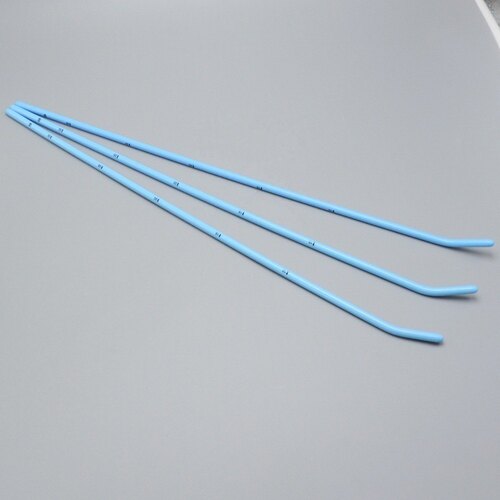
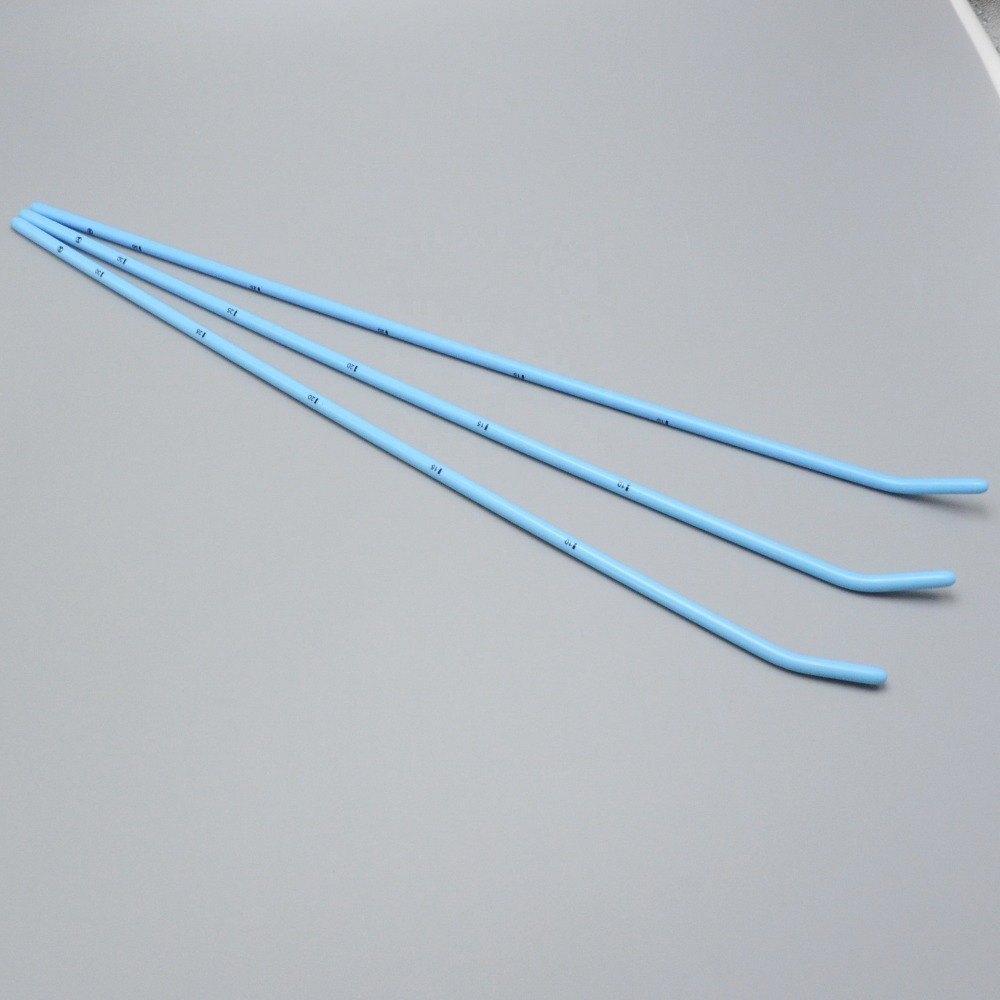
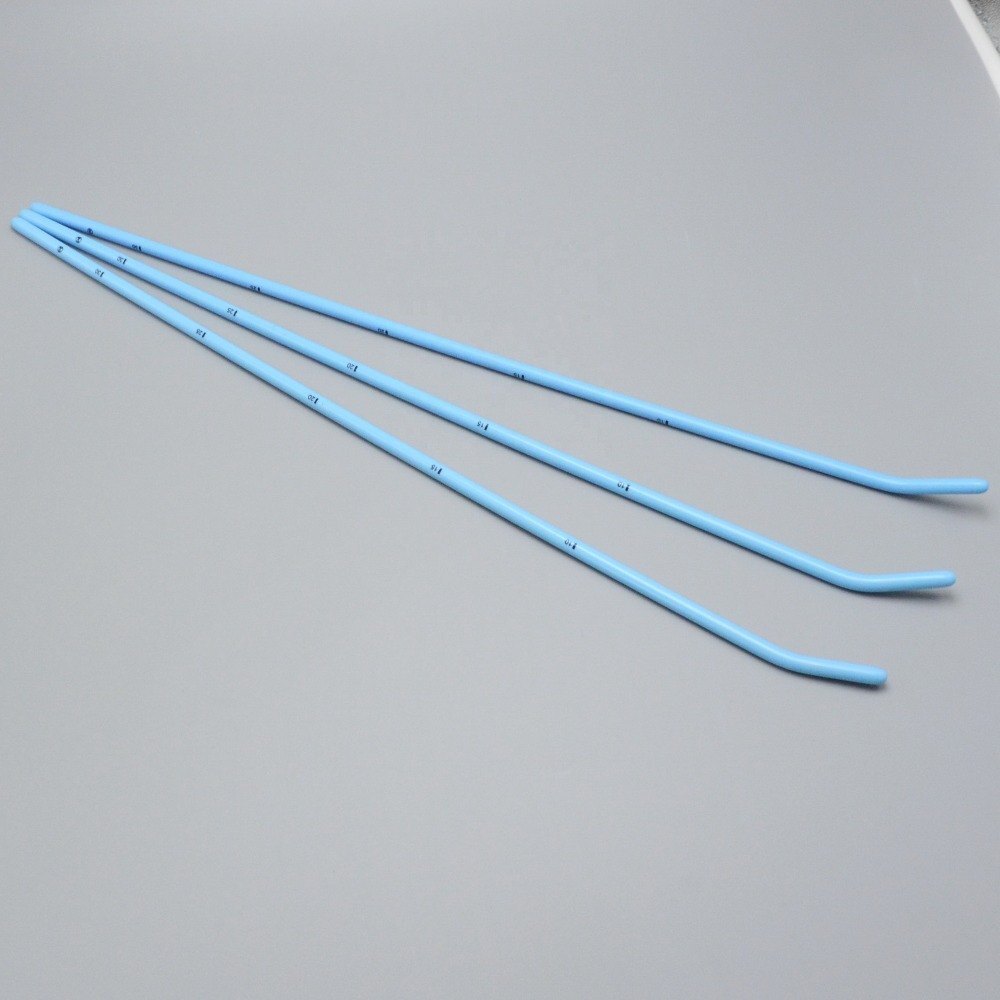
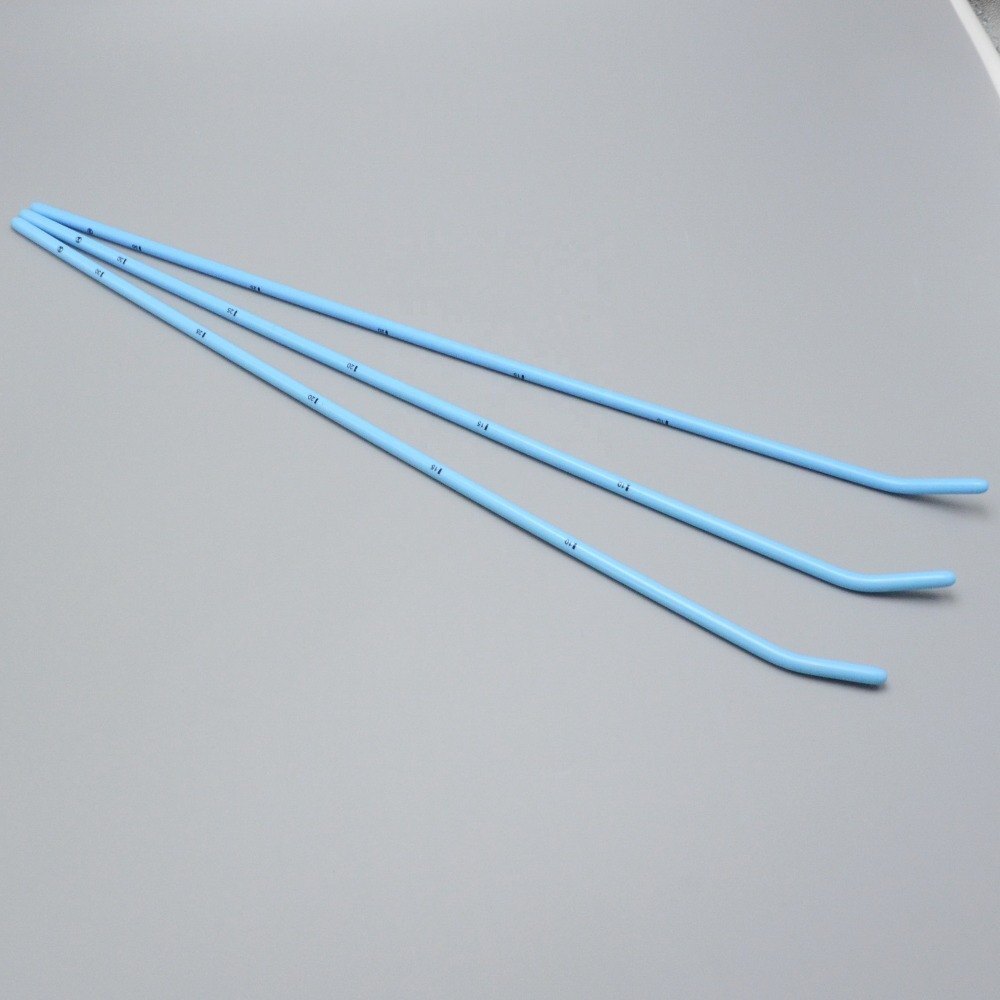
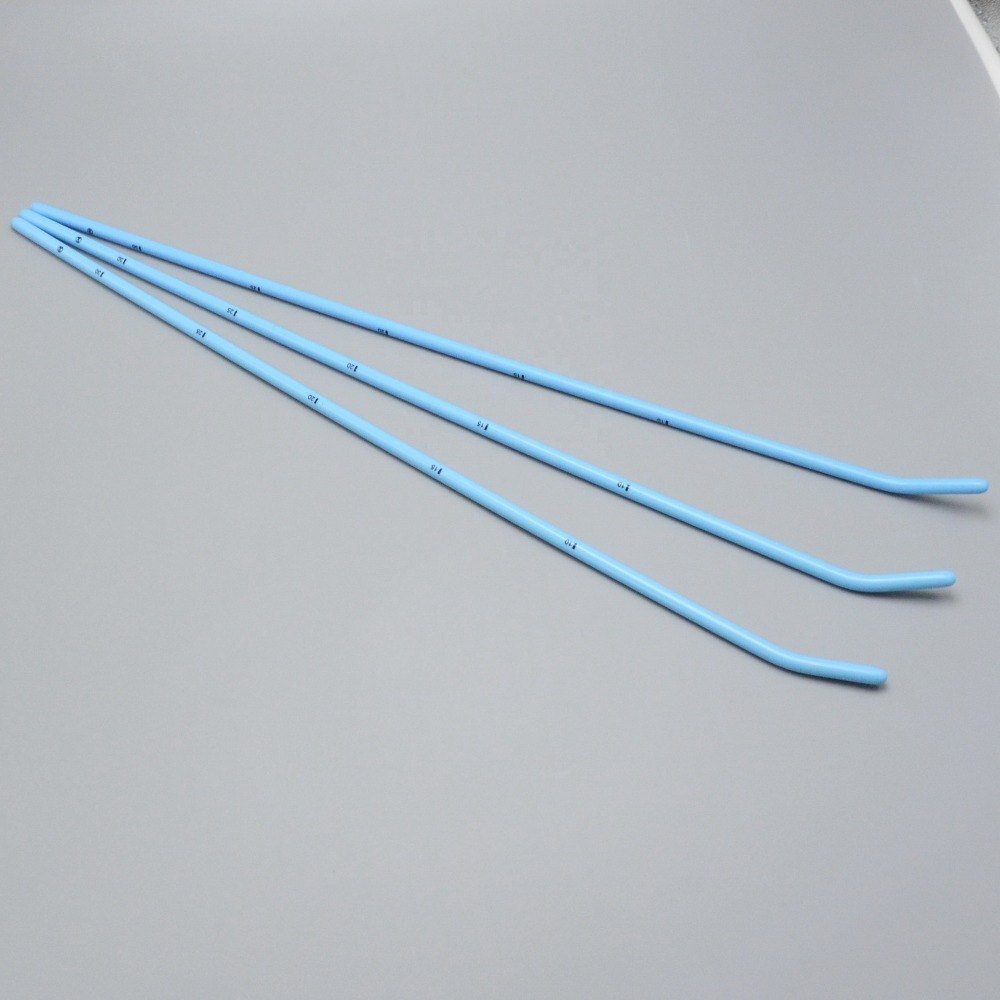
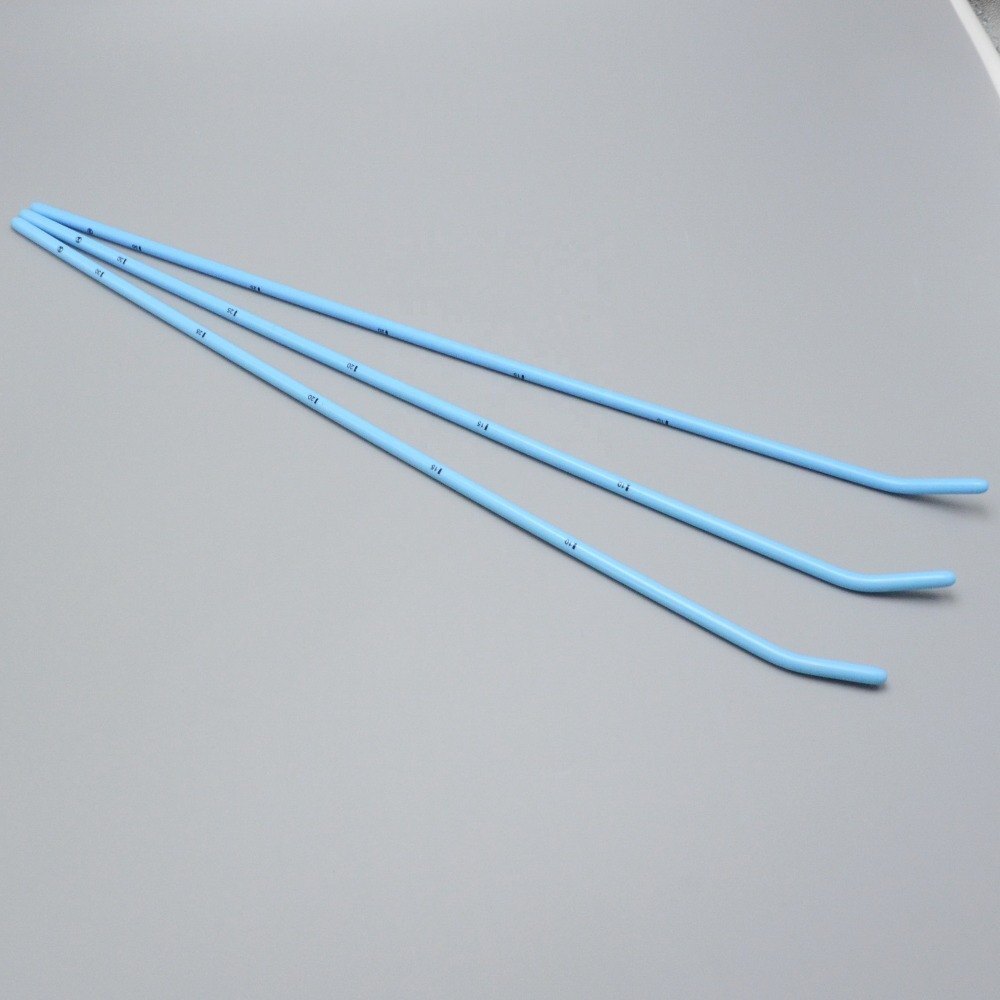

Holding Instruments Plastic Bougie For Intubation Specification
- Features
- Flexible, Rounded Tips, Easy Glide, Single Use, Sterile Packed
- Function
- Assists in blind or difficult intubation procedures
- Storage Instructions
- Store in a cool, dry place away from direct sunlight
- Instruments Type
- Anesthesia/O.T. Instruments
- Usage Type
- Disposable
- Shelf Life
- 5 Years
- Equipment Type
- Intubation Bougie
- Material
- Medical Grade Plastic
- Condition
- New
- Technology
- Manual
- Portable
- Yes
- Wall Mounted
- No
- Real-Time Operation
- Yes
- Noise Level
- Silent
- Operating Type
- Handheld
- Use
- Airway Management/Intubation Guidance
- Dimension (L*W*H)
- 40-60 cm (Length, Standard Adult size)
- Weight
- Lightweight (< 50g)
- Color
- Blue
- Latex Content
- Latex Free
- Flexibility Index
- High, allows for easy maneuverability
- Sterility
- Individually wrapped
- Brand Compatibility
- Universal (compatible with most ET tubes)
- Sterilization
- Ethylene Oxide Sterile
- Tip Size
- Standard Adult: 15Fr; Pediatric sizes available
About Holding Instruments Plastic Bougie For Intubation
The standard gum elastic bougie (GEB) which is used mainly for aiding in difficult laryngoscopy and intubation can be used as a tube exchanger also. The essential steps of tube exchange using GEB require it to be inserted into the lumen of the endotracheal tube (ETT) until the markings of the GEB correlate with the markings on the ETT. This indicates that the tip of the GEB is at the tip of the ETT.[1] Subsequently, cuff of the ETT is deflated and the ETT withdrawn gently over the GEB, whereas the operator end of the GEB is held securely. However, by the time, the tip of the ETT comes to lie in the oral cavity; the whole length of the GEB gets lost within the ETT lumen and the oral cavity resulting in the anaesthesiologist losing control over the GEB completely. This is because the GEB measures 60 cm in length and an ETT of 8.0 mm inner diameter (ID) measures 36 cm [from its distal end to the edge of the blue connector, Figure 1a], thus resulting in only 24 cm of GEB length remaining outside the ETT. Furthermore, the ETT is usually fixed around 2223 cm at the angle of the mouth. Hence, overall 5960 cm length of the GEB is required to be inserted into the ETT (36 cm ETT length and 2223 cm length inside the oral cavity) before the shaft of the GEB could be recovered outside the oral cavity, when the ETT tip comes out. Therefore, invariably the anaesthesiologist ends up losing control over the GEB for a brief while. This total loss of control over the GEB can result in the GEB either migrating deeper into the trachea, thus stimulating the carina in an already/almost awake patient, or there is a risk that the GEB comes out of the larynx along with the ETT and gets accidentally placed in the oral cavity or oesophagus. The traditional airway exchange catheters measure more than 80 cm (83 cm, 11 and 14 G), and, therefore, do not have this problem.[2] As long as the length of the GEB is more than twice that of the ETT, this problem should not happen. Bougies from other manufacturers that measure approximately 70 cm in length are available, and these problems are unlikely to be encountered with these.[3]Enhanced Flexibility for Smooth Intubation
With a high flexibility index, the Plastic Bougie glides seamlessly through the airway, enabling clinicians to navigate challenging intubations with precision. Its rounded tip minimizes trauma to delicate tissues, making it ideal for both routine and emergency airway management. Designed with both adult and pediatric sizes, it supports personalized care.
Safe, Sterile, and Ready for Immediate Use
Each bougie is individually wrapped and undergoes sterilization with ethylene oxide to prevent contamination. Its disposable design ensures optimal hygiene and minimizes infection risk in clinical environments. Clearly marked as latex-free, it eliminates concerns about allergic reactions during use.
Universal Compatibility and Reliable Handling
The bougie is crafted to work with most standard endotracheal tubes, streamlining intubation regardless of brand. Lightweight and handheld, it is silent in operation and conveniently portable for use in various settings, including hospitals, clinics, and emergency response scenarios.
FAQ's of Holding Instruments Plastic Bougie For Intubation:
Q: How is the Plastic Bougie for Intubation sterilized and packaged for use?
A: The bougie is sterilized using ethylene oxide and is individually wrapped, ensuring it remains sterile until the packaging is opened for use.Q: What size options are available for this intubation bougie?
A: This product is available in a standard adult size (15Fr) as well as pediatric sizes, allowing clinicians to select the appropriate size based on patient needs.Q: When should this bougie be used during an intubation procedure?
A: The bougie is primarily used to assist in blind or difficult intubation cases, serving as a guide for endotracheal tube placement when direct visualization is challenging.Q: Where can the Plastic Bougie be used effectively?
A: It is suitable for use in operating rooms, emergency departments, intensive care units, and prehospital settings wherever airway management is necessary.Q: What is the process for using this intubation bougie?
A: After opening the sterile packaging, the clinician inserts the bougie through the patient's airway, then slides the endotracheal tube over it to achieve correct placement. The flexible, rounded tip aids in smooth navigation.Q: What are the benefits of using a latex-free, single-use bougie?
A: Being latex-free reduces allergy risks, while single-use and sterilized packaging greatly lowers infection risk and eliminates the need for cleaning or reprocessing. Get Latest Price
Tell us about your requirement

Price:
Quantity
Select Unit
- 50
- 100
- 200
- 250
- 500
- 1000+
Additional detail
Mobile number
Email

More Products in Intubation Devices And Accessories Category
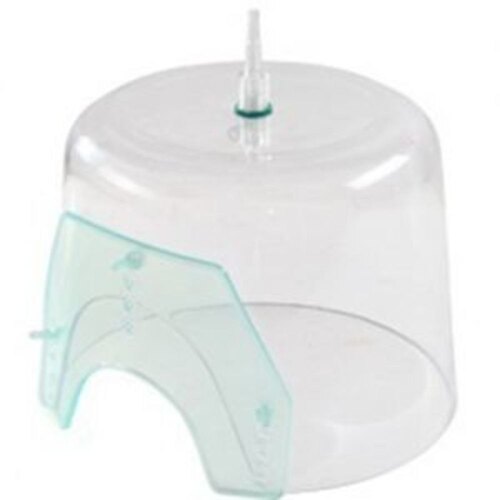
Plastic Oxygen Hood
Price 89000.0 INR / Piece
Minimum Order Quantity : 10 Pieces
Color : Transparent
Wall Mounted : No
Technology : Passive Oxygen Delivery
Material : Other, MedicalGrade Transparent Plastic (Polycarbonate/Acrylic)
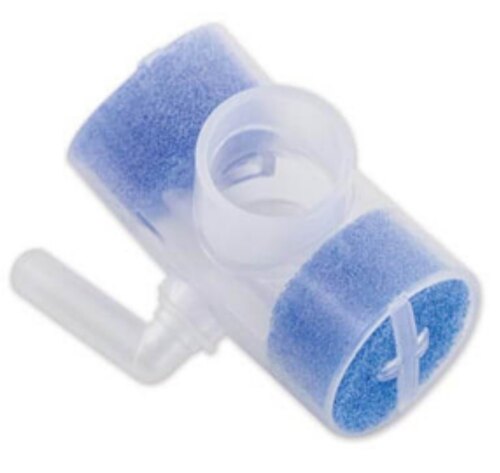
Thermovent T2 Hme Filter
Price 145 INR / Piece
Minimum Order Quantity : 10 Pieces
Color : Transparent/Blue
Wall Mounted : No
Technology : Heat and Moisture Exchange
Material : Other, Plastic Housing, Filtering Element
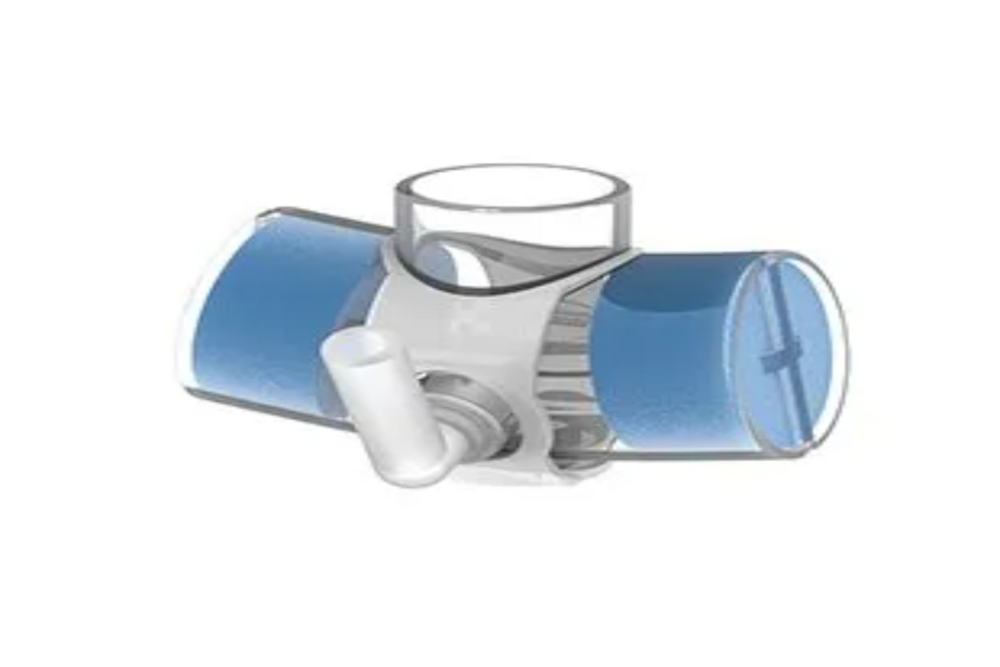
THERMO TRACH FILTER
Price 1550 INR / Piece
Minimum Order Quantity : 10 Pieces
Color : Transparent/White
Wall Mounted : No
Technology : Heat and moisture exchange (HME)
Material : Other, Polypropylene housing, electrostatic filter media
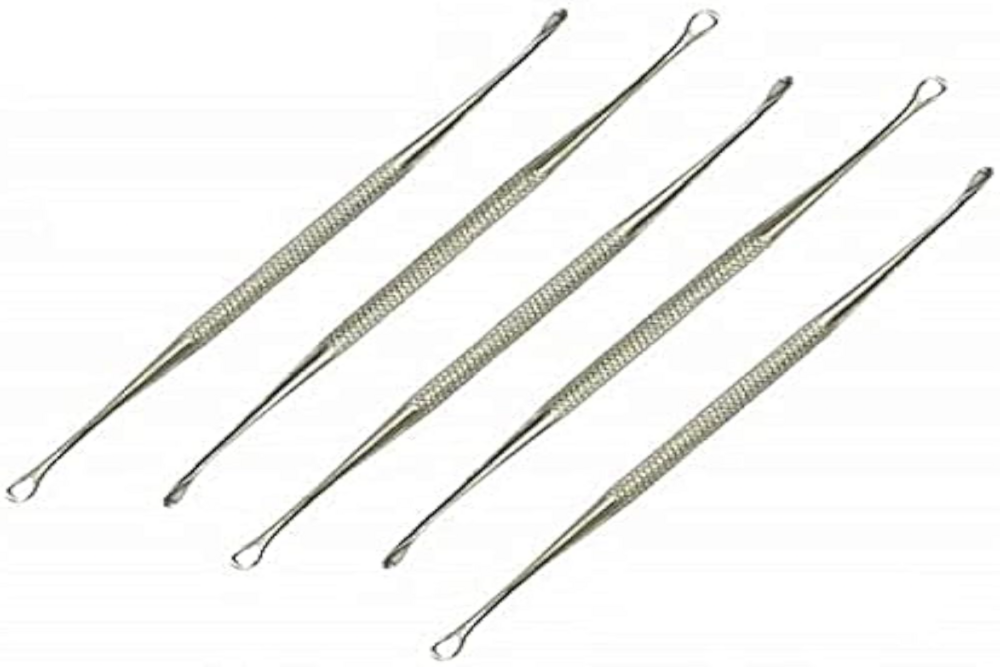
Ear Curettes EQUIPMENT
Price 1550 INR / Piece
Minimum Order Quantity : 10 Pieces
Color : Silver
Wall Mounted : No
Technology : Manual (Nonelectric)
Material : Other, Stainless Steel

Mark Enterprises
GST : 09CGDPG2368E1ZJ
GST : 09CGDPG2368E1ZJ
56/A, Gali No-3, Jai Bharat Enclave, Sahibabad, Lajpat Nagar,Ghaziabad - 201005, Uttar Pradesh, India
Phone :08045813058

 Send Inquiry
- Breathing Circuit and Accessories
- Airway Management
- Intubation Devices And Accessories
- Tracheostomy Tube
- Endotracheal Tube
- Anaesthesia Face Mask
- CPAP And BIPAP Mask And Accessories
- HMES And HMFS Breathing Filter
- Oxygen And Nebulization Therapy Products
- Neonatal Care Products
- Gel Positioner
- Medical Grade CSSD Products
- Catheter Kit
- Suction Tube
- Besmed NICU Care Products
- Surgical Gown
- Nasal Cannula
- Urology Products
- Infusion Pump
- Prone Head Positioner With Mirror
- Cautery Pencil
- Pulse Oximeter
- Nebulizer Machine
- Foley Catheter
- Oxygen Flow Meter
- Strile Spiral Extension Line
- Yankauer Suction Set
- CPAP System
- AIRWAY TUBE
- AMBU BEG
 Send Inquiry
 Send SMS
 Call Me Free
Mark Enterprises
All Rights Reserved.(Terms of Use)
Developed and Managed by Infocom Network Private Limited.
Developed and Managed by Infocom Network Private Limited.

