

Call us now
08045813058
BANDAGE SCISSORS
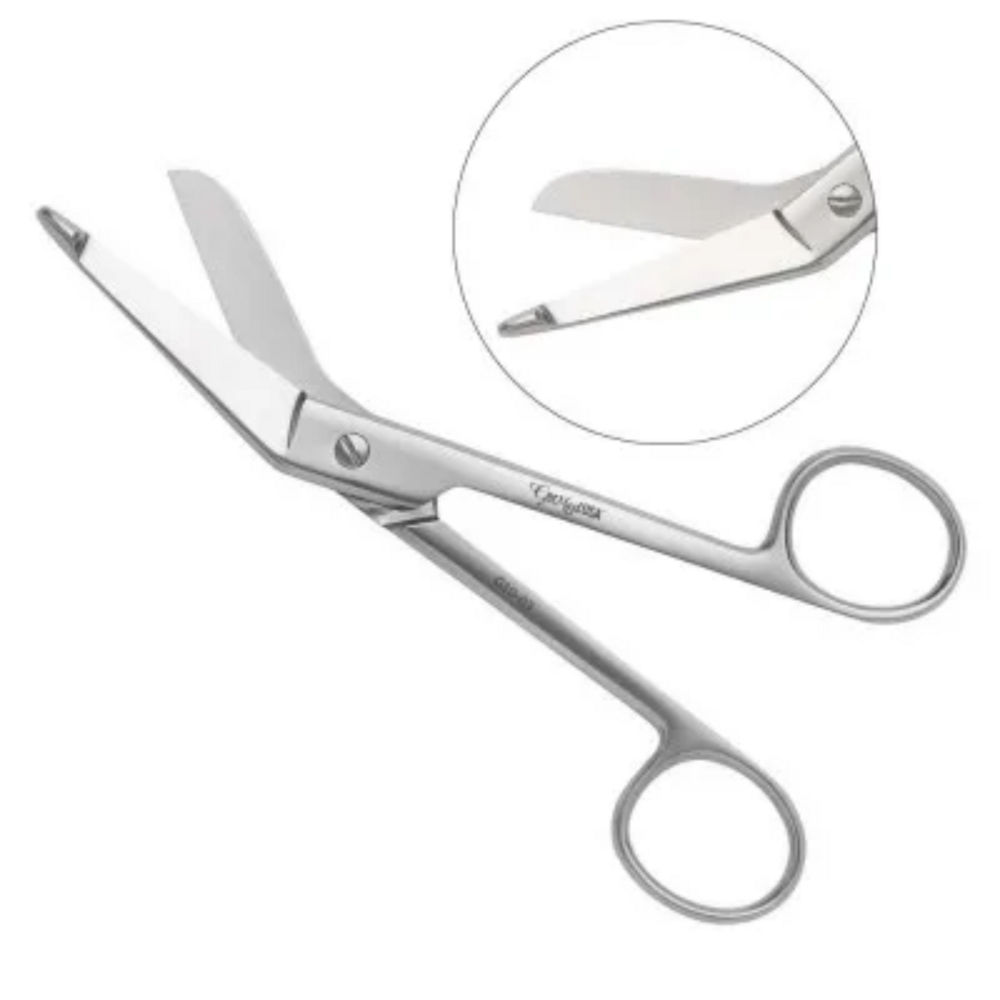
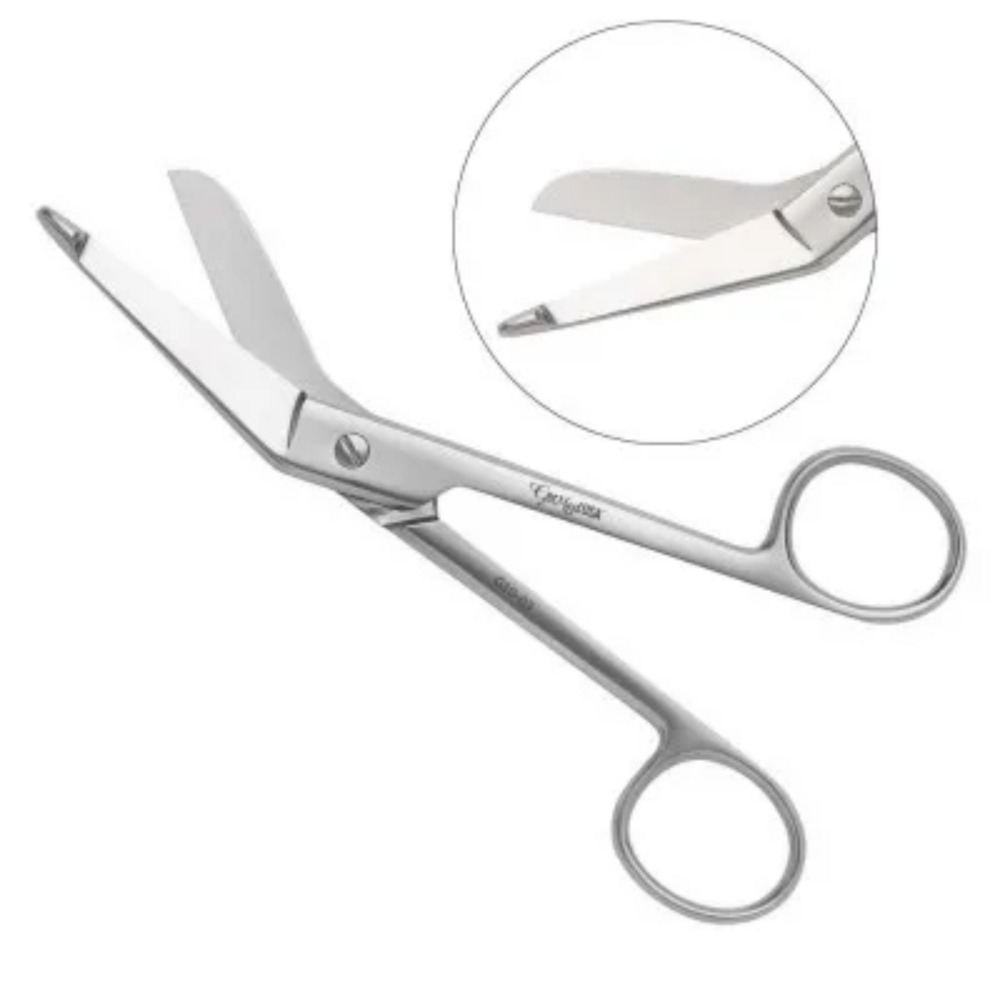
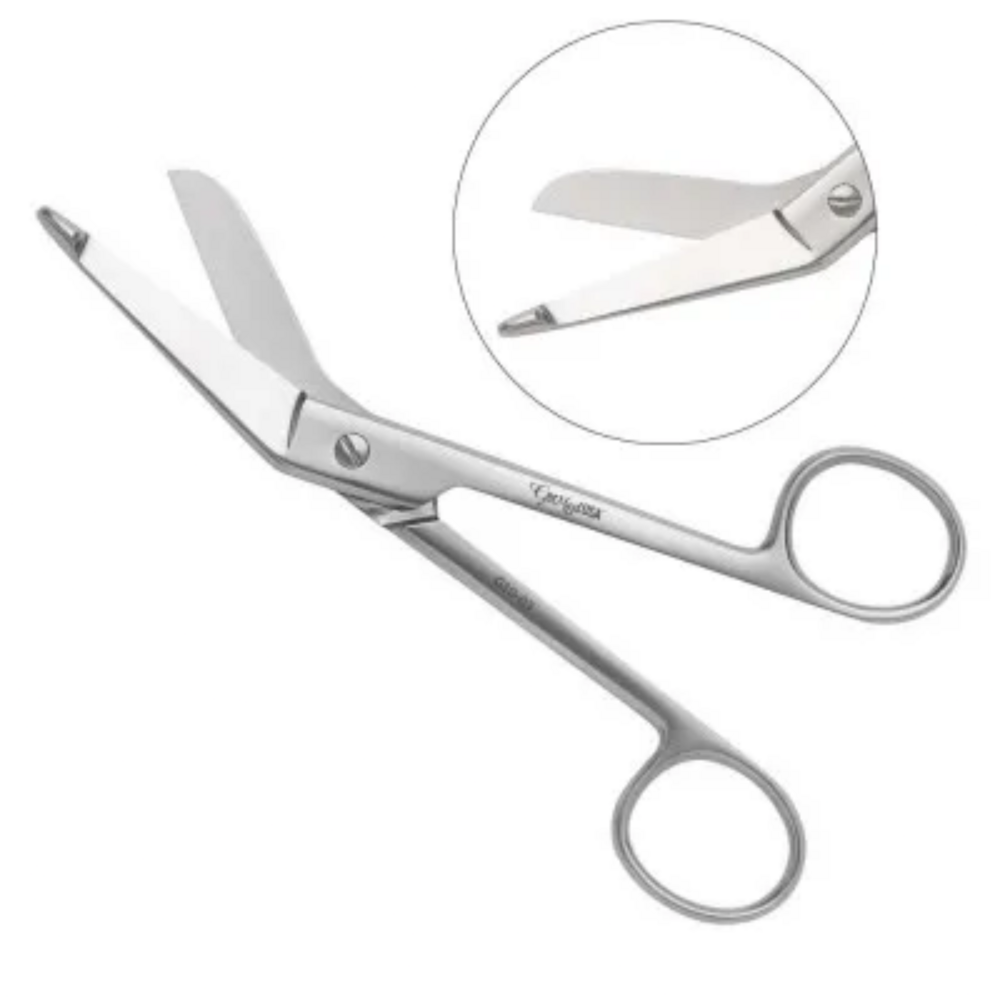

BANDAGE SCISSORS Specification
- Shelf Life
- Unlimited with proper care
- Storage Instructions
- Store in dry and clean conditions
- Function
- Bandage removal and dressing cutting
- Instruments Type
- Surgical Scissors
- Usage Type
- Medical, Surgical, First Aid
- Features
- Blunt tip for patient safety, angled design for easy access under bandages, corrosion-resistant, easy to clean
- Equipment Type
- Bandage Scissors
- Material
- Stainless Steel
- Condition
- New
- Technology
- Manual
- Portable
- Yes
- Wall Mounted
- No
- Real-Time Operation
- Yes
- Noise Level
- Silent
- Operating Type
- Hand-operated
- Use
- Cutting bandages and dressings
- Dimension (L*W*H)
- Approx. 15cm x 6cm x 1cm
- Weight
- Approx. 50g
- Color
- Silver
- Sterility
- Can be sterilized
- Tip Design
- Blunt and angled tip for safety
- Resistance
- Rust and corrosion resistant
- Packaging
- Individually packed
- Edge Type
- Serrated lower blade for better grip
- Cleaning Method
- Autoclavable
- Application
- Hospitals, clinics, emergency kits
- Handle Type
- Finger hole grip
- Compliance
- Meets medical safety standards
- Hand Orientation
- Ambidextrous
About BANDAGE SCISSORS
Bandage scissors
Bandage scissors, also known as bandage forceps, are specialized scissors designed for safely cutting bandages without gouging the skin. They typically feature an angled tip with a blunt tip on the bottom blade, allowing for precise and gentle cutting.
Types of Bandage Scissors
- Lister Bandage Scissors: Known for their German Stainless Steel construction, these scissors are commonly used for sizing dressings and removing circumferential bandages. The tip of the lower blade features a flattened blunt nodule to prevent skin harm.
- Utility Bandage Scissors: These scissors are designed for general-purpose use, featuring thick, serrated blades for effortless cutting through various materials, including rope, clothing, athletic tape, and plastic.
- High-Level Bandage Scissors (Knowles): These scissors are designed for precision cutting, with angled jaws and a slightly longer lower blade. They are suitable for cutting tougher materials like plaster, fabric, and umbilical cord.
- Left-Handed Bandage Scissors: Specifically designed for left-handed users, these scissors have the same features as regular bandage scissors but are reversed for comfortable use.
Precision Safety and Design
BANDAGE SCISSORS feature a blunt, angled tip to prevent accidental injury to the patient, offering maximum safety during usage. The serrated lower blade provides a secure grip on bandages or dressings, ensuring clean and controlled cuts every time. Their finger hole grip and ambidextrous orientation make them comfortable for any healthcare professional to use.
Superior Durability and Hygiene
Constructed from high-quality stainless steel, these scissors are resistant to rust and corrosion. They are fully autoclavable and can be sterilized repeatedly without affecting their structure or sharpness. Individually packed, they maintain hygiene standards, making them suitable for medical, surgical, and emergency environments.
Versatile and Convenient Usage
Designed for medical, surgical, and first aid purposes, BANDAGE SCISSORS are lightweight, portable, and operate silently. Their easy maintenance, compliance with safety standards, and unlimited shelf life with proper care ensure they remain an indispensable tool for healthcare providers.
FAQ's of BANDAGE SCISSORS:
Q: How are bandage scissors different from regular scissors in medical settings?
A: Bandage scissors are specifically designed with a blunt and angled tip to safely slide under bandages or dressings without injuring the patient, unlike regular scissors that may cause accidental cuts. The serrated lower blade further improves grip and cutting efficiency on various medical materials.Q: What is the process for sterilizing these bandage scissors?
A: To sterilize the BANDAGE SCISSORS, simply clean them and place them in an autoclave. They can withstand repeated autoclaving cycles without corrosion, ensuring they are safe for reuse in clinical environments.Q: When should I use bandage scissors in a medical environment?
A: Bandage scissors should be used whenever you need to safely remove or adjust bandages, dressings, or similar materials from patients, particularly in hospitals, clinics, surgical operations, and emergency situations.Q: Where can these bandage scissors be stored for optimal longevity?
A: For maximum lifespan and performance, store the bandage scissors in a dry, clean area. Their stainless-steel construction resists rust and corrosion, but proper storage will ensure they remain dependable for years.Q: What are the benefits of the angled and blunt tip design?
A: The angled and blunt tip allows for easy access under bandages while protecting the patient's skin from injury. This design feature also enhances maneuverability for precise and safe bandage removal.Q: Can both right-handed and left-handed users operate these scissors comfortably?
A: Yes, the finger hole grip and ambidextrous design ensure that these bandage scissors are equally comfortable and effective for both left- and right-handed healthcare professionals.Q: What is the recommended cleaning method to ensure safe reuse?
A: After each use, thoroughly clean and then autoclave the scissors for optimal sterilization, as recommended for medical instruments. This keeps the scissors safe and ready for subsequent procedures. Get Latest Price
Tell us about your requirement

Price:
Quantity
Select Unit
- 50
- 100
- 200
- 250
- 500
- 1000+
Additional detail
Mobile number
Email

More Products in Intubation Devices And Accessories Category
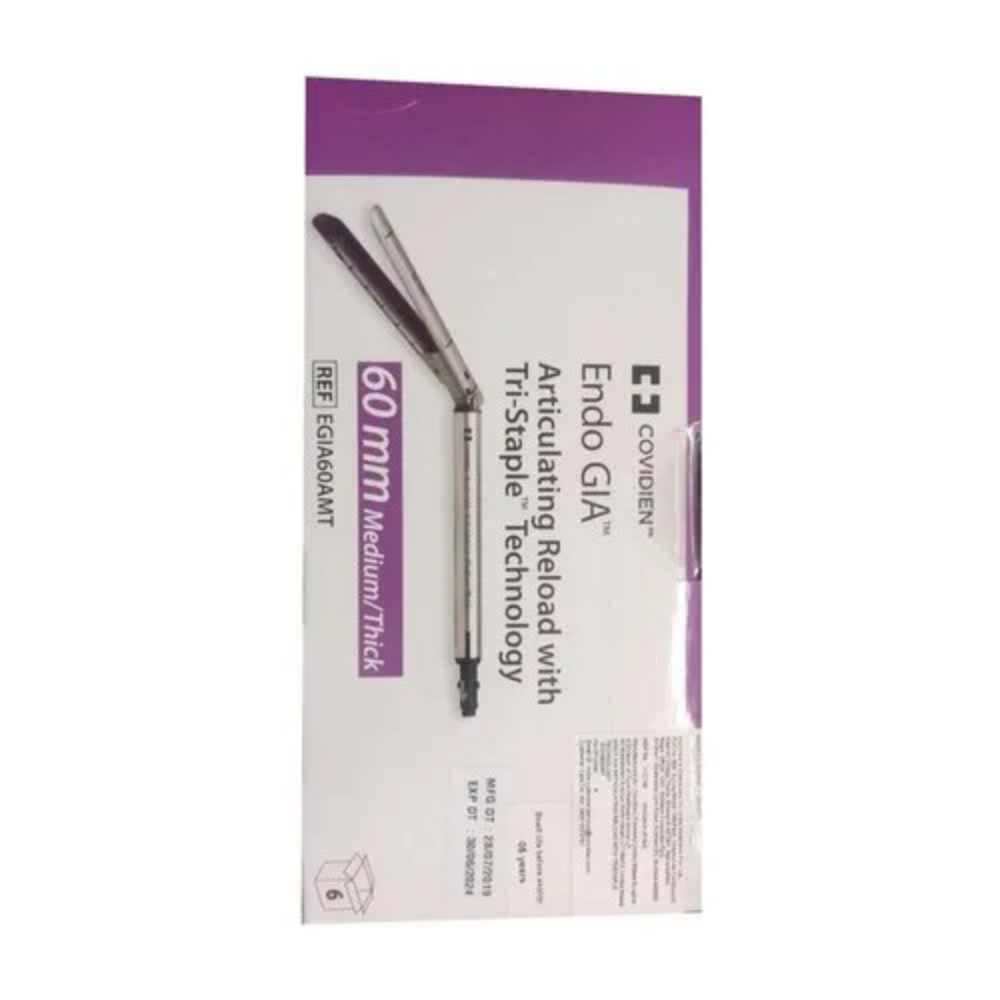
COVIDIEN ENDO GIA ARTICULATING RELOAD WITH TRI SLAPER INTRODUCING
Price 1550 INR / Piece
Minimum Order Quantity : 10 Pieces
Material : Other, Medicalgrade polymer and stainless steel
Use : Endoscopic tissue transection and resection
Condition : Other, New, sterile
Color : Colorcoded by staple size and reload type
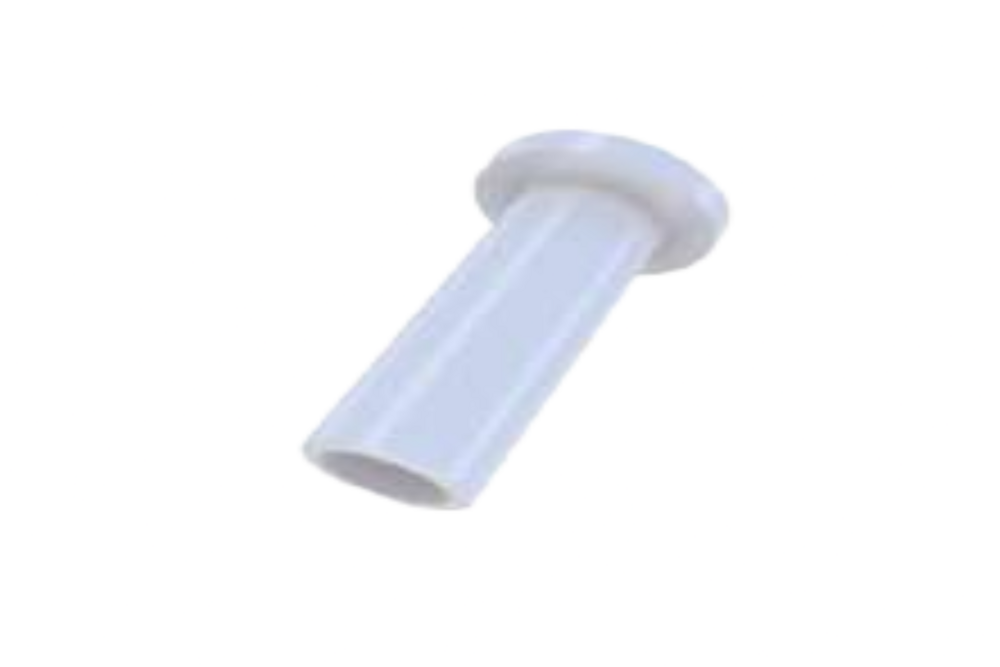
Fluoroplastic Partial Prosthesis ( PORP )
Price 1250 INR / Piece
Minimum Order Quantity : 10 Pieces
Material : Other, Fluoroplastic (Polymethylpentene, PMP)
Use : Partial Ossicular Reconstruction (PORP) in Ear Surgery
Condition : New
Color : White (Opaque)
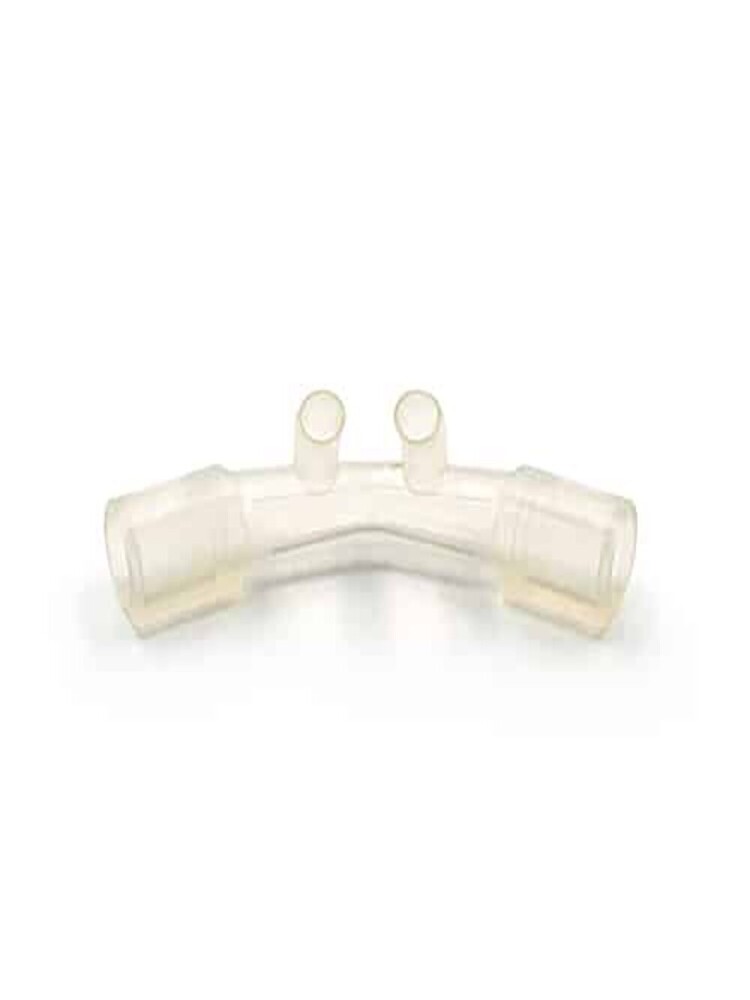
NASAL PRONG SILICONE
Price 1950 INR / Piece
Minimum Order Quantity : 10 Pieces
Material : Other, Medical Grade Silicone
Use : Oxygen Delivery in Neonatal Care, Pediatrics, and Adults
Condition : New
Color : Transparent or Clear
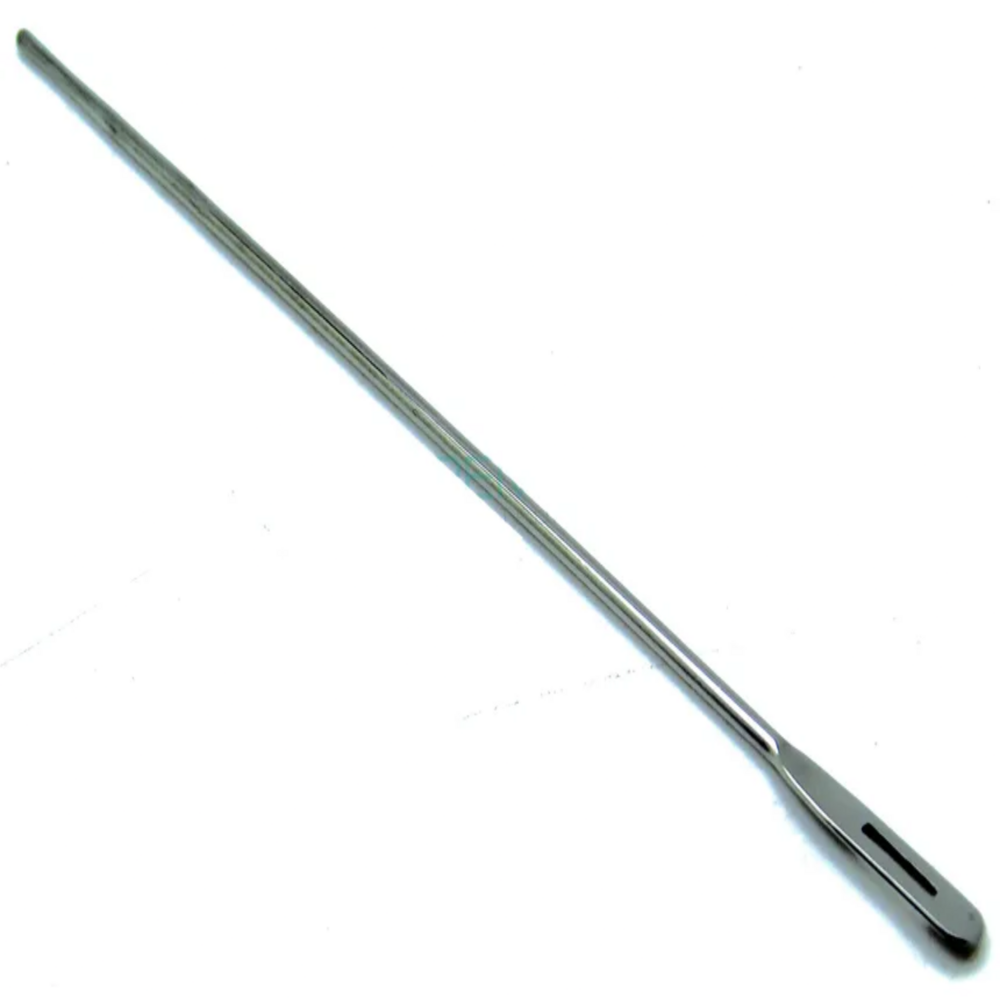
PROBE WITH EYE
Price 1500 INR / Piece
Minimum Order Quantity : 10 Pieces
Material : Other, Stainless Steel
Use : Medical / Laboratory / Industrial Inspection
Condition : New
Color : Silver

Mark Enterprises
GST : 09CGDPG2368E1ZJ
GST : 09CGDPG2368E1ZJ
56/A, Gali No-3, Jai Bharat Enclave, Sahibabad, Lajpat Nagar,Ghaziabad - 201005, Uttar Pradesh, India
Phone :08045813058

 Send Inquiry
- Breathing Circuit and Accessories
- Airway Management
- Intubation Devices And Accessories
- Tracheostomy Tube
- Endotracheal Tube
- Anaesthesia Face Mask
- CPAP And BIPAP Mask And Accessories
- HMES And HMFS Breathing Filter
- Oxygen And Nebulization Therapy Products
- Neonatal Care Products
- Gel Positioner
- Medical Grade CSSD Products
- Catheter Kit
- Suction Tube
- Besmed NICU Care Products
- Surgical Gown
- Nasal Cannula
- Urology Products
- Infusion Pump
- Prone Head Positioner With Mirror
- Cautery Pencil
- Pulse Oximeter
- Nebulizer Machine
- Foley Catheter
- Oxygen Flow Meter
- Strile Spiral Extension Line
- Yankauer Suction Set
- CPAP System
- AIRWAY TUBE
- AMBU BEG
 Send Inquiry
 Send SMS
 Call Me Free
Mark Enterprises
All Rights Reserved.(Terms of Use)
Developed and Managed by Infocom Network Private Limited.
Developed and Managed by Infocom Network Private Limited.

