

Call us now
08045813058
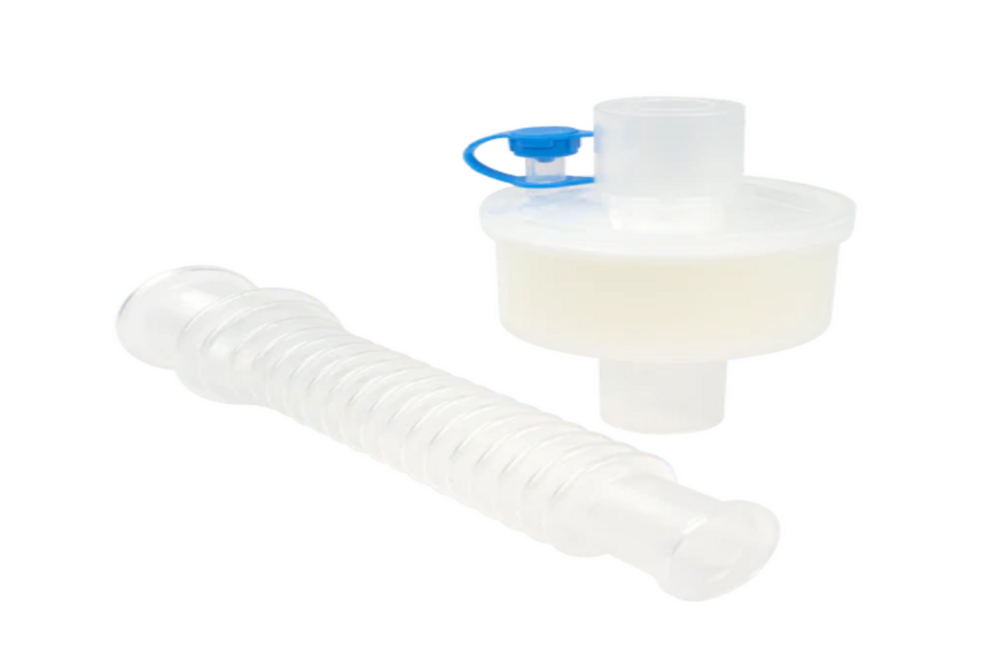
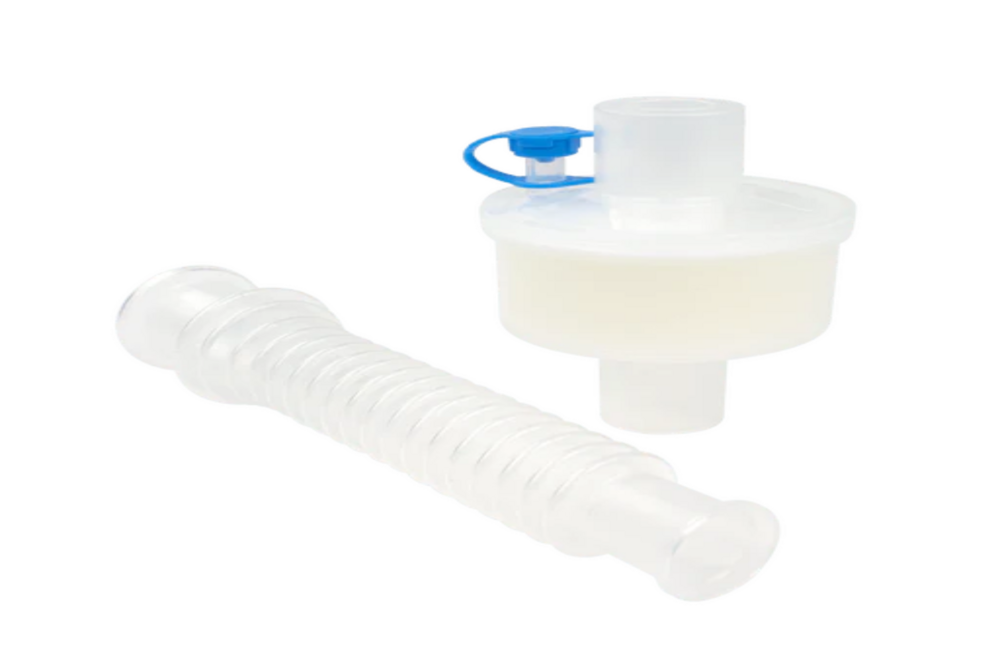
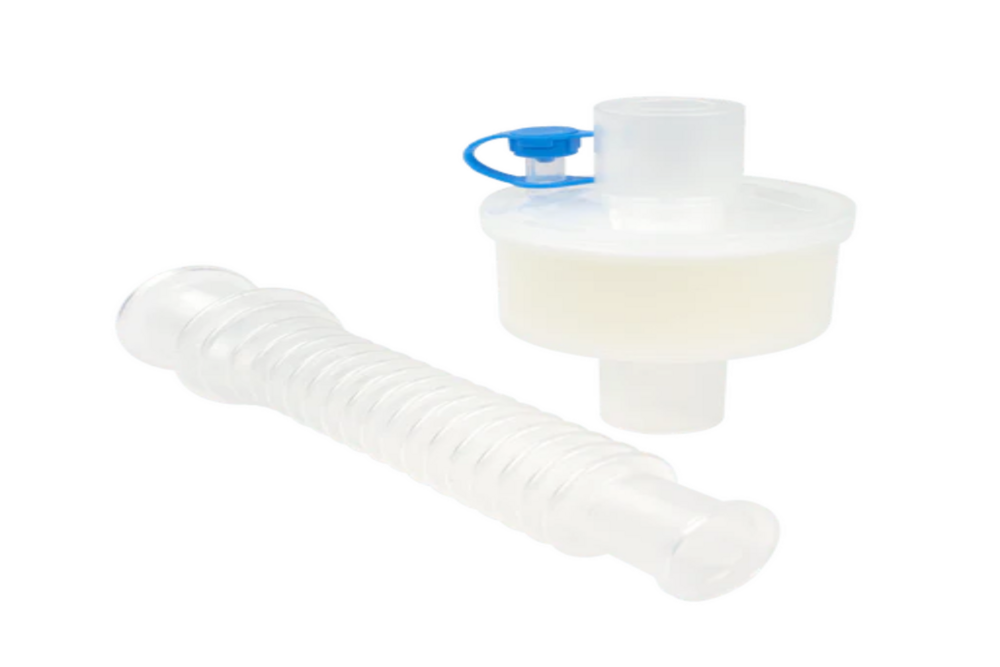
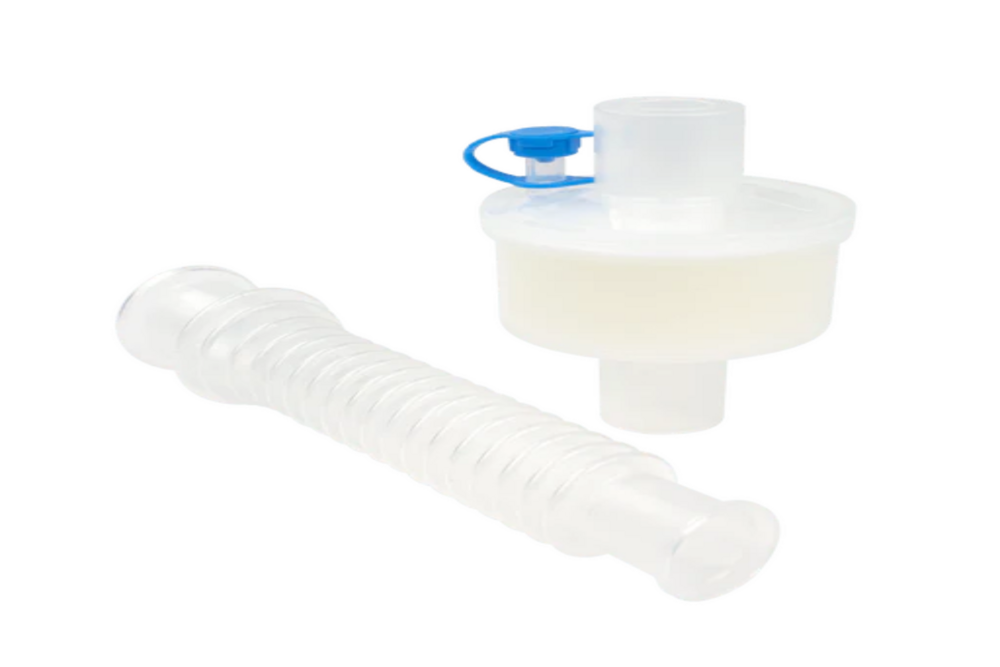
Heat Moisture Exchanger

Heat Moisture Exchanger Specification
- Shelf Life
- 3 Years
- Storage Instructions
- Store in a cool, dry place
- Features
- Bacterial and viral filtration, high moisture output, lightweight, low resistance
- Accuracy
- Up to 99.99% filtration efficiency
- Usage Type
- Single Use
- Function
- Humidifies and warms inhaled air, filters bacteria and viruses
- Instruments Type
- Respiratory Accessories
- Equipment Type
- Heat Moisture Exchanger
- Material
- Medical Grade Plastic
- Condition
- New
- Technology
- Passive Humidification
- Portable
- Yes
- Wall Mounted
- No
- Real-Time Operation
- Yes
- Noise Level
- Silent
- Operating Type
- Manual
- Use
- Respiratory Care
- Power Source
- None (Non-electrical)
- Power Consumption
- Zero
- Dimension (L*W*H)
- Approximately 57 mm x 38 mm x 24 mm
- Weight
- Approx. 12 grams
- Color
- Transparent with blue filter
- Dead Space Volume
- Approximately 30 ml
- Maximum Flow Rate
- Up to 60 L/min
- Connection Type
- 22M/15F and 15M/22F ISO compliant
- Application
- Ventilator circuits, anesthesia, ICU and critical care
- Latex Content
- Latex Free
- Resistance at 30 L/min
- 2.0 cmH2O
- Sterility
- Sterile, gamma irradiated
- Packaging
- Individually packed
- Filtration Efficiency
- 99.99% for bacteria, 99.99% for viruses
About Heat Moisture Exchanger
Heat and moisture exchangers (HME) are devices used in mechanically ventilated patients intended to help prevent complications due to "drying of the respiratory mucosa, such as mucus plugging and endotracheal tube (ETT) occlusion."[1] HMEs are one type of commercial humidification system, which also include non-heated-wire humidifiers and heated-wire humidifiers.[1Advanced Filtration and Safety
This HME provides remarkable filtration, blocking 99.99% of bacteria and viruses, thereby minimizing infection risks in critical care environments. Its gamma-irradiated sterile construction guarantees safe, hygienic use in sensitive hospital settings. Latex-free and single-use, it caters to a wide range of patient needs without the risk of allergic reactions.
Optimized Patient Comfort
Built for high moisture output and low breathing resistance (2.0 cmH2O at 30 L/min), this product ensures patients receive adequate humidified and warmed air, which is vital for respiratory health during ventilatory support. Its silent, lightweight, and non-electrical nature makes it non-intrusive for both adults and pediatric patients.
Ease of Use and Versatility
Equipped with ISO-compliant connections (22M/15F and 15M/22F), this HME fits seamlessly with standard ventilator and anesthesia circuits. The portable, transparent design with a blue filter allows for quick visual inspection and effortless installation. Individually packed for convenience, it's ready for immediate use in fast-paced critical care scenarios.
FAQ's of Heat Moisture Exchanger:
Q: How does the heat moisture exchanger function within a ventilator circuit?
A: The heat moisture exchanger passively humidifies and warms inhaled air by capturing the patient's exhaled moisture and heat, then transferring them back during the next inhalation. It also filters bacteria and viruses, ensuring that only clean, humidified air reaches the patient.Q: What are the benefits of using this HME for respiratory care?
A: This HME provides high bacterial and viral filtration efficiency (99.99%), effective humidification, silent operation, and low breathing resistance. These features minimize infection risk and improve patient respiratory comfort during mechanical ventilation.Q: When should this heat moisture exchanger be replaced?
A: The HME is designed for single-use only and should be replaced after each patient or when visibly soiled, in accordance with hospital protocols, to maintain sterility and optimal performance.Q: Where is this product typically used in healthcare settings?
A: This HME is commonly used in ventilator circuits, anesthesia procedures, intensive care units (ICU), and other critical care environments where precise humidification and filtration are essential for patient safety.Q: What is the installation process for this HME device?
A: To install, simply connect the HME to the breathing circuit using the ISO-compliant 22M/15F or 15M/22F connector. Ensure the transparent body and blue filter are securely in place. No tools or electrical power are required for operation.Q: What are the storage and handling instructions for this product?
A: Store the HME in a cool, dry place, avoiding direct sunlight and moisture. Each unit is individually packed to maintain sterility until the point of use; do not use if the packaging is damaged. Get Latest Price
Tell us about your requirement

Price:
Quantity
Select Unit
- 50
- 100
- 200
- 250
- 500
- 1000+
Additional detail
Mobile number
Email

More Products in Intubation Devices And Accessories Category
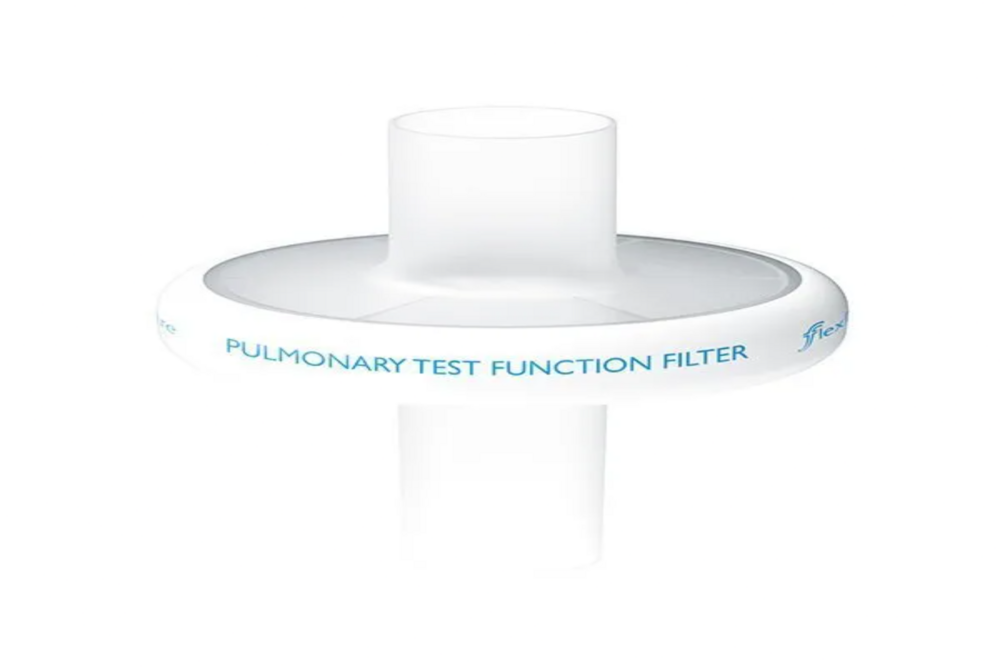
LUNG FUNCTION FILTER
Price 1550 INR / Piece
Minimum Order Quantity : 10 Pieces
Use : Pulmonary Function Testing
Operating Type : Manual
Dimension (L*W*H) : 65 mm x 35 mm x 25 mm
Portable : Yes
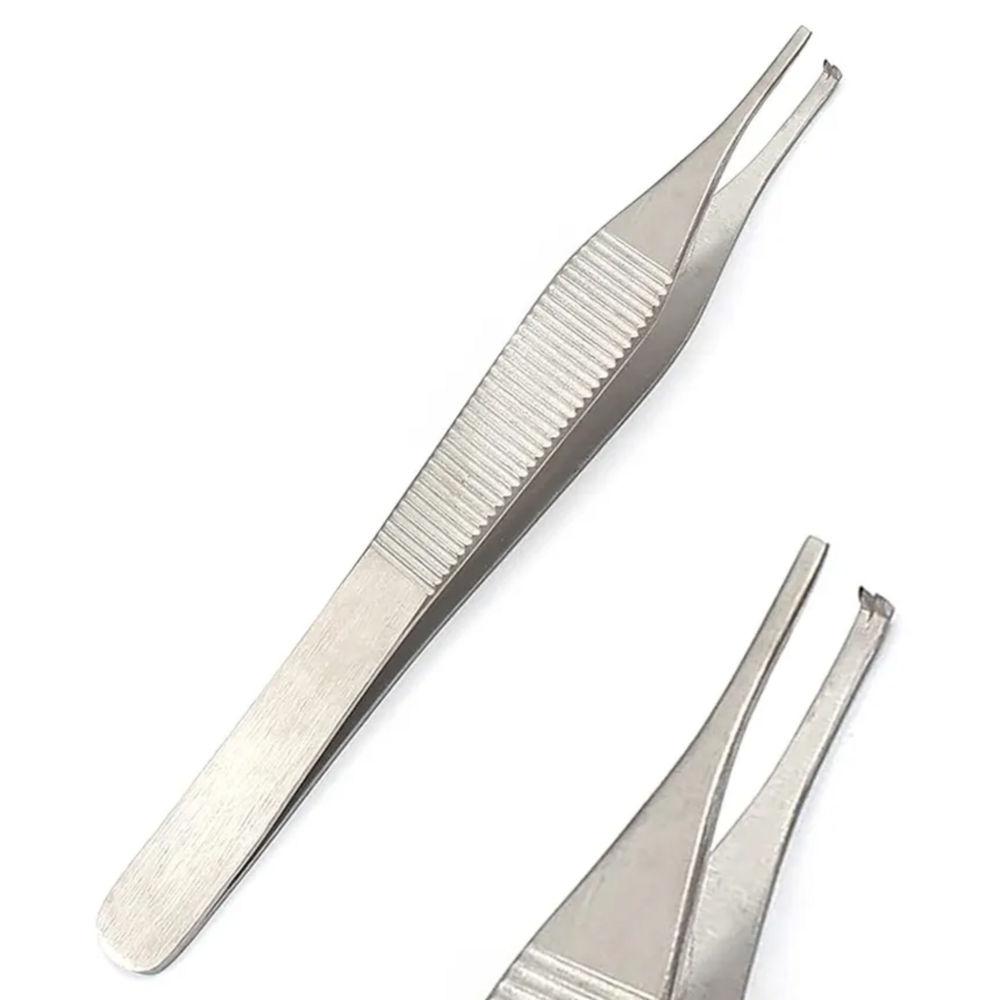
DISSECTING FORCEPS POINTED BLUNT TOOTH
Price 1220 INR / Piece
Minimum Order Quantity : 10 Pieces
Use : Dissection, Grasping tissues
Operating Type : Other, Hand Operated
Dimension (L*W*H) : Approx. 1416 cm (length)
Portable : Yes
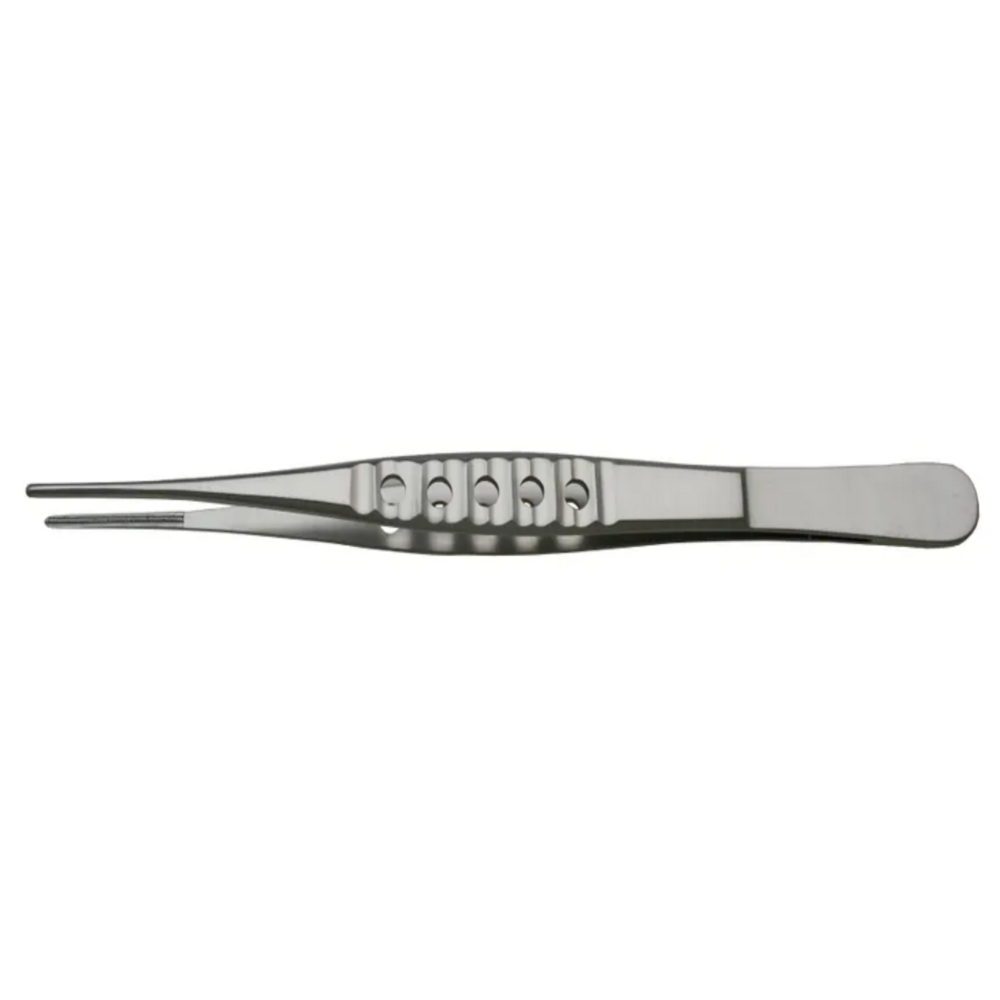
DEBAKEY FORCEPS INSTRUMENT
Price 1450 INR / Piece
Minimum Order Quantity : 10 Pieces
Use : Vascular and General Surgery
Operating Type : Other, Handheld
Dimension (L*W*H) : Standard Sizes (6, 8, 10)
Portable : Yes
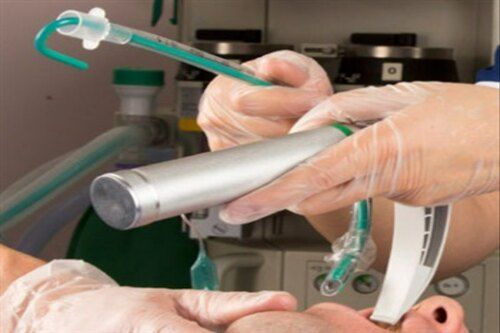
Intersurgical Interform Intubating Stylet
Price 350 INR / Piece
Minimum Order Quantity : 10 Pieces
Use : Assisting Tracheal Intubation
Operating Type : Manual
Dimension (L*W*H) : Approx. 14 inches (35 cm) Length
Portable : Yes

Mark Enterprises
GST : 09CGDPG2368E1ZJ
GST : 09CGDPG2368E1ZJ
56/A, Gali No-3, Jai Bharat Enclave, Sahibabad, Lajpat Nagar,Ghaziabad - 201005, Uttar Pradesh, India
Phone :08045813058

 Send Inquiry
- Breathing Circuit and Accessories
- Airway Management
- Intubation Devices And Accessories
- Tracheostomy Tube
- Endotracheal Tube
- Anaesthesia Face Mask
- CPAP And BIPAP Mask And Accessories
- HMES And HMFS Breathing Filter
- Oxygen And Nebulization Therapy Products
- Neonatal Care Products
- Gel Positioner
- Medical Grade CSSD Products
- Catheter Kit
- Suction Tube
- Besmed NICU Care Products
- Surgical Gown
- Nasal Cannula
- Urology Products
- Infusion Pump
- Prone Head Positioner With Mirror
- Cautery Pencil
- Pulse Oximeter
- Nebulizer Machine
- Foley Catheter
- Oxygen Flow Meter
- Strile Spiral Extension Line
- Yankauer Suction Set
- CPAP System
- AIRWAY TUBE
- AMBU BEG
 Send Inquiry
 Send SMS
Mark Enterprises
All Rights Reserved.(Terms of Use)
Developed and Managed by Infocom Network Private Limited.
Developed and Managed by Infocom Network Private Limited.

