

Call us now
08045813058
REDIATION PROTECTION APRON
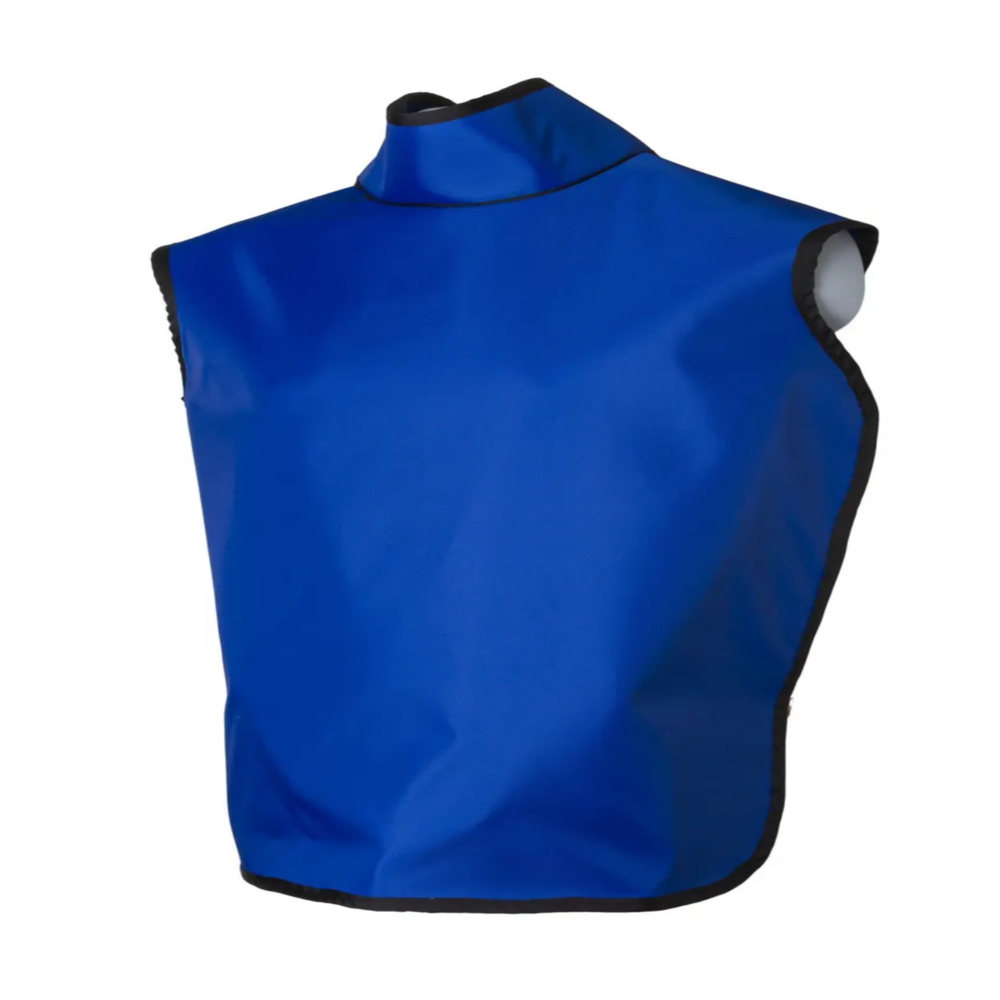
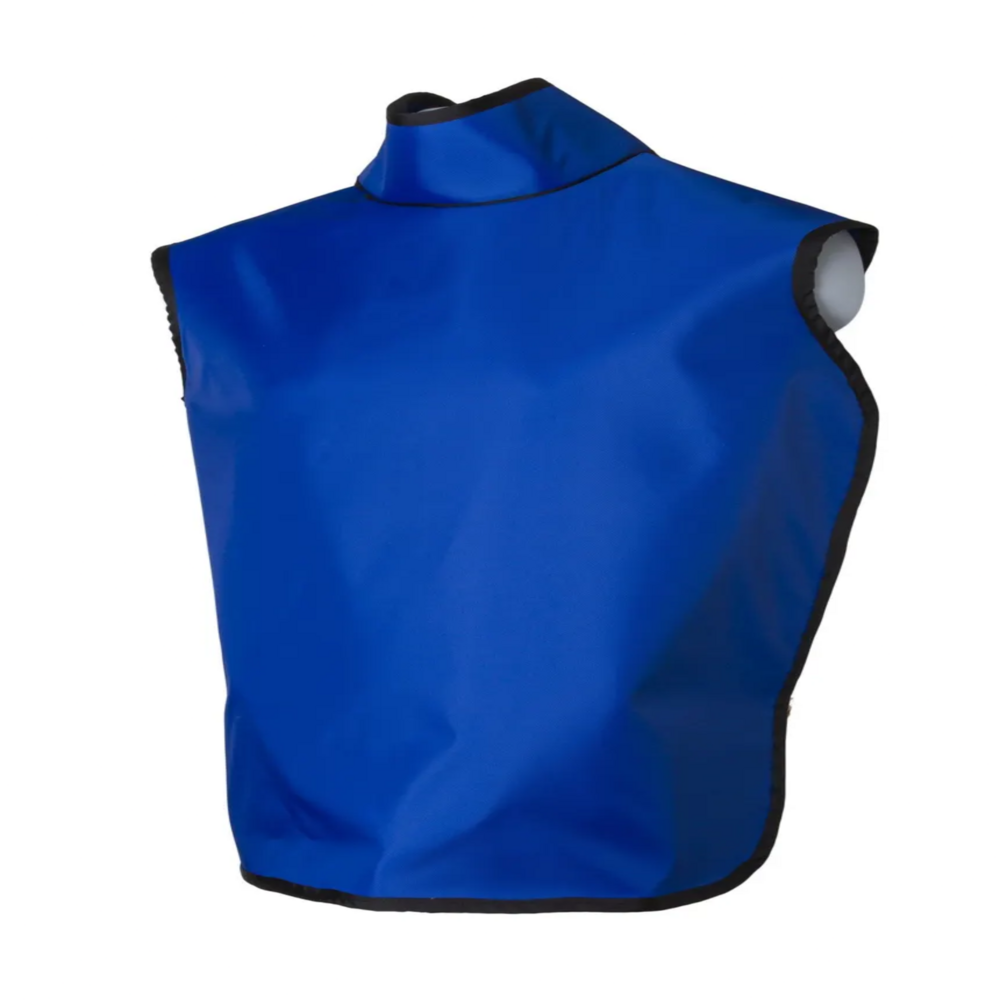
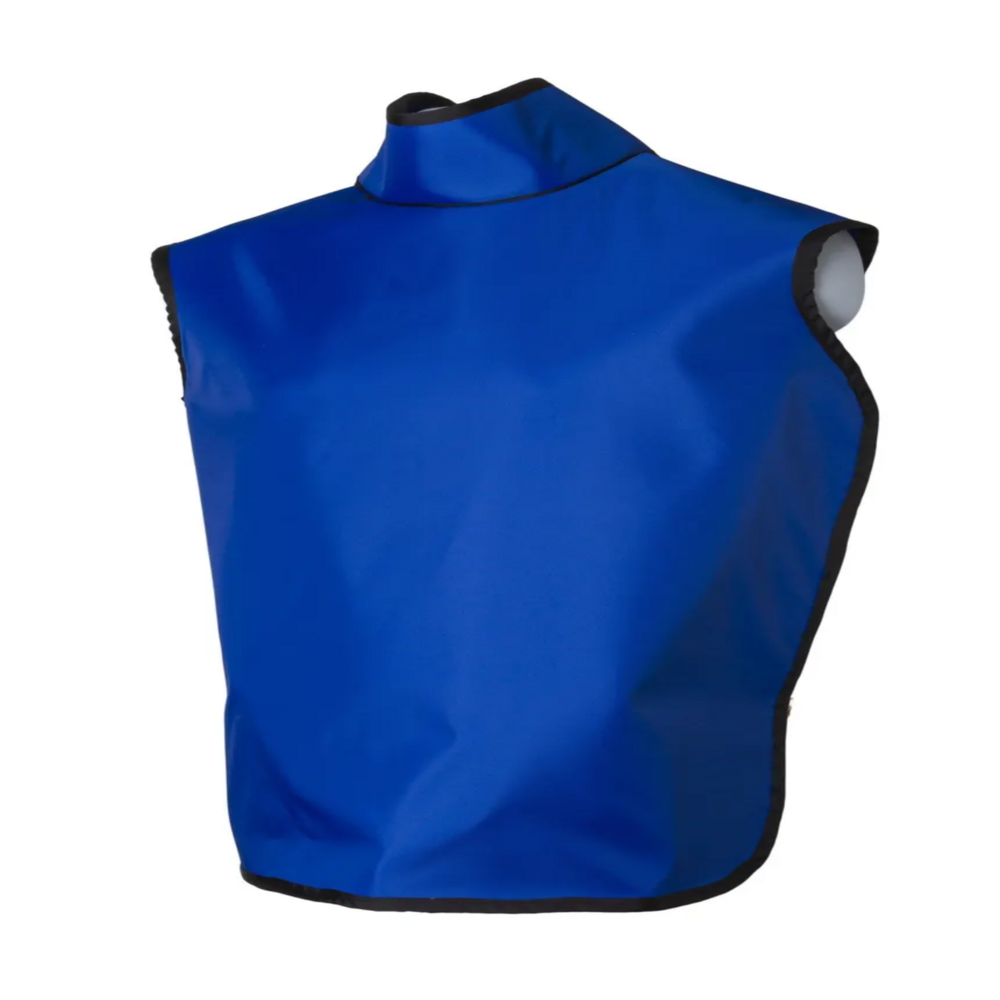
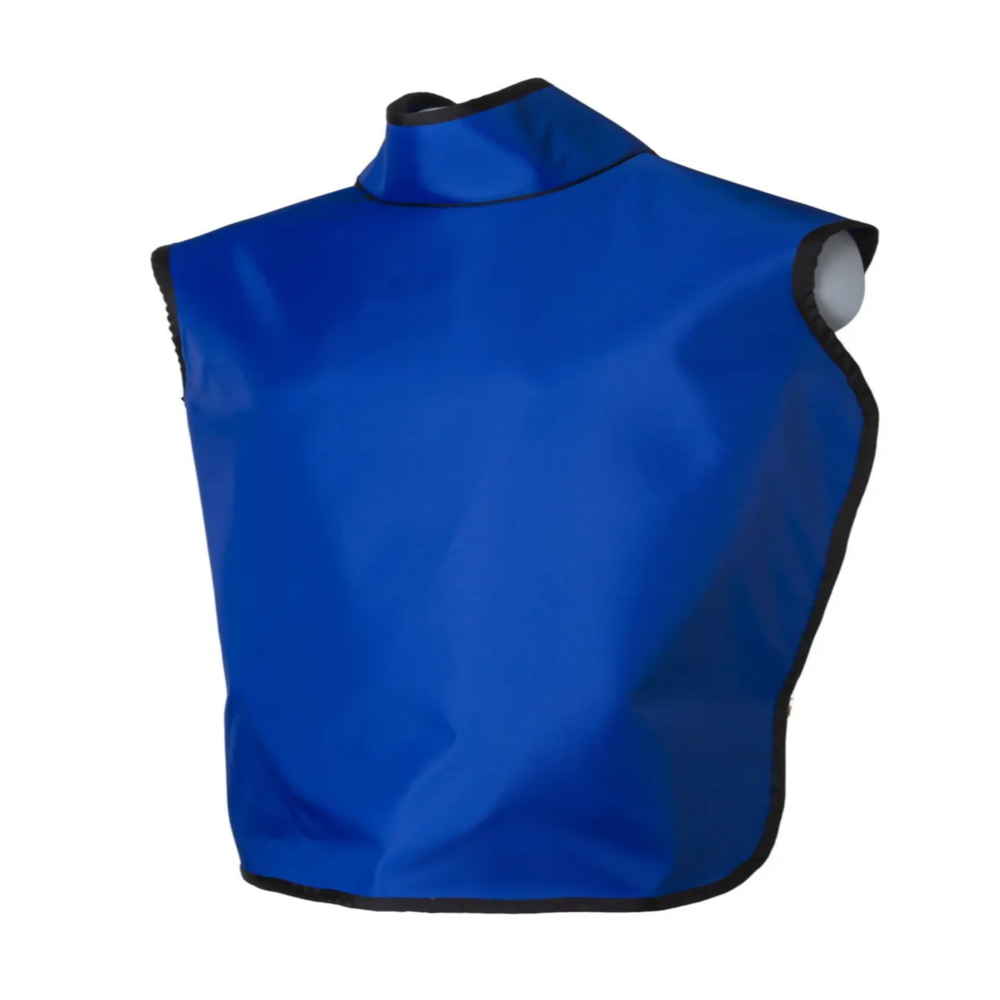

REDIATION PROTECTION APRON Specification
- Usage Type
- Medical, Industrial, Radiological
- Shelf Life
- Generally 5 years
- Storage Instructions
- Store flat or hang to avoid creasing, keep away from moisture and direct sunlight
- Instruments Type
- Personal Protective Equipment
- Features
- Adjustable straps, high flexibility, durable, lightweight design
- Function
- Personal protection against radiation
- Equipment Type
- Radiation Protection Apron
- Material
- Lead Equivalent Rubber/Vinyl
- Condition
- New
- Technology
- Radiation Shielding
- Portable
- Yes
- Wall Mounted
- No
- Noise Level
- Silent
- Operating Type
- Manual
- Use
- Used for protecting body from radiation exposure
- Dimension (L*W*H)
- Standard and custom sizes available
- Weight
- Approx. 4-7 kg depending on size and Pb equivalency
- Color
- Blue (other colors available on request)
- Temperature Tolerance
- -10°C to 45°C
- Closure Type
- Velcro or hook & loop
- Easy Cleaning
- Surface washable with mild detergent
- Lead Equivalency
- 0.25 mm, 0.35 mm, 0.5 mm Pb or as required
- User
- Doctors, Technicians, Radiographers
- Compliance Standard
- CE Marked, ISO Certified
About REDIATION PROTECTION APRON
Radiation Protection ApronRadiation protection aprons are essential garments designed to shield medical personnel and patients from unnecessary x-ray radiation exposure during diagnostic radiology procedures. These aprons come in various styles and materials, including lead, lead composite, and non-lead options, each offering different levels of protection and comfort.
Types of Radiation Protection Aprons- Regular Lead Aprons: Contain 100% lead and provide complete protection at 80 kVp. They range between 10 and 25 pounds, depending on size and style.
- Lightweight Lead Aprons: Use a mixture of lead and other lighter weight metals, making them about 25% lighter than regular lead aprons. They typically weigh between 7 and 20 pounds.
- Non-Lead Aprons: Use 100% non-lead attenuating metals to provide complete protection. These aprons are the lightest, typically weighing between 5 and 17 pounds.
- Proper Use: Lead aprons should be worn in the fluoroscopy room by each person, except the patient, whose body is likely to be exposed to 5 mR/hr or more.
- Inspection: Personnel should visually inspect these devices for obvious signs of damage such as tears or sagging of lead before each use.
- Storage: Lead aprons should be kept flat or on hangers in properly designed racks to prevent defects such as internal cracks and tears.
- Lead Aprons: A 0.5 mm lead apron has been shown to attenuate over 99% of the radiation dose.
- Study Findings: A study found that 0.5 mm lead aprons blocked just over one third of the radiation scattered towards the surgeon, indicating that reducing radiation use (e.g., by using robotic guidance) is a more effective strategy for minimizing exposure.
- AliMed: Offers a wide range of lead aprons for radiation protection.
- INFAB: Provides high-quality radiation protection aprons, thyroid collars, glasses, gloves, mobile barriers, and more.
- Universal Medical Inc.: Carries a full line of X-ray lead aprons, including regular lead, lead composite, and non-lead options.
These aprons are crucial for ensuring safety and comfort during medical procedures involving radiation exposure.
Exceptional Radiation Shielding
Our apron is built to protect users from various levels of ionizing radiation, with customizable lead equivalency options to meet diverse clinical and industrial requirements. The advanced material ensures durability and flexibility without sacrificing user comfort. Ideal for doctors, technicians, and radiographers working in settings with X-ray or gamma radiation.
Certified Quality and Safety
Compliant with CE and ISO certification standards, these aprons guarantee consistent safety and performance. Each unit undergoes rigorous testing to meet international quality benchmarks, making it dependable personal protective equipment for medical facilities, laboratories, and industrial sites.
User-Friendly Maintenance and Storage
Engineered for practicality, the apron is surface-washable with mild detergent and easy to care for. Lightweight and portable, it can be stored flat or hung to prevent creasing. Proper storage away from moisture and sunlight preserves its protective capabilities and extends its shelf life.
FAQ's of REDIATION PROTECTION APRON:
Q: How do I choose the appropriate lead equivalency for my radiation protection apron?
A: Select the lead equivalency (0.25 mm, 0.35 mm, or 0.5 mm Pb) based on the level of radiation you are exposed to and specific safety regulations at your workplace. Higher Pb equivalency offers increased protection but is slightly heavier, so consider your typical exposure and comfort.Q: What is the correct process for cleaning and maintaining the apron?
A: Simply clean the apron's surface using a mild detergent and a soft cloth. Do not machine wash, submerge, or use harsh chemicals. For storage, keep the apron flat or hang it to avoid creasing and always store away from direct sunlight and moisture to maintain its effectiveness.Q: When should a radiation protection apron be replaced or inspected?
A: For optimal protection, it's advisable to inspect the apron regularly for cracks or wear, especially in high-stress areas. The usual shelf life is about 5 years, but replacement may be necessary sooner if any damage or compromising marks are noticed.Q: Where is this radiation protection apron typically used?
A: This apron is widely used in medical facilities, radiology departments, dental clinics, industrial sites where radiologic procedures occur, and laboratories. It provides personal protection for professionals who work near X-ray or gamma ray sources.Q: What are the advantages of using a Velcro or hook & loop closure type?
A: Velcro or hook & loop closures allow for easy donning and doffing of the apron, adjustable fit, and secure fastening. These closures enhance user comfort and ensure that the apron fits closely to your body for maximum protection.Q: Can the apron be customized for different sizes or colors?
A: Yes, the apron is available in standard and custom sizes to ensure a proper fit for all body types. While blue is the standard color, other color options can be supplied upon request to meet institutional preferences.Q: What benefits does the lightweight, flexible design offer to users?
A: A lightweight and flexible design reduces fatigue, especially during extended procedures. Adjustable straps and ergonomic construction foster mobility and comfort, enabling users to remain protected without hindrance. Get Latest Price
Tell us about your requirement

Price:
Quantity
Select Unit
- 50
- 100
- 200
- 250
- 500
- 1000+
Additional detail
Mobile number
Email

More Products in Intubation Devices And Accessories Category
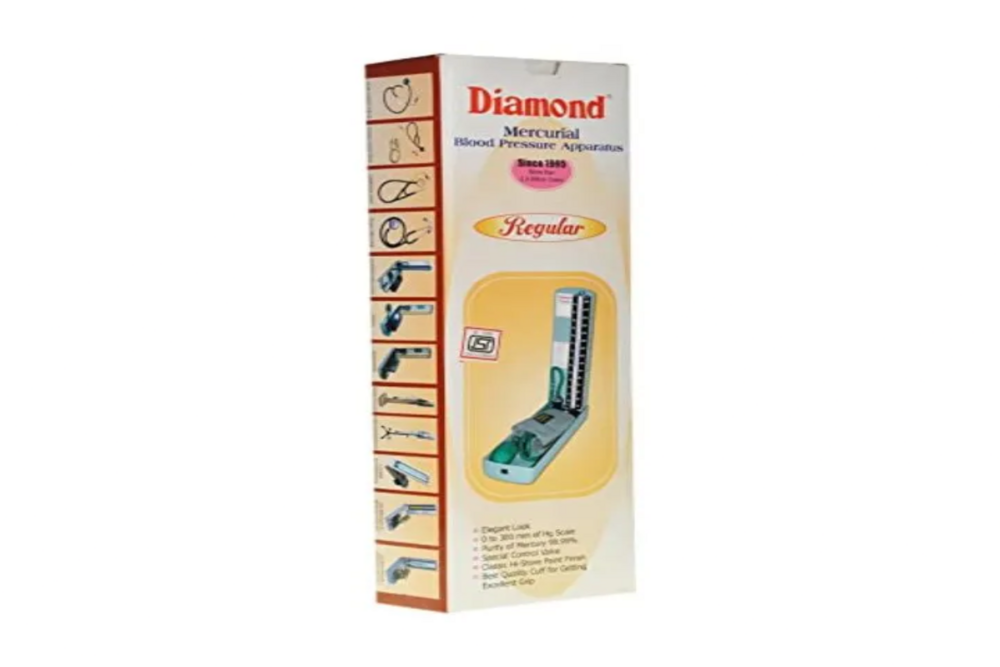
DIAMOND MARCURIAL BLOOD PRESSURE APPEARANCE
Price 1250 INR / Piece
Minimum Order Quantity : 10 Pieces
Function : NonInvasive Blood Pressure Measurement
Features : Mercury Column, EasytoRead Scale, Accurate Measurement
Color : Grey Body, Black Cuff
Instruments Type : Sphygmomanometer
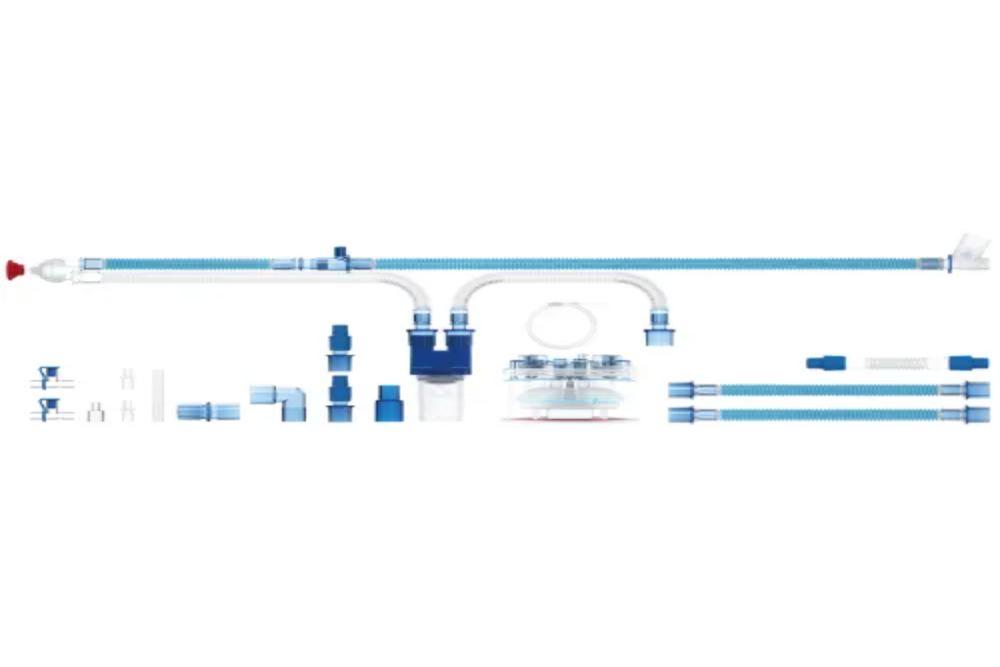
NEONATAL HEATED WIRE VENTILATOR BREATHING SYSTEM
Price 1550 INR / Piece
Minimum Order Quantity : 10 Pieces
Function : Humidifies and heats respiratory gas for neonates
Features : Integrated Heated Wire, Anticondensation, Sterile, Lightweight, Flexible Connectors
Color : Clear/Transparent/Blue (as shown)
Instruments Type : Ventilator Breathing Circuit Accessory
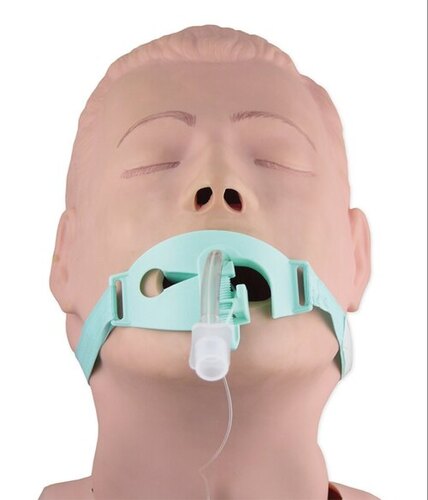
Adult ET Tube Holder
Price 120 INR / Piece
Minimum Order Quantity : 10 Pieces
Function : Prevents accidental extubation and tube movement
Features : Hypoallergenic foam, adjustable strap, nonslip design
Color : Blue/White
Instruments Type : Medical airway accessory
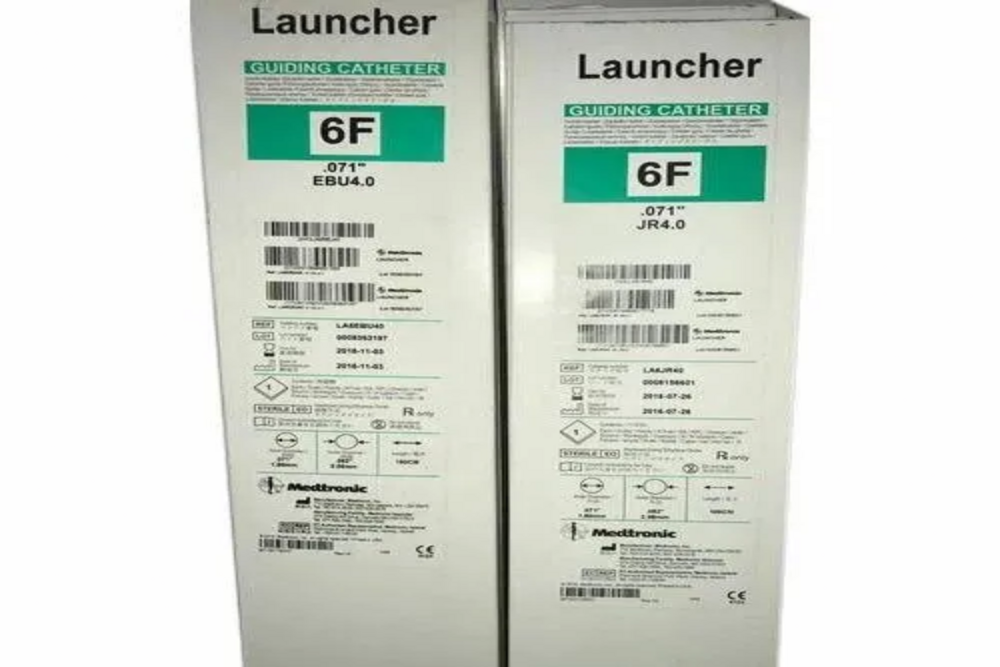
MEDTRONIC LAUCHER GUIDING CATHETER
Price 1950 INR / Piece
Minimum Order Quantity : 10 Pieces
Function : Provides a stable pathway for interventional devices
Features : Large inner lumen, excellent torque control, soft tip, radiopaque marker
Color : Transparent with colored coded hubs
Instruments Type : Medical Catheter

Mark Enterprises
GST : 09CGDPG2368E1ZJ
GST : 09CGDPG2368E1ZJ
56/A, Gali No-3, Jai Bharat Enclave, Sahibabad, Lajpat Nagar,Ghaziabad - 201005, Uttar Pradesh, India
Phone :08045813058

 Send Inquiry
- Breathing Circuit and Accessories
- Airway Management
- Intubation Devices And Accessories
- Tracheostomy Tube
- Endotracheal Tube
- Anaesthesia Face Mask
- CPAP And BIPAP Mask And Accessories
- HMES And HMFS Breathing Filter
- Oxygen And Nebulization Therapy Products
- Neonatal Care Products
- Gel Positioner
- Medical Grade CSSD Products
- Catheter Kit
- Suction Tube
- Besmed NICU Care Products
- Surgical Gown
- Nasal Cannula
- Urology Products
- Infusion Pump
- Prone Head Positioner With Mirror
- Cautery Pencil
- Pulse Oximeter
- Nebulizer Machine
- Foley Catheter
- Oxygen Flow Meter
- Strile Spiral Extension Line
- Yankauer Suction Set
- CPAP System
- AIRWAY TUBE
- AMBU BEG
 Send Inquiry
 Send SMS
Mark Enterprises
All Rights Reserved.(Terms of Use)
Developed and Managed by Infocom Network Private Limited.
Developed and Managed by Infocom Network Private Limited.

