

Call us now
08045813058
Fluoroplastic Offset Partial Prosthesis ( PORP )
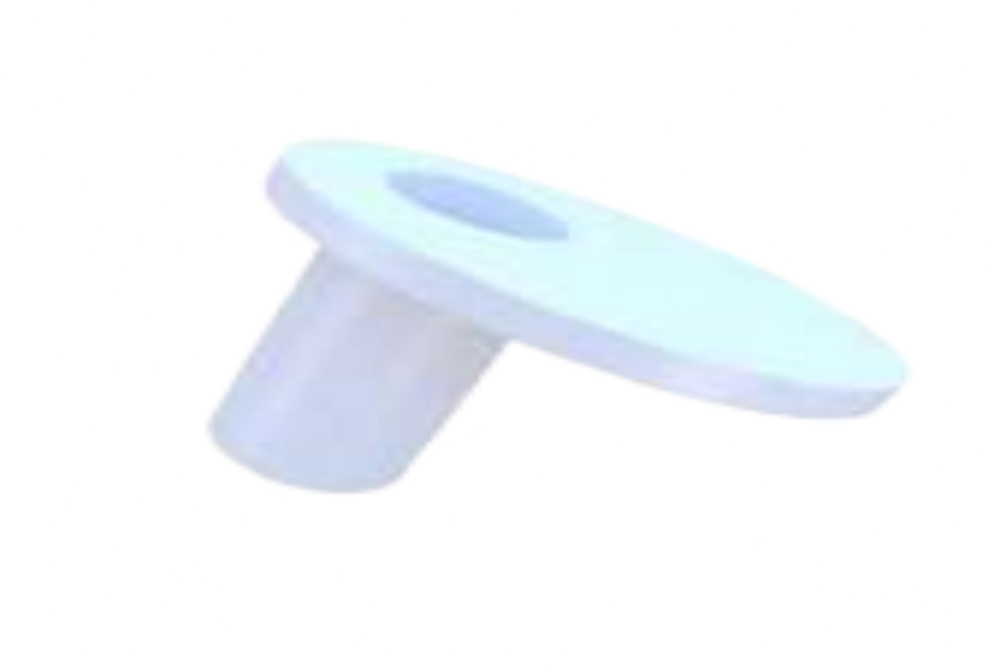
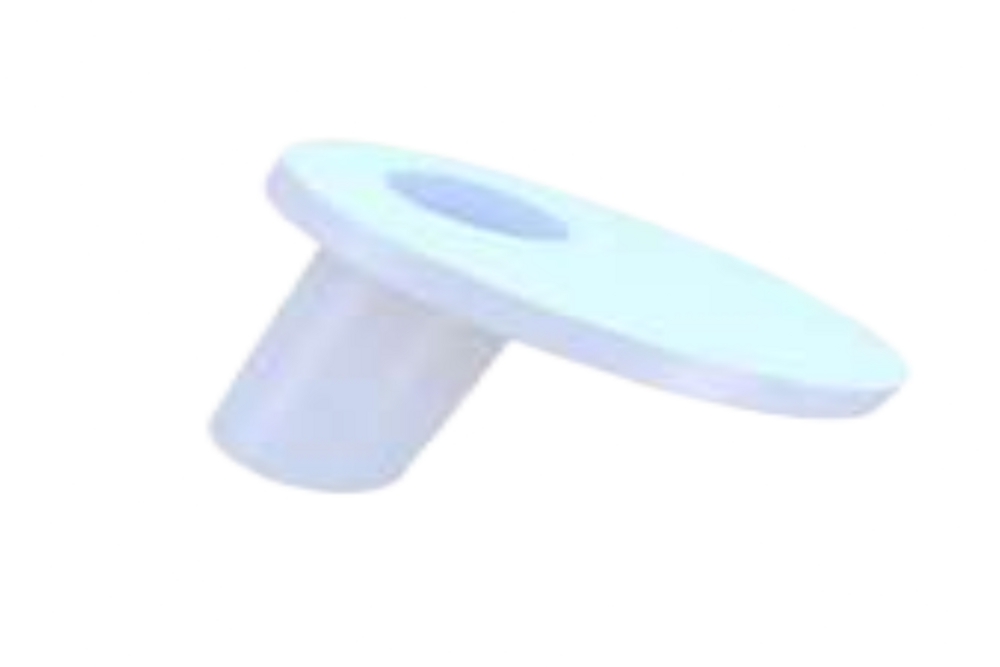
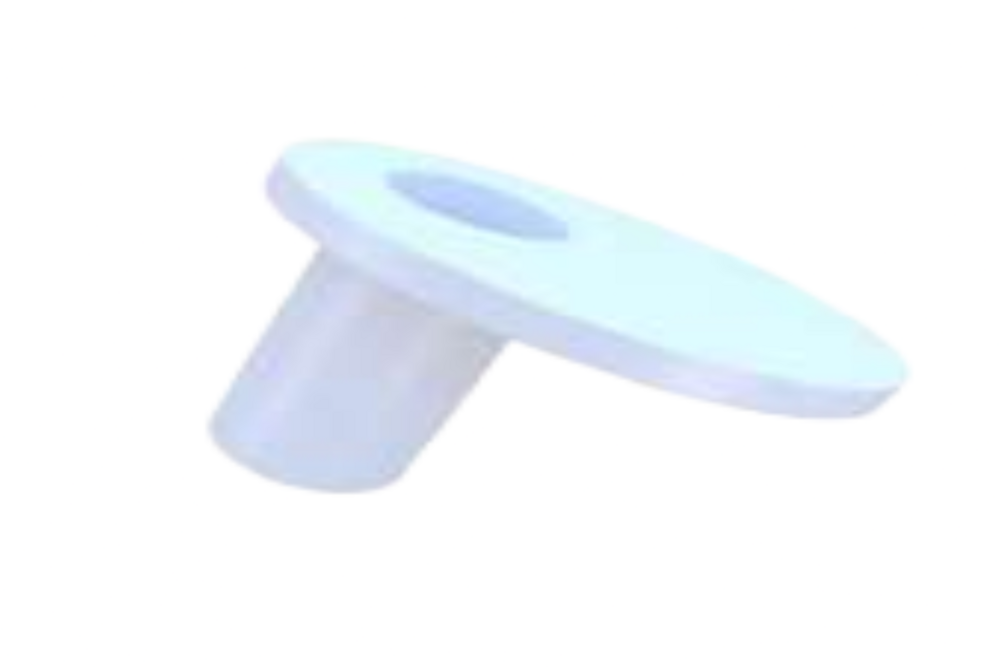

Fluoroplastic Offset Partial Prosthesis ( PORP ) Specification
- Instruments Type
- ENT surgical prosthesis
- Measurement Range
- Available in various sizes for patient fit
- Accuracy
- High anatomical precision
- Function
- Restores sound conduction pathway in the middle ear
- Storage Instructions
- Store in a cool, dry place; keep sterile until use
- Features
- Biocompatible, radiolucent, non-corrosive, high tissue tolerance
- Shelf Life
- 5 years in original packaging
- Usage Type
- Single-use
- Equipment Type
- Fluoroplastic Offset Partial Prosthesis (PORP)
- Material
- Medical grade fluoroplastic (PTFE)
- Condition
- New and sterile
- Technology
- Microsurgical implant fabrication
- Portable
- Yes
- Wall Mounted
- No
- Real-Time Operation
- Yes, supports real-time adjustment during surgery
- Noise Level
- Silent
- Operating Type
- Manual placement by ENT surgeon
- Use
- Ear surgery; reconstruction of ossicular chain
- Dimension (L*W*H)
- Varies; typically 4-8 mm length, precise as per patient anatomy
- Weight
- Lightweight; less than 0.5 grams
- Color
- White/translucent
- Shape
- Offset design for anatomical conformity
- Packaging
- Individually packed and sealed
- Implantation Site
- Middle ear (between tympanic membrane and stapes footplate)
- Latex Content
- Latex free
- Intended User
- Otolaryngologists, ENT surgeons
- MRI Compatibility
- MRI safe and non-magnetic
- Customizability
- Can be trimmed intraoperatively for best fit
- Compatibility
- Suitable for use with partial ossicular replacement procedures
- Sterilization Method
- Gamma irradiation or EtO sterilized
About Fluoroplastic Offset Partial Prosthesis ( PORP )
In what cases and at what time is middle ear surgery indicated?Complete deafness is rare in microtia because the inner ear, or neurosensory apparatus, is normal. Children have normal speech and adapt well without middle ear surgery. Middle ear surgery is generally reserved for bilateral microtia patients and is done after auricular reconstruction. In selected cases middle ear reconstruction can be performed in patients with unilateral microtia but should be planned following completion of the external reconstruction to avoid further complicating these procedures.
Anatomical Precision and Customizability
This fluoroplastic PORP is engineered with an offset shape, enabling optimal anatomical conformity within the middle ear. Its trimmable design allows ENT surgeons to accurately adapt the prosthesis during implantation, ensuring a comfortable and effective fit for diverse patient anatomies, thereby enhancing surgical outcomes.
Superior Material and Safety Standards
Constructed from medical-grade PTFE, the PORP demonstrates excellent biocompatibility, high tissue tolerance, and resistance to corrosion. Gamma or EtO sterilization and latex-free composition minimize risk of infection and allergic response, while individual packaging maintains sterility until the time of use.
Optimal Performance and Compatibility
The prosthesis supports real-time adjustments during surgery and is non-magnetic, making it MRI safe. Its versatile sizing accommodates a range of patient needs. Designed for ease of use and manual placement, the device aids in reliable restoration of auditory function, benefiting both patients and surgeons.
FAQ's of Fluoroplastic Offset Partial Prosthesis ( PORP ):
Q: What is the primary use of the Fluoroplastic Offset Partial Prosthesis (PORP)?
A: The main function of the PORP is to reconstruct the ossicular chain in the middle ear, restoring the sound conduction pathway in patients undergoing partial ossicular replacement procedures during ear surgery.Q: How do surgeons ensure the PORP fits the patient's anatomy?
A: The PORP features an offset, trimmable design, allowing surgeons to shape the prosthesis intraoperatively for the best anatomical match. This ensures precise placement between the tympanic membrane and stapes footplate.Q: What sterilization methods are used for this prosthesis?
A: This prosthesis is sterilized using either gamma irradiation or ethylene oxide (EtO), ensuring it is sterile and safe for implantation upon opening.Q: Is the PORP compatible with MRI scans?
A: Yes, the prosthesis is made from non-magnetic medical-grade fluoroplastic and is deemed MRI safe, so patients with the implant can undergo MRI without concerns.Q: How should the PORP be stored prior to use?
A: Store the prosthesis in its original, sealed individual packaging in a cool, dry place to maintain sterility. Do not open until immediately before surgical use.Q: Who is the intended user of this ear prosthesis?
A: The intended users are otolaryngologists and ENT surgeons specializing in middle-ear reconstructive procedures.Q: What are the main benefits of using this PORP in ear surgery?
A: The PORP offers high anatomical precision, excellent tissue compatibility, real-time surgical adjustability, MRI safety, and reduced infection or allergy risk due to its sterile, non-latex, and corrosion-resistant design. Get Latest Price
Tell us about your requirement

Price:
Quantity
Select Unit
- 50
- 100
- 200
- 250
- 500
- 1000+
Additional detail
Mobile number
Email

More Products in Intubation Devices And Accessories Category
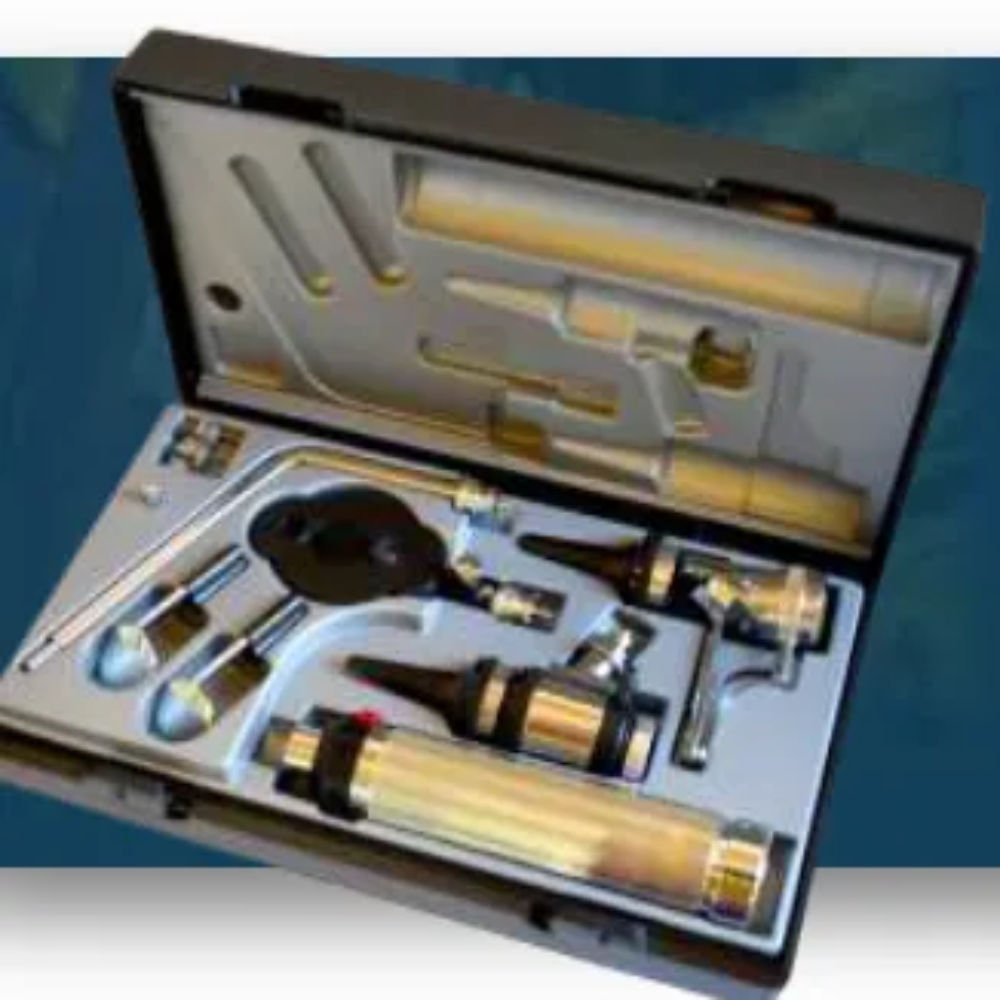
ENT SET
Price 1300 INR / Piece
Minimum Order Quantity : 10 Pieces
Equipment Type : ENT Set
Features : Bright Illumination, Durable Design, Easy Controls
Storage Instructions : Store in Dry Place
Dimension (L*W*H) : 450 x 300 x 120 mm
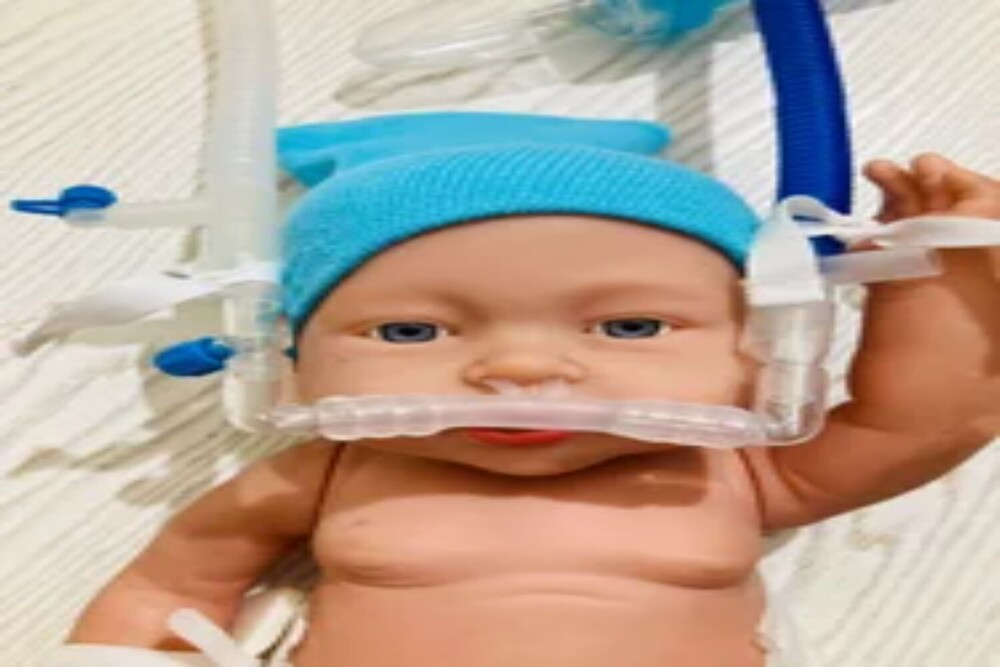
HUDSON TYPE CANNULA WITH BONET
Price 1950 INR / Piece
Minimum Order Quantity : 10 Pieces
Equipment Type : Hudson Type Cannula with Bonet
Features : Soft, flexible tubing; Kink resistant; Smooth curved nasal tips for patient comfort; Star lumen tube to ensure oxygen flow
Storage Instructions : Store in a cool, dry, and dustfree place
Dimension (L*W*H) : Adult/Child Size Available

adjustable cuffed tracheostomy with suction
Price 4800 INR / Piece
Minimum Order Quantity : 10 Pieces
Equipment Type : Adjustable Cuffed Tracheostomy with Suction
Features : Adjustable Neck Flange, Disposable, Cuffed, Integrated Suction Line, Soft Tube, Radiopaque Line, Graduated Markings
Storage Instructions : Store in a Cool, Dry Place, Away from Direct Sunlight
Dimension (L*W*H) : Varies by Size (Common Size ID 6.010.0mm)
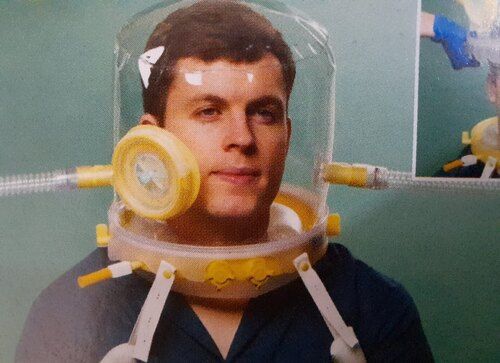
Silicone NIV HELMET
Price 19500 INR / Piece
Minimum Order Quantity : 10 Pieces
Equipment Type : Silicone NIV Helmet
Features : Airtight Silicone collar, 360 Visibility, Latexfree, Adjustable neck seal, Soft sealing, Access ports for tubes
Storage Instructions : Store in cool, dry place away from direct sunlight
Dimension (L*W*H) : Standard Adult Size: 30 x 25 x 35 cm

Mark Enterprises
GST : 09CGDPG2368E1ZJ
GST : 09CGDPG2368E1ZJ
56/A, Gali No-3, Jai Bharat Enclave, Sahibabad, Lajpat Nagar,Ghaziabad - 201005, Uttar Pradesh, India
Phone :08045813058

 Send Inquiry
- Breathing Circuit and Accessories
- Airway Management
- Intubation Devices And Accessories
- Tracheostomy Tube
- Endotracheal Tube
- Anaesthesia Face Mask
- CPAP And BIPAP Mask And Accessories
- HMES And HMFS Breathing Filter
- Oxygen And Nebulization Therapy Products
- Neonatal Care Products
- Gel Positioner
- Medical Grade CSSD Products
- Catheter Kit
- Suction Tube
- Besmed NICU Care Products
- Surgical Gown
- Nasal Cannula
- Urology Products
- Infusion Pump
- Prone Head Positioner With Mirror
- Cautery Pencil
- Pulse Oximeter
- Nebulizer Machine
- Foley Catheter
- Oxygen Flow Meter
- Strile Spiral Extension Line
- Yankauer Suction Set
- CPAP System
- AIRWAY TUBE
- AMBU BEG
 Send Inquiry
 Send SMS
Mark Enterprises
All Rights Reserved.(Terms of Use)
Developed and Managed by Infocom Network Private Limited.
Developed and Managed by Infocom Network Private Limited.

