

Call us now
08045813058
Epistaxis Balloon Catheter
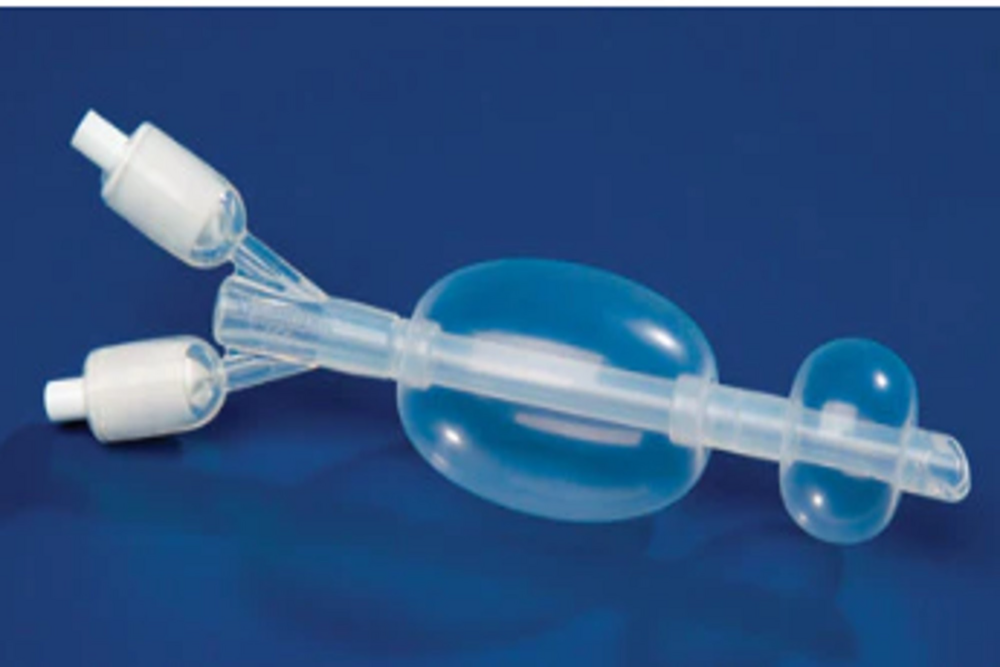
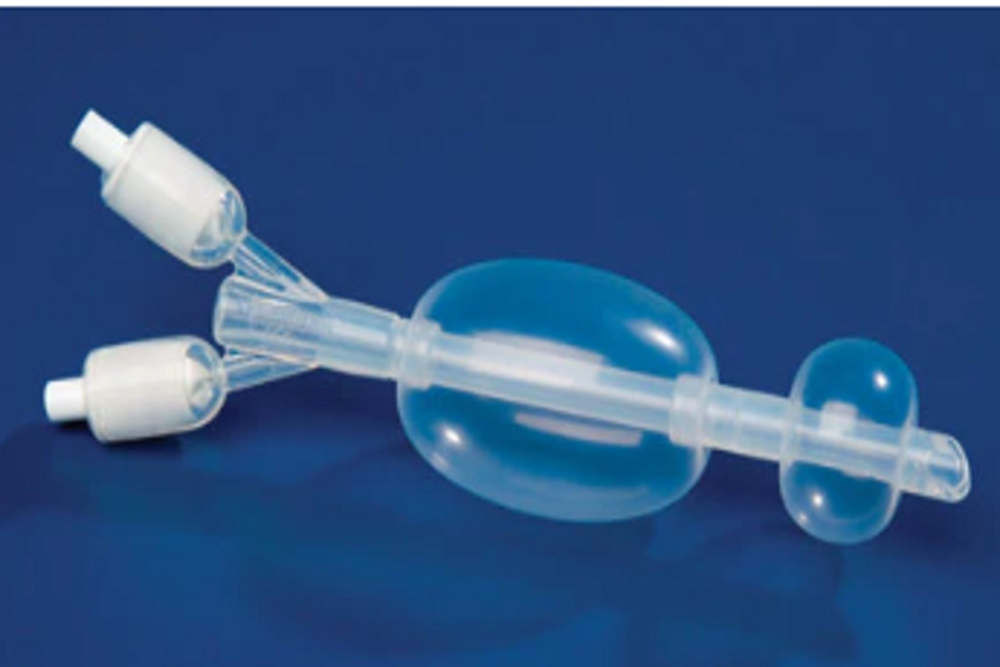
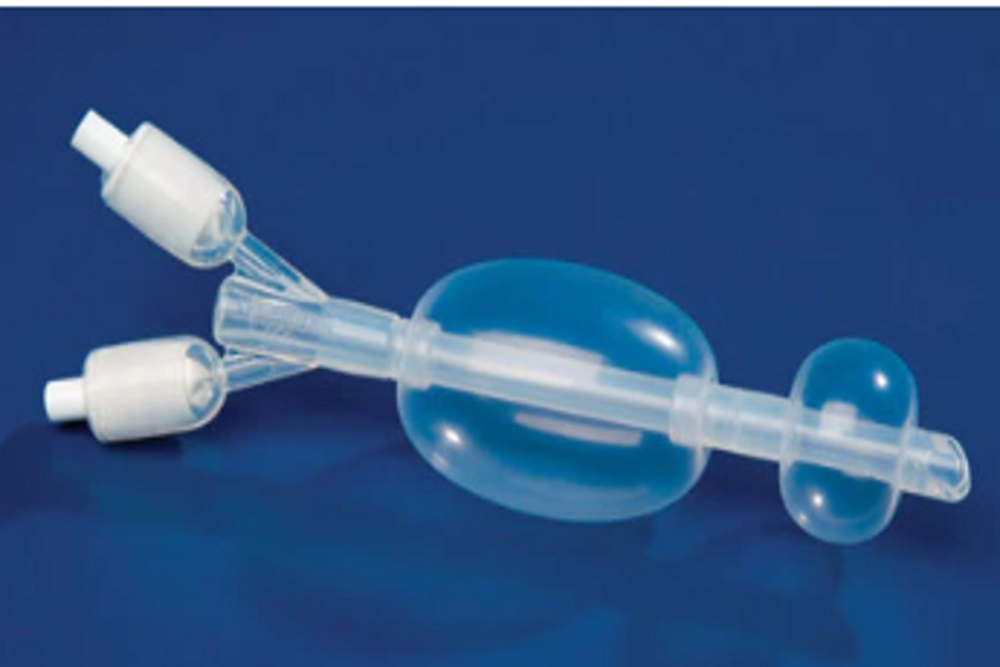
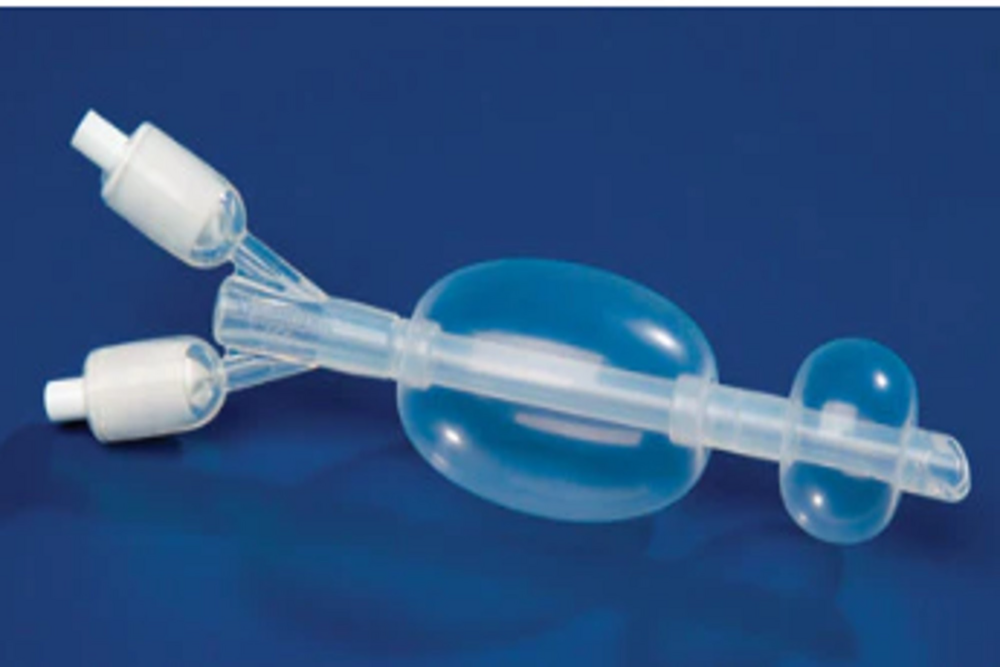

Epistaxis Balloon Catheter Specification
- Accuracy
- High efficacy for anterior and posterior epistaxis control
- Function
- Nasal Tamponade
- Instruments Type
- Medical Catheter
- Features
- Soft Balloon Tips, Radio-opaque Markings, Easy Insertion
- Usage Type
- Single Use
- Shelf Life
- 5 Years
- Measurement Range
- Balloon inflation up to 15 mL
- Storage Instructions
- Store in a cool, dry place
- Equipment Type
- Epistaxis Balloon Catheter
- Material
- Medical Grade Silicone
- Condition
- New
- Technology
- Double-Lumen Balloon
- Portable
- Yes
- Wall Mounted
- No
- Real-Time Operation
- Yes
- Noise Level
- Silent
- Operating Type
- Manual
- Use
- Nasal Bleeding Control
- Dimension (L*W*H)
- Variable depending on model
- Weight
- Approx. 10-20 g
- Color
- Transparent with Blue/Green Markings
- Intended procedure
- Anterior and Posterior Nasal Bleed Management
- Patient Size
- Adult and Pediatric Variants Available
- Expiry Date
- Printed on pack
- Balloon Capacity
- Posterior Balloon: up to 10 mL, Anterior Balloon: up to 15 mL
- Sterility
- Sterile, EO Gas Sterilized
- Radiopacity
- Radio-opaque Markers Present for X-ray Visualization
- CE Marked
- Yes
- Packaging
- Tamper-proof Blister Pack
- Latex-Free
- Yes
- Connector Type
- Luer Lock for Syringe Attachment
About Epistaxis Balloon Catheter
Epistaxis Balloon CatheterThe Epistaxis Balloon Catheter is a medical device designed to control intra-nasal bleeding and provide patient comfort. It is ideal for nasal packing during procedures such as septoplasty, rhinoplasty, and other intra-nasal surgeries. The catheter features a double balloon design, with each balloon independently inflatable to apply uniform pressure to the bleeding site. The posterior tip is beveled and made of soft silicone for easy placement and removal, and an airway channel facilitates nasal breathing. The device is intended for short-term use, up to 29 days, and is supplied sterile in boxes of 10, sterilized by ETO gas. It is a single-use product.
Another similar device is the Epistax Balloon Catheter, which also features two independently inflatable silicone balloons. The smaller balloon, marked "10cc, manages posterior nasal bleeding, while the larger balloon, marked "30cc, manages anterior nasal bleeding. This catheter is made from soft, medical-grade silicone and is available in two lengths: 97mm and 120mm, with or without a syringe. It is also a single-use, sterile product designed for managing internal nasal bleeding.
Superior Control for Nasal Bleeding
This epistaxis balloon catheter offers reliable management of nasal hemorrhage by providing effective tamponade for both anterior and posterior sources. Its adjustable balloon capacity and high efficacy ensure quick hemostasis, significantly reducing the risk of recurrent bleeding in a wide range of clinical settings.
Safe and Comfortable for All Ages
Available in both adult and pediatric sizes, the catheter features soft balloon tips for gentle insertion and congestion relief. The transparent design with blue or green radiopaque markers enhances safety, enabling easy X-ray visualization and correct placement, leading to better comfort and clinical outcomes.
Convenient, Hygienic, and Ready-to-Use
Each catheter is individually EO gas sterilized and packed within a tamper-proof blister, ensuring maximum hygiene and security. With a five-year shelf life and prominent expiry date on the packaging, these single-use devices are always reliable when rapid intervention is needed.
FAQ's of Epistaxis Balloon Catheter:
Q: How is the Epistaxis Balloon Catheter used to control nasal bleeding?
A: This catheter is inserted into the nasal passage, and its anterior and posterior balloons are inflated to apply gentle pressure on the bleeding area, effectively stopping the hemorrhage. The double-lumen technology allows controlled inflation to the desired capacity for optimal tamponade.Q: What is the process for inserting and inflating the catheter?
A: To insert, connect a syringe to the Luer lock port, gently advance the catheter into the nostril, and inflate the posterior balloon first, followed by the anterior balloon as needed. Radiopaque markers help confirm correct placement via X-ray if required.Q: When should the epistaxis balloon catheter be utilized?
A: It is indicated when conservative measures for nosebleeds have failed, or when direct pressure is difficult to maintain, particularly in anterior and posterior epistaxis in both adults and children.Q: What are the storage and handling requirements for this device?
A: Store the single-use, sterile catheter in its original blister pack in a cool, dry place. Always check the printed expiry date before using to ensure sterility and safety.Q: Where can the catheter be used and who supplies it?
A: This device is suitable for use in emergency departments, ENT clinics, hospitals, and urgent care settings across India. It is available from registered suppliers, traders, and wholesalers specializing in medical equipment.Q: What are the benefits of using a double-lumen, radiopaque balloon catheter?
A: The double-lumen design allows precise inflation of two balloons for targeted hemostasis, while radiopaque markers facilitate X-ray confirmation for positioning. This results in safer, more effective control of both anterior and posterior nasal bleeding. Get Latest Price
Tell us about your requirement

Price:
Quantity
Select Unit
- 50
- 100
- 200
- 250
- 500
- 1000+
Additional detail
Mobile number
Email

More Products in Intubation Devices And Accessories Category
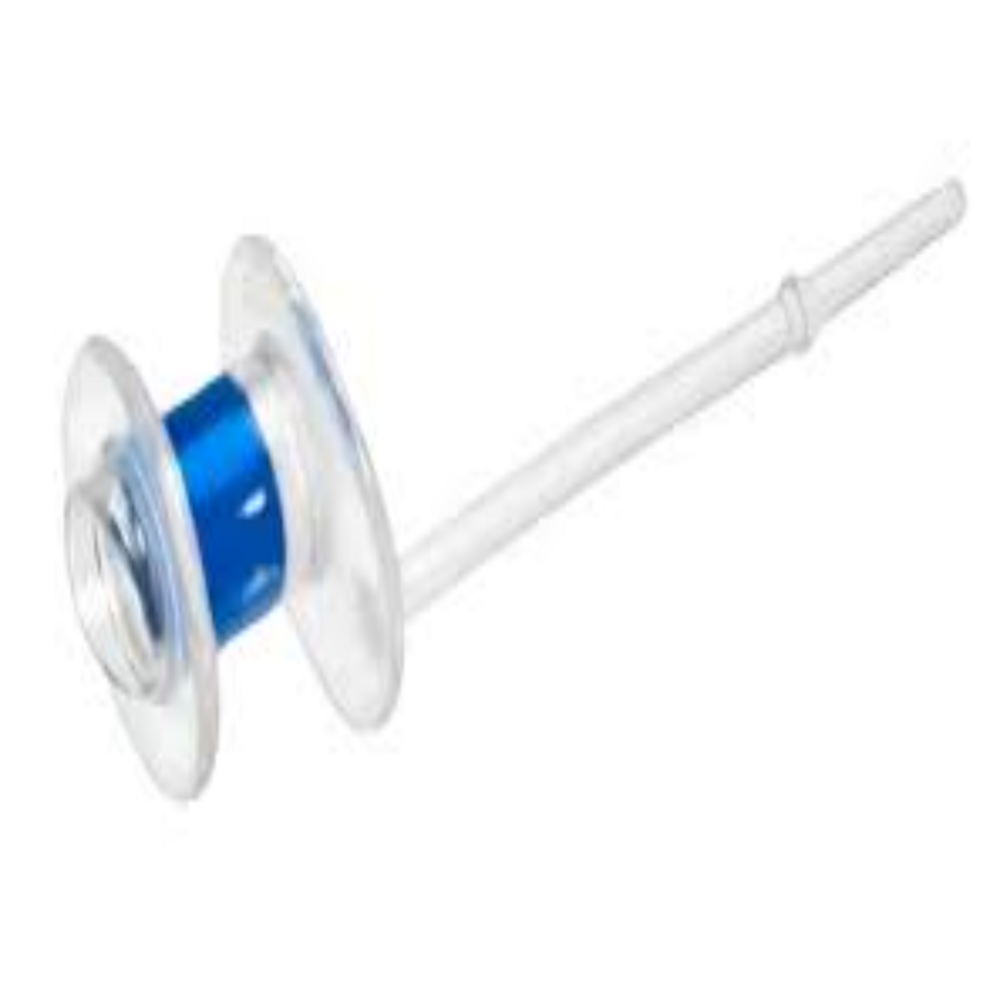
Total Voice Prosthesis System
Price 1450 INR / Piece
Minimum Order Quantity : 10 Pieces
Use : Restores voice function after laryngectomy
Color : Translucent/Blue Marking
Material : Other, Medical Grade Silicone
Condition : New

WARTENBERG NEUROLOGICAL PIN WHEEL
Price 1650 INR / Piece
Minimum Order Quantity : 10 Pieces
Use : Neurological Sensory Testing
Color : Black & Silver
Material : Stainless Steel, Other
Condition : New
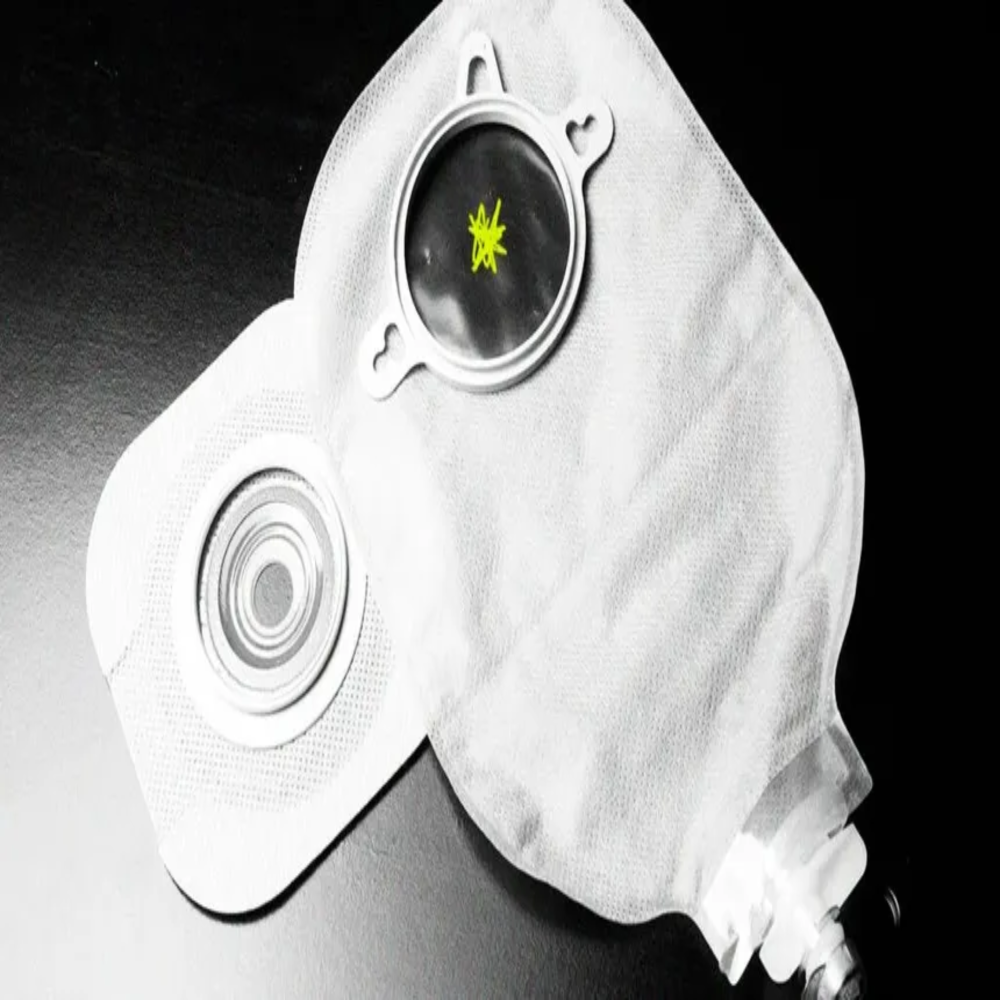
UROSTOMY BAG 25830
Price 1550 INR / Piece
Minimum Order Quantity : 10 Pieces
Use : Urostomy Care/Urinary Diversion
Color : Transparent
Material : Other, Medical Grade PVC
Condition : Other, Sterile, Single Use

ARM & ELBOW PROTECTION
Price 1600 INR / Piece
Minimum Order Quantity : 10 Pieces
Use : Industrial Safety / Welding Protection
Color : Yellow
Material : Other, Leather
Condition : New

Mark Enterprises
GST : 09CGDPG2368E1ZJ
GST : 09CGDPG2368E1ZJ
56/A, Gali No-3, Jai Bharat Enclave, Sahibabad, Lajpat Nagar,Ghaziabad - 201005, Uttar Pradesh, India
Phone :08045813058

 Send Inquiry
- Breathing Circuit and Accessories
- Airway Management
- Intubation Devices And Accessories
- Tracheostomy Tube
- Endotracheal Tube
- Anaesthesia Face Mask
- CPAP And BIPAP Mask And Accessories
- HMES And HMFS Breathing Filter
- Oxygen And Nebulization Therapy Products
- Neonatal Care Products
- Gel Positioner
- Medical Grade CSSD Products
- Catheter Kit
- Suction Tube
- Besmed NICU Care Products
- Surgical Gown
- Nasal Cannula
- Urology Products
- Infusion Pump
- Prone Head Positioner With Mirror
- Cautery Pencil
- Pulse Oximeter
- Nebulizer Machine
- Foley Catheter
- Oxygen Flow Meter
- Strile Spiral Extension Line
- Yankauer Suction Set
- CPAP System
- AIRWAY TUBE
- AMBU BEG
 Send Inquiry
 Send SMS
 Call Me Free
Mark Enterprises
All Rights Reserved.(Terms of Use)
Developed and Managed by Infocom Network Private Limited.
Developed and Managed by Infocom Network Private Limited.

