

Call us now
08045813058
UTERINE CURETTE
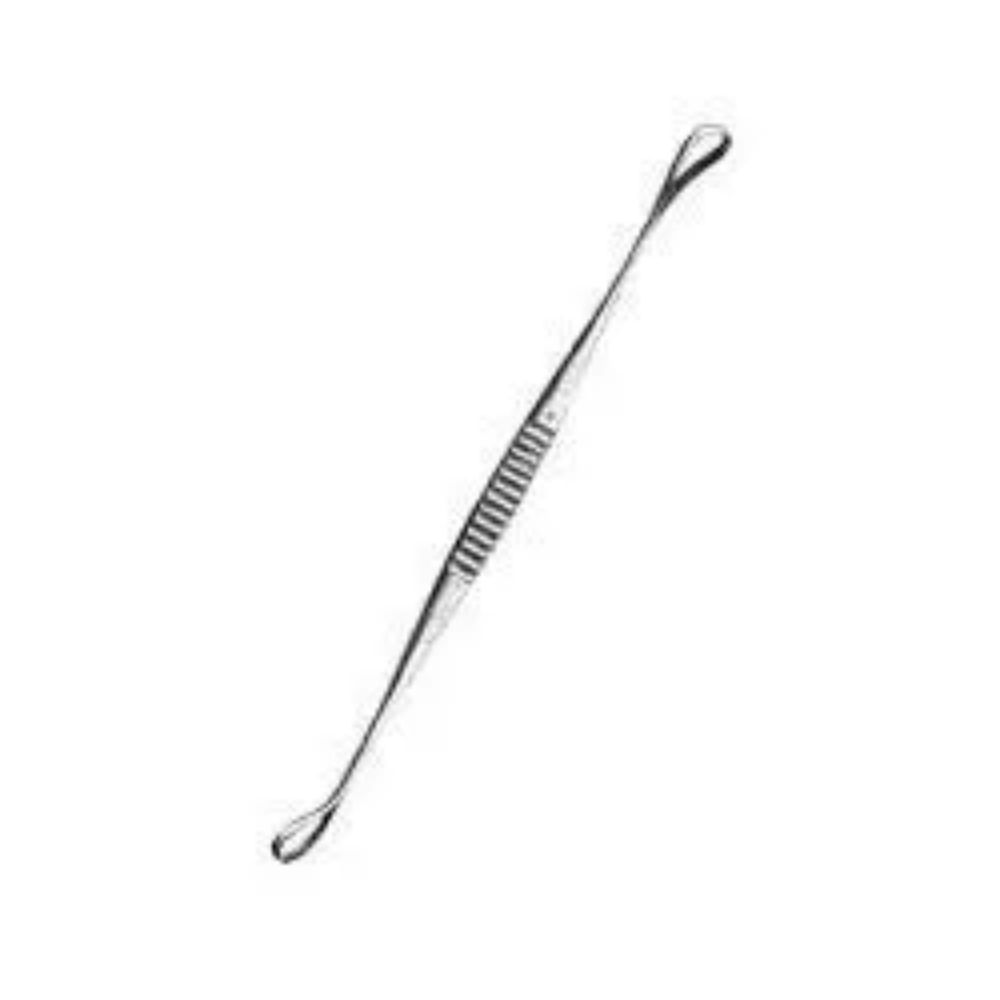
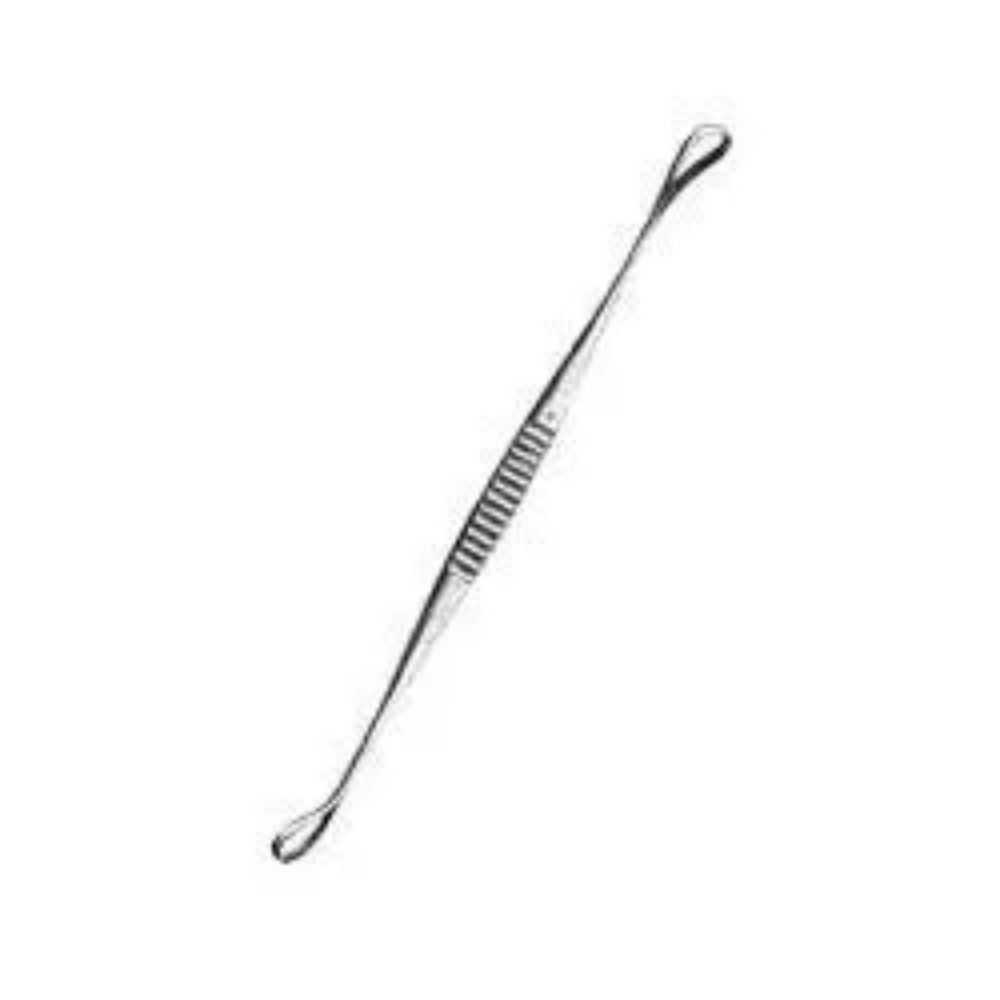
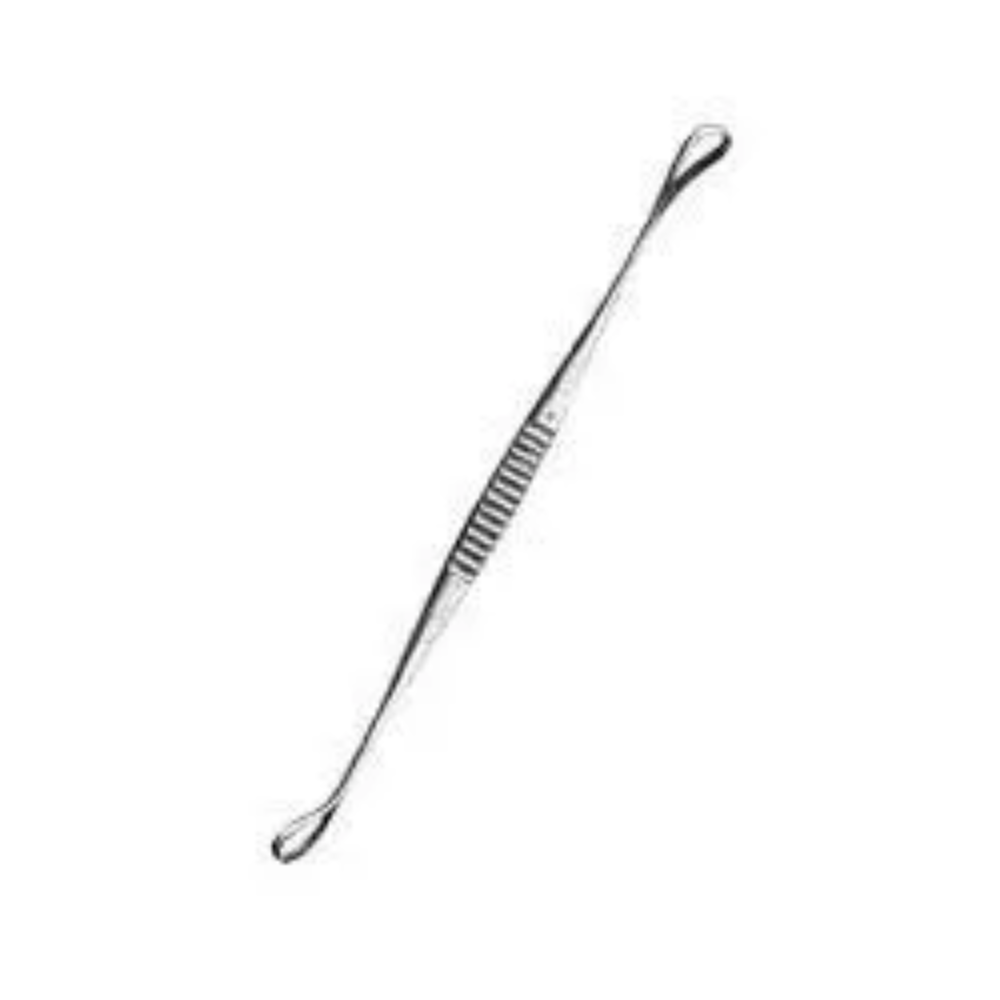

UTERINE CURETTE Specification
- Features
- Corrosion Resistant, Reusable, Smooth Finish
- Shelf Life
- Long Life (Reusable)
- Function
- Scraping and Removing Uterine Tissue
- Usage Type
- Hospital, Clinic
- Instruments Type
- Gynecological Surgical Instrument
- Accuracy
- Highly Accurate for Intended Use
- Storage Instructions
- Store in a Dry and Clean Environment
- Equipment Type
- Uterine Curette
- Material
- Stainless Steel
- Condition
- New
- Technology
- Manual
- Portable
- Yes
- Wall Mounted
- No
- Real-Time Operation
- Yes
- Noise Level
- Silent
- Operating Type
- Hand Operated
- Use
- Gynecological Procedures
- Power Source
- None (Manual)
- Dimension (L*W*H)
- Standard Sizes
- Weight
- Lightweight
- Color
- Silver
- Sterilization Method
- Autoclavable
- Usage
- Dilation and Curettage (D&C), Endometrial Sampling
- Packaging Type
- Individually Packed in Sterile Packs
- Length
- Available in Multiple Lengths
- Compliance
- CE Marked, ISO Certified
- Edge Type
- Blunt and Sharp Options Available
- Reusable
- Yes
- Handle Design
- Ergonomically Designed for Better Grip
- Finishing
- Matte/Polished
About UTERINE CURETTE
Uterine curette
Uterine Curettes: Medical Instruments for Endometrial Biopsy and Uterine Tissue Removal
Uterine curettes are medical instruments used in gynecology to remove uterine tissue for biopsy or excision purposes. They are typically made of high-quality German stainless steel, ensuring strength, lightweight, and rust-resistance.
Here are some key characteristics and features of uterine curettes:
- Loop tip designs: Sharp, blunt, or serrated loop tips are used to aid in the removal of uterine tissue. Sharp loop tips are designed for biopsy, while blunt and serrated tips are used for excision.
- Rigid or malleable types: Curettes come in rigid or malleable forms to accommodate various cases and patient needs.
- Sizes and lengths: Uterine curettes vary in size and length, ranging from 9-12 inches (23-30.5 cm) in length and 2-4 mm in diameter.
- Manufacturers: Well-known manufacturers include Ambler Surgical, Sims, Thomas, and Heaney, with products made in Germany and Solingen, a town renowned for its stainless steel craftsmanship since the 1600s.
- Lifetime guarantee: Many German stainless steel curettes come with a lifetime guarantee, ensuring durability and reliability.
- Usage: Uterine curettes are reusable instruments, typically sterilized after use and cleaned according to manufacturer instructions.
Precision and Versatility
The Uterine Curette is designed with both blunt and sharp edge options to address different clinical needs. Its multiple available lengths allow practitioners to select the appropriate size for each procedure, ensuring a high degree of accuracy and patient safety during gynecological interventions.
Ergonomic and Reliable Design
With an ergonomically crafted handle, the uterine curette facilitates comfortable and steady gripping for optimal maneuverability. The corrosion-resistant stainless steel construction and smooth finish deliver lasting durability and ease of cleaning, helping maintain instrument performance over repeated use.
Sterility and Compliance
Individually packed in sterile packs, the curette upholds hospital hygiene standards and infection control. Certified with CE marking and ISO standards, this instrument conforms to global quality benchmarks, making it a trustworthy choice for suppliers, traders, and healthcare professionals across India.
FAQ's of UTERINE CURETTE:
Q: How is the Uterine Curette sterilized before use?
A: The uterine curette is autoclavable, meaning it can be sterilized using an autoclave. This process ensures maximum instrument sterility by using high-pressure steam, making it safe for reuse in medical settings.Q: What is the primary usage of the Uterine Curette in clinical procedures?
A: The curette is utilized for Dilation and Curettage (D&C), endometrial sampling, and scraping or removing uterine tissue. It is commonly employed by gynecologists in hospitals and clinics for various diagnostic and therapeutic interventions.Q: When should a blunt or sharp edge curette be selected?
A: Blunt edge curettes are preferred for gentle tissue scraping or when minimal trauma is desired, while sharp edge curettes are chosen for more precise or thorough removal of tissue during procedures such as D&C or endometrial sampling.Q: Where should the Uterine Curette be stored after use?
A: It is recommended to store the curette in a dry and clean environment after proper sterilization. This practice helps preserve its integrity, prevent corrosion, and ensures readiness for subsequent procedures.Q: What are the benefits of the ergonomically designed handle?
A: The handle's ergonomic design improves grip, reduces hand fatigue, and supports more precise control. This enhances the clinician's comfort and effectiveness, particularly during lengthy procedures.Q: Is the Uterine Curette suitable for real-time operation and portable use?
A: Yes, the curette is hand-operated and silent, allowing for real-time control during procedures. Its lightweight and portable build make it ideal for use in various clinical and hospital settings. Get Latest Price
Tell us about your requirement

Price:
Quantity
Select Unit
- 50
- 100
- 200
- 250
- 500
- 1000+
Additional detail
Mobile number
Email

More Products in Intubation Devices And Accessories Category

JMITRA HIV TRI DOT RAPID TEST CARD
Price 7000 INR / Piece
Minimum Order Quantity : 10 Pieces
Condition : New
Material : Other, Plastic and Membrane Matrix
Color : White Card with Printed Labels
Use : Detection of HIV 1 & 2 Antibodies in Human Serum/Plasma/Whole Blood
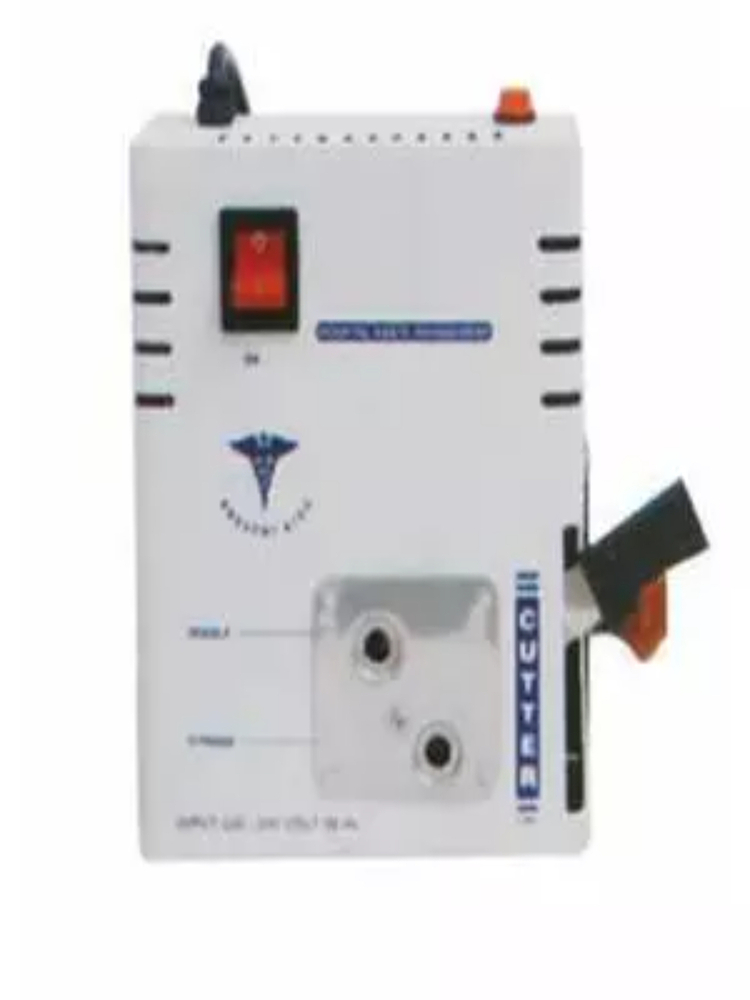
NEEDLE DESTROYED ELECTRIC
Price 3000 INR / Piece
Minimum Order Quantity : 10 Pieces
Condition : New
Material : Other, ABS Plastic Body, Metal Cutters
Color : White with Blue Lid
Use : Destruction of Used Needles
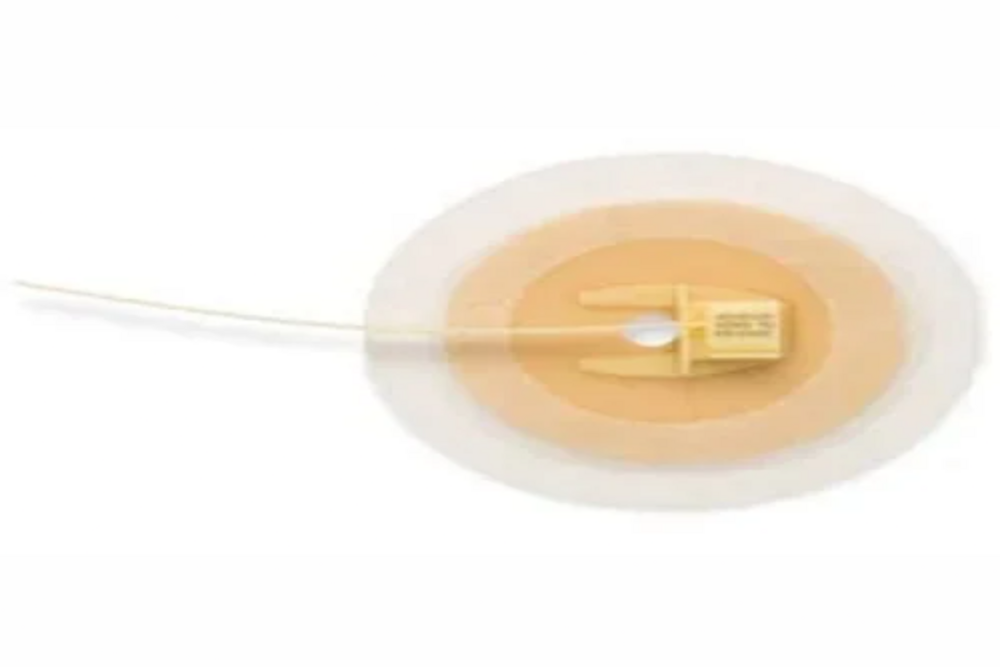
VERTICAL TUBE ATTACHMENT DEVICE
Price 798 INR / Piece
Minimum Order Quantity : 10 Pieces
Condition : New
Material : Other, Stainless Steel
Color : Metallic/Silver
Use : Attachment and support for vertical tubes in laboratory/industrial setups
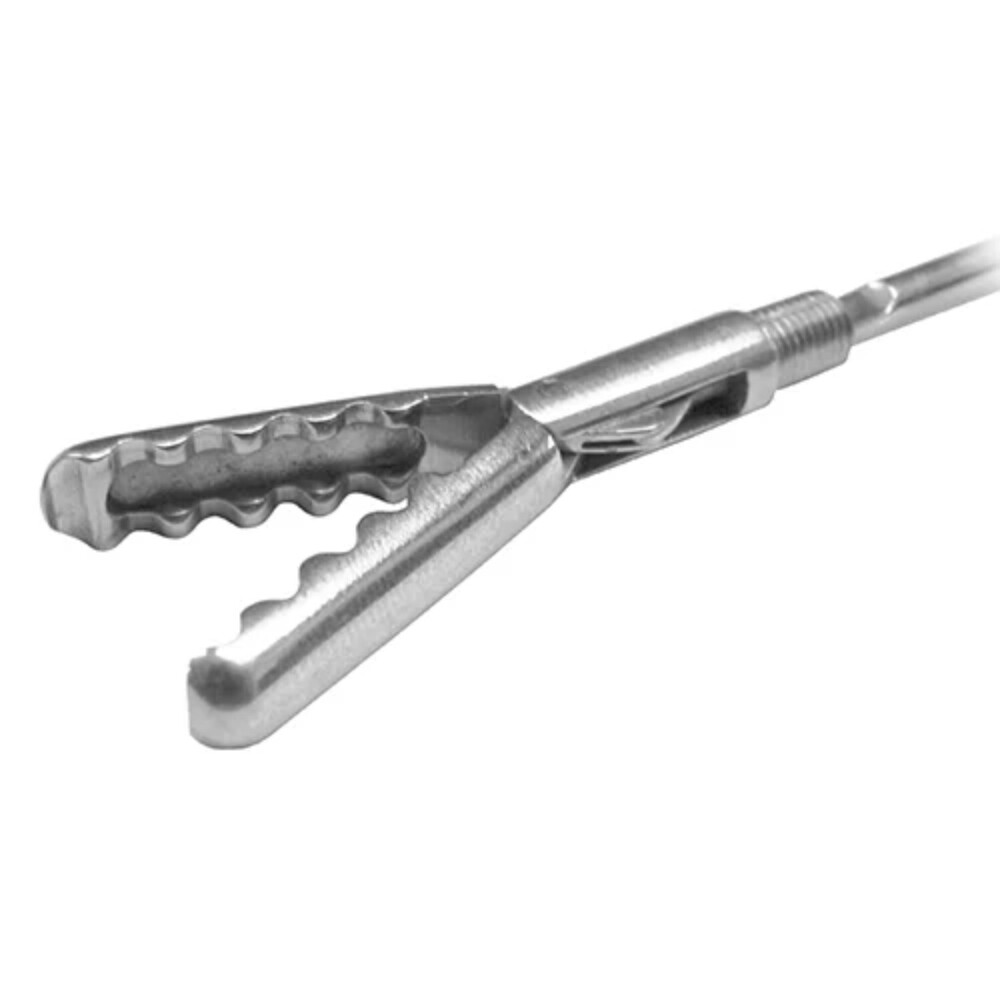
ENDOWAVE GRASPING FORCEP FHBR
Price 1650 INR / Piece
Minimum Order Quantity : 10 Pieces
Condition : New
Material : Other, Stainless Steel
Color : Silver
Use : Medical/Surgical

Mark Enterprises
GST : 09CGDPG2368E1ZJ
GST : 09CGDPG2368E1ZJ
56/A, Gali No-3, Jai Bharat Enclave, Sahibabad, Lajpat Nagar,Ghaziabad - 201005, Uttar Pradesh, India
Phone :08045813058

 Send Inquiry
- Breathing Circuit and Accessories
- Airway Management
- Intubation Devices And Accessories
- Tracheostomy Tube
- Endotracheal Tube
- Anaesthesia Face Mask
- CPAP And BIPAP Mask And Accessories
- HMES And HMFS Breathing Filter
- Oxygen And Nebulization Therapy Products
- Neonatal Care Products
- Gel Positioner
- Medical Grade CSSD Products
- Catheter Kit
- Suction Tube
- Besmed NICU Care Products
- Surgical Gown
- Nasal Cannula
- Urology Products
- Infusion Pump
- Prone Head Positioner With Mirror
- Cautery Pencil
- Pulse Oximeter
- Nebulizer Machine
- Foley Catheter
- Oxygen Flow Meter
- Strile Spiral Extension Line
- Yankauer Suction Set
- CPAP System
- AIRWAY TUBE
- AMBU BEG
 Send Inquiry
 Send SMS
 Call Me Free
Mark Enterprises
All Rights Reserved.(Terms of Use)
Developed and Managed by Infocom Network Private Limited.
Developed and Managed by Infocom Network Private Limited.

