

Call us now
08045813058
Internal Nasal Airway Splint
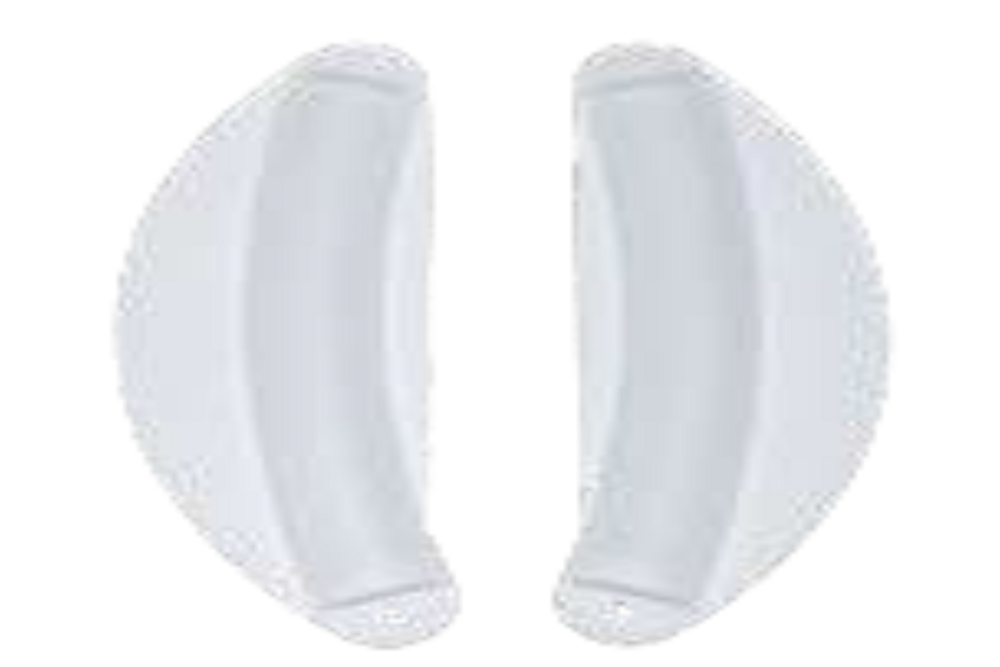

Internal Nasal Airway Splint Specification
- Usage Type
- Single Use
- Storage Instructions
- Store in cool, dry, hygienic place
- Shelf Life
- Up to 5 years if stored correctly
- Features
- Flexible, atraumatic edges, Pliable for comfort, Central air channel
- Instruments Type
- Surgical Support Device
- Function
- Maintains internal nasal airway post-operatively, prevents synechiae
- Equipment Type
- Internal Nasal Airway Splint
- Material
- Medical Grade Silicone
- Condition
- New
- Technology
- Molding & Extrusion
- Portable
- Yes
- Wall Mounted
- No
- Real-Time Operation
- No
- Noise Level
- Silent
- Operating Type
- Manual
- Use
- Post-surgical nasal support
- Dimension (L*W*H)
- Varies by size, typically 60-90mm length
- Weight
- Lightweight (Few grams)
- Color
- Transparent or White
- Sterility
- Sterile, ready-to-use
- Regulatory Approval
- CE Marked / ISO Certified as per region
- Application
- Rhinoplasty, septoplasty, and nasal fracture surgeries
- Radiopacity
- Some versions are radiopaque
- Shape
- Anatomically contoured for nasal cavity
- Disposability
- Disposable, single-patient use
- Biocompatibility
- Non-toxic, biocompatible
- Edge Type
- Rounded atraumatic edges
- Airway Channel Type
- Central or bilateral
- Latex Free
- Yes
- Packaging Type
- Individually packed, sealed pouch
About Internal Nasal Airway Splint
- Thermoplastic, easily malleable material
- When heated, becomes malleable within seconds
- Restores its strength quickly during cooling phase after splint adjustment
- Cosmetically pleasing - adhesive backing
- For splinting of nasal dorsum after rhinoplasty
Anatomical Fit and Comfort
With its anatomically contoured design, the Internal Nasal Airway Splint fits securely within the nasal cavity, supporting the healing structure without excessive pressure. Its pliable medical-grade silicone adapts gently to internal contours, while rounded, atraumatic edges help minimize discomfort and trauma.
Essential Post-Surgical Support
Used predominantly after rhinoplasty, septoplasty, and nasal fracture surgeries, this device helps maintain the intra-nasal airway and prevents formation of adhesions (synechiae) during the critical healing phase. Its central or bilateral channel ensures continuous airflow, supporting optimal post-operative recovery.
Safe, Sterile, and Certified
Each splint is sterilized, individually packaged, and entirely latex-free, reducing the risk of allergies or cross-contamination. They are disposable for single-patient use and are CE marked or ISO certified as per regional regulations, ensuring high standards in safety and performance.
FAQ's of Internal Nasal Airway Splint:
Q: How is the Internal Nasal Airway Splint applied during surgery?
A: The splint is carefully inserted by a surgeon following nasal procedures such as rhinoplasty, septoplasty, or nasal fracture repair. Its anatomical contour and flexible structure allow it to fit snugly into the nasal cavity, assuring patient safety and comfort.Q: What benefits does the splint provide after nasal surgery?
A: It maintains airway patency, prevents internal adhesion formation (synechiae), and supports the healing nasal tissues. The central or bilateral airway channel ensures consistent airflow, while atraumatic edges reduce the risk of mucosal trauma.Q: When should the Internal Nasal Airway Splint be used and removed?
A: The splint is placed immediately post-surgery and typically remains in situ for several days, as directed by the surgeon. Removal is a quick process performed by a healthcare professional once the risk of internal adhesions has diminished.Q: Where should the splint be stored before use?
A: Store the device in a cool, dry, and hygienic environment within its sealed, sterile pouch to preserve its integrity and sterility. Avoid direct sunlight or high humidity to maintain the product's shelf life.Q: What material is the splint made of, and is it safe for all patients?
A: It is constructed from non-toxic, medical-grade silicone that is both biocompatible and latex-free, making it suitable for patients with latex allergies and minimizing the risk of adverse reactions.Q: How does the radiopaque feature assist during patient care?
A: Some versions include radiopaque properties, allowing the splint's position to be verified on radiographic imaging, which assists clinicians in monitoring placement and detecting any migration post-operatively.Q: Is the Internal Nasal Airway Splint reusable?
A: No, the splint is intended for single use only. After initial patient application, it should be safely disposed of to prevent cross-contamination or infection, as per medical guidelines. Get Latest Price
Tell us about your requirement

Price:
Quantity
Select Unit
- 50
- 100
- 200
- 250
- 500
- 1000+
Additional detail
Mobile number
Email

More Products in Intubation Devices And Accessories Category
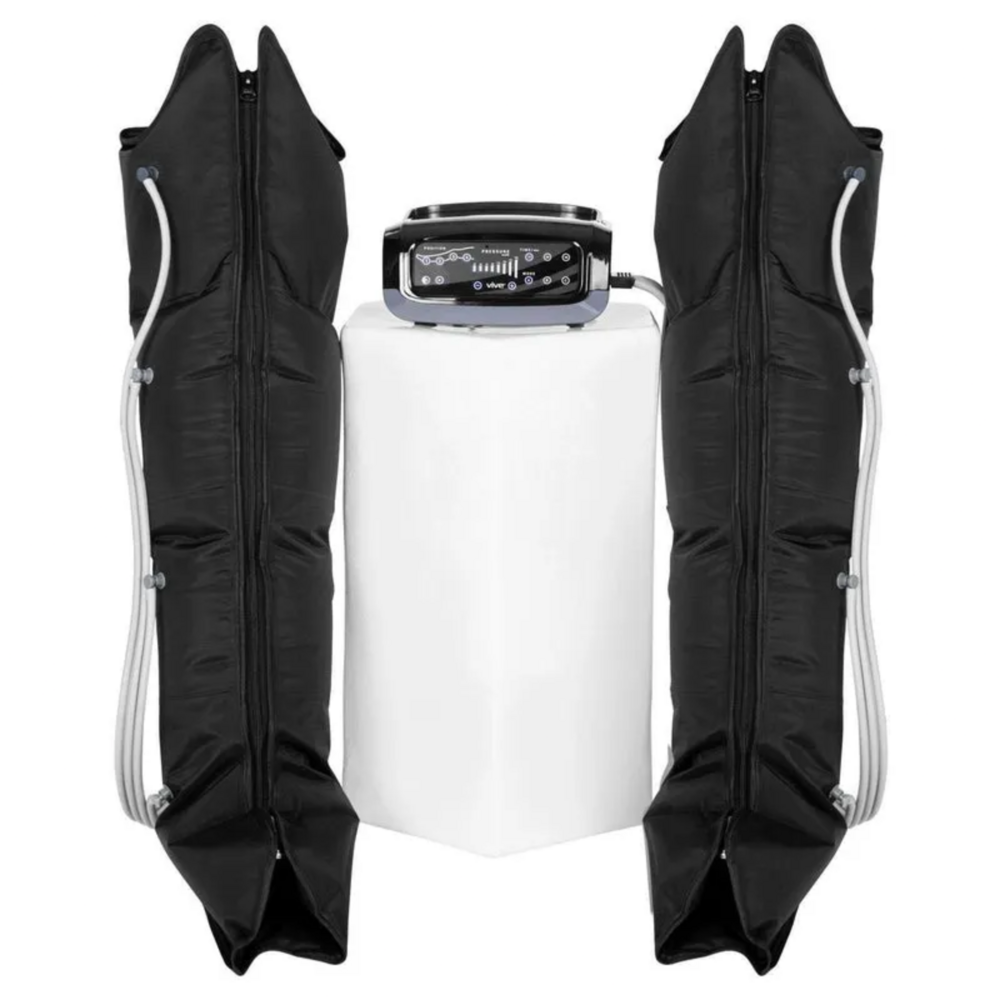
SEQUENTIAL COMPRESSION DEVICE
Price 1500 INR / Piece
Minimum Order Quantity : 10 Pieces
Use : Improves blood circulation, prevents deep vein thrombosis (DVT)
Material : Other, Highgrade Medical PVC / Nylon Fabric
Condition : New
Color : White & Blue
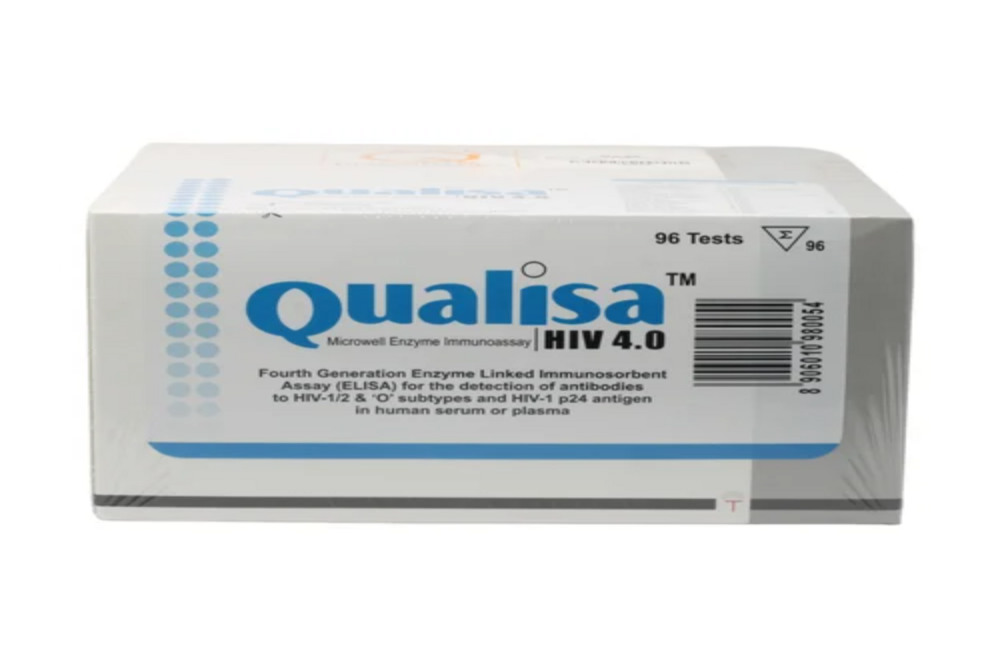
TULIP 4TH GEN HIV ELISA KIT
Price 4000 INR / Piece
Minimum Order Quantity : 10 Pieces
Use : Detection of HIV1 & HIV2 (including HIV1 p24 antigen and antibodies)
Material : Other, Highquality plastic and biocompatible reagents
Condition : New
Color : White plastic, clear or colorless wells
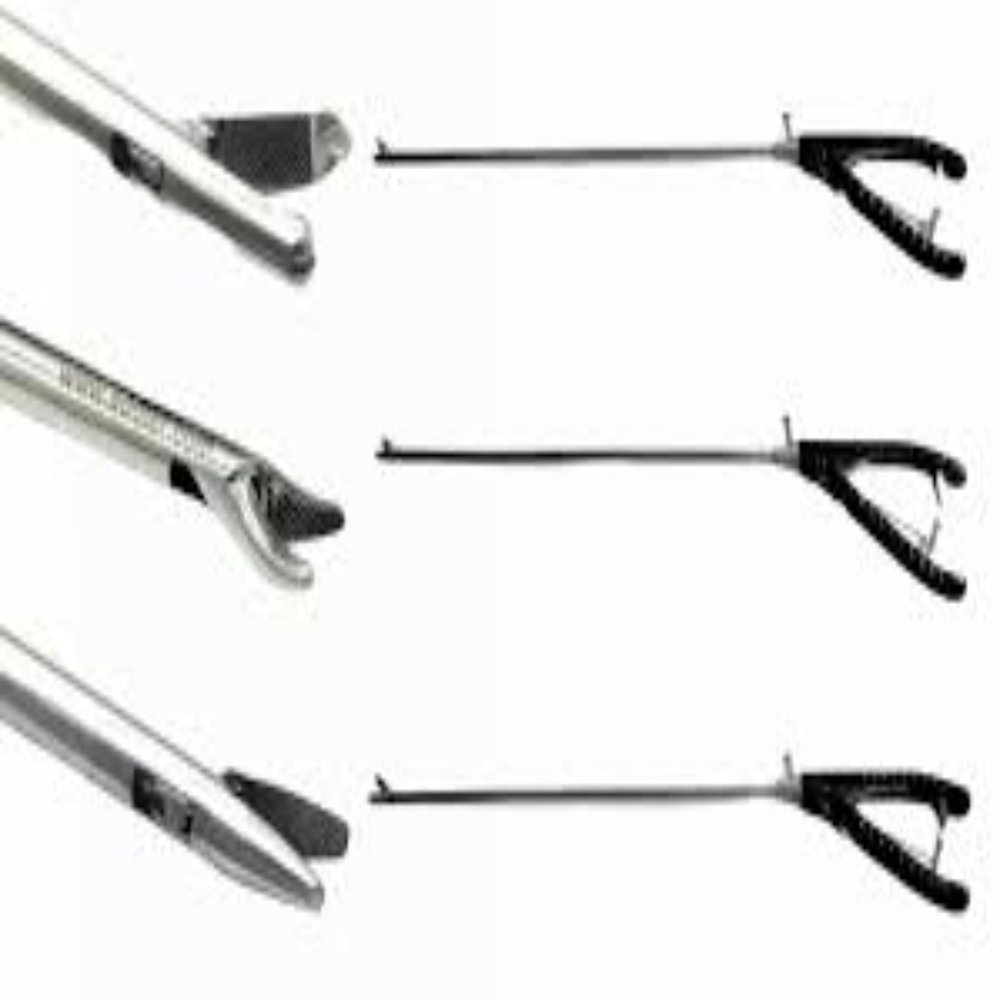
NEEDLE HOLDER DIAMETER 5MM
Price 1650 INR / Piece
Minimum Order Quantity : 10 Pieces
Use : Endoscopic and Laparoscopic Surgery
Material : Other, Stainless Steel
Condition : New
Color : Silver
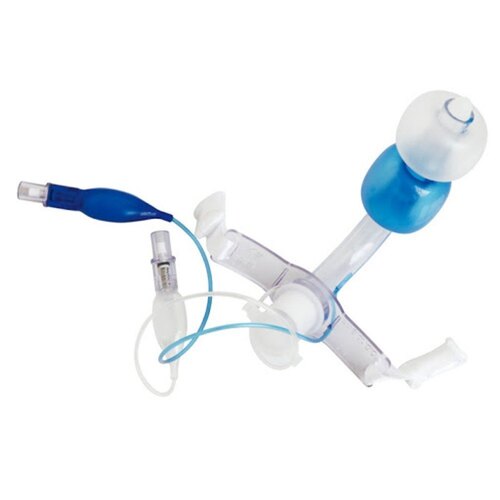
Double Cuff Tracheotomy Tube S
Price 2750 INR / Piece
Minimum Order Quantity : 10 Pieces
Use : Tracheotomy, Airway Management
Material : Other, Medical Grade PVC
Condition : New
Color : Transparent/White

Mark Enterprises
GST : 09CGDPG2368E1ZJ
GST : 09CGDPG2368E1ZJ
56/A, Gali No-3, Jai Bharat Enclave, Sahibabad, Lajpat Nagar,Ghaziabad - 201005, Uttar Pradesh, India
Phone :08045813058

 Send Inquiry
- Breathing Circuit and Accessories
- Airway Management
- Intubation Devices And Accessories
- Tracheostomy Tube
- Endotracheal Tube
- Anaesthesia Face Mask
- CPAP And BIPAP Mask And Accessories
- HMES And HMFS Breathing Filter
- Oxygen And Nebulization Therapy Products
- Neonatal Care Products
- Gel Positioner
- Medical Grade CSSD Products
- Catheter Kit
- Suction Tube
- Besmed NICU Care Products
- Surgical Gown
- Nasal Cannula
- Urology Products
- Infusion Pump
- Prone Head Positioner With Mirror
- Cautery Pencil
- Pulse Oximeter
- Nebulizer Machine
- Foley Catheter
- Oxygen Flow Meter
- Strile Spiral Extension Line
- Yankauer Suction Set
- CPAP System
- AIRWAY TUBE
- AMBU BEG
 Send Inquiry
 Send SMS
Mark Enterprises
All Rights Reserved.(Terms of Use)
Developed and Managed by Infocom Network Private Limited.
Developed and Managed by Infocom Network Private Limited.

