

Call us now
08045813058
Rebreathing Bag
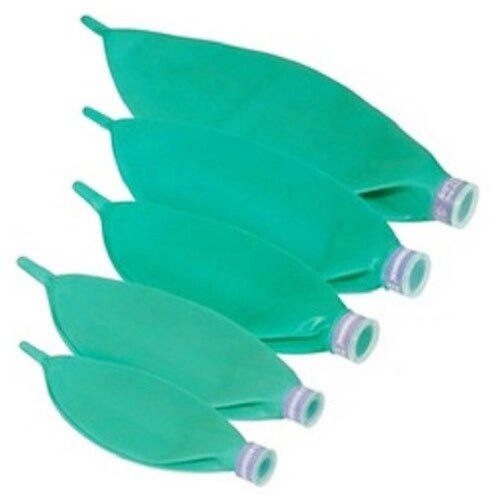
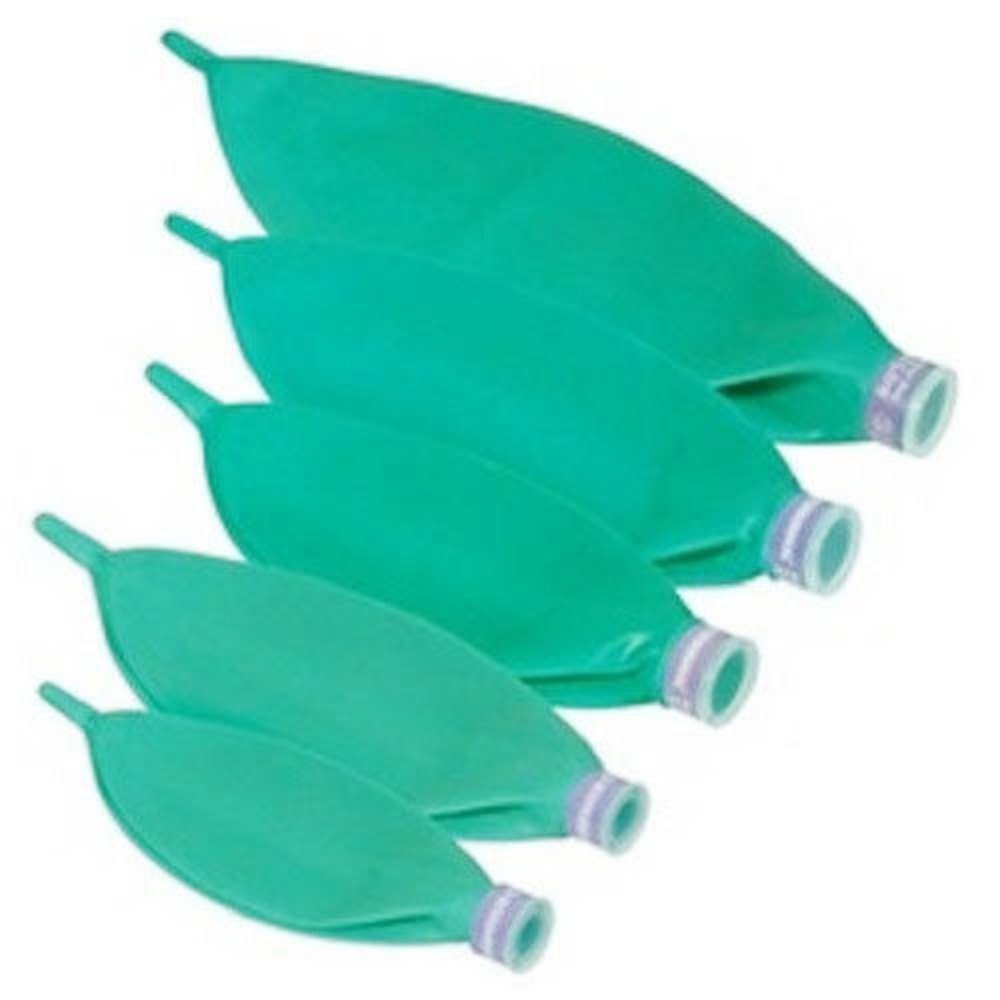
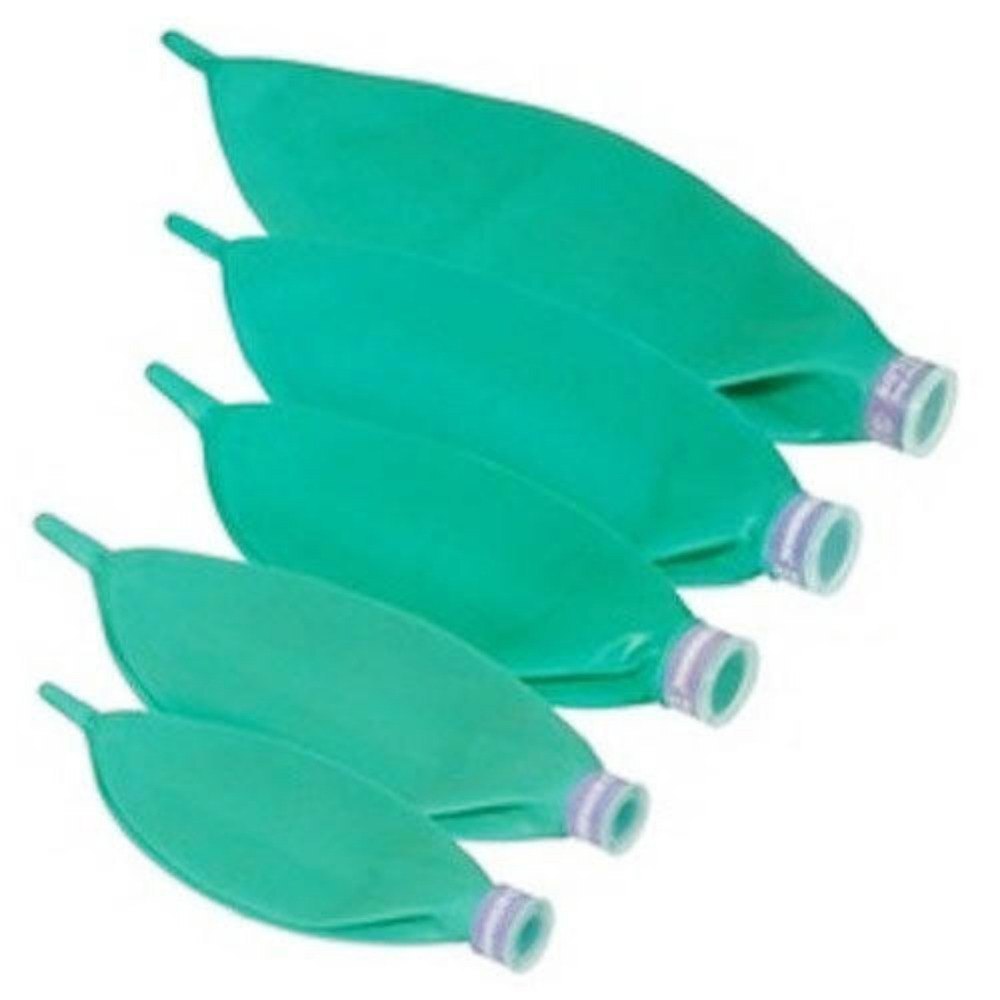
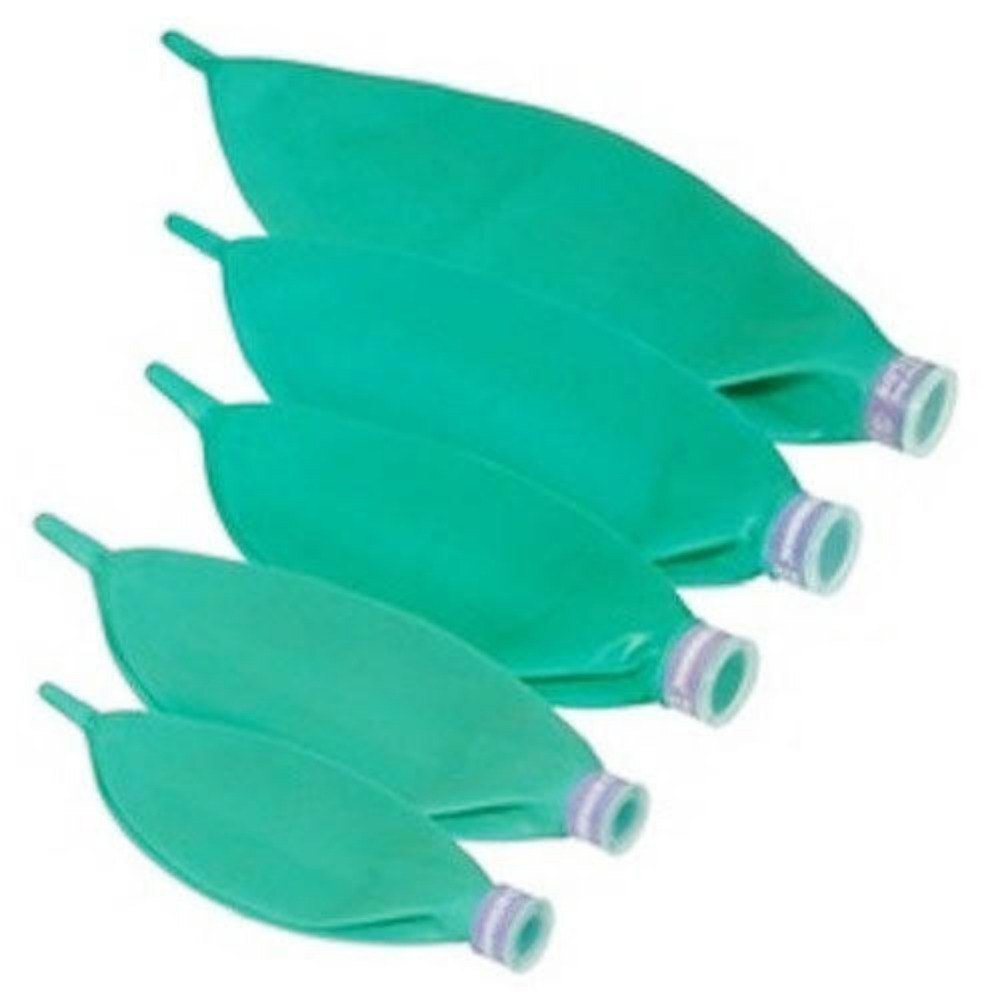
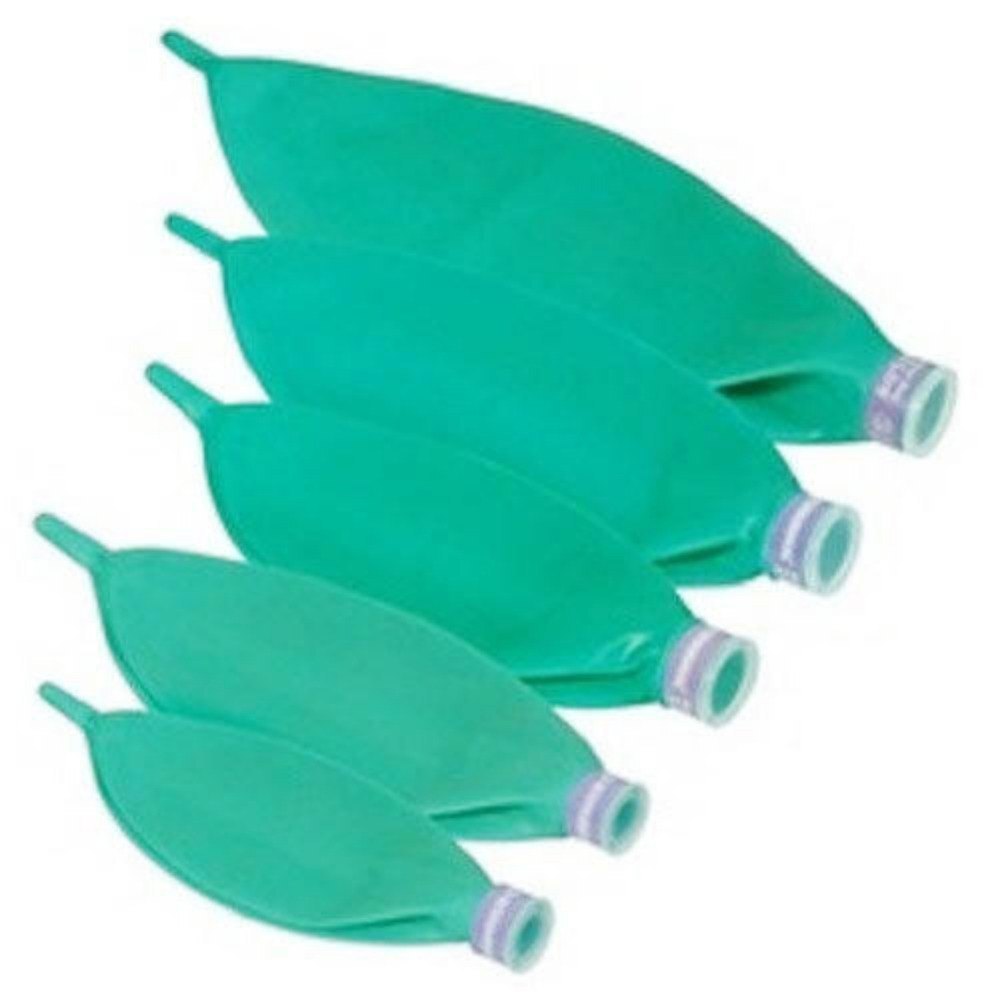
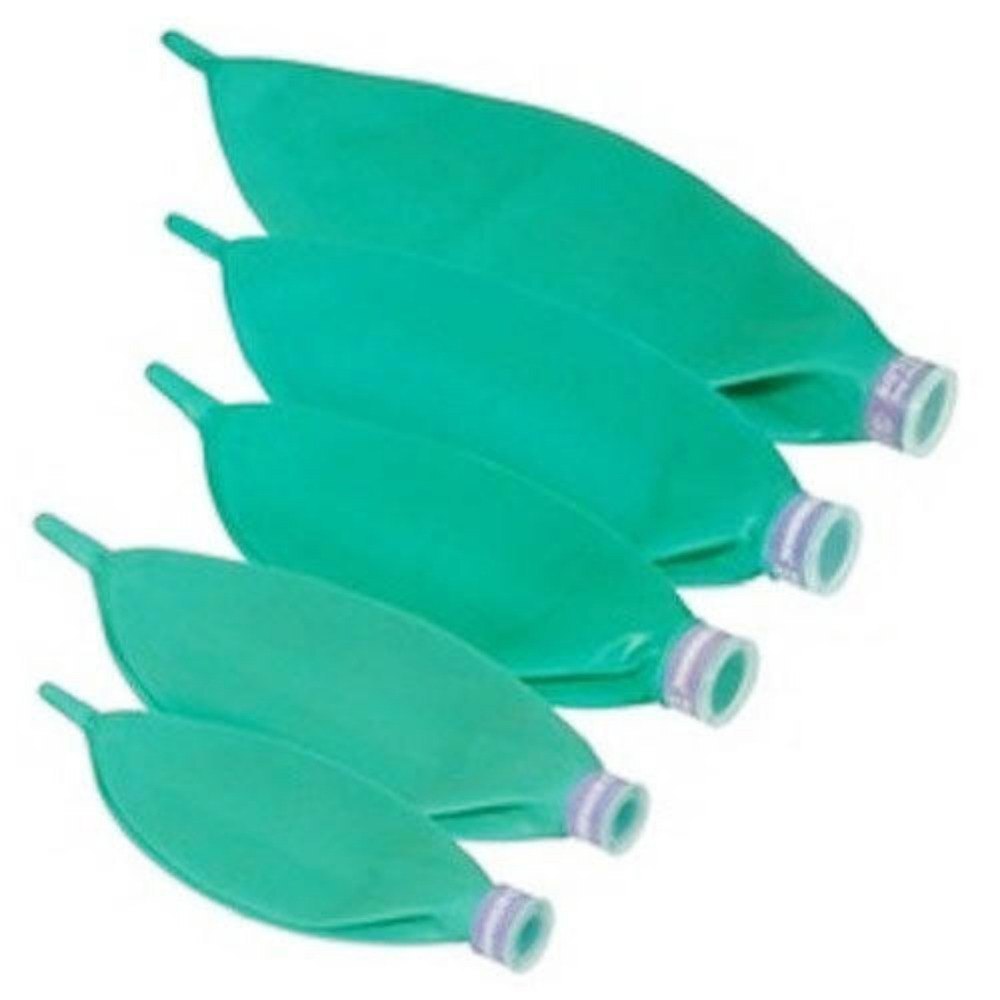
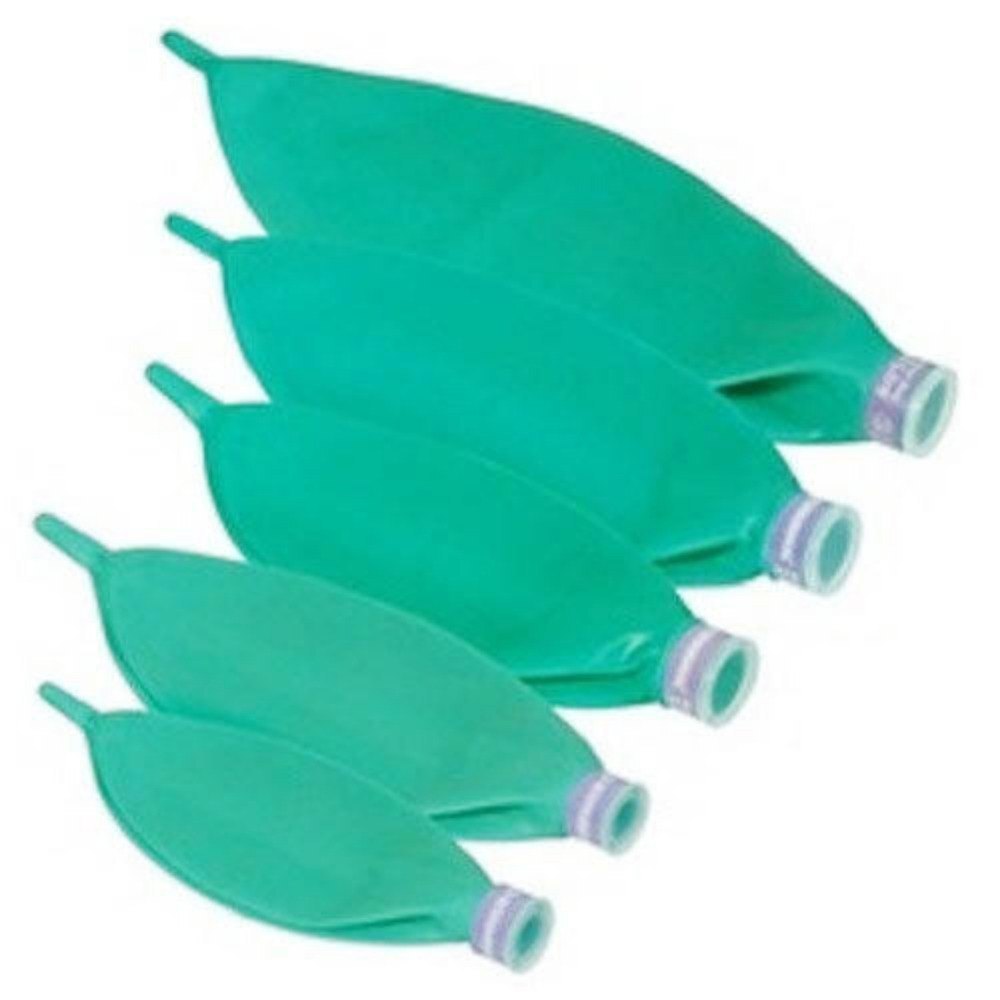
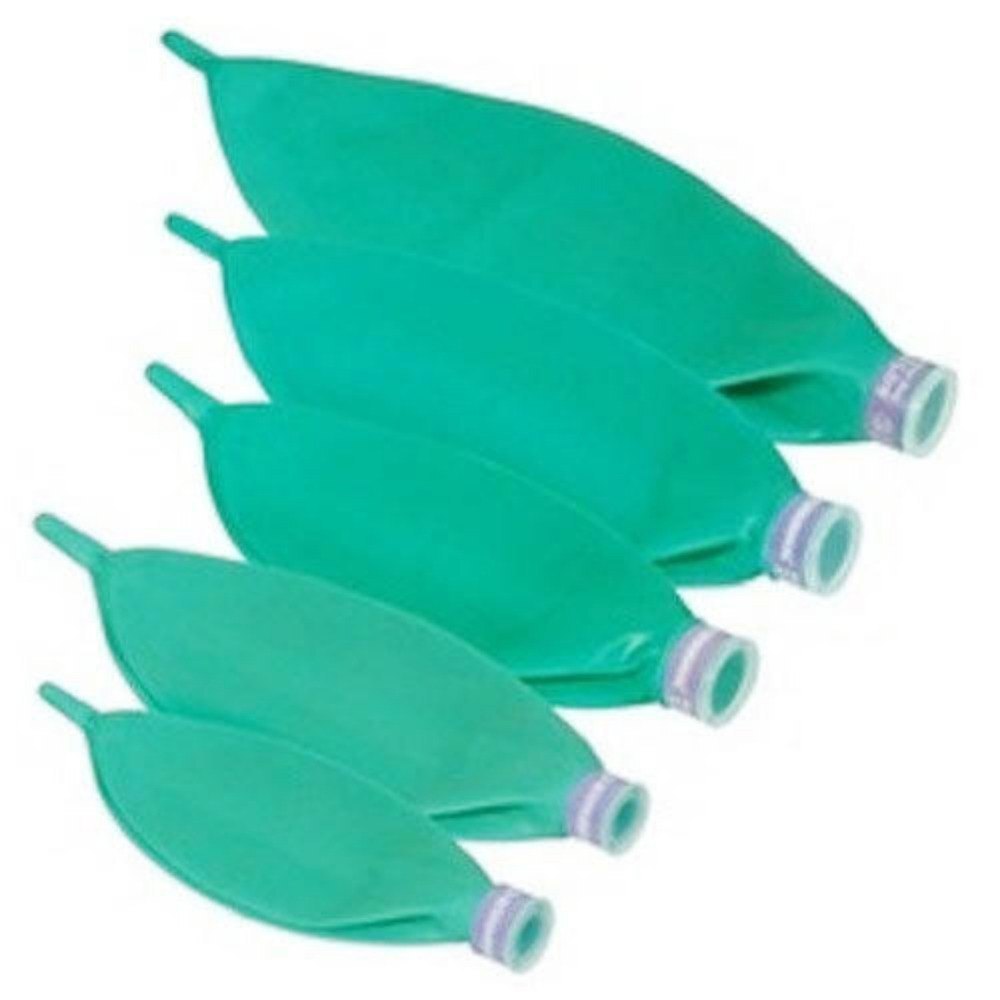
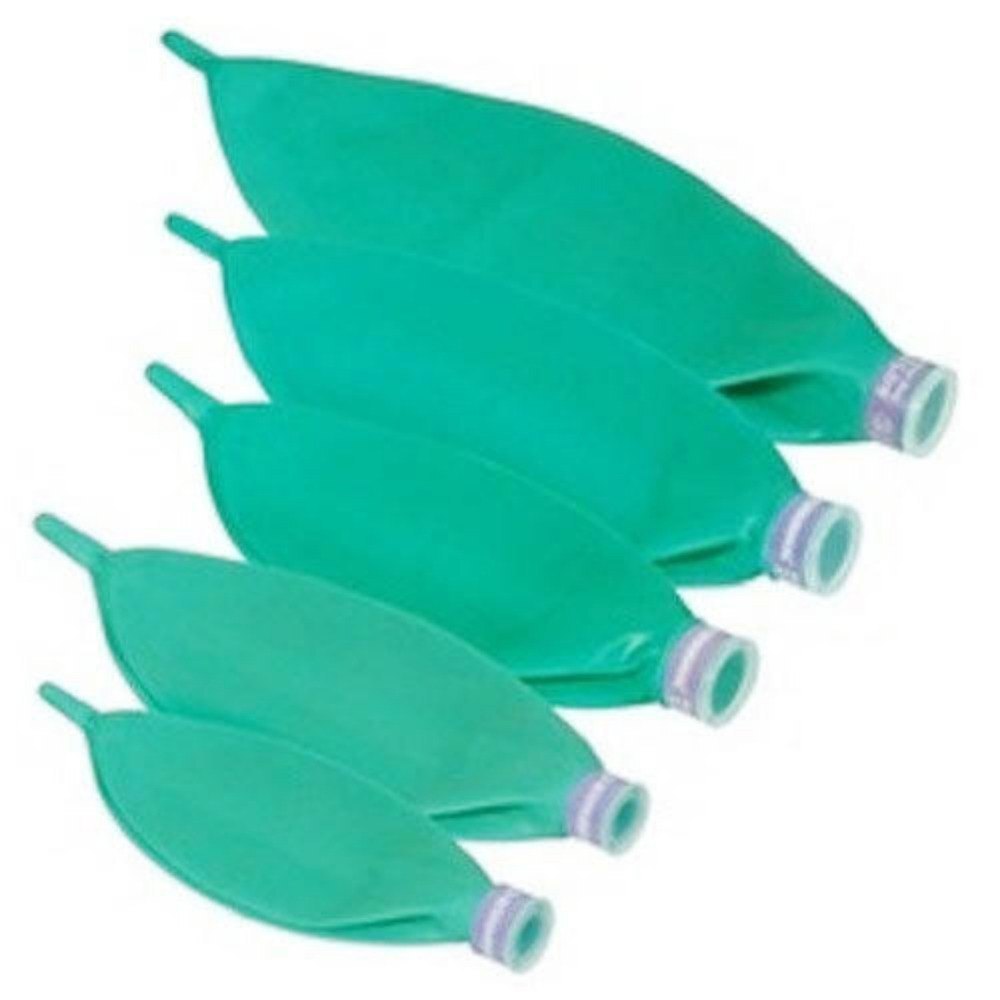
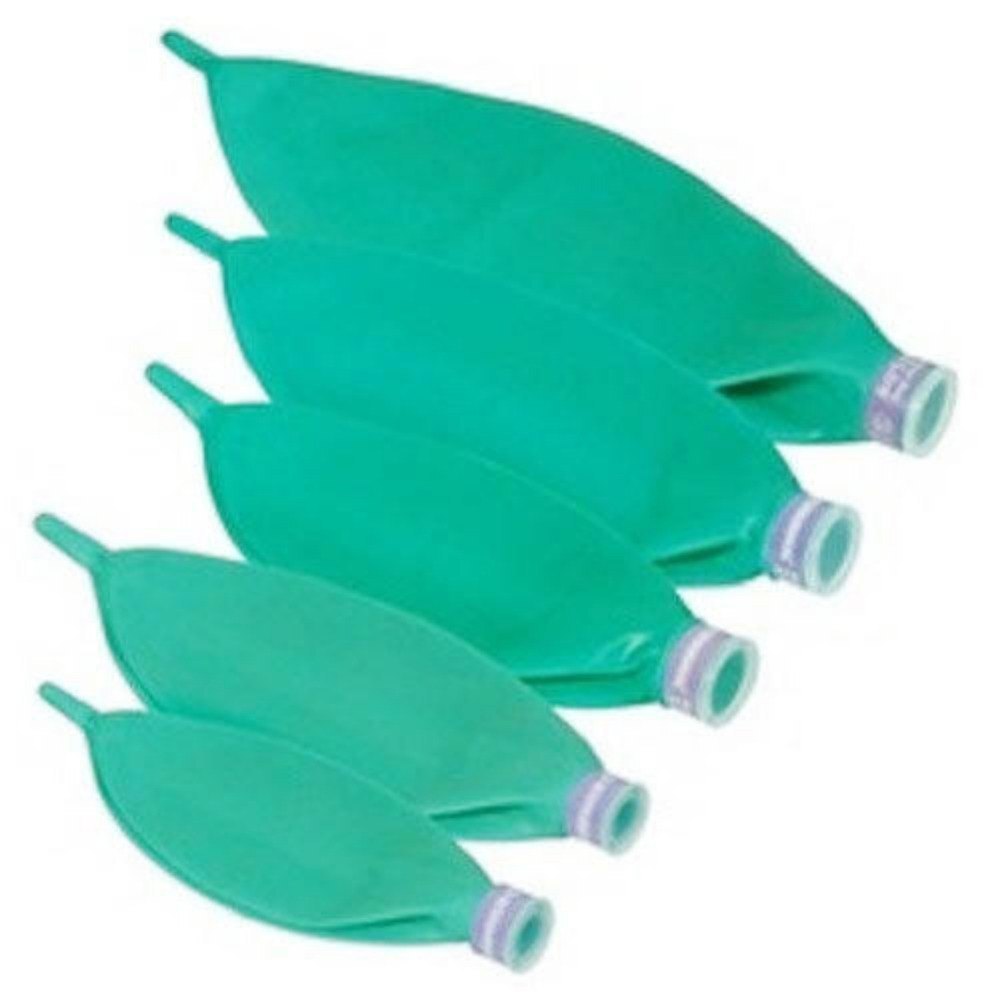
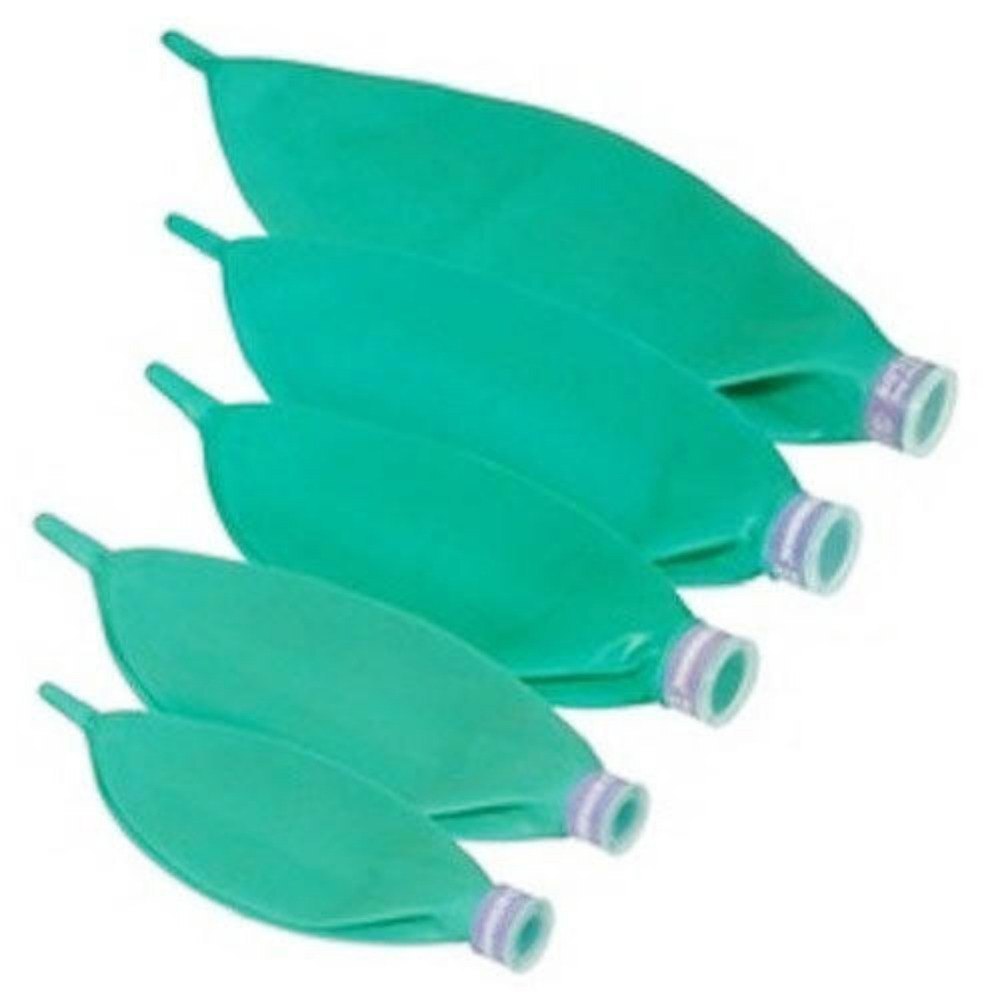

Rebreathing Bag Specification
- Usage Type
- Hospital/Clinical/Medical & Ambulance
- Measurement Range
- 0.5L to 3L
- Function
- To assist or control a patients ventilation by providing reservoir for gases
- Instruments Type
- Anaesthesia Accessory
- Features
- Latex or latex-free, Non-sterile, Autoclavable, Leak-proof, Highly elastic, Durable
- Shelf Life
- 5 Years
- Storage Instructions
- Store in cool, dry place, away from direct sunlight
- Equipment Type
- Rebreathing Bag
- Material
- Medical Grade Latex / Rubber
- Condition
- New
- Technology
- Manual Breathing Assisting
- Portable
- Yes
- Wall Mounted
- No
- Real-Time Operation
- Yes
- Noise Level
- Silent
- Operating Type
- Manual
- Use
- Anaesthesia & Respiratory Therapy
- Dimension (L*W*H)
- Available in various capacities (0.5L, 1L, 2L, 3L) sizes varies accordingly
- Weight
- Lightweight (Varies by capacity)
- Color
- Green or Black (Standard)
- Sterilization Method
- Autoclavable, chemical sterilization applicable
- Surface Finish
- Smooth, non-stick exterior
- Reusable
- Yes, autoclavable up to 134°C
- Application
- Suitable for adults and pediatric patients (depending on size)
- Connection Type
- Standard 22 mm fitting
- Biocompatibility
- Conforms to medical safety standards
- Burst Pressure
- Tested as per ISO 5362 standards
- Latex Free Option
- Available
About Rebreathing Bag
Inhalation Sedation EquipmentIn Sedation (Sixth Edition), 2018
Reservoir BagReservoir bags are bladder-type bags, made of latex-free material or silicone, ranging in size from 1???L to 8???L. The 3-L reservoir bag is the most frequently used in dentistry (Fig. 14.21). Although commonly used, latex-free bags deteriorate more rapidly than silicone bags, especially in areas in which high levels of atmospheric pollutants are found (the planet Earth).
The reservoir bag attaches to the base of the bag-tee, usually immediately below the emergency air inlet valve (see Figs. 14.19 and 14.21). A portion of the gas(es) delivered through the unit to the patient is diverted into the reservoir bag, where it may be used for any of several purposes.
Superior Material and Safety Standards
Crafted from premium medical-grade latex or latex-free materials, the rebreathing bag ensures maximum biocompatibility and adheres to medical safety regulations. Its burst pressure has been rigorously tested according to ISO 5362 standards, providing confidence in its performance and reliability.
Wide Application and Compatibility
This rebreathing bag is engineered with a standard 22 mm connection, making it compatible with most anaesthesia and respiratory therapy equipment. Available in various capacities, it accommodates both adults and children, ensuring versatile usage in hospitals, clinics, and ambulances.
Reusable, Durable, and Easy to Maintain
Designed for repeated use, the rebreathing bag is autoclavable up to 134C and supports chemical sterilization processes. Its smooth, non-stick surface simplifies cleaning and maintenance, while its high elasticity and robust construction guarantee a long service life of up to 5 years.
FAQ's of Rebreathing Bag:
Q: How should the rebreathing bag be sterilized before use?
A: The rebreathing bag can be sterilized either by autoclaving at temperatures up to 134C or through approved chemical sterilization methods. Always follow your facility's sterilization protocols to ensure patient safety and product longevity.Q: What are the available capacity options for the rebreathing bag?
A: The rebreathing bag comes in various sizes to suit different patient needs, with capacities ranging from 0.5 liters to 3 liters. Selecting the appropriate size is essential for effective ventilation, especially when used for adults or pediatric patients.Q: When should the latex-free option be considered?
A: The latex-free rebreathing bag is recommended for patients and clinical environments where latex allergies might be a concern. Opting for this version helps prevent allergic reactions and supports inclusive patient care.Q: Where can this rebreathing bag be used?
A: This rebreathing bag is suitable for use in hospitals, clinics, and ambulances. Its portable and lightweight design allows easy integration into different medical settings for anaesthesia or respiratory therapy.Q: What benefits does the reusable and autoclavable feature offer?
A: Reusable and autoclavable features make the bag cost-effective and environmentally friendly, reducing medical waste. Regular sterilization enables prolonged use without compromising hygiene and performance.Q: How does the rebreathing bag operate during clinical procedures?
A: The bag functions as a manual breathing assist device, offering a reservoir for gases during anaesthesia or when controlling ventilation. It ensures silent, leak-proof performance and provides real-time operation for efficient patient management. Get Latest Price
Tell us about your requirement

Price:
Quantity
Select Unit
- 50
- 100
- 200
- 250
- 500
- 1000+
Additional detail
Mobile number
Email

More Products in Intubation Devices And Accessories Category
Shepard & Mini Shepard
Price 1650 INR / Piece
Minimum Order Quantity : 10 Pieces
Usage Type : Professional and laboratory
Use : Inspection and precise observation
Condition : New
Wall Mounted : No
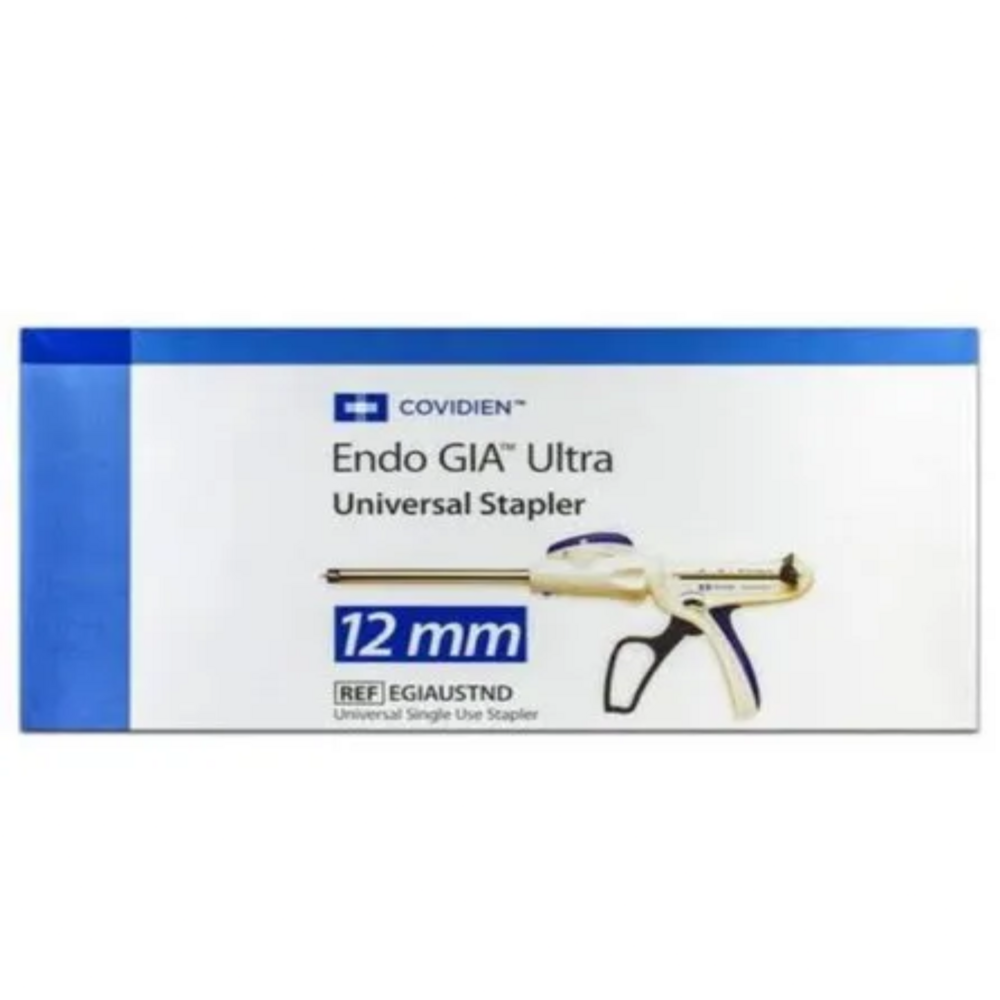
COVIDIEN ENDO GIA ALTTRA UNIVERSAL STAPLER
Price 1650 INR / Piece
Minimum Order Quantity : 10 Pieces
Usage Type : Singleuse, Disposable
Use : Laparoscopic and Open Surgery Tissue Resection and Anastomosis
Condition : New
Wall Mounted : No
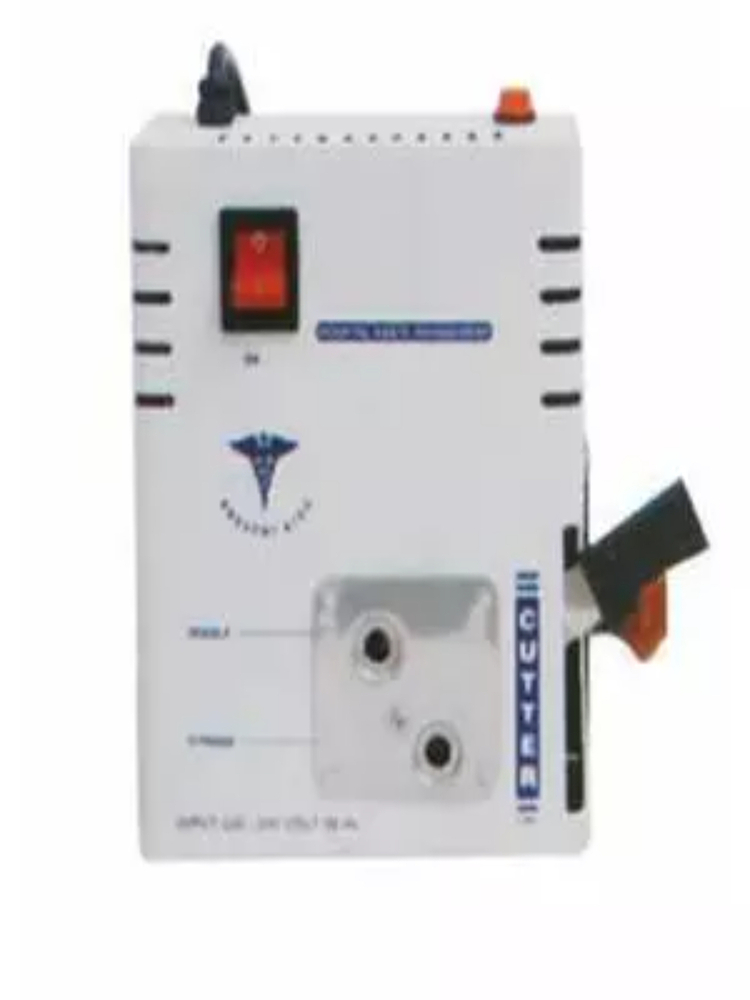
NEEDLE DESTROYED ELECTRIC
Price 3000 INR / Piece
Minimum Order Quantity : 10 Pieces
Usage Type : Hospital, Clinic, Laboratory
Use : Destruction of Used Needles
Condition : New
Wall Mounted : Other, No (Tabletop Unit)
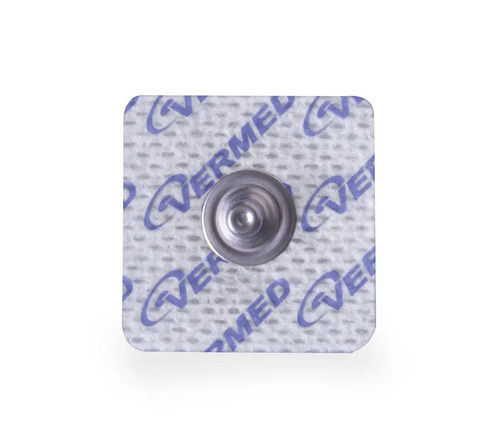
NEO LEAD
Price 1650 INR / Piece
Minimum Order Quantity : 10 Pieces
Usage Type : Single Use
Use : Cardiac Monitoring, Diagnostic ECG Recording
Condition : New
Wall Mounted : No

Mark Enterprises
GST : 09CGDPG2368E1ZJ
GST : 09CGDPG2368E1ZJ
56/A, Gali No-3, Jai Bharat Enclave, Sahibabad, Lajpat Nagar,Ghaziabad - 201005, Uttar Pradesh, India
Phone :08045813058

 Send Inquiry
- Breathing Circuit and Accessories
- Airway Management
- Intubation Devices And Accessories
- Tracheostomy Tube
- Endotracheal Tube
- Anaesthesia Face Mask
- CPAP And BIPAP Mask And Accessories
- HMES And HMFS Breathing Filter
- Oxygen And Nebulization Therapy Products
- Neonatal Care Products
- Gel Positioner
- Medical Grade CSSD Products
- Catheter Kit
- Suction Tube
- Besmed NICU Care Products
- Surgical Gown
- Nasal Cannula
- Urology Products
- Infusion Pump
- Prone Head Positioner With Mirror
- Cautery Pencil
- Pulse Oximeter
- Nebulizer Machine
- Foley Catheter
- Oxygen Flow Meter
- Strile Spiral Extension Line
- Yankauer Suction Set
- CPAP System
- AIRWAY TUBE
- AMBU BEG
 Send Inquiry
 Send SMS
 Call Me Free
Mark Enterprises
All Rights Reserved.(Terms of Use)
Developed and Managed by Infocom Network Private Limited.
Developed and Managed by Infocom Network Private Limited.

