

Call us now
08045813058
SUPINE POSITION
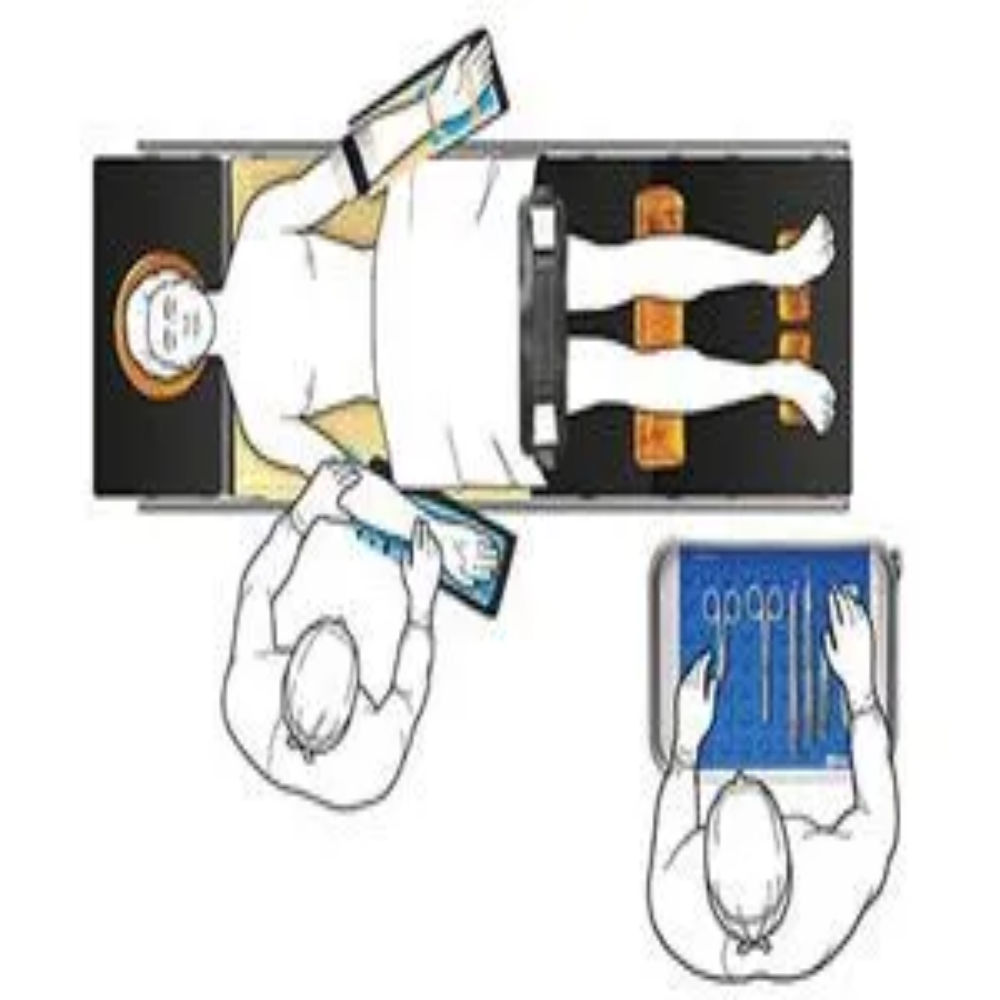
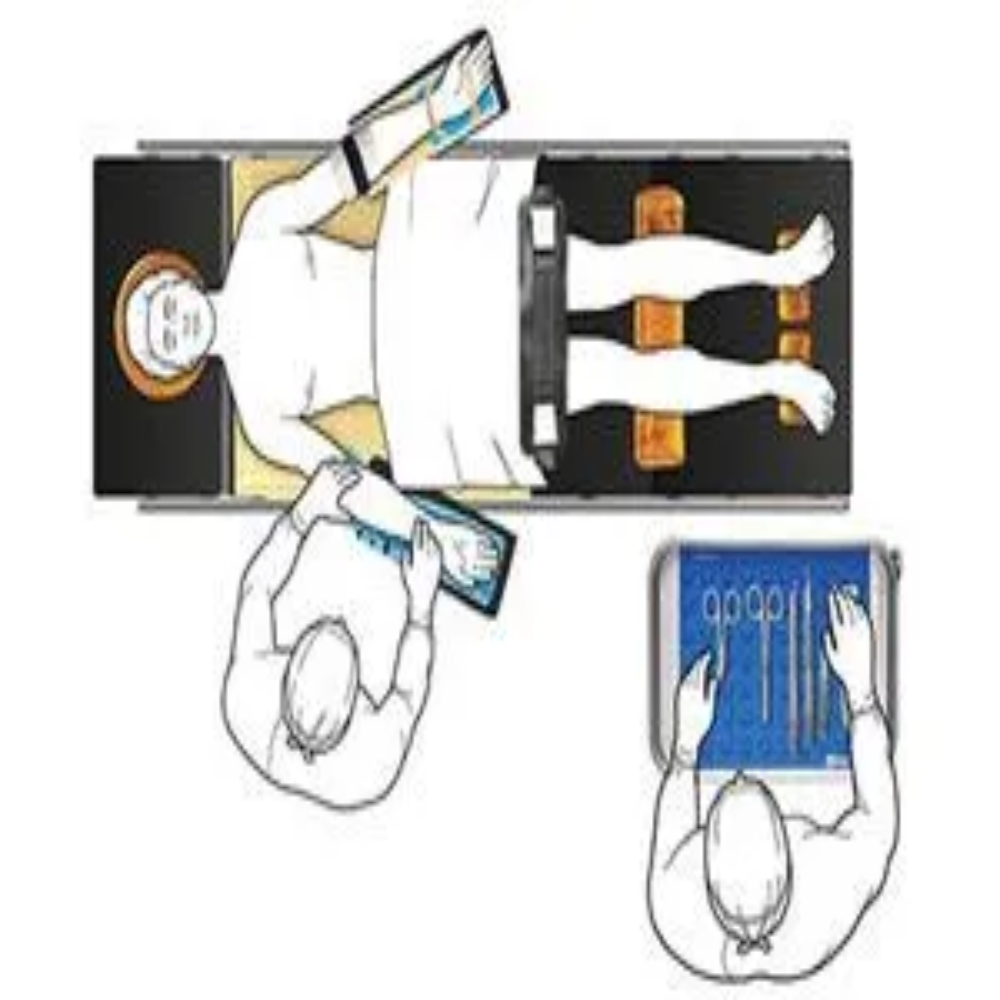
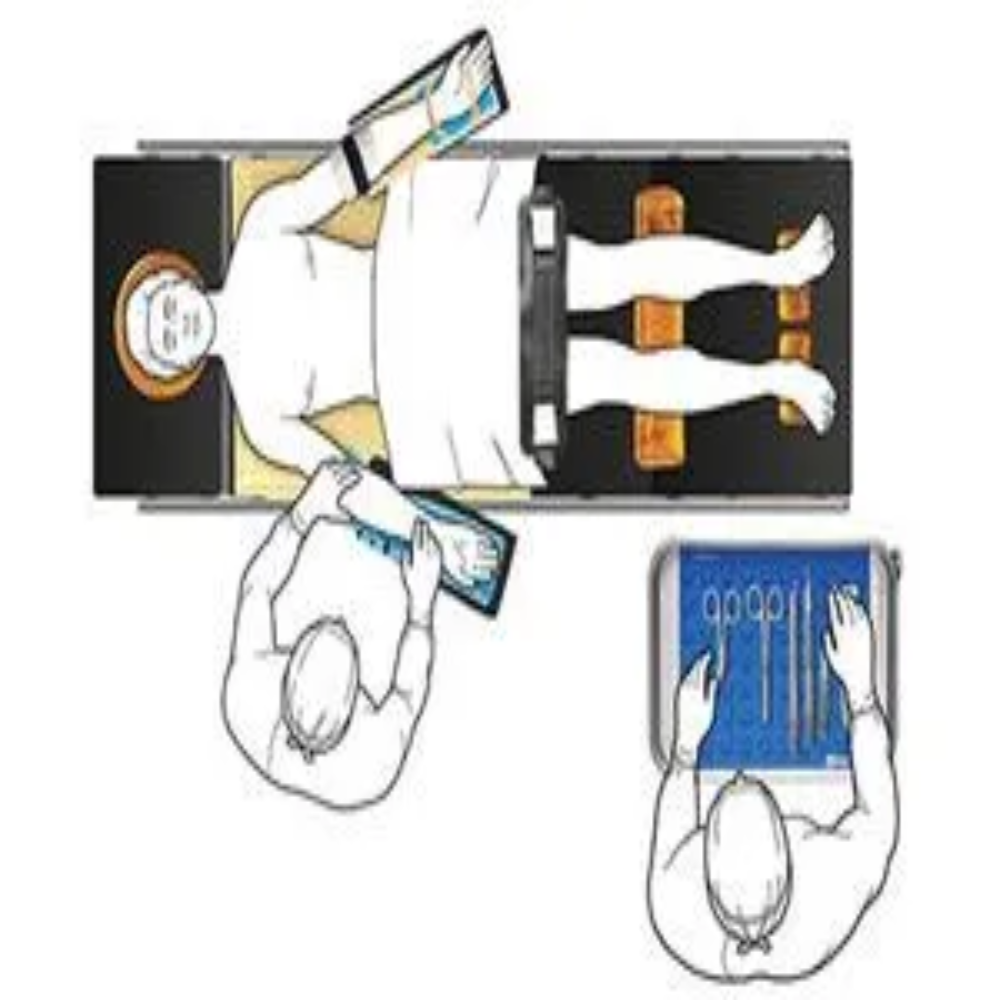

SUPINE POSITION Specification
- Accuracy
- Highly Accurate Patient Positioning
- Usage Type
- Hospital/Clinical
- Storage Instructions
- Store in Dry Place, Away from Moisture
- Features
- Ergonomic Support, Easy to Clean, Sturdy Frame
- Function
- Maintains Patient in Supine Position
- Shelf Life
- 5 Years (estimated)
- Instruments Type
- Hospital Furniture
- Equipment Type
- Patient Positioning Device
- Material
- Mild Steel, Foam, Synthetic Leather
- Condition
- New
- Technology
- Manual Adjustment
- Portable
- Yes
- Wall Mounted
- No
- Real-Time Operation
- Yes
- Noise Level
- Silent
- Operating Type
- Manual
- Use
- Medical Positioning for Procedures/Examinations
- Dimension (L*W*H)
- 2000mm x 600mm x 500mm (approx.)
- Weight
- Approx. 30 kg
- Color
- Blue/Black (Standard Options)
- Padding Thickness
- High Density Foam (approx. 40-60mm)
- Patient Capacity
- 1 Adult
- Safety Feature
- Rounded Corners, Firm Stability
- Slip Resistance
- Anti-Skid Base
- Cleaning Method
- Surface Wipe, Disinfectant Suitable
- Headrest Adjustment
- Included
About SUPINE POSITION
The supine position (EsuEpaEan/) means lying horizontally with the face and torso facing up, as opposed to the prone position, which is face down. When used in surgical procedures, it grants access to the peritoneal, thoracic and pericardial regions; as well as the head, neck and extremities.[1]
Using anatomical terms of location, the dorsal side is down, and the ventral side is up, when supine.
Ergonomic Design for Enhanced Comfort
The device features an ergonomic structure, including high-density foam padding and a manually adjustable headrest, ensuring patients remain comfortable during lengthy procedures. Rounded corners and a sturdy frame further increase safety and patient well-being.
Safe and Stable Positioning Solution
Engineered for firm stability with an anti-skid base, this patient positioning device minimizes movement, even during active procedures. Its silent operation and highly accurate patient positioning guarantee reliable function for all hospital and clinical settings.
Effortless Maintenance and Portability
Maintenance is simple-just wipe surfaces with a disinfectant-compatible cleaner. The device is lightweight, requires manual operation, and is easily portable, making it ideal for fast-paced hospital and clinical environments without the need for wall mounting.
FAQ's of SUPINE POSITION:
Q: How is the supine position maintained with this device during medical procedures?
A: The device uses highly accurate patient positioning supported by high-density foam and an adjustable headrest, securing the patient in a comfortable and stable supine position through manual adjustment.Q: What materials are used for the padding and frame to ensure durability and hygiene?
A: High-density foam (approx. 40-60mm) provides cushioning while the frame is built from mild steel and covered with synthetic leather. These materials are chosen for durability, easy cleaning, and resistance to moisture when stored as instructed.Q: When should this positioning device be used in clinical settings?
A: This equipment is ideal for any procedure or examination where maintaining a supine position is required, particularly in hospitals or clinics focused on patient safety and comfort.Q: Where can this device be placed in a hospital or clinic?
A: Designed for portability and freestanding use, it does not require wall mounting and can be conveniently moved and used wherever accurate patient positioning in the supine position is needed.Q: What is the recommended cleaning process for this patient positioning device?
A: Cleaning is straightforward-surface wipe with a suitable disinfectant is recommended. Avoid using harsh chemicals and ensure the device is stored in a dry location away from moisture.Q: What benefits does the anti-skid base and ergonomic features provide?
A: The anti-skid base ensures the device remains stable on clinical floors, significantly reducing movement risk. Ergonomic features, including rounded corners and thick padding, maximize both safety and patient comfort.Q: How does manual adjustment technology enhance patient care during use?
A: Manual adjustment allows for real-time operation and precise modifications to the patient's position, facilitating effective monitoring and adaptability during various medical procedures. Get Latest Price
Tell us about your requirement

Price:
Quantity
Select Unit
- 50
- 100
- 200
- 250
- 500
- 1000+
Additional detail
Mobile number
Email

More Products in Intubation Devices And Accessories Category
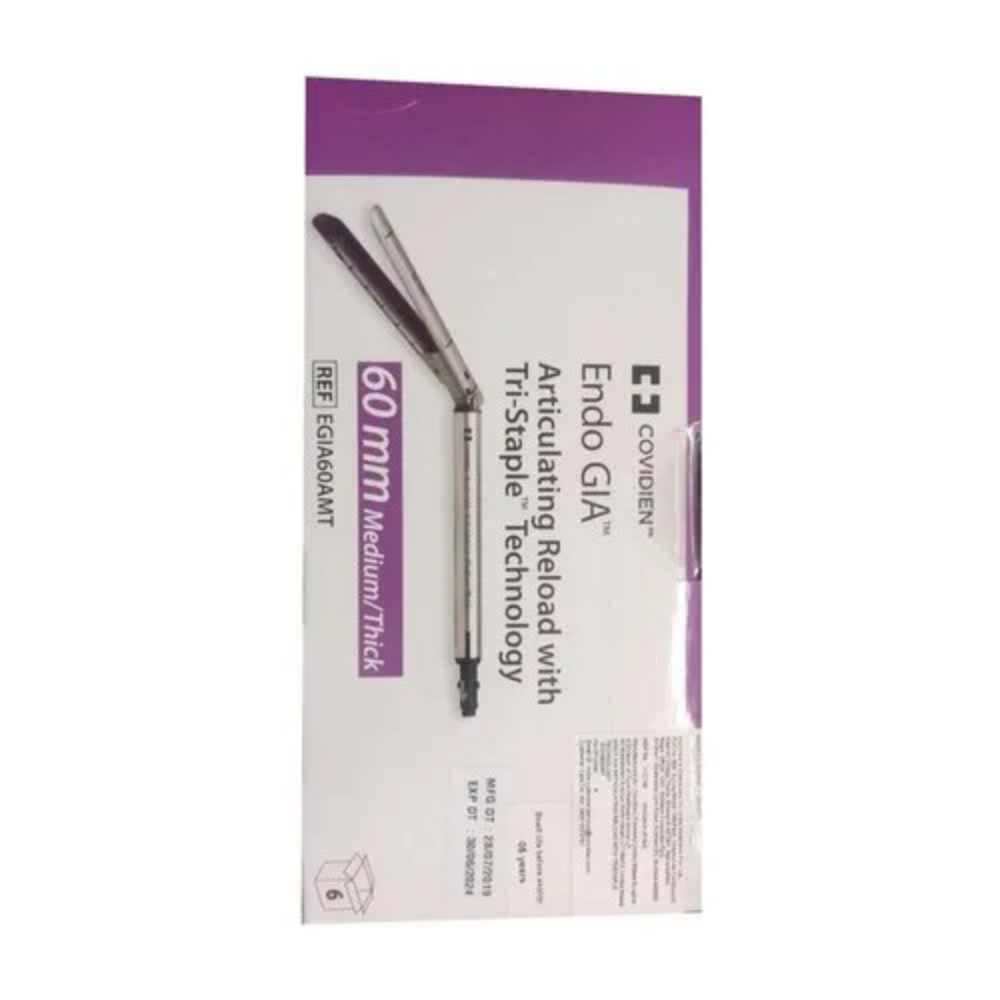
COVIDIEN ENDO GIA ARTICULATING RELOAD WITH TRI SLAPER INTRODUCING
Price 1550 INR / Piece
Minimum Order Quantity : 10 Pieces
Usage Type : Disposable, singleuse
Accuracy : Consistent staple formation; high reliability
Technology : TriStaple Technology
Color : Colorcoded by staple size and reload type
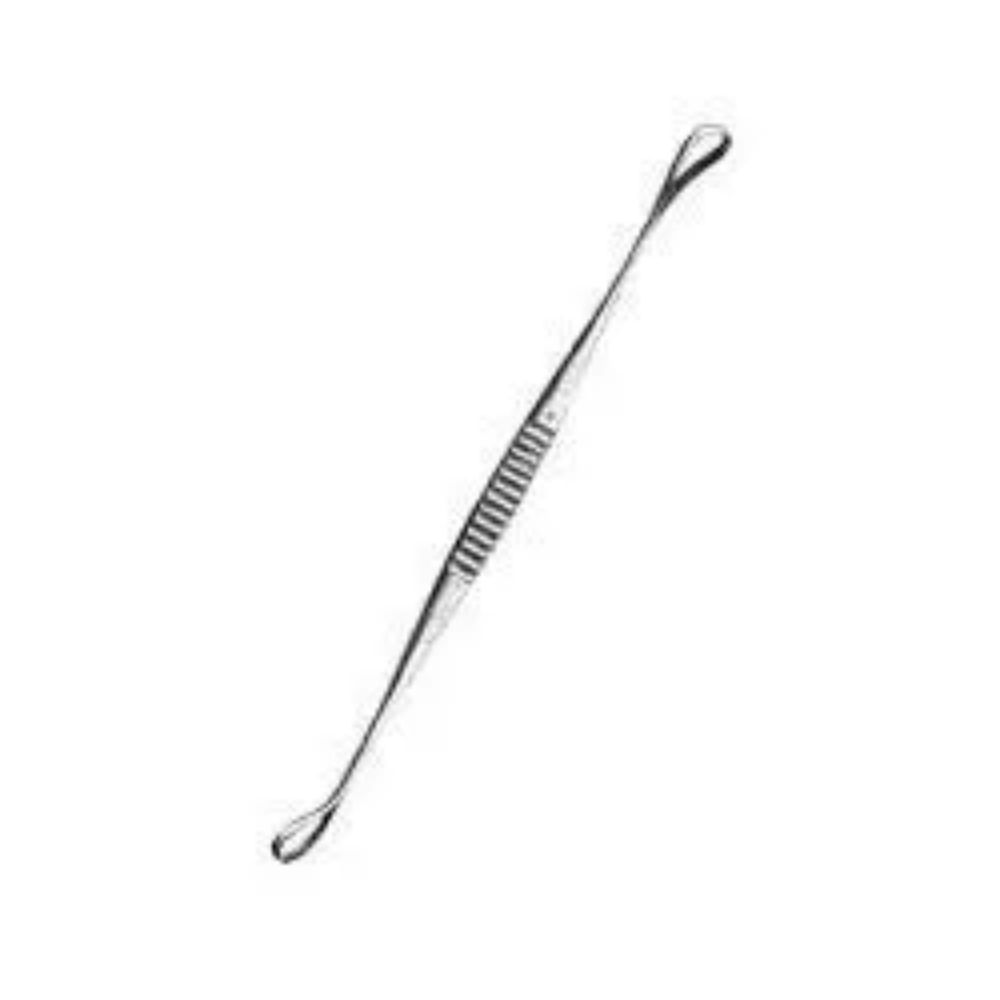
UTERINE CURETTE
Price 1950 INR / Piece
Minimum Order Quantity : 10 Pieces
Usage Type : Hospital, Clinic
Accuracy : Highly Accurate for Intended Use
Technology : Manual
Color : Silver
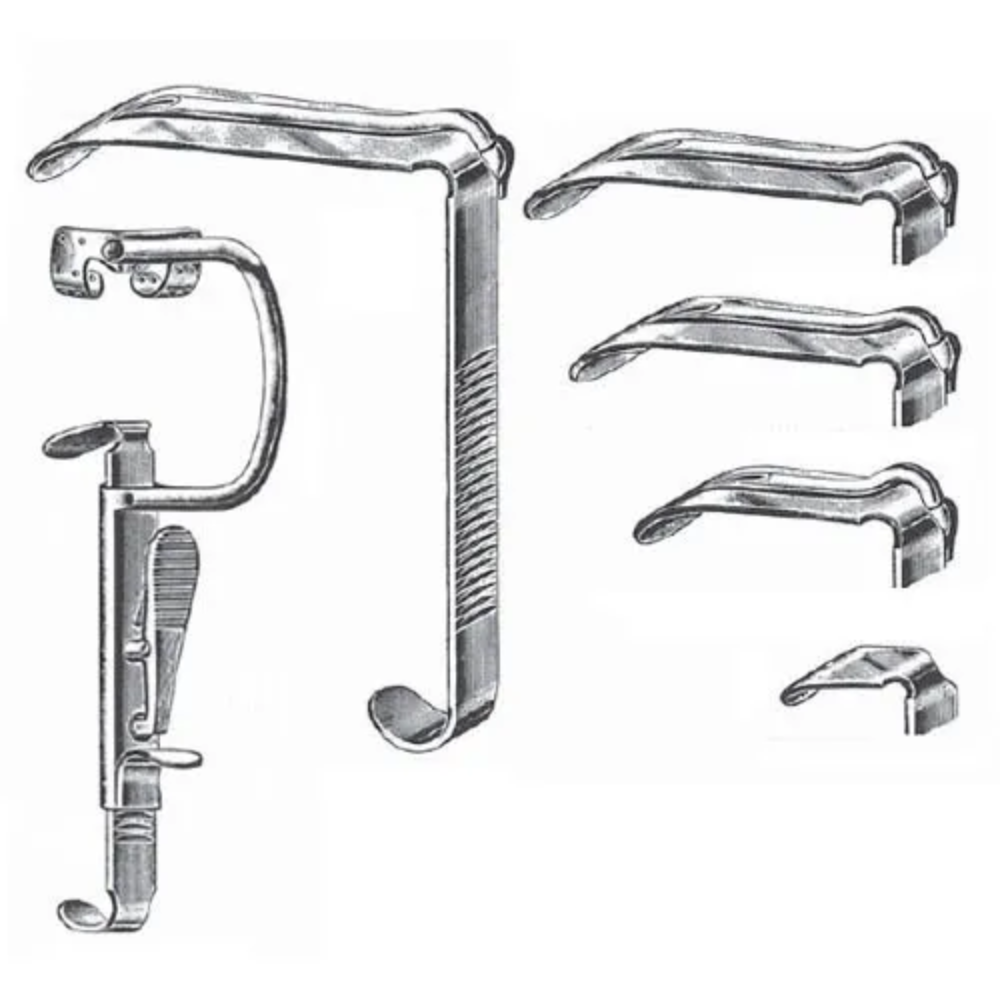
MOUTH GAG DAVIS BOYLE
Price 10 INR / Piece
Minimum Order Quantity : 10 Pieces
Usage Type : Surgical, Hospital Use
Accuracy : Instrument Not a measuring device
Technology : Manual
Color : Silver
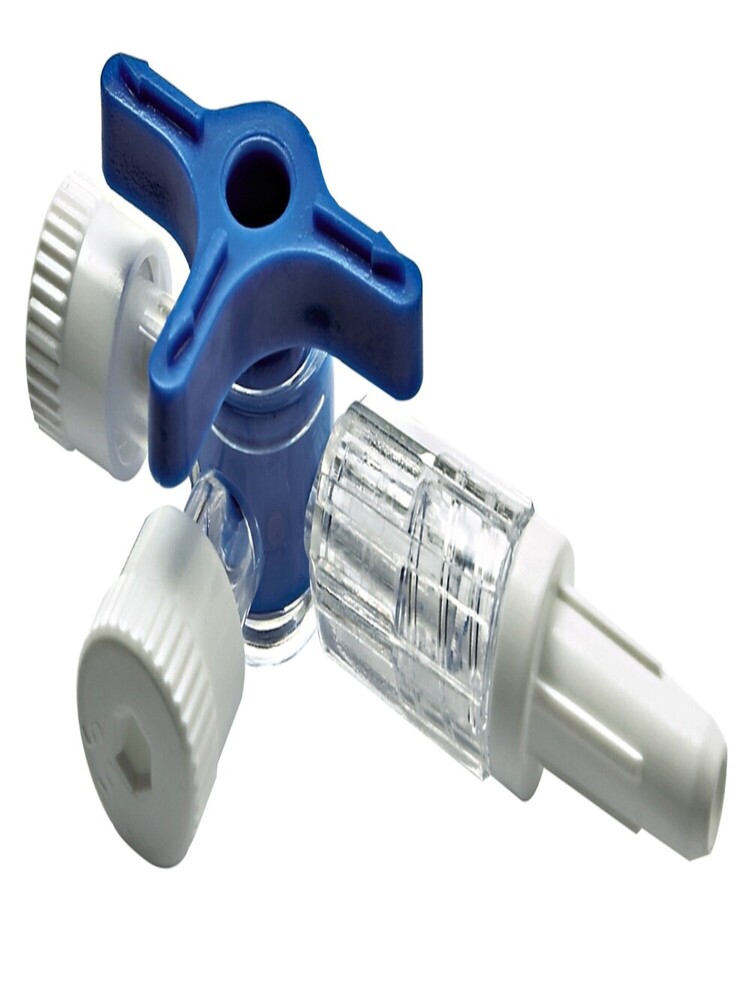
THREE WAY STOP COCK
Price 1650 INR / Piece
Minimum Order Quantity : 10 Pieces
Usage Type : Singleuse, disposable
Accuracy : Precise fluid flow control
Technology : Injection moulded, precisely engineered
Color : Transparent body with blue or red tap

Mark Enterprises
GST : 09CGDPG2368E1ZJ
GST : 09CGDPG2368E1ZJ
56/A, Gali No-3, Jai Bharat Enclave, Sahibabad, Lajpat Nagar,Ghaziabad - 201005, Uttar Pradesh, India
Phone :08045813058

 Send Inquiry
- Breathing Circuit and Accessories
- Airway Management
- Intubation Devices And Accessories
- Tracheostomy Tube
- Endotracheal Tube
- Anaesthesia Face Mask
- CPAP And BIPAP Mask And Accessories
- HMES And HMFS Breathing Filter
- Oxygen And Nebulization Therapy Products
- Neonatal Care Products
- Gel Positioner
- Medical Grade CSSD Products
- Catheter Kit
- Suction Tube
- Besmed NICU Care Products
- Surgical Gown
- Nasal Cannula
- Urology Products
- Infusion Pump
- Prone Head Positioner With Mirror
- Cautery Pencil
- Pulse Oximeter
- Nebulizer Machine
- Foley Catheter
- Oxygen Flow Meter
- Strile Spiral Extension Line
- Yankauer Suction Set
- CPAP System
- AIRWAY TUBE
- AMBU BEG
 Send Inquiry
 Send SMS
 Call Me Free
Mark Enterprises
All Rights Reserved.(Terms of Use)
Developed and Managed by Infocom Network Private Limited.
Developed and Managed by Infocom Network Private Limited.

