

Call us now
08045813058
PROCTOSCOPE BRASS INSTRUMENT
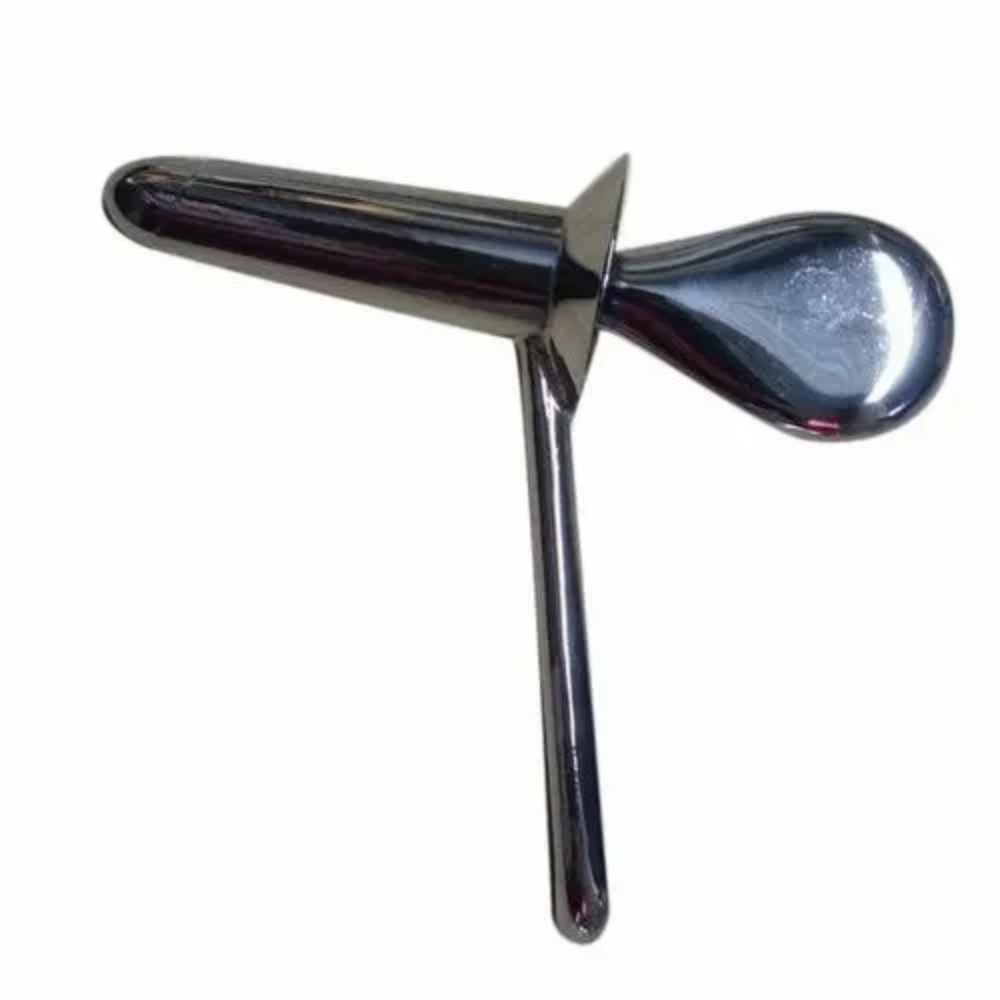
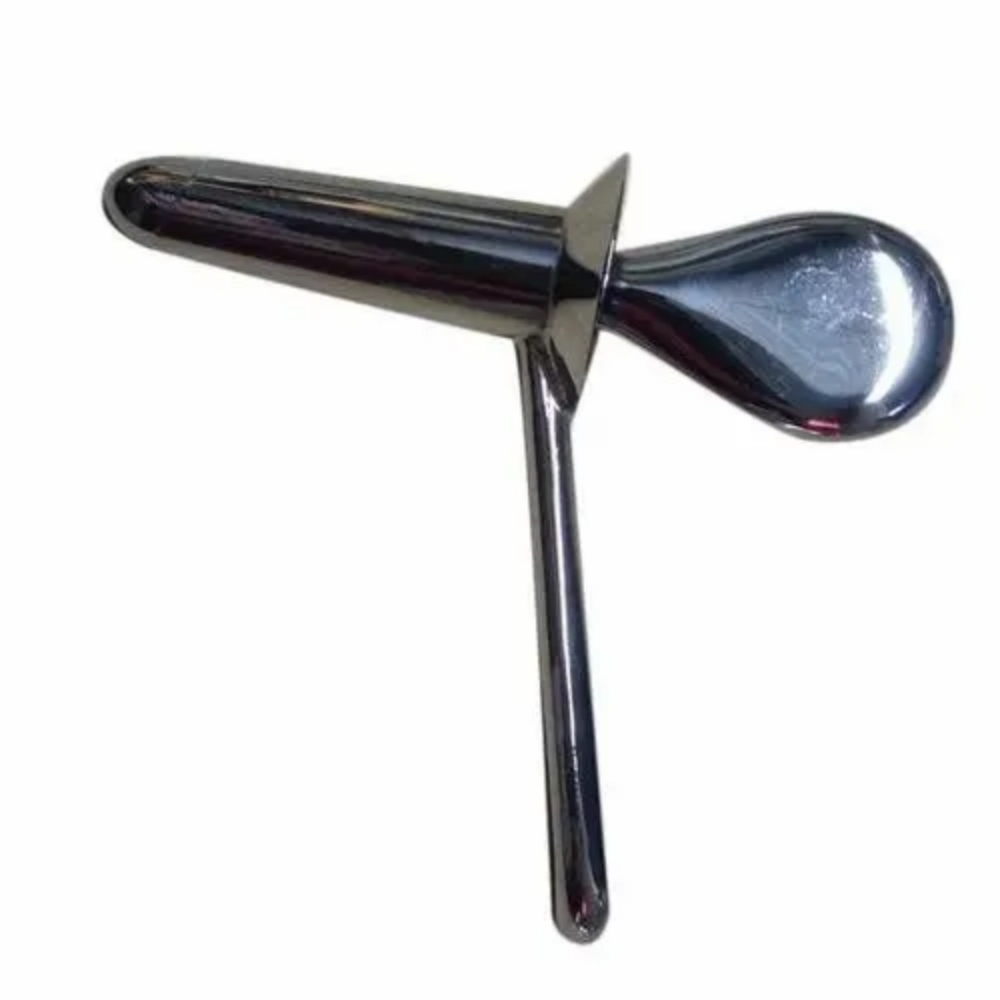
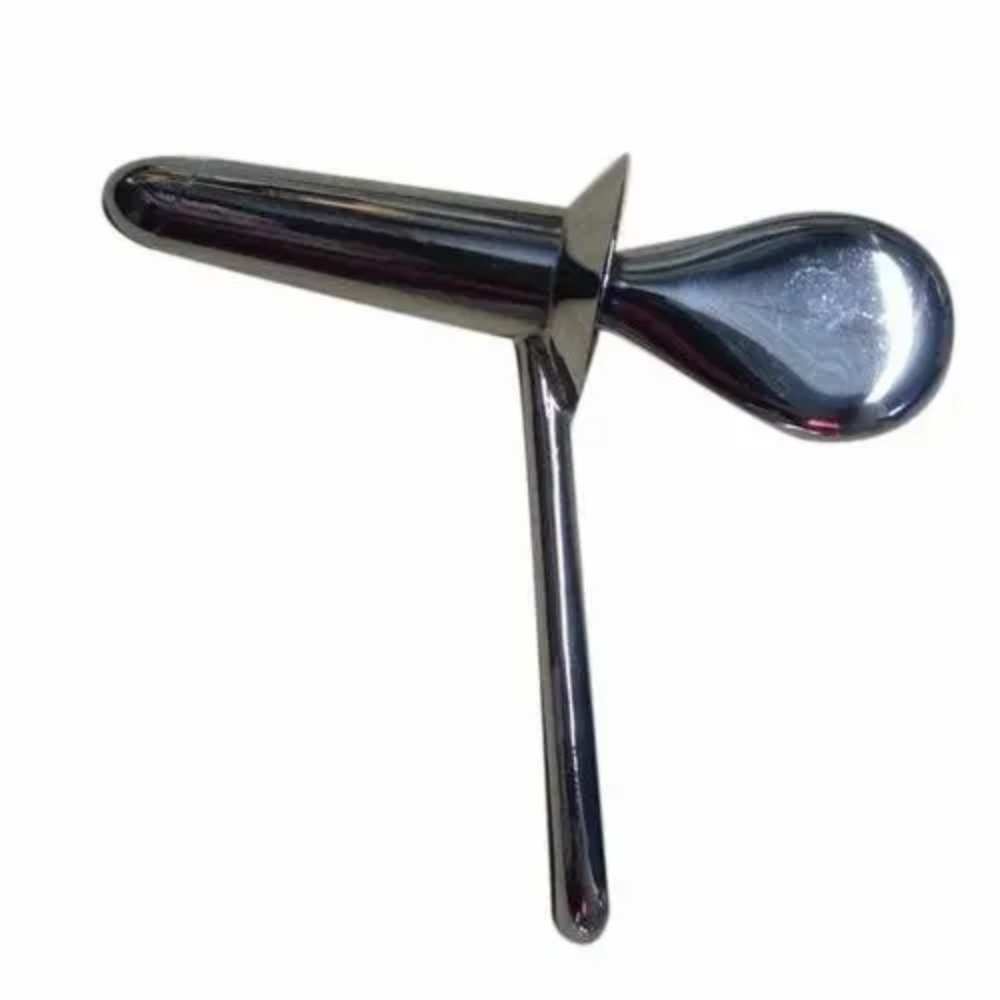
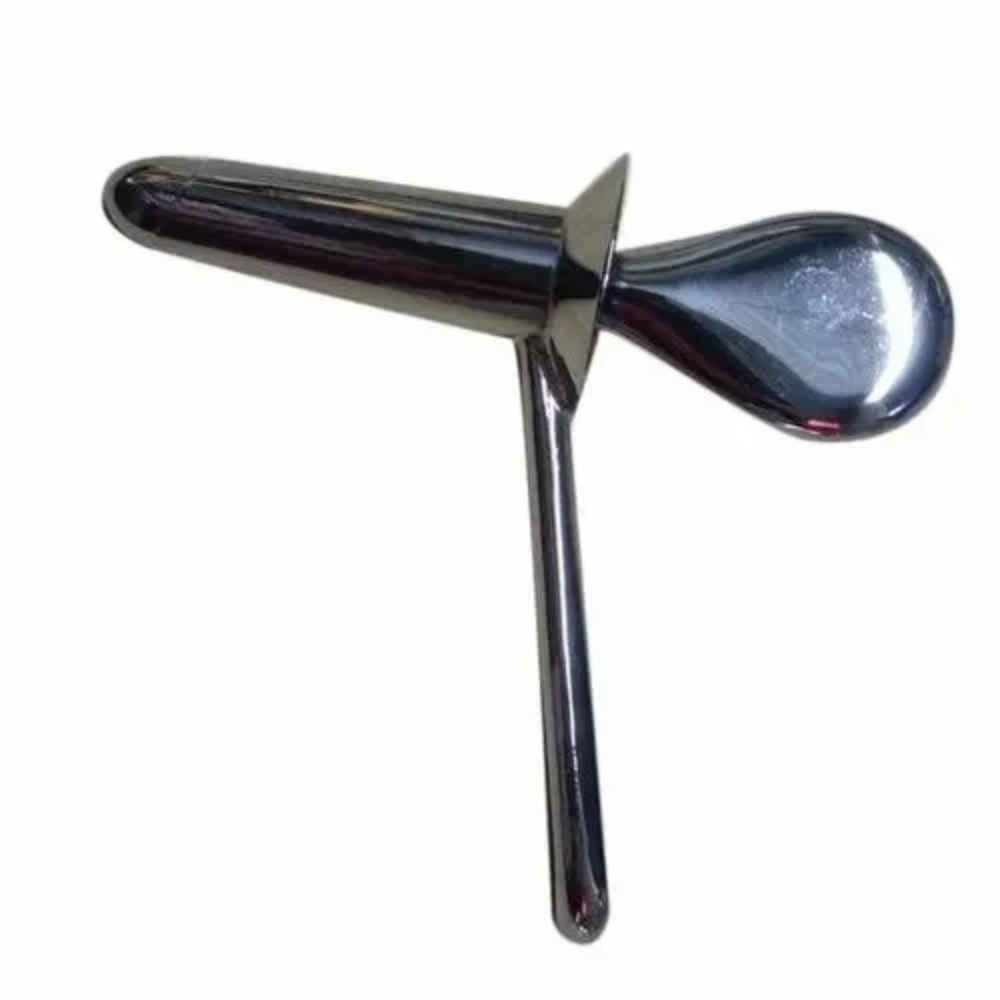

PROCTOSCOPE BRASS INSTRUMENT Specification
- Storage Instructions
- Store in a clean dry place
- Instruments Type
- Surgical Instrument
- Accuracy
- High (as per medical standards)
- Shelf Life
- Long Life
- Features
- Reusable, Corrosion Resistant, Durable, Easy to Sterilize
- Usage Type
- Diagnostic
- Function
- For examination of anal and rectal area
- Equipment Type
- Proctoscope Brass Instrument
- Material
- Brass
- Condition
- New
- Technology
- Manual
- Portable
- Yes
- Wall Mounted
- No
- Real-Time Operation
- No
- Noise Level
- Silent
- Operating Type
- Manual
- Use
- Rectal examination
- Power Consumption
- Nil
- Dimension (L*W*H)
- Approx. 10-15 cm length
- Weight
- Approx. 150-250 grams
- Color
- Golden - Brass Finish
- Edge Profile
- Smooth Rounded
- Application Area
- Anorectal Diagnosis
- Reusable
- Yes
- Latex Free
- Yes
- Model Type
- Cylindrical (with obturator)
- Disposal
- Non-disposable
- Finish Type
- Polished Brass
- Sterilization
- Autoclavable
- Handle Type
- Integrated grip handle
- Radiopacity
- No
About PROCTOSCOPE BRASS INSTRUMENT
Proctoscopy, or rectoscopy, is a common medical procedure in which an instrument called a proctoscope (also known as a rectoscope, although the latter may be a bit longer) is used to examine the anal cavity, rectum, or sigmoid colon. A proctoscope is a short, straight, rigid, hollow metal tube, and usually has a small light bulb mounted at the end. It is approximately 15 cm (5 inches) long, while a rectoscope is approximately 25 cm (10 inches) long.[1] During proctoscopy, the proctoscope is lubricated and inserted into the rectum, and then the obturator is removed, allowing an unobstructed view of the interior of the rectal cavity. This procedure is normally done to inspect for hemorrhoids or rectal polyps and might be mildly uncomfortable as the proctoscope is inserted further into the rectum. Modern fibre-optic proctoscopes allow more extensive observation with less discomfortEngineered for Accurate Diagnosis
The Proctoscope Brass Instrument delivers high diagnostic accuracy, meeting stringent medical standards. Its smooth, rounded edge profile minimizes patient discomfort, while the cylindrical design and obturator aid in precise anorectal examinations. This instrument is an essential tool for surgeons and diagnostic professionals seeking reliable results.
Built for Durability and Ease of Sterilization
Crafted from corrosion-resistant brass and designed for repeated reuse, this proctoscope offers a long service life. The polished finish not only adds to the instrument's aesthetic but also ensures it is easy to clean and sterilize through autoclaving, making infection control convenient and effective.
Convenient and Practical in Clinical Settings
Weighing approximately 150-250 grams and measuring about 10-15 cm in length, the instrument is lightweight, portable, and simple to handle. Its integrated grip handle offers secure control, and its manual operation requires no power, providing silent, real-time usability in any clinical environment.
FAQ's of PROCTOSCOPE BRASS INSTRUMENT:
Q: How is the Proctoscope Brass Instrument sterilized after use?
A: This proctoscope is autoclavable, meaning it can be sterilized using standard autoclaving procedures in a medical facility to ensure hygiene and safety for repeated use.Q: What are the primary benefits of choosing a brass proctoscope for rectal examinations?
A: Brass offers corrosion resistance, durability, and ease of sterilization. The polished finish and smooth, rounded edges also help reduce patient discomfort during examination.Q: When should the Proctoscope Brass Instrument be used in medical practice?
A: It should be used during anorectal diagnostic procedures, primarily for rectal examinations to assist in identifying and evaluating anal and rectal abnormalities.Q: Where can this instrument be stored when not in use?
A: Store the proctoscope in a clean, dry place to ensure it remains corrosion-free and ready for subsequent use, following the supplied storage instructions.Q: What safety considerations should be followed during use?
A: Always inspect the instrument for integrity and cleanliness before use. Ensure it is appropriately sterilized and handled with care to maintain patient safety and comfort during examination.Q: How does the integrated grip handle enhance usage?
A: The integrated grip handle provides better control and stability, enabling clinicians to perform precise and comfortable examinations with greater ease.Q: Is the Proctoscope Brass Instrument suitable for repeated use?
A: Yes, it is designed to be reusable, provided it is correctly sterilized after each use, making it cost-effective and environmentally friendly in clinical settings. Get Latest Price
Tell us about your requirement

Price:
Quantity
Select Unit
- 50
- 100
- 200
- 250
- 500
- 1000+
Additional detail
Mobile number
Email

More Products in Intubation Devices And Accessories Category
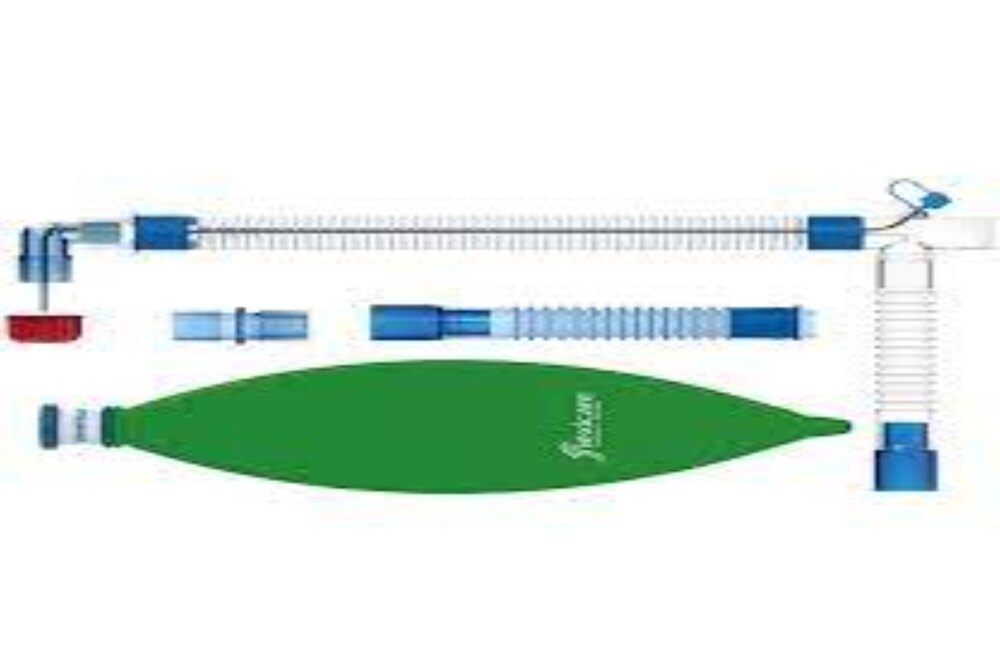
INTELIFLO SYSTEMS CIRCUIT
Price 1250 INR / Piece
Minimum Order Quantity : 10 Pieces
Technology : MicrocontrollerBased System
Color : Green with MultiColored Components
Operating Type : Automatic
Function : Continuous Monitoring, Signal Processing
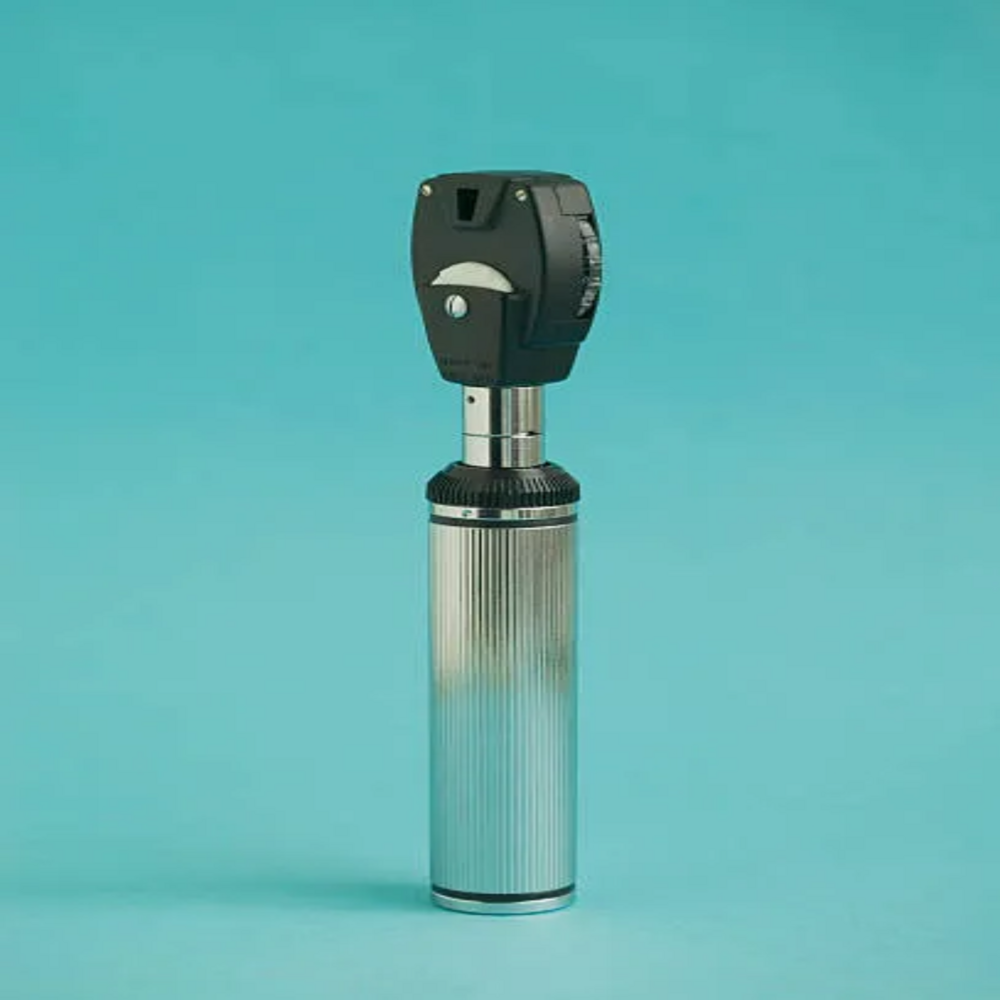
OPTHOLMOSCOPE INSTRUMENT
Price 1000 INR / Piece
Minimum Order Quantity : 10 Pieces
Technology : Halogen bulb illumination
Color : Black body, chrome finish
Operating Type : Other, Handheld
Function : Visualizes retina and optic nerve
prosthesis Piston type Loop
Price 1550 INR / Piece
Minimum Order Quantity : 10 Pieces
Technology : Piston Type Loop Design
Color : Silver Metallic
Operating Type : Other, Manual Placement
Function : Hearing Restoration; Ossicular Chain Reconstruction
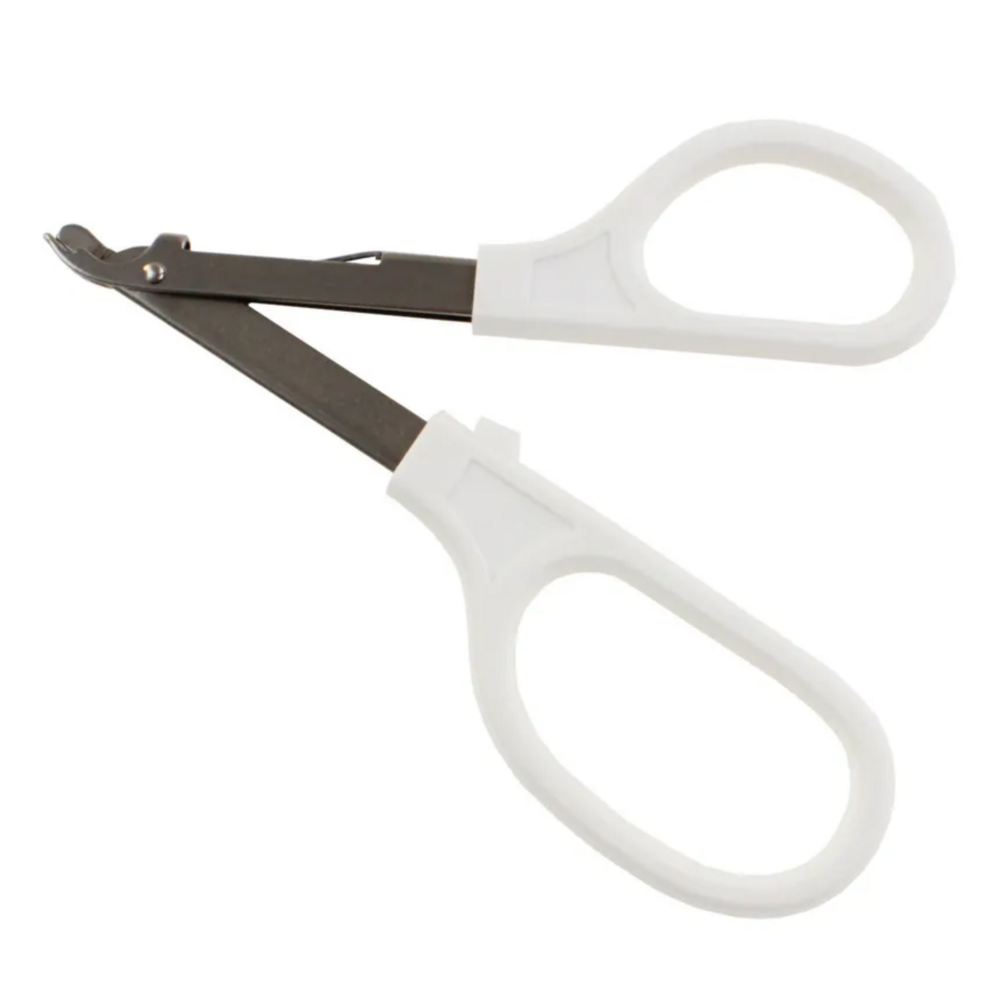
DISPOSABLE SKIN STAPLER REMOVER
Price 1650 INR / Piece
Minimum Order Quantity : 10 Pieces
Technology : Manual
Color : White
Operating Type : Manual
Function : Removal of skin staples after surgical procedures

Mark Enterprises
GST : 09CGDPG2368E1ZJ
GST : 09CGDPG2368E1ZJ
56/A, Gali No-3, Jai Bharat Enclave, Sahibabad, Lajpat Nagar,Ghaziabad - 201005, Uttar Pradesh, India
Phone :08045813058

 Send Inquiry
- Breathing Circuit and Accessories
- Airway Management
- Intubation Devices And Accessories
- Tracheostomy Tube
- Endotracheal Tube
- Anaesthesia Face Mask
- CPAP And BIPAP Mask And Accessories
- HMES And HMFS Breathing Filter
- Oxygen And Nebulization Therapy Products
- Neonatal Care Products
- Gel Positioner
- Medical Grade CSSD Products
- Catheter Kit
- Suction Tube
- Besmed NICU Care Products
- Surgical Gown
- Nasal Cannula
- Urology Products
- Infusion Pump
- Prone Head Positioner With Mirror
- Cautery Pencil
- Pulse Oximeter
- Nebulizer Machine
- Foley Catheter
- Oxygen Flow Meter
- Strile Spiral Extension Line
- Yankauer Suction Set
- CPAP System
- AIRWAY TUBE
- AMBU BEG
 Send Inquiry
 Send SMS
 Call Me Free
Mark Enterprises
All Rights Reserved.(Terms of Use)
Developed and Managed by Infocom Network Private Limited.
Developed and Managed by Infocom Network Private Limited.

