

Call us now
08045813058
CENTRAL VENOUS CATHETER
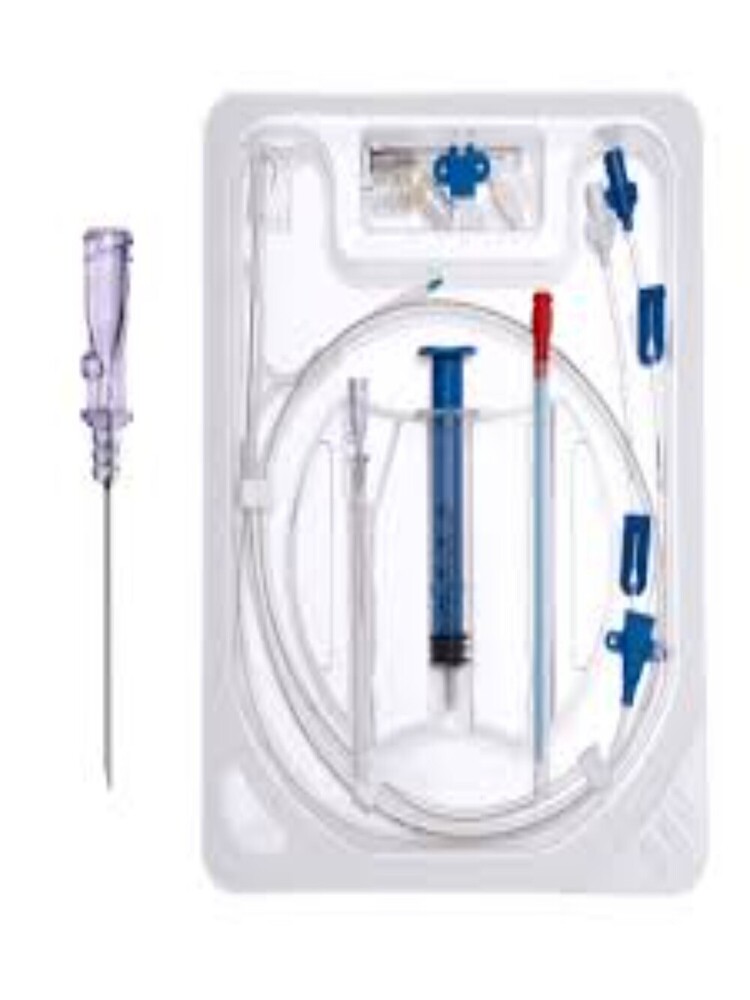
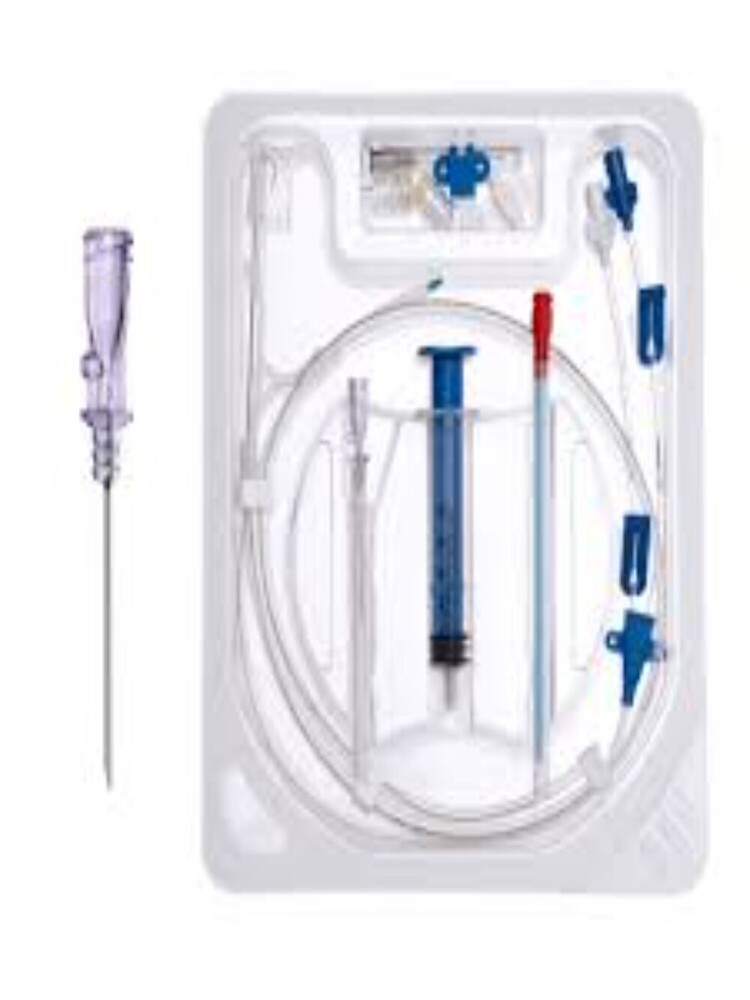
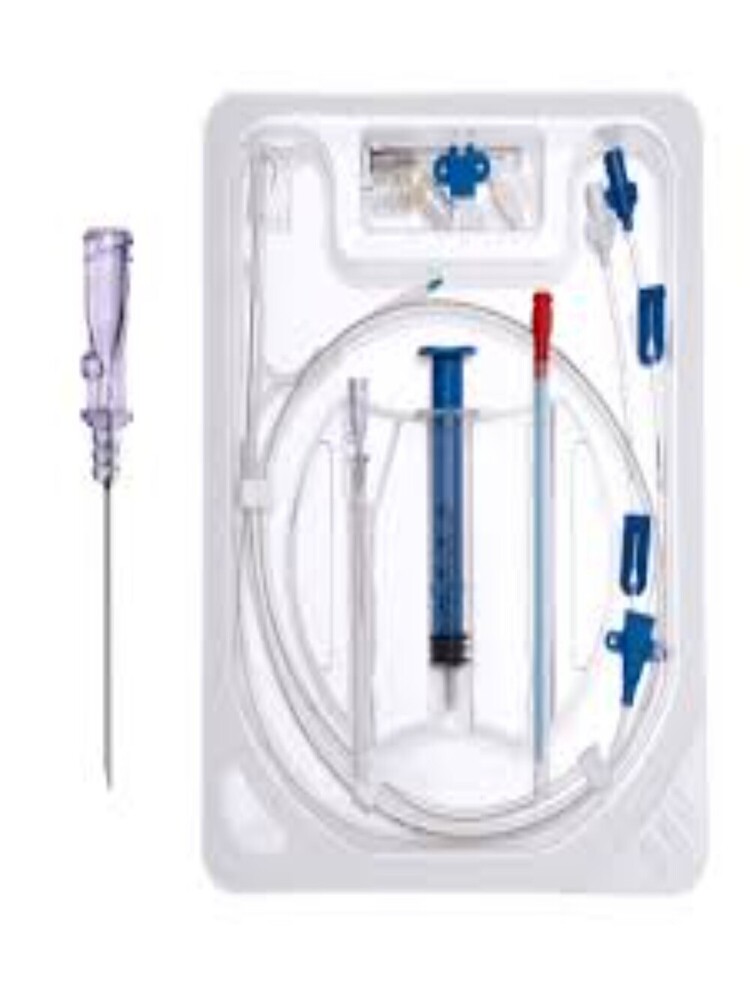

CENTRAL VENOUS CATHETER Specification
- Function
- Central Venous Access, Blood Sampling, Medication Administration
- Shelf Life
- 3-5 Years (Unopened, Sterile Pack)
- Storage Instructions
- Store in Cool, Dry Place; Protect from Sunlight
- Instruments Type
- Invasive Medical Device
- Features
- Multiple Lumen, Kink Resistant, Radio-opaque for X-ray Detection
- Accuracy
- High Placement Accuracy with Anatomical Guidance
- Usage Type
- Disposable, Single Use
- Equipment Type
- Central Venous Catheter
- Material
- Polyurethane / Medical Grade Plastic
- Condition
- New
- Technology
- Sterile, Biocompatible
- Portable
- Yes
- Wall Mounted
- No
- Real-Time Operation
- Yes
- Noise Level
- Silent / Not Applicable
- Operating Type
- Manual Insertion
- Use
- Venous Access for Drug and Fluid Administration
- Dimension (L*W*H)
- Varies by French size and length; e.g. 15-20 cm length
- Weight
- Lightweight (approximately 10-30g per catheter)
- Color
- Clear / Transparent with Colored Identification Hub
- Sterilization Method
- Ethylene Oxide (ETO) or Gamma Irradiation
- Extension Line
- Included (for certain models)
- Catheter Length Options
- 8cm, 15cm, 20cm, and more depending on model
- Sterile Pack
- Individually Packed and Sterilized
- Radio-opaque Marking
- Present for Visualization under X-ray
- Hub Type
- Color-coded Hubs for Lumen Identification
- Tip Type
- Smooth, Rounded or Soft Tip
- Latex Free
- Yes
- French Size
- 4Fr, 5Fr, 7Fr, up to 11Fr (varies as per requirement)
- Introducer Needle
- Included with Kit
- Number of Lumens
- Single, Double, or Triple (varies as per configuration)
- Guidewire
- Included with Insertion Kit
About CENTRAL VENOUS CATHETER
Product Size Product Code
Standard MSI-1472
Indwell Catheter. Y- Introducer Needle with Valve.
Kink Resistent J Tip Ninitol Guide Wire. Dilator, luer lock
Catheter Holder Clamp. Extension Line Clamp.
Injection Stopper/Needle Free Syringe.
Scalped Connector Catheter Holder
Single Use & Disposable
Packing : Blister Pouch
Multiple Lumen Options for Versatility
The Central Venous Catheter is available with single, double, or triple lumen configurations, catering to various clinical requirements. This flexibility allows simultaneous administration of different medications and fluids, making CVCs highly versatile for complex medical treatments and critical care situations.
Precision Placement and Enhanced Safety
Each catheter features a soft, smooth tip to minimize vascular trauma during insertion and radio-opaque marking for clear visualization under X-ray. Sterilized using ethylene oxide or gamma irradiation, these catheters offer a biocompatible, latex-free solution to reduce infection and allergy risk, ensuring optimal patient safety.
Comprehensive Kit and Easy Identification
The CVC kit includes a guidewire, introducer needle, and-depending on the model-an extension line. Color-coded hubs facilitate accurate lumen identification, streamlining medication delivery and blood sampling. Every catheter comes in a sterile, individually packed kit, ensuring readiness and regulatory compliance.
FAQ's of CENTRAL VENOUS CATHETER:
Q: How do I select the correct Central Venous Catheter size and lumen configuration?
A: Selection depends on the patient's clinical requirements, vein size, and therapy complexity. Single, double, or triple lumens are available, with French sizes ranging from 4Fr to 11Fr and lengths from 8cm to over 20cm. Choose multi-lumen catheters for administering multiple drugs or fluids simultaneously.Q: What steps should I follow for proper central venous catheter insertion?
A: Catheter insertion is a sterile, manual procedure typically performed by trained clinicians. After locating the vein, use the introducer needle and provided guidewire for safe vascular access. Ensure the catheter's radio-opaque markings guide accurate placement under X-ray. Always follow hospital protocols for aseptic technique and anatomical guidance.Q: When is the use of a central venous catheter indicated?
A: CVCs are used when peripheral venous access is inadequate or when long-term administration of medication, fluids, blood products, or parenteral nutrition is necessary. They are also essential for central venous pressure monitoring and frequent blood sampling.Q: Where should the Central Venous Catheter be stored before use?
A: Store the catheter in a cool, dry location away from direct sunlight. Ensure the sterile pack remains unopened to preserve the product's integrity. Proper storage supports the 3-5 year shelf life of unopened devices.Q: What benefits does a radio-opaque catheter provide?
A: Radio-opaque markers allow the catheter to be easily visualized under X-ray, ensuring precise placement and reducing the risk of malposition. This enhances patient safety during central line placement and postoperative evaluation.Q: How does the color-coded hub system aid in catheter use?
A: Color-coded hubs facilitate immediate identification of each lumen, streamlining the process of drug administration, sampling, and monitoring in multi-channel catheters. This reduces medication errors and improves workflow efficiency for clinical staff. Get Latest Price
Tell us about your requirement

Price:
Quantity
Select Unit
- 50
- 100
- 200
- 250
- 500
- 1000+
Additional detail
Mobile number
Email

More Products in Intubation Devices And Accessories Category
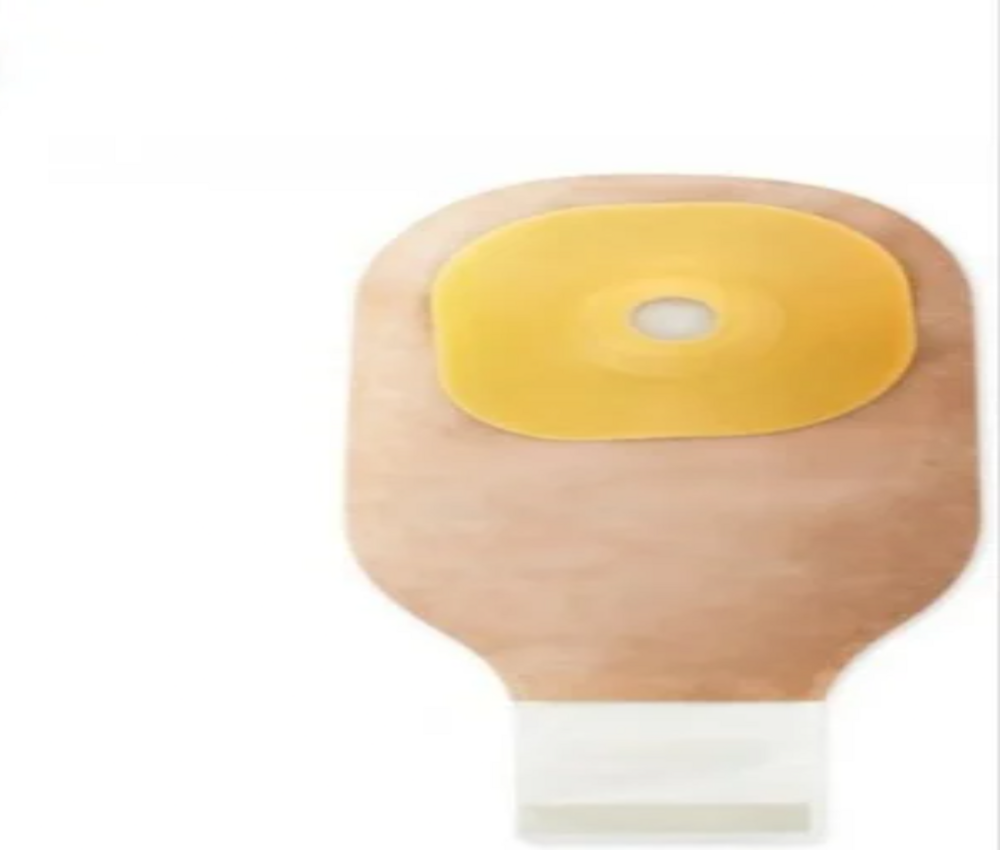
DRAINABLE POUCH CONV 26800
Price 1950 INR / Piece
Minimum Order Quantity : 10 Pieces
Use : Used for colostomy/ileostomy care
Condition : New
Material : Other, Soft, flexible film
Color : Opaque beige
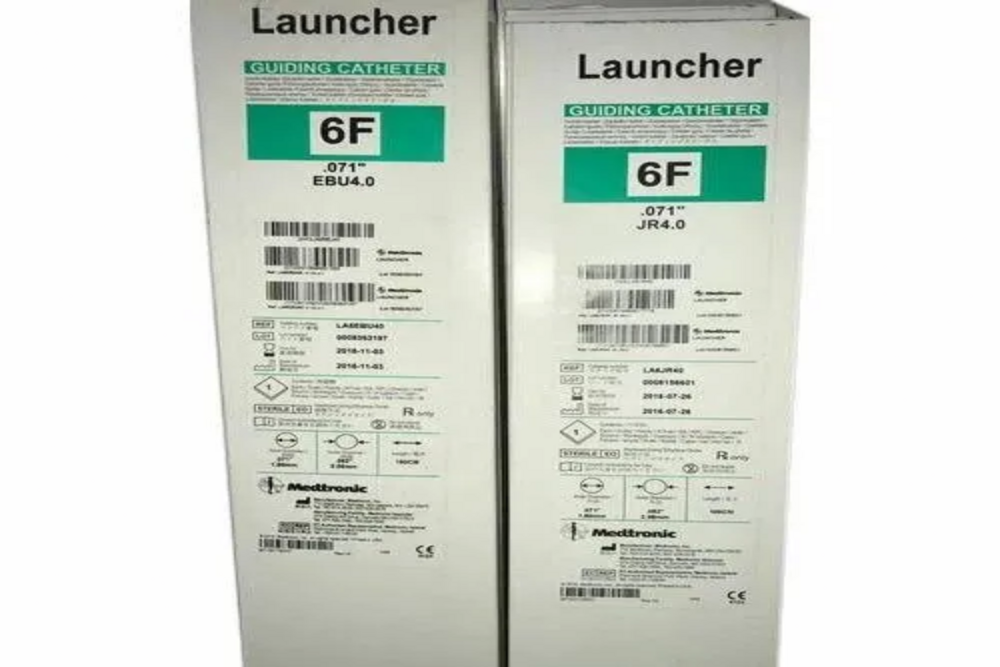
MEDTRONIC LAUCHER GUIDING CATHETER
Price 1950 INR / Piece
Minimum Order Quantity : 10 Pieces
Use : Cardiology, endovascular procedures
Condition : Other, Sterile, Singleuse
Material : Other, Polyamide (Nylon)
Color : Transparent with colored coded hubs

CORD CLAMP
Price 1550 INR / Piece
Minimum Order Quantity : 10 Pieces
Use : Umbilical cord clamping
Condition : New
Material : Other, Medical Grade Plastic
Color : White/Blue (varies by batch)

Flexometallic Endotracheal Tube Cufed / Uncuffed ,
Price 975 INR / Piece
Minimum Order Quantity : 10 Pieces
Use : Medical Airway Management
Condition : New
Material : Flexometallic, Other
Color : Transparent

Mark Enterprises
GST : 09CGDPG2368E1ZJ
GST : 09CGDPG2368E1ZJ
56/A, Gali No-3, Jai Bharat Enclave, Sahibabad, Lajpat Nagar,Ghaziabad - 201005, Uttar Pradesh, India
Phone :08045813058

 Send Inquiry
- Breathing Circuit and Accessories
- Airway Management
- Intubation Devices And Accessories
- Tracheostomy Tube
- Endotracheal Tube
- Anaesthesia Face Mask
- CPAP And BIPAP Mask And Accessories
- HMES And HMFS Breathing Filter
- Oxygen And Nebulization Therapy Products
- Neonatal Care Products
- Gel Positioner
- Medical Grade CSSD Products
- Catheter Kit
- Suction Tube
- Besmed NICU Care Products
- Surgical Gown
- Nasal Cannula
- Urology Products
- Infusion Pump
- Prone Head Positioner With Mirror
- Cautery Pencil
- Pulse Oximeter
- Nebulizer Machine
- Foley Catheter
- Oxygen Flow Meter
- Strile Spiral Extension Line
- Yankauer Suction Set
- CPAP System
- AIRWAY TUBE
- AMBU BEG
 Send Inquiry
 Send SMS
Mark Enterprises
All Rights Reserved.(Terms of Use)
Developed and Managed by Infocom Network Private Limited.
Developed and Managed by Infocom Network Private Limited.

