

Call us now
08045813058
T - Tube E3115S
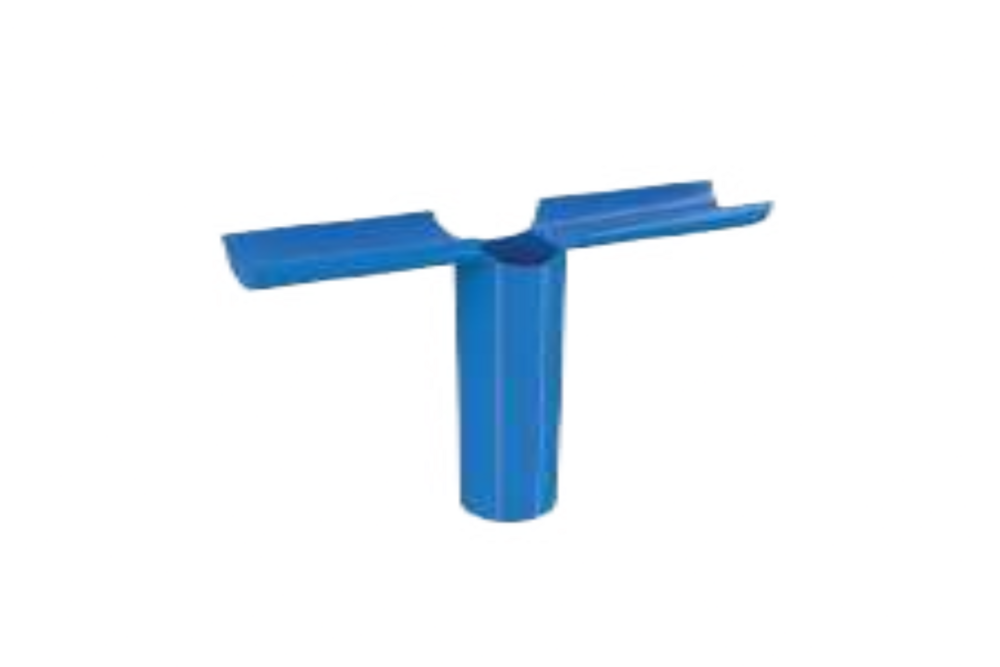
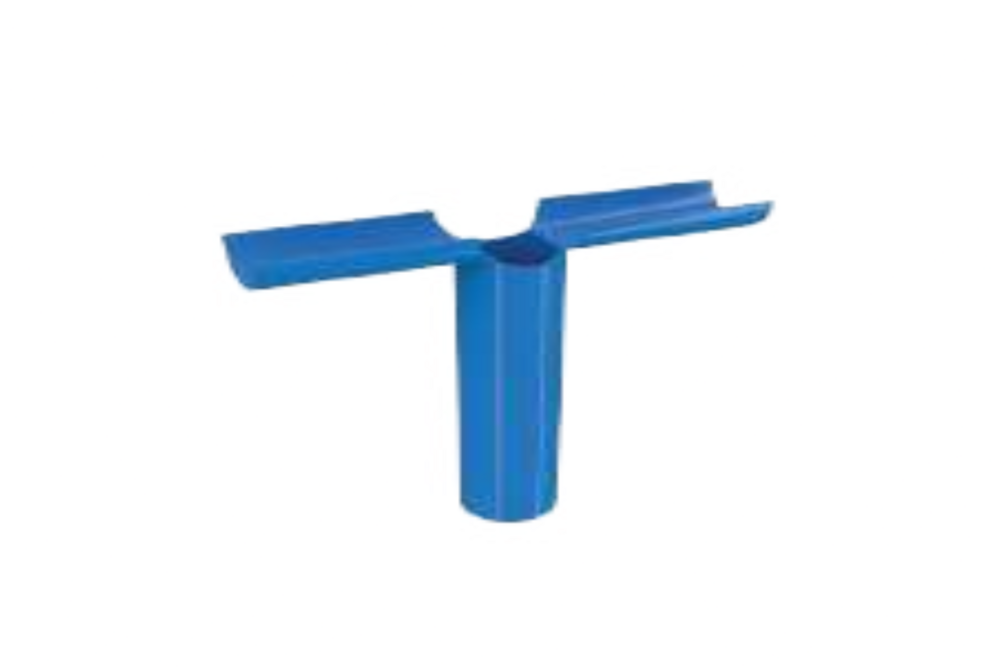
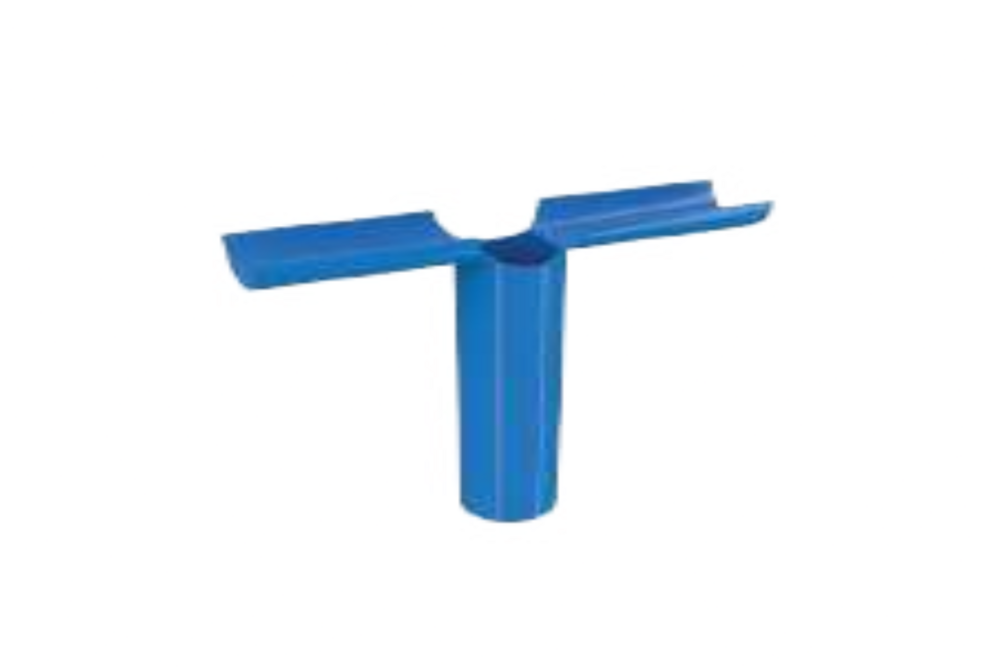
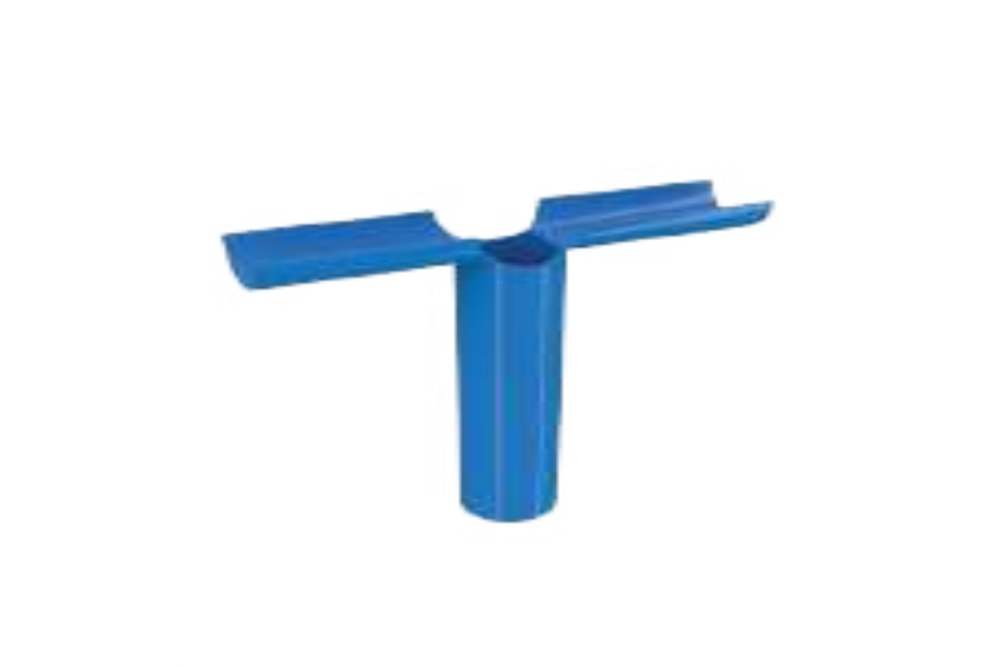

T - Tube E3115S Specification
- Measurement Range
- Internal tube diameters: 4 mm 8 mm (as per specifications)
- Shelf Life
- 5 Years
- Function
- Maintains tracheal stoma and assists in airway management
- Usage Type
- Single Use/Disposable
- Storage Instructions
- Store in a cool, dry, and sterile environment
- Instruments Type
- Surgical/Medical Respiratory Device
- Features
- Sterile, Flexible, Non-reactive, Biocompatible
- Equipment Type
- T-Tube
- Material
- Medical Grade Silicone
- Condition
- New
- Technology
- Extrusion Molding
- Portable
- Yes
- Wall Mounted
- No
- Real-Time Operation
- Yes
- Noise Level
- Silent Operation
- Operating Type
- Manual
- Use
- Tracheostomy/Respiratory Care
- Dimension (L*W*H)
- Varies as per requirement (typically 6-12 cm length)
- Weight
- Lightweight (approx. 5-10 grams)
- Color
- Translucent / White
- Packaging
- Individually packed
- Intended Patient
- For use in pediatric and adult patients
- Shape
- T-shaped Hollow Tube
- Edge Design
- Smooth, rounded edges to prevent tissue trauma
- Latex Content
- Latex Free
- Connector Type
- Universal for tracheostomy accessories
- Radiopacity
- Radiopaque for X-ray visibility
- Brand Name
- E3115S
- Sterility
- Sterile, ready to use
About T - Tube E3115S
A T-tube is a T-shaped tube placed in the common bile duct following procedures involving the duct, such as after choledochotomy. T-tubes can also be used for persistent duodenal fistulas, pancreaticoduodenectomies, or hepaticojejunostomy in liver transplantation. T-tubes provide external drainage of bile via a controlled route the original pathology is resolving. T-tubes should not be confused with tracheal tubes or tympanoplasty tubes. This activity reviews the indications, contraindications, and techniques involved in placing T-tubes and highlights the role of the interprofessional team in the care of patients undergoing this procedure.Enhanced Patient Safety and Comfort
E3115S T-Tube prioritizes patient well-being through its latex-free, flexible, and biocompatible medical-grade silicone construction. The smooth, rounded edges minimize the risk of tissue trauma, making it suitable for delicate pediatric and adult airways alike. Its lightweight and silent operation further enhance user comfort during respiratory care.
Versatile and Reliable Airway Management
This T-shaped, hollow tube is expertly designed to maintain a tracheal stoma and assist in effective airway management. Its universal connector supports compatibility with various tracheostomy accessories, ensuring versatile utility in surgical and medical environments. The device is suited for both routine and emergency respiratory care.
Convenience and Assured Quality
E3115S T-Tube comes sterile and individually packaged for single-use applications, supporting infection control protocols. There is no need for wall mounting, and its portable design allows for flexible use across different healthcare settings. With a shelf life of five years and silent, manual operation, this device reflects reliability and quality for medical professionals.
FAQ's of T - Tube E3115S:
Q: How is the E3115S T-Tube used in airway management for tracheostomy patients?
A: The E3115S T-Tube is inserted into the tracheal stoma to maintain airway patency and assist in respiratory function. It is intended for both pediatric and adult patients to ensure continuous breathing post-tracheostomy while minimizing the risk of airway closure.Q: What features make the E3115S T-Tube safe for patient use?
A: This T-Tube is latex-free, made from medical-grade silicone, and designed with smooth, rounded edges to prevent tissue trauma. Additionally, it is sterile, biocompatible, and radiopaque, allowing safe use and easy positioning confirmation via X-ray.Q: When should the E3115S T-Tube be replaced or disposed of?
A: The E3115S T-Tube is for single-use only. It should be disposed of responsibly after use or as per the healthcare facility's protocol to maintain sterility and prevent infection. If the tube has been compromised or after the intended single-use duration, immediate replacement is necessary.Q: Where can the E3115S T-Tube be used in healthcare settings?
A: This device is suitable for use in hospitals, clinics, emergency care environments, and home healthcare setups by trained professionals. Its portable design allows for use in both bedside and operative respiratory care situations.Q: What is the process for selecting the correct size of the E3115S T-Tube?
A: Selection depends on the patient's anatomy and clinical requirements. The E3115S T-Tube is available in various internal diameters (4 mm-8 mm) and lengths (typically 6-12 cm) to adequately fit pediatric and adult patients. Clinical assessment by a healthcare provider ensures proper sizing.Q: How does the radiopaque feature benefit clinicians during procedures?
A: The tube's radiopaque property enables it to be clearly visualized in X-ray imaging, aiding clinicians in confirming proper placement and monitoring the tube's position during and after insertion without invasive exploration.Q: What are the recommended storage conditions for these T-Tubes?
A: To preserve sterility and performance, E3115S T-Tubes should be stored in a cool, dry, and sterile environment until use. Follow the provided storage instructions, and ensure packages remain intact and unopened until point-of-care application. Get Latest Price
Tell us about your requirement

Price:
Quantity
Select Unit
- 50
- 100
- 200
- 250
- 500
- 1000+
Additional detail
Mobile number
Email

More Products in Intubation Devices And Accessories Category
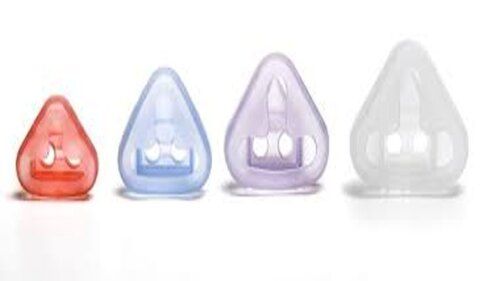
N Flow Nasal Mask atomical N Flow Nasel Mask
Price 1650 INR / Piece
Minimum Order Quantity : 10 Pieces
Color : Transparent/Clear with Blue Straps
Use : Respiratory Support for NIV, Oxygen Therapy
Material : Other, Medical Grade Silicone, Polycarbonate
Condition : New
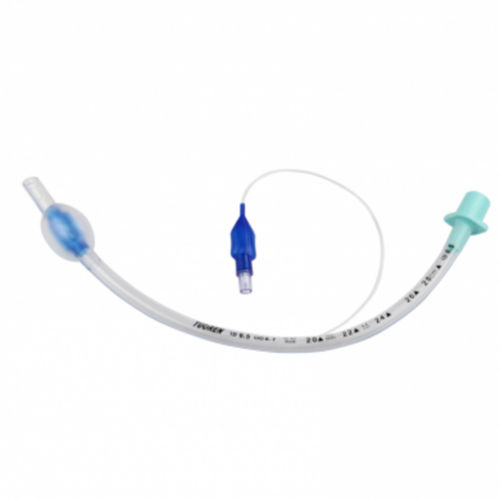
Adult Normal Adaptive Cuffed ET Tube
Price 875 INR / Piece
Minimum Order Quantity : 10 Pieces
Color : Transparent
Use : Intubation Airway Management
Material : Other, MedicalGrade PVC
Condition : New
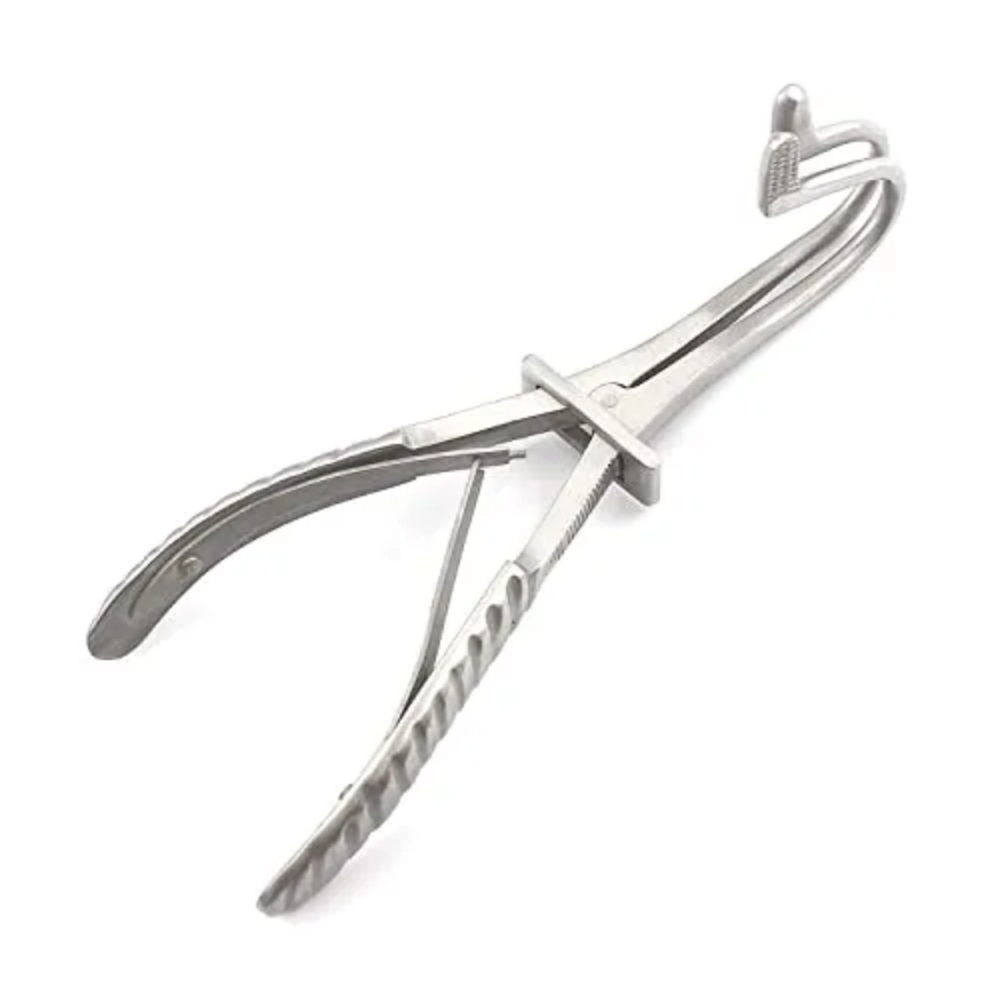
MOUTH GAG FERGUSSON
Price 2600 INR / Piece
Minimum Order Quantity : 10 Pieces
Color : Silver (Metallic Finish)
Use : Medical, Surgical
Material : Other, Stainless Steel
Condition : New
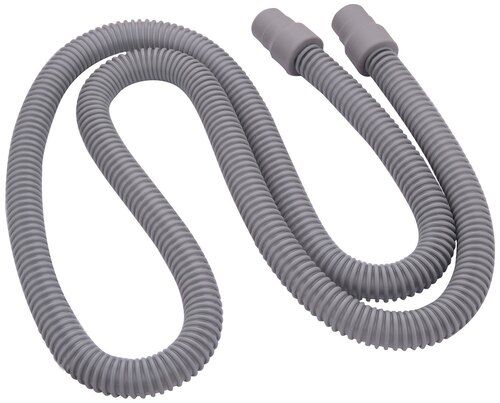
MEDISAFE Bipap And Cpap Circuit
Price 450 INR / Piece
Minimum Order Quantity : 10 Pieces
Color : Transparent with Blue Connectors
Use : For use with Bipap and Cpap Machines
Material : Other, Medical Grade PVC
Condition : New

Mark Enterprises
GST : 09CGDPG2368E1ZJ
GST : 09CGDPG2368E1ZJ
56/A, Gali No-3, Jai Bharat Enclave, Sahibabad, Lajpat Nagar,Ghaziabad - 201005, Uttar Pradesh, India
Phone :08045813058

 Send Inquiry
- Breathing Circuit and Accessories
- Airway Management
- Intubation Devices And Accessories
- Tracheostomy Tube
- Endotracheal Tube
- Anaesthesia Face Mask
- CPAP And BIPAP Mask And Accessories
- HMES And HMFS Breathing Filter
- Oxygen And Nebulization Therapy Products
- Neonatal Care Products
- Gel Positioner
- Medical Grade CSSD Products
- Catheter Kit
- Suction Tube
- Besmed NICU Care Products
- Surgical Gown
- Nasal Cannula
- Urology Products
- Infusion Pump
- Prone Head Positioner With Mirror
- Cautery Pencil
- Pulse Oximeter
- Nebulizer Machine
- Foley Catheter
- Oxygen Flow Meter
- Strile Spiral Extension Line
- Yankauer Suction Set
- CPAP System
- AIRWAY TUBE
- AMBU BEG
 Send Inquiry
 Send SMS
 Call Me Free
Mark Enterprises
All Rights Reserved.(Terms of Use)
Developed and Managed by Infocom Network Private Limited.
Developed and Managed by Infocom Network Private Limited.

