

Call us now
08045813058
PILE FORCEPS
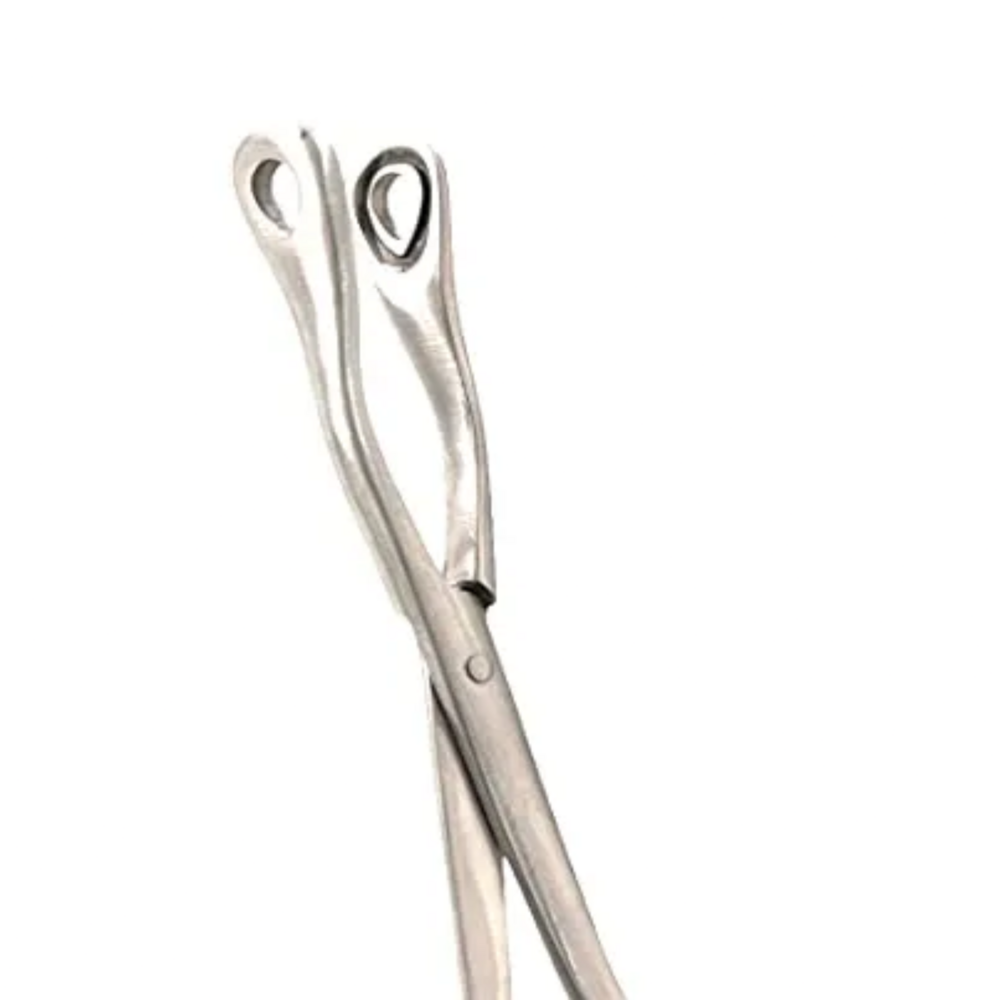
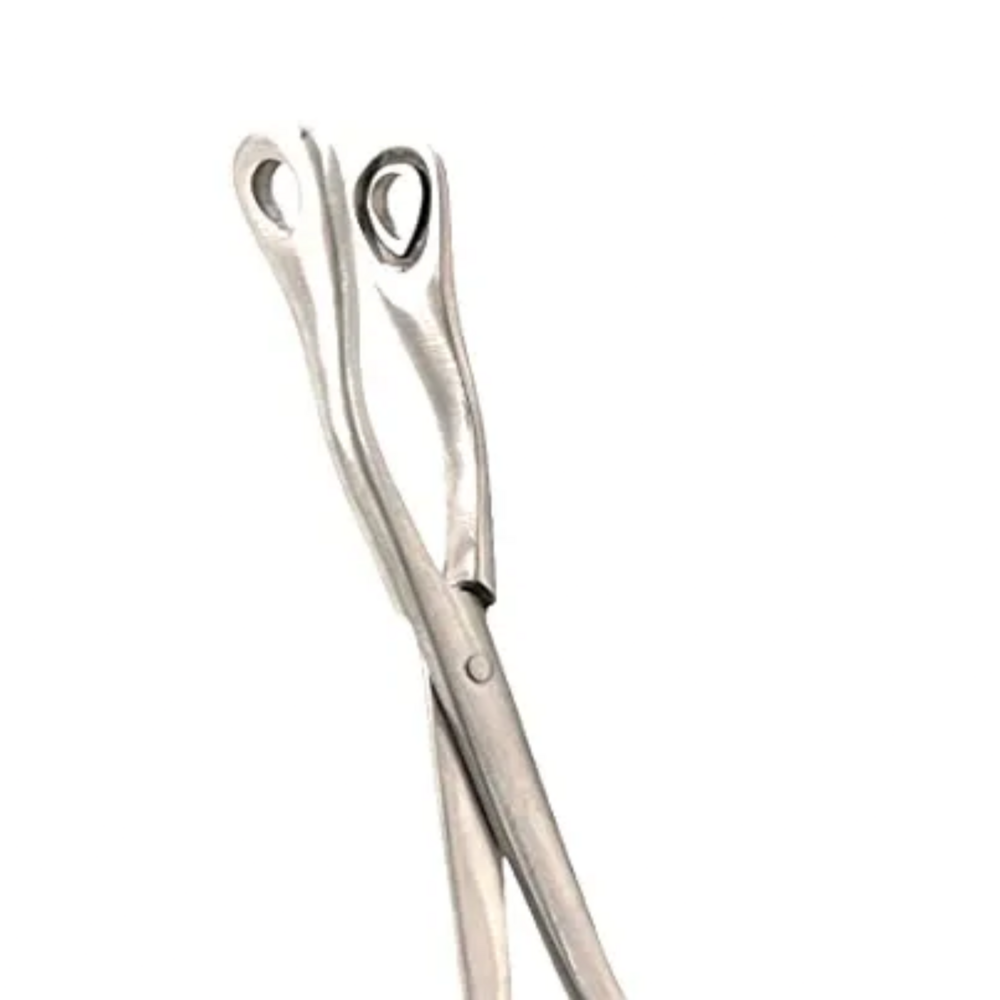
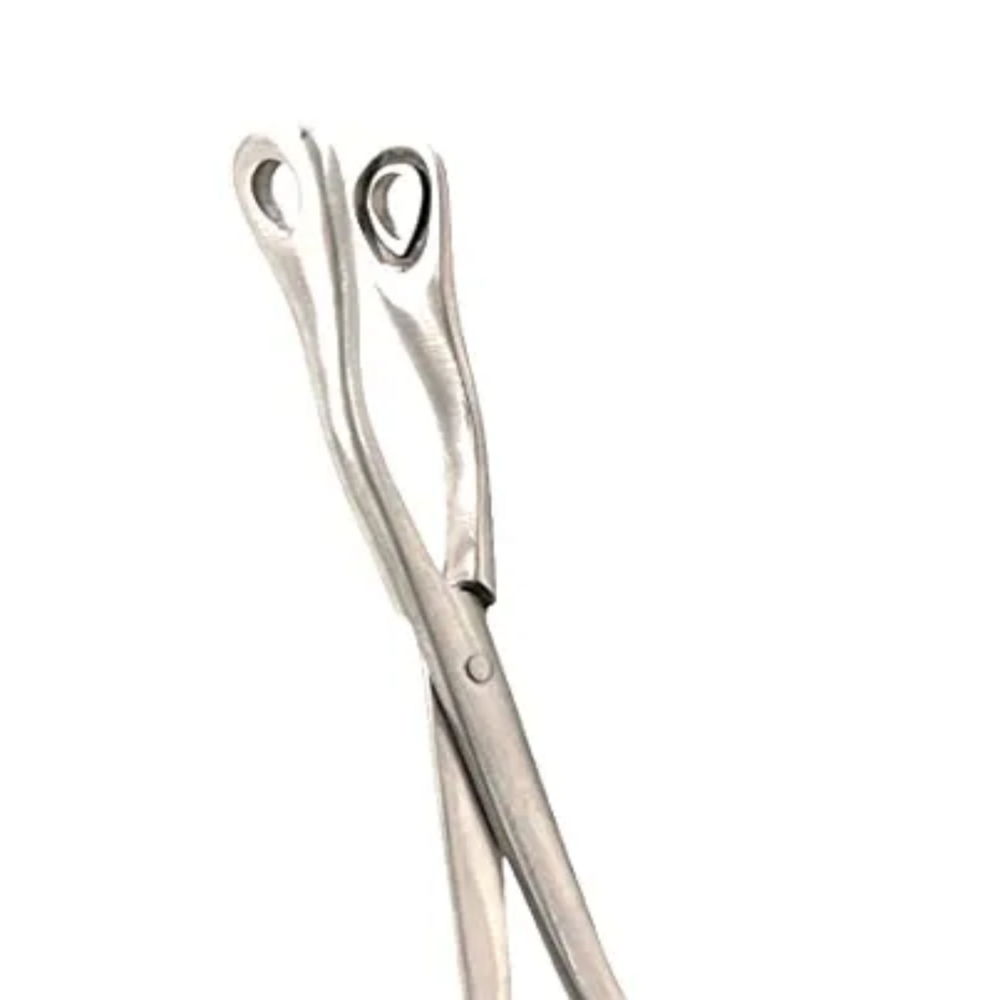

PILE FORCEPS Specification
- Storage Instructions
- Store in a clean, dry, and sterile environment
- Features
- Corrosion resistant, fine tip alignment, autoclavable, ergonomic handle design
- Instruments Type
- Surgical Forceps
- Function
- Grasping and holding tissue during pile/hemorrhoid surgery
- Usage Type
- Reusable
- Accuracy
- High precision grip
- Shelf Life
- Long (with proper maintenance)
- Equipment Type
- Pile Forceps
- Material
- Stainless Steel
- Condition
- New
- Technology
- Manual
- Portable
- Yes
- Wall Mounted
- No
- Real-Time Operation
- Yes
- Noise Level
- Silent
- Operating Type
- Handheld
- Use
- Surgical instrument for hemorrhoid (piles) procedures
- Dimension (L*W*H)
- Approx. 15 cm (L)
- Weight
- Approx. 60 g
- Color
- Silver/Metallic
- Sterilization Compatibility
- Autoclavable
- Grip Type
- Spring-loaded
- Surface Finish
- Matte/Polished
- Tip Type
- Serrated, Blunt and Curved
- Application
- Used in proctology, minor and major surgical procedures
- Latex Free
- Yes
About PILE FORCEPS
Forceps (pl.: forceps[1][2] or considered a plural noun without a singular, often a pair of forceps;[3][4] the Latin plural forcipes is no longer recorded in most dictionaries)[1][2][3][4] are a handheld, hinged instrument used for grasping and holding objects. Forceps are used when fingers are too large to grasp small objects or when many objects need to be held at one time while the hands are used to perform a task. The term "forceps" is used almost exclusively in the fields of biology and medicine.[citation needed] Outside biology and medicine, people usually refer to forceps as tweezers, tongs, pliers, clips or clamps.
Mechanically, forceps employ the principle of the lever to grasp and apply pressure.
Depending on their function, basic surgical forceps can be categorized into the following groups:
- Non-disposable forceps. They should withstand various kinds of physical and chemical effects of body fluids, secretions, cleaning agents, and sterilization methods.
- Disposable forceps. They are usually made of lower-quality materials or plastics which are disposed after use.
Surgical forceps are commonly made of high-grade carbon steel, which ensures they can withstand repeated sterilization in high-temperature autoclaves. Some are made of other high-quality stainless steel, chromium and vanadium alloys to ensure durability of edges and freedom from rust. Lower-quality steel is used in forceps made for other uses. Some disposable forceps are made of plastic. The invention of surgical forceps is attributed to Stephen Hales.[5]
Ergonomic Design and Functionality
These PILE FORCEPS are engineered for both precision and comfort. The spring-loaded, ergonomic handle provides reliable grip and control, reducing hand fatigue during long procedures. Serrated, blunt, and curved tips offer the versatility required for safe and effective tissue handling in proctology and hemorrhoid surgeries.
Durable and Easy to Maintain
Manufactured from corrosion-resistant stainless steel, these forceps are built to last, even with frequent sterilization. The instruments are autoclavable, ensuring compatibility with standard sterilization protocols. With proper storage in a clean, dry, and sterile environment, the forceps have a long shelf life and maintain their accuracy and functionality over time.
FAQ's of PILE FORCEPS:
Q: How do you properly sterilize PILE FORCEPS for surgical use?
A: PILE FORCEPS are designed to be autoclavable, meaning you can sterilize them using standard autoclave equipment. Simply clean and disinfect the forceps before placing them in an autoclave. Ensure they are dry before storage to maintain their corrosion-resistant properties and prolong their lifespan.Q: What are the benefits of using serrated, blunt, and curved tips on PILE FORCEPS?
A: Each tip type offers specific advantages: serrated tips ensure a non-slip grip on tissues, blunt tips are ideal for gentle handling, and curved tips provide better access to hard-to-reach areas. This variety enables precise and safe manipulation of tissues during proctology or hemorrhoid surgeries.Q: When should PILE FORCEPS be used in surgical procedures?
A: PILE FORCEPS are typically utilized during both minor and major proctology and hemorrhoid surgeries for grasping and holding tissue. Their high-precision grip and ergonomic design make them suitable for delicate procedures requiring controlled tissue handling.Q: Where should PILE FORCEPS be stored to ensure longevity?
A: For optimal longevity, store PILE FORCEPS in a clean, dry, and sterile environment, preferably in a dedicated surgical instrument tray. Proper storage prevents corrosion and maintains their fine tip alignment and operational accuracy.Q: What is the process for using PILE FORCEPS during a hemorrhoid procedure?
A: During a hemorrhoid procedure, the surgeon uses the spring-loaded handle to precisely grasp and stabilize tissues with minimal trauma. The forceps allow for secure, controlled manipulation and retraction of tissues, contributing to a safe and effective surgical process.Q: Are PILE FORCEPS suitable for repeated usage, and how long do they last?
A: Yes, these forceps are designed for reusable use and feature a long shelf life when maintained properly. Regular cleaning, sterilization, and appropriate storage extend their service life and preserve their accuracy and efficacy in practice. Get Latest Price
Tell us about your requirement

Price:
Quantity
Select Unit
- 50
- 100
- 200
- 250
- 500
- 1000+
Additional detail
Mobile number
Email

More Products in Intubation Devices And Accessories Category
Modus Operands EQUIPMENT
Price 1550 USD ($) / Piece
Minimum Order Quantity : 10 Pieces
Usage Type : Industrial
Weight : Variable
Wall Mounted : No
Material : Other, Mild Steel

JMITRA HIV TRI DOT RAPID TEST CARD
Price 7000 INR / Piece
Minimum Order Quantity : 10 Pieces
Usage Type : Single Use Only
Weight : Approx. 15 grams per card
Wall Mounted : No
Material : Other, Plastic and Membrane Matrix

MERIL DENGUE NS1 ELISA KIT
Price 7000 INR / Piece
Minimum Order Quantity : 10 Pieces
Usage Type : Laboratory Diagnostic Use only
Weight : Approx. 0.5 kg (kit)
Wall Mounted : No
Material : Other, Diagnostic Reagents/Consumables
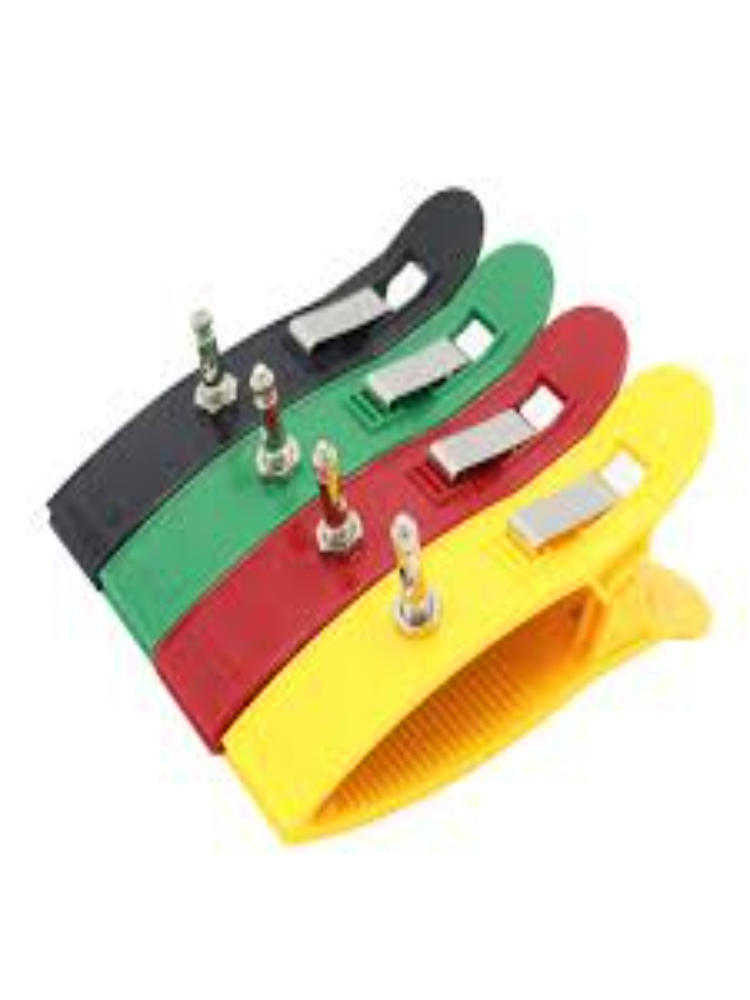
ECG CLAMP
Price 1950 INR / Piece
Minimum Order Quantity : 10 Pieces
Usage Type : Hospital, clinic, laboratory
Weight : Approx. 30 grams each
Wall Mounted : No
Material : Other, Nickelplated brass with stainless steel spring

Mark Enterprises
GST : 09CGDPG2368E1ZJ
GST : 09CGDPG2368E1ZJ
56/A, Gali No-3, Jai Bharat Enclave, Sahibabad, Lajpat Nagar,Ghaziabad - 201005, Uttar Pradesh, India
Phone :08045813058

 Send Inquiry
- Breathing Circuit and Accessories
- Airway Management
- Intubation Devices And Accessories
- Tracheostomy Tube
- Endotracheal Tube
- Anaesthesia Face Mask
- CPAP And BIPAP Mask And Accessories
- HMES And HMFS Breathing Filter
- Oxygen And Nebulization Therapy Products
- Neonatal Care Products
- Gel Positioner
- Medical Grade CSSD Products
- Catheter Kit
- Suction Tube
- Besmed NICU Care Products
- Surgical Gown
- Nasal Cannula
- Urology Products
- Infusion Pump
- Prone Head Positioner With Mirror
- Cautery Pencil
- Pulse Oximeter
- Nebulizer Machine
- Foley Catheter
- Oxygen Flow Meter
- Strile Spiral Extension Line
- Yankauer Suction Set
- CPAP System
- AIRWAY TUBE
- AMBU BEG
 Send Inquiry
 Send SMS
 Call Me Free
Mark Enterprises
All Rights Reserved.(Terms of Use)
Developed and Managed by Infocom Network Private Limited.
Developed and Managed by Infocom Network Private Limited.

