

Call us now
08045813058
HYSTERO CYSTOSCOPE
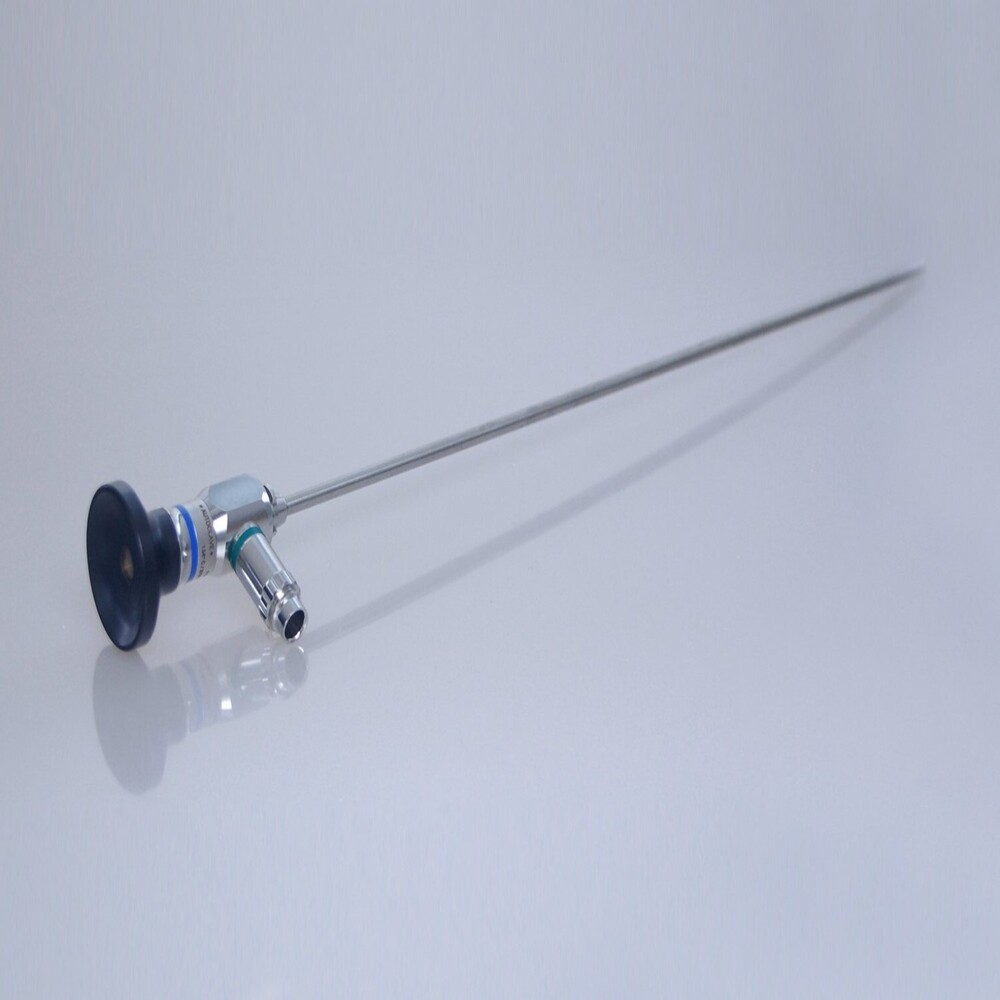

HYSTERO CYSTOSCOPE Specification
- Instruments Type
- Endoscope
- Usage Type
- Hospital/Clinical
- Measurement Range
- Visual Field up to 90
- Display Type
- Requires external Camera/Monitor
- Accuracy
- High Precision
- Function
- Visual examination of uterus and bladder
- Features
- High-resolution optics, Autoclavable, Leak-proof design
- Storage Instructions
- Store in dry, clean instrument box after sterilization
- Shelf Life
- 5-10 Years (if maintained properly)
- Equipment Type
- Hystero Cystoscope
- Material
- Medical Grade Stainless Steel and Optical Glass
- Condition
- New
- Technology
- Optical Endoscopy
- Portable
- Yes
- Wall Mounted
- No
- Magnification Power
- Standard 2.7x or 4x (depending on model)
- Real-Time Operation
- Yes
- Noise Level
- Silent Operation
- Operating Type
- Manual
- Use
- Diagnostic and Surgical Procedures
- Power Source
- Manual / Connected Light Source (if required)
- Power Consumption
- N/A (Manual)
- Dimension (L*W*H)
- Standard shaft diameter: 4mm / Length: 302mm
- Weight
- Approx. 200-300g
- Color
- Silver with Black/Blue Accents
- Lens System
- Multicoated rod lens system
- Sterilization Type
- Autoclavable and Chemical Sterilization
- Optical Angle
- 0°, 30°, or 70° (as per model)
- Irrigation Port
- Yes, standard attachment
- Connection Type
- Standard European/International Fittings
- Application Field
- Gynecology and Urology
- Distal Tip Diameter
- Available in different diameters (2.7mm, 4mm)
- Compatibility
- Compatible with standard light sources and cameras
- Autoclavable Temperature
- Up to 134°C
- Image Quality
- HD resolution with clear illumination
About HYSTERO CYSTOSCOPE
Hystero cystoscope
The term "hystero cystoscope" appears to be a combination of two distinct medical instruments: a hysteroscope and a cystoscope. A hysteroscope is a medical device used to examine the inside of the uterus, typically inserted through the cervix, and is used for both diagnostic and operative procedures such as removing polyps or fibroids. Modern hysteroscopy began in 1967 when Fritz Menken used a pediatric cystoscope for an examination of the womb, and it evolved into a routine technique in the 1970s with the introduction of operative hysteroscopy. Today, hysteroscopy is the preferred method for managing intrauterine pathology, utilizing advanced optics, smaller scope sizes, and safe distending media.
A cystoscope, on the other hand, is an instrument used to examine the bladder and urethra, typically for diagnosing or treating urinary tract conditions. While the term "hystero cystoscope" is not standard, some devices are designed for both gynecological and urological use. For example, certain resectoscopes, like the 2.9mm Bipolar TURP Hysteroscopy Set compatible with Storz equipment, are designed for both monopolar and bipolar resection and can be used in procedures involving the uterus and urethra. These instruments often feature a rotating double sheath system that allows the working element to rotate 360A independently of the outer sheath, providing greater freedom of movement during surgery.
The 8.5 mm Hystero-Resectoscope by Olympus is an example of a modern hysteroscopic instrument designed for precise tissue removal, featuring a Logical-Locking-System (LLS) for easy assembly, a slim 8.5 mm outer sheath with a 194 mm working length, and a lightweight, well-balanced design at 248 grams. It is compatible with OES Elite 4 mm HD telescopes, providing high-definition imaging with excellent resolution. The use of such instruments requires careful monitoring of fluid balance during procedures, with recommended fluid deficit limits of 1000 to 1500 mL for isotonic solutions and 750 mL for hypotonic solutions, especially in older or comorbid patients, to prevent complications from fluid overload.
Advanced Visualization for Precision Procedures
Equipped with a multicoated rod lens system, the HYSTERO CYSTOSCOPE delivers high-definition images for accurate diagnosis and treatment. The various optical angles (0, 30, or 70) offer adaptability for different procedural requirements, ensuring comprehensive visual access to relevant anatomical areas.
Robust, Sterilizable, and User-Friendly Design
Manufactured with medical-grade stainless steel and optical glass, this endoscope is autoclavable up to 134C and supports chemical sterilization for safe reuse. Its leak-proof and ergonomic design, available in different sizes, provides comfort and reliability during diagnostic and surgical procedures in hospitals and clinics.
FAQ's of HYSTERO CYSTOSCOPE:
Q: How do you sterilize the HYSTERO CYSTOSCOPE after use?
A: The HYSTERO CYSTOSCOPE can be sterilized using either autoclaving at temperatures up to 134C or standard chemical sterilization methods. After sterilization, store it in a dry, clean instrument box to maintain its shelf life and performance.Q: What procedures can the HYSTERO CYSTOSCOPE be used for?
A: This instrument is designed for diagnostic and surgical procedures in the fields of gynecology and urology, including the visual examination of the uterus and bladder.Q: When should I select a 0, 30, or 70 optical angle?
A: Choose the optical angle based on the clinical need: a 0 angle provides straight views, 30 offers an angled perspective for broader visualization, and 70 allows for lateral viewing of internal structures during examinations or surgeries.Q: Where is the HYSTERO CYSTOSCOPE typically used?
A: It is typically used in hospital and clinical environments by healthcare professionals specializing in gynecology and urology for endoscopic examinations and interventions.Q: What are the compatibility features of this endoscope?
A: The HYSTERO CYSTOSCOPE is compatible with standard light sources and cameras using internationally standardized fittings. This ensures seamless integration with most hospital endoscopic systems.Q: How does the irrigation port function during procedures?
A: The standard irrigation port attachment allows for controlled fluid flow, aiding in maintaining a clear visual field throughout the examination or surgical process.Q: What are the benefits of using this hystero cystoscope?
A: Benefits include high-resolution HD imaging, reliable leak-proof performance, silent manual operation, portability, and a long service life if maintained according to instructions. Get Latest Price
Tell us about your requirement

Price:
Quantity
Select Unit
- 50
- 100
- 200
- 250
- 500
- 1000+
Additional detail
Mobile number
Email

More Products in Intubation Devices And Accessories Category
Shah and Mini Shah
Price 1550 INR / Piece
Minimum Order Quantity : 10 Pieces
Material : Other, Mild Steel Body with Powder Coated Finish
Use : For Laboratory and Research Applications
Condition : New
Color : OffWhite
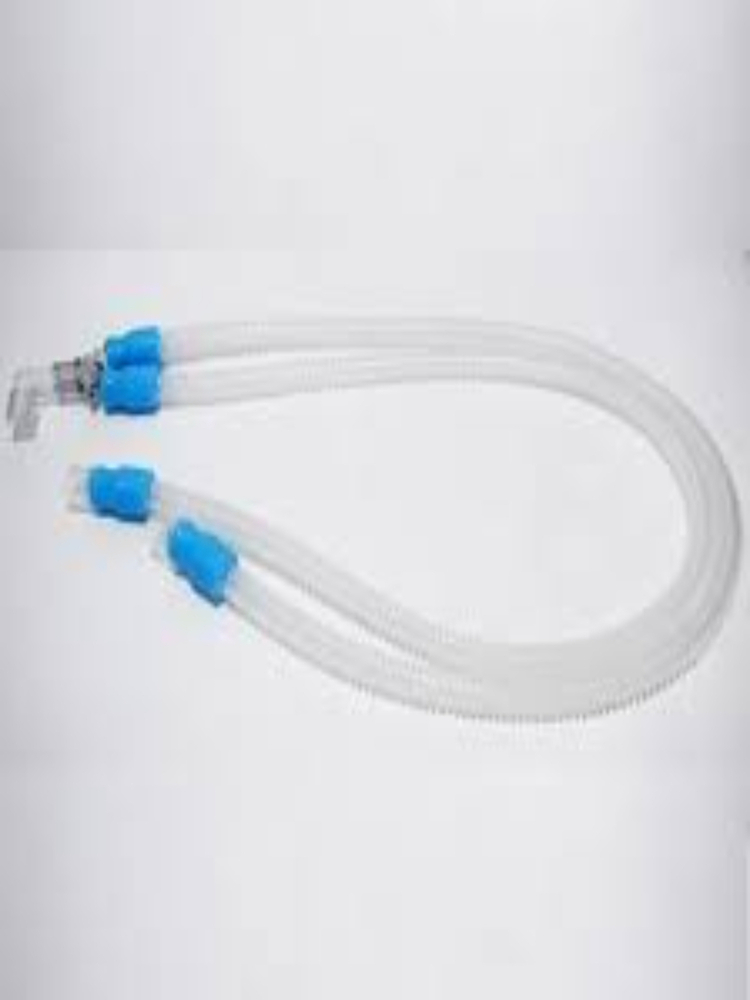
VENTILATOR CIRCUIT PLAIN
Price 1450 INR / Piece
Minimum Order Quantity : 10 Pieces
Material : Other, MedicalGrade PVC
Use : Connecting patient to ventilator for respiratory support
Condition : New
Color : Transparent or Blue
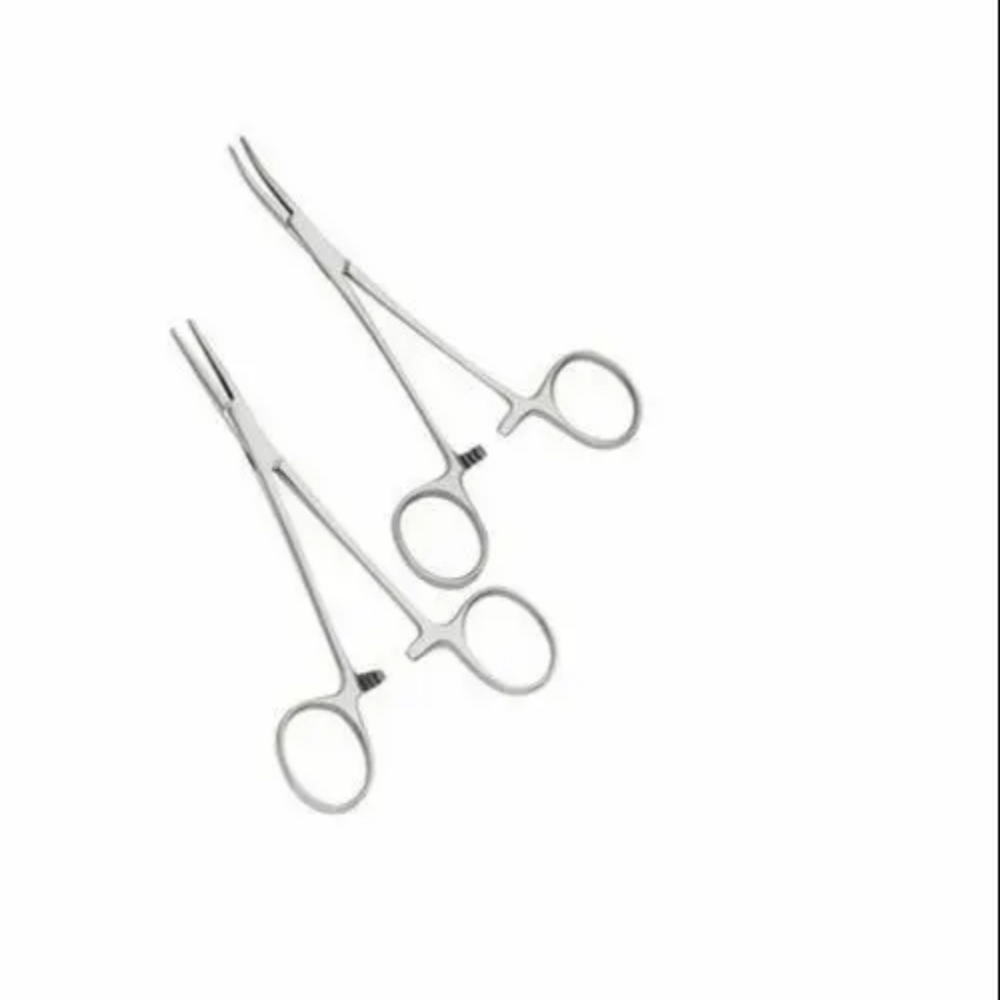
KELLY ARTERY FORCEPS STRAIGHT CURVED
Price 4500 INR / Piece
Minimum Order Quantity : 10 Pieces
Material : Other, Stainless Steel (medicalgrade)
Use : Clamping blood vessels, controlling bleeding in surgical procedures
Condition : New
Color : Matte/Silver (Steel Finish)
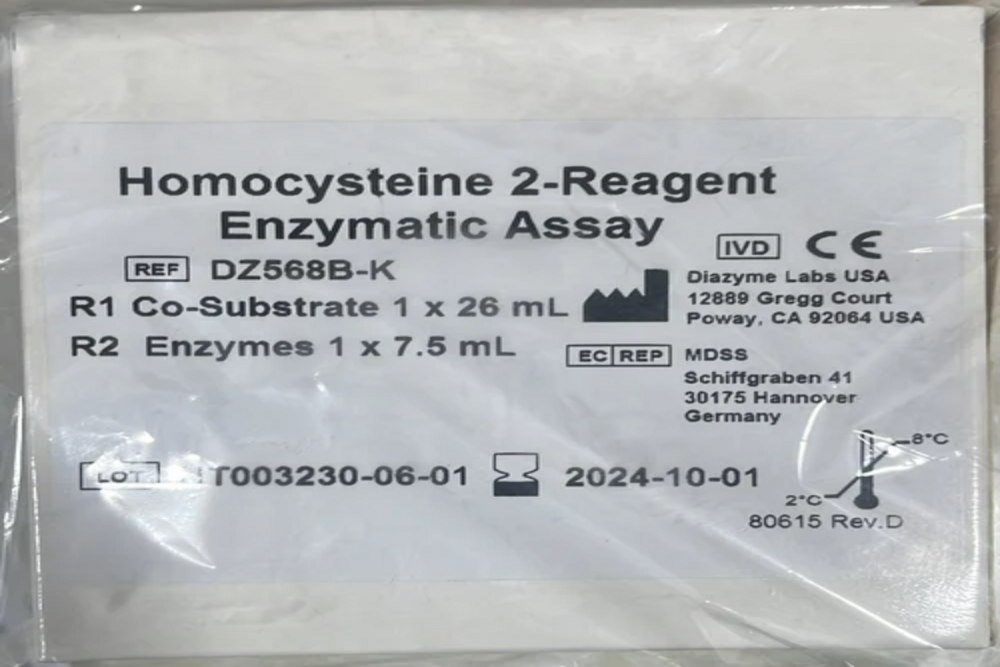
DIASYS HOMOCYSTEINE FS
Price 50000 INR / Piece
Minimum Order Quantity : 10 Pieces
Material : Other, Liquidstable reagent chemicals
Use : In vitro determination of total homocysteine in human serum or plasma
Condition : New
Color : Colourless to pale yellow solutions

Mark Enterprises
GST : 09CGDPG2368E1ZJ
GST : 09CGDPG2368E1ZJ
56/A, Gali No-3, Jai Bharat Enclave, Sahibabad, Lajpat Nagar,Ghaziabad - 201005, Uttar Pradesh, India
Phone :08045813058

 Send Inquiry
- Breathing Circuit and Accessories
- Airway Management
- Intubation Devices And Accessories
- Tracheostomy Tube
- Endotracheal Tube
- Anaesthesia Face Mask
- CPAP And BIPAP Mask And Accessories
- HMES And HMFS Breathing Filter
- Oxygen And Nebulization Therapy Products
- Neonatal Care Products
- Gel Positioner
- Medical Grade CSSD Products
- Catheter Kit
- Suction Tube
- Besmed NICU Care Products
- Surgical Gown
- Nasal Cannula
- Urology Products
- Infusion Pump
- Prone Head Positioner With Mirror
- Cautery Pencil
- Pulse Oximeter
- Nebulizer Machine
- Foley Catheter
- Oxygen Flow Meter
- Strile Spiral Extension Line
- Yankauer Suction Set
- CPAP System
- AIRWAY TUBE
- AMBU BEG
 Send Inquiry
 Send SMS
 Call Me Free
Mark Enterprises
All Rights Reserved.(Terms of Use)
Developed and Managed by Infocom Network Private Limited.
Developed and Managed by Infocom Network Private Limited.

